composite window profiles
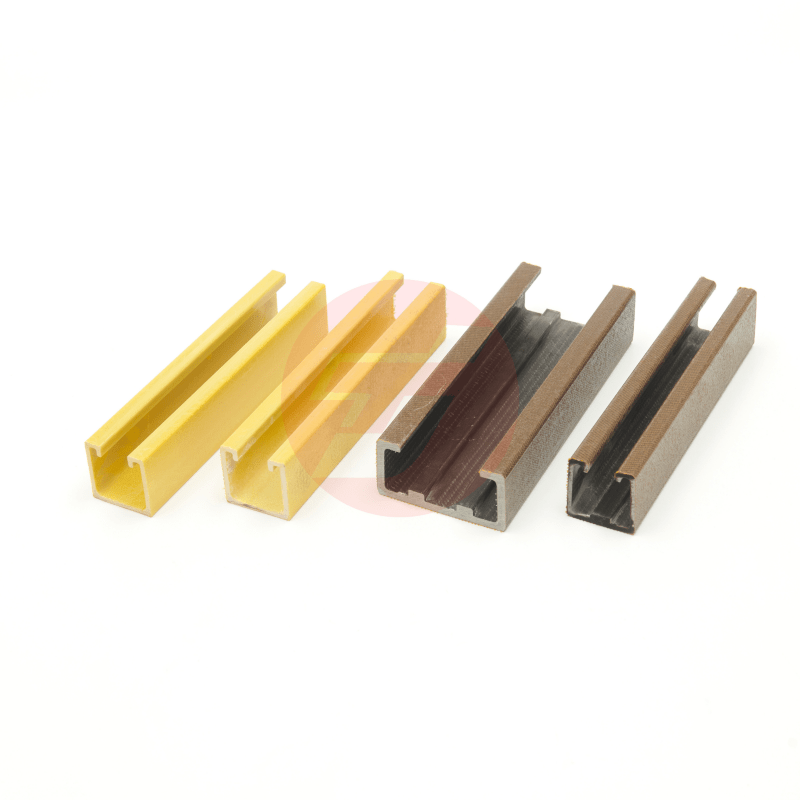
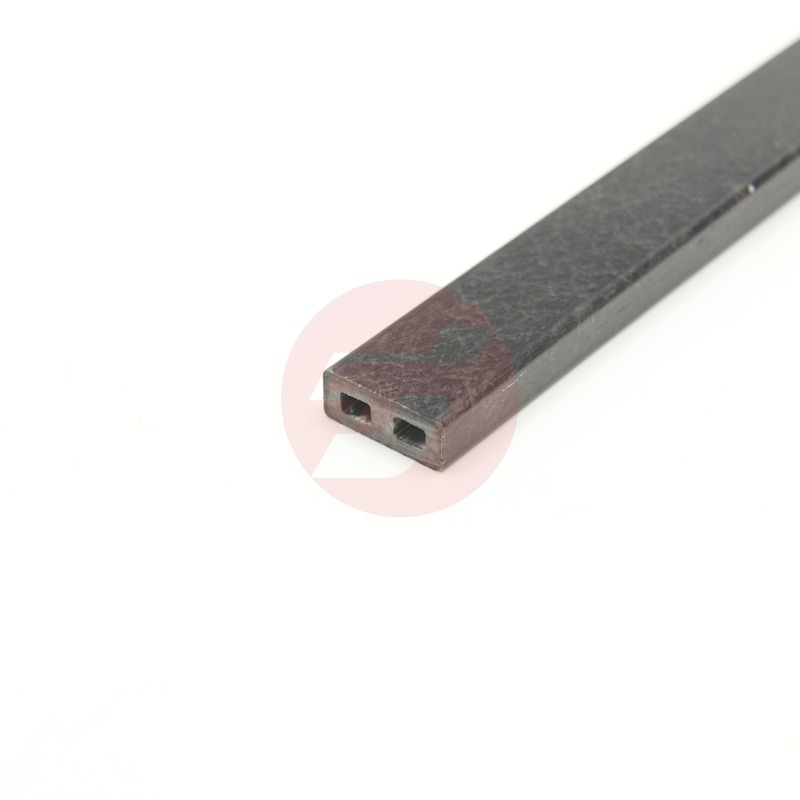
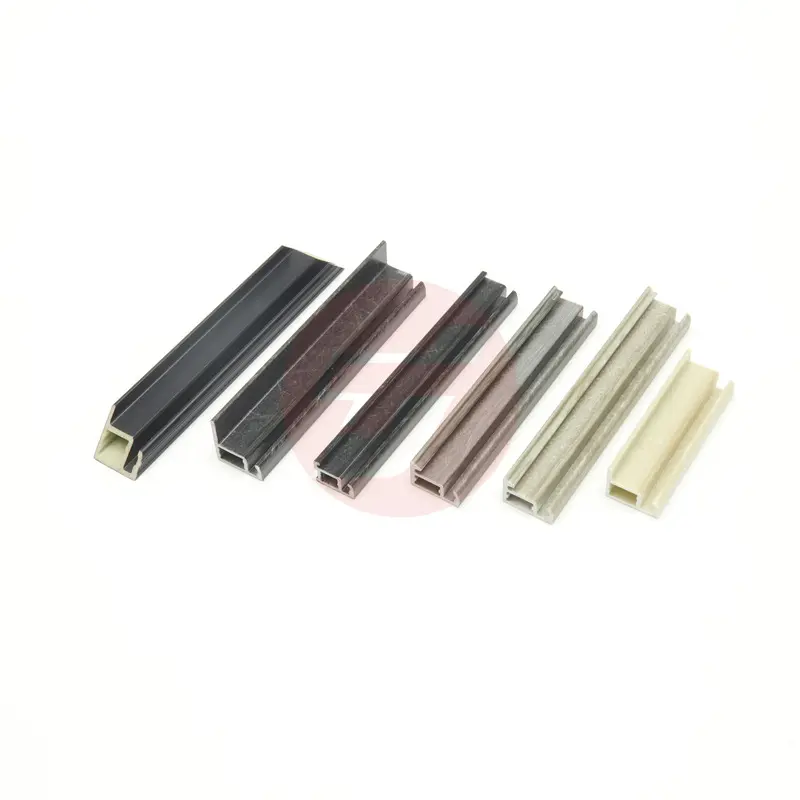
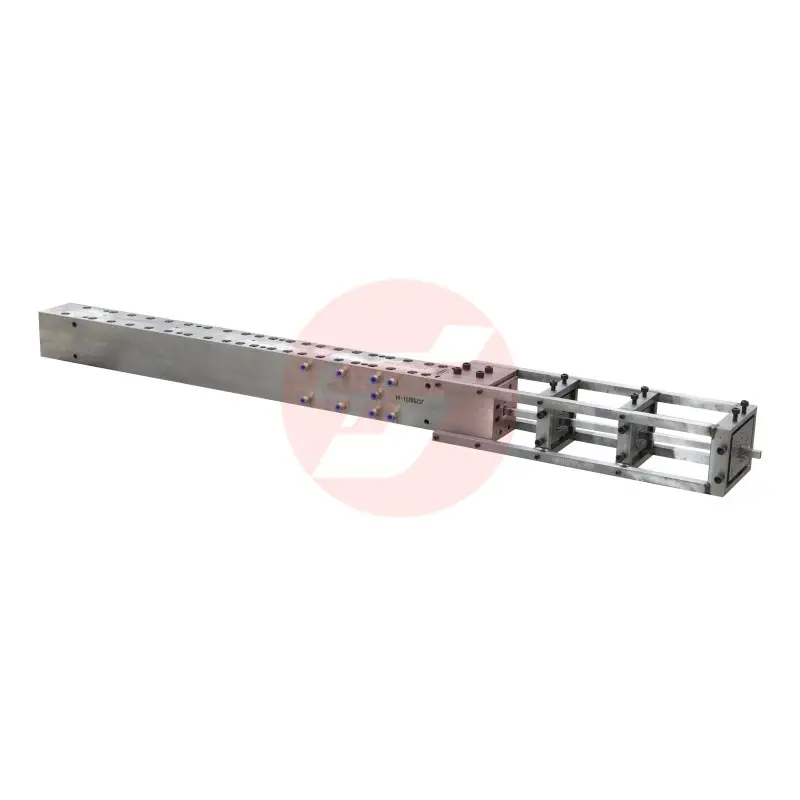
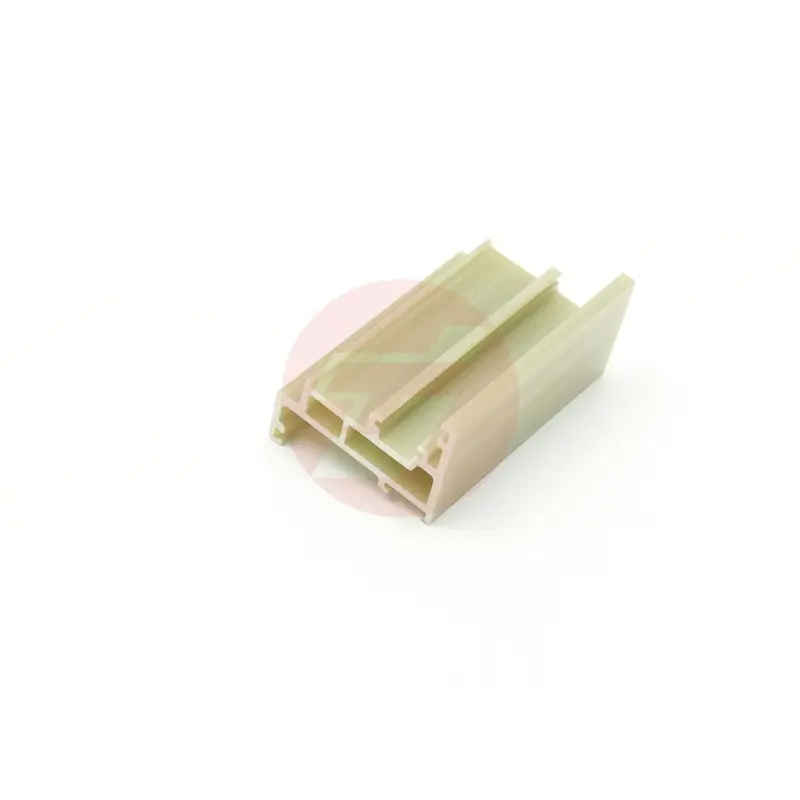
Composite window profiles represent a revolutionary advancement in modern fenestration technology, combining multiple materials to create superior window frame solutions. These innovative profiles typically integrate fiberglass, wood, aluminum, and advanced polymers to deliver exceptional performance across diverse architectural applications. The primary function of composite window profiles centers on providing enhanced structural integrity while maintaining excellent thermal efficiency and weather resistance. Unlike traditional single-material frames, these sophisticated systems leverage the unique properties of each constituent material to overcome individual limitations and maximize overall performance. The technological foundation of composite window profiles relies on advanced manufacturing processes that bond different materials at the molecular level, creating seamless integration between components. This engineering approach results in frames that exhibit superior dimensional stability, reduced thermal bridging, and enhanced durability compared to conventional alternatives. The multi-chamber design commonly found in composite window profiles incorporates strategic air pockets that significantly improve insulation properties while maintaining structural strength. Modern composite window profiles feature precision-engineered geometries that accommodate various glazing systems, hardware configurations, and architectural requirements. These profiles excel in both residential and commercial applications, from energy-efficient homes to high-performance office buildings. The versatility of composite window profiles makes them suitable for new construction projects as well as renovation and replacement applications. Their adaptable nature allows architects and builders to specify these systems across diverse climate conditions and building codes. The manufacturing process of composite window profiles incorporates cutting-edge extrusion technology combined with specialized bonding techniques that ensure long-term material cohesion. Quality control measures throughout production guarantee consistent dimensional accuracy and material properties. These profiles support various window operating styles including casement, awning, sliding, and fixed configurations, providing flexibility for different design requirements and functional needs.

 EN
EN