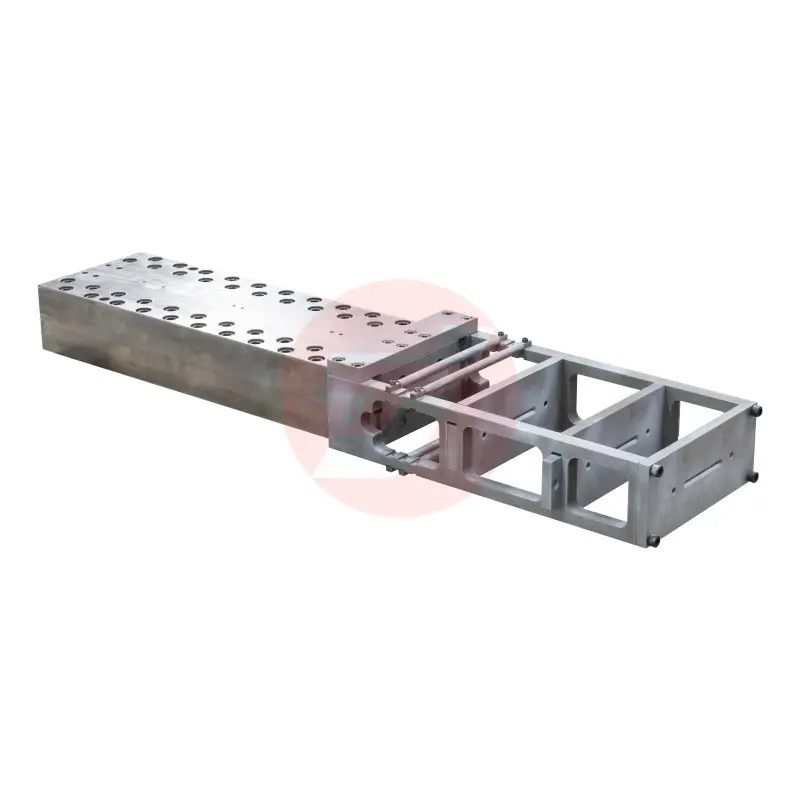
power line brackets
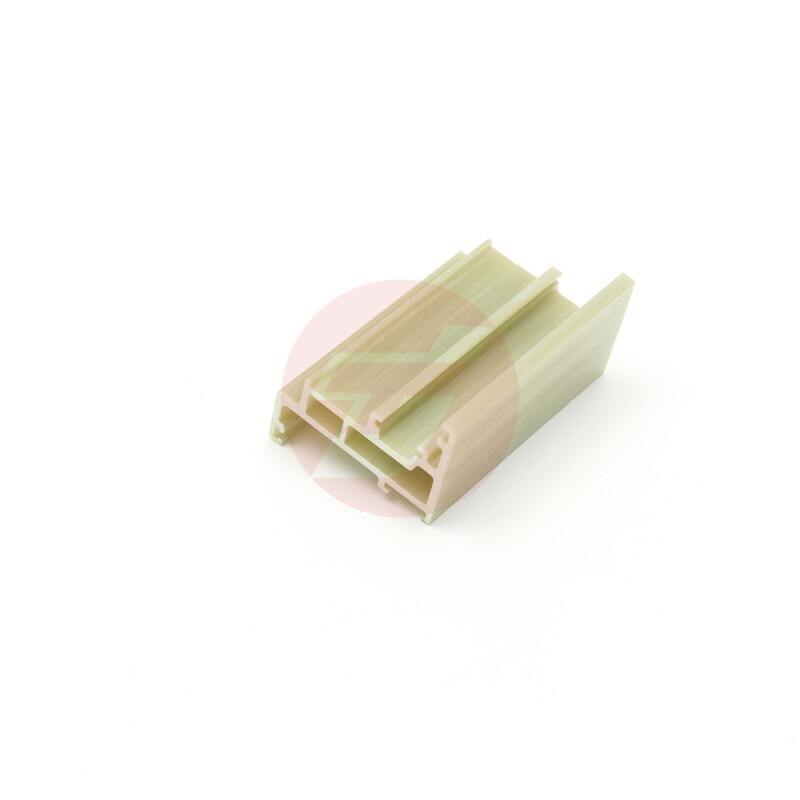
Power line brackets represent essential infrastructure components that provide critical support and stabilization for electrical transmission and distribution systems worldwide. These engineered mounting solutions serve as the backbone for securing power lines, transformers, and various electrical equipment to utility poles, transmission towers, and building structures. The primary function of power line brackets involves maintaining proper positioning and spacing of electrical conductors while ensuring safe clearance distances from grounded surfaces and other infrastructure elements. Modern power line brackets incorporate advanced materials and design principles that enhance their load-bearing capacity, weather resistance, and long-term durability under extreme environmental conditions. These brackets feature precision-engineered mounting points that accommodate different conductor sizes and configurations, enabling utilities to customize installations based on specific voltage requirements and local regulations. The technological sophistication of contemporary power line brackets includes corrosion-resistant coatings, galvanized steel construction, and polymer insulation components that prevent electrical faults and maintain system reliability. Advanced manufacturing processes ensure dimensional accuracy and consistent performance across diverse installation scenarios, from urban distribution networks to remote transmission corridors. Power line brackets find extensive applications in residential neighborhoods, commercial districts, industrial facilities, and rural electrification projects, supporting voltage levels ranging from low-voltage distribution circuits to high-voltage transmission lines. Their versatility extends to specialized installations including railway electrification systems, telecommunications infrastructure, and renewable energy interconnections. The strategic importance of power line brackets becomes evident during severe weather events, where properly installed brackets help maintain electrical service continuity and prevent costly outages that could affect thousands of customers and critical infrastructure systems.

 EN
EN