Premium Pultrusion Mold Supply Solutions - Advanced Composite Manufacturing Equipment

All Categories

Get a Free Quote

A professional manufacturer of composite material molds.
Email
WhatsApp
Name
Company Name
Message
0/1000
Attachment
Please upload at least an attachment
Up to 3 files,more 30mb,suppor jpg、jpeg、png、pdf、doc、docx、xls、xlsx、csv、txt

pultrusion mold supply

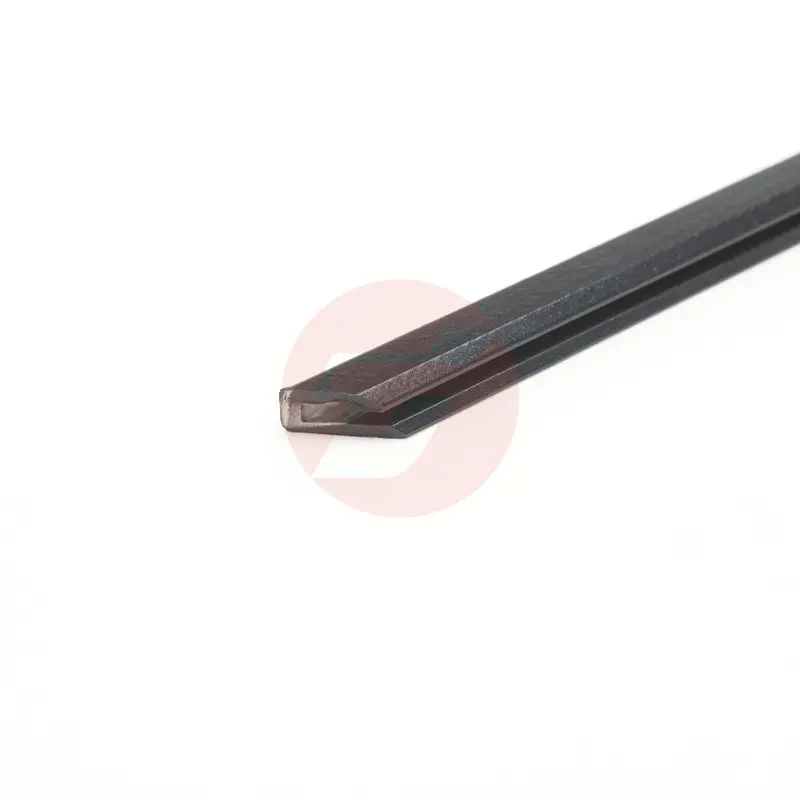
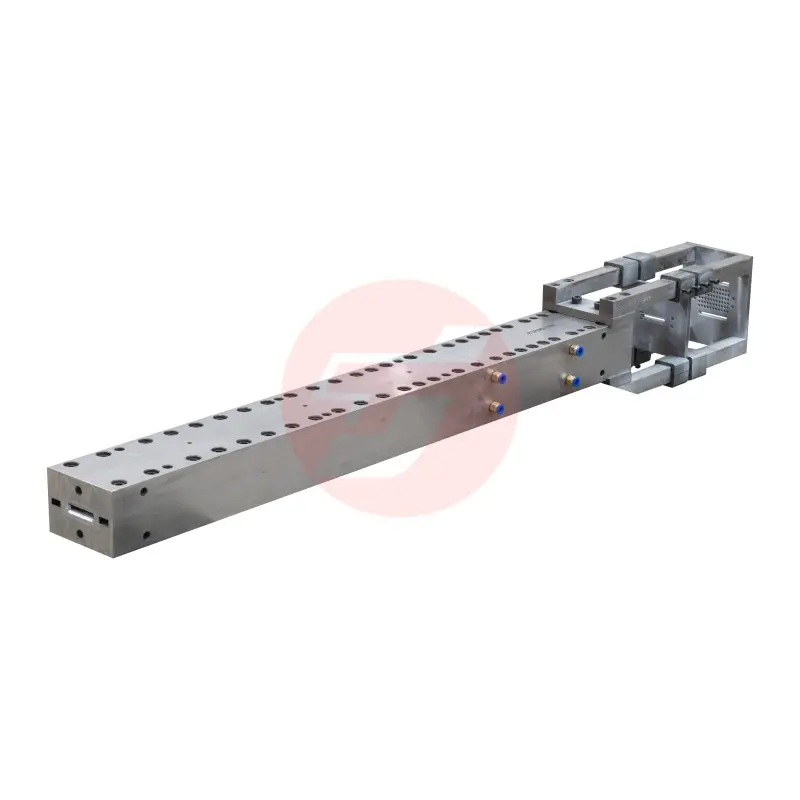
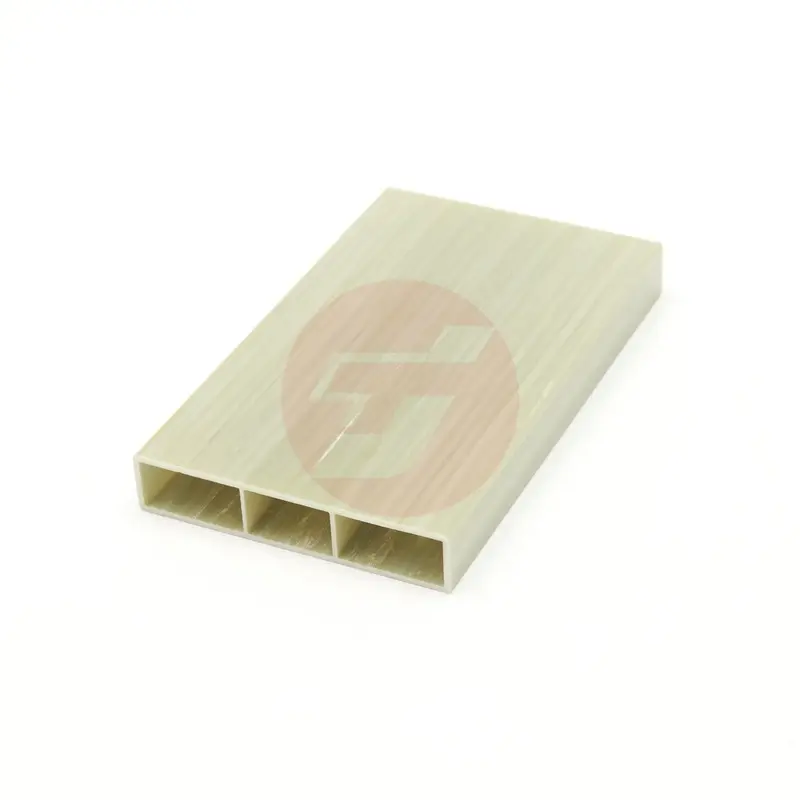
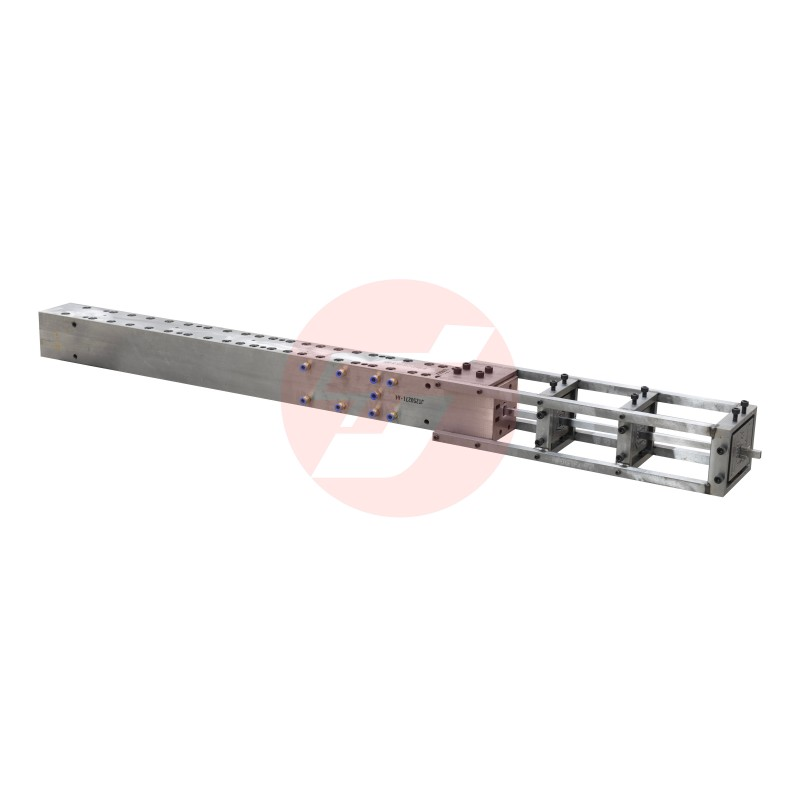
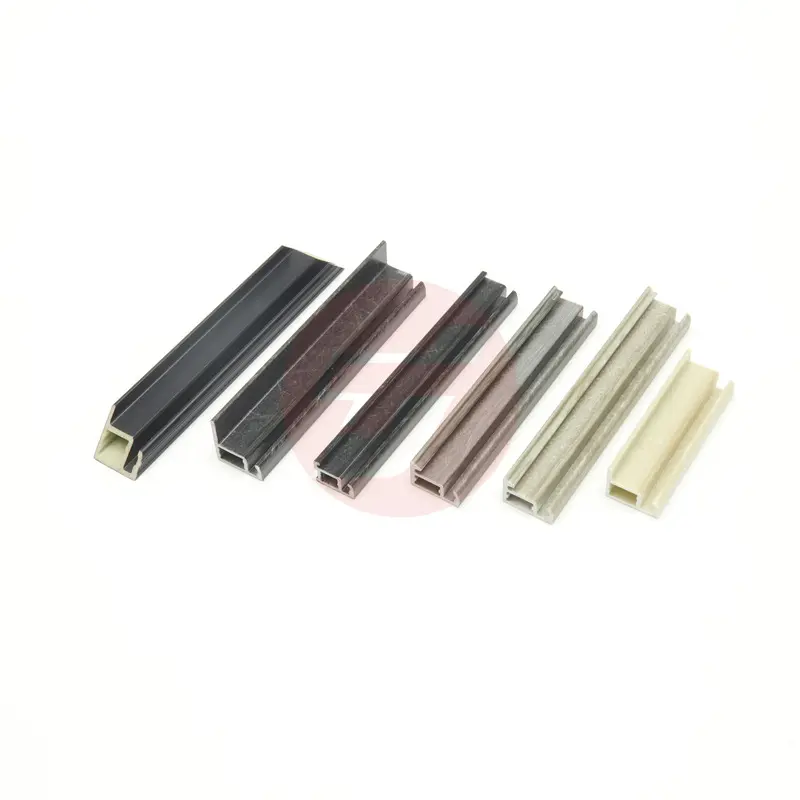
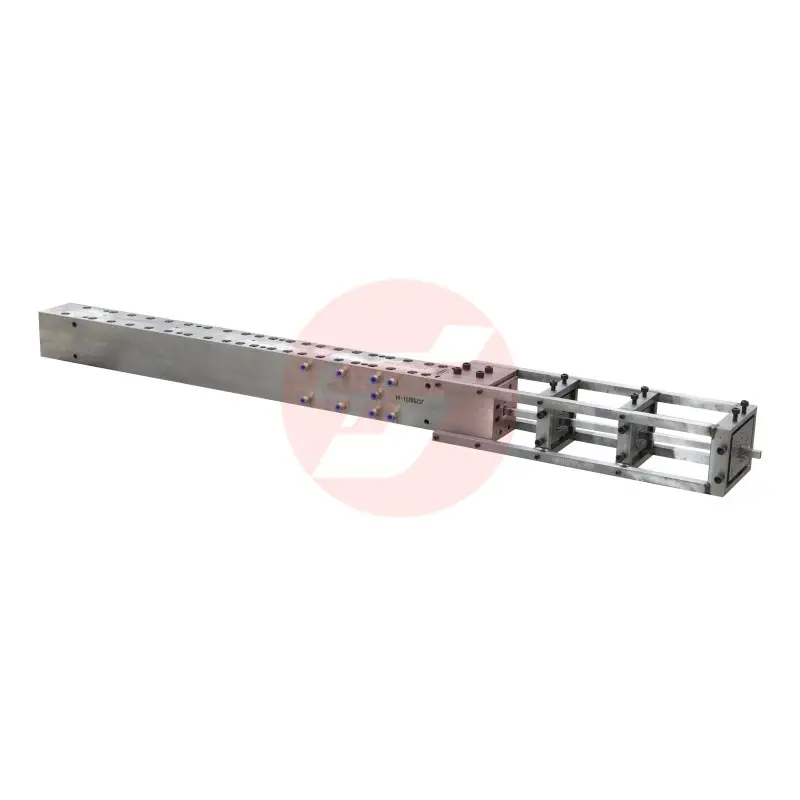
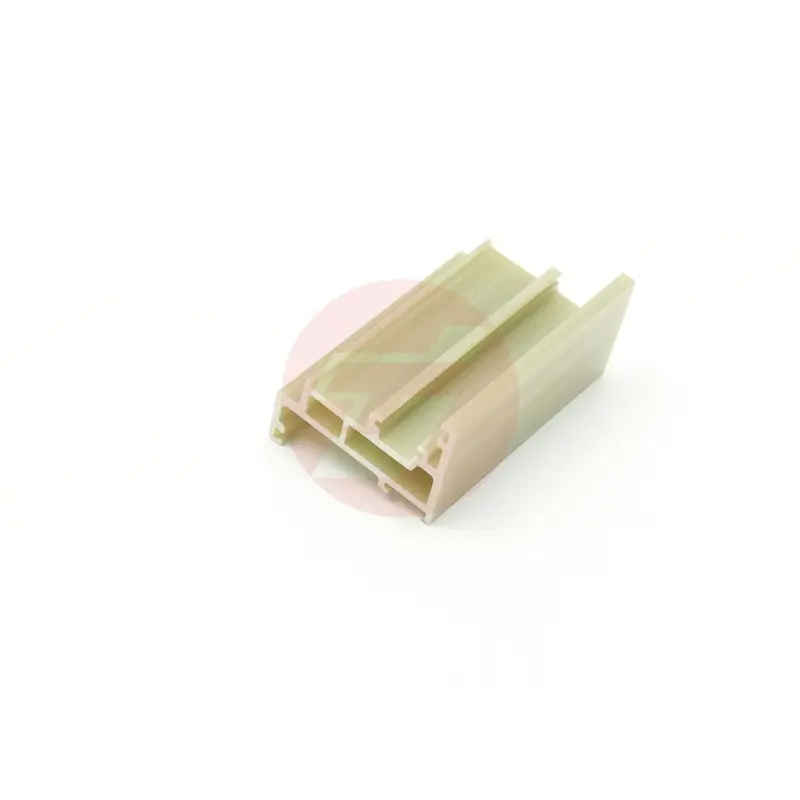
Pultrusion mold supply represents a critical component in the manufacturing ecosystem of composite materials, serving as the foundation for creating high-strength, lightweight products across diverse industries. This specialized equipment enables manufacturers to produce continuous fiber-reinforced plastic profiles through a controlled heating and curing process. The pultrusion mold supply system encompasses precision-engineered dies, heating elements, and cooling mechanisms that work together to transform raw materials into finished composite products. Modern pultrusion mold supply solutions incorporate advanced temperature control systems that maintain optimal curing conditions throughout the production cycle. These molds feature sophisticated heating zones that can be independently controlled, allowing manufacturers to achieve precise thermal profiles for different composite formulations. The technological framework includes integrated sensors that monitor temperature distribution, pressure levels, and material flow rates in real-time. Contemporary pultrusion mold supply systems utilize computer-controlled heating elements that ensure uniform heat distribution across the entire mold cavity. The main functions extend beyond simple heating to include precise material guidance, pressure application, and dimensional control. These molds accommodate various fiber types including glass, carbon, and aramid fibers, combined with thermoset or thermoplastic resin systems. Applications span multiple sectors including construction, transportation, infrastructure, and renewable energy. In the construction industry, pultrusion mold supply enables production of structural beams, handrails, and architectural elements. Transportation applications include automotive components, marine structures, and aerospace parts. The infrastructure sector utilizes these molds for creating utility poles, bridge components, and pedestrian walkways. Renewable energy applications encompass wind turbine components and solar panel frames. The versatility of pultrusion mold supply makes it indispensable for manufacturers seeking to produce consistent, high-quality composite profiles with excellent mechanical properties and dimensional accuracy.


Popular Products

The pultrusion mold supply delivers exceptional value through multiple practical benefits that directly impact manufacturing efficiency and product quality. First, these specialized molds provide superior dimensional accuracy, ensuring that finished products meet exact specifications consistently. This precision eliminates costly rework and material waste, directly improving profitability for manufacturers. The advanced heating technology integrated into modern pultrusion mold supply systems creates uniform temperature distribution, resulting in complete resin curing and optimal mechanical properties in finished products. Manufacturers benefit from reduced cycle times as these molds heat up quickly and maintain stable temperatures throughout production runs. The energy-efficient design of contemporary pultrusion mold supply solutions reduces operational costs by minimizing power consumption while maintaining optimal performance levels. These systems feature modular construction that allows for easy maintenance and component replacement, reducing downtime and extending equipment life. The robust construction ensures long-term reliability, providing manufacturers with consistent production capabilities over many years. Pultrusion mold supply systems accommodate a wide range of product profiles, from simple shapes to complex geometries, offering flexibility for diverse manufacturing requirements. The automated control systems integrated into these molds reduce labor costs and human error while improving safety conditions for operators. Quality consistency represents another significant advantage, as the controlled environment within the pultrusion mold supply ensures repeatable results batch after batch. The corrosion-resistant materials used in mold construction provide longevity even when processing aggressive resin systems. Manufacturers appreciate the quick changeover capabilities that allow for efficient production of different product lines without extensive setup time. The scalable nature of pultrusion mold supply systems enables manufacturers to increase production capacity by adding additional molds to existing lines. Cost-effectiveness emerges through reduced material waste, lower energy consumption, and minimal maintenance requirements. The precision engineering of these molds results in smooth product surfaces that often eliminate secondary finishing operations. Environmental benefits include reduced emissions and waste generation compared to alternative manufacturing processes. The versatility of pultrusion mold supply allows manufacturers to explore new market opportunities and expand their product offerings without significant capital investment in alternative equipment.

Practical Tips

How to Evaluate the Quality of Glass Fiber Pultrusion Molds?

29

Dec

How to Evaluate the Quality of Glass Fiber Pultrusion Molds?

Manufacturing high-quality composite products requires precise tooling, and glass fiber pultrusion molds serve as the foundation for successful pultrusion processes. These specialized molds determine the dimensional accuracy, surface finish, and over...
View More
How Does Polyurethane Enhance Performance in Pultruded Components?

05

Jan

How Does Polyurethane Enhance Performance in Pultruded Components?

The construction and manufacturing industries are constantly seeking materials that deliver superior performance while maintaining cost-effectiveness. Polyurethane pultrusion has emerged as a revolutionary process that combines the excellent properti...
View More
How Do Pultrusion Molds Enhance Durability in Solar Frame Manufacturing?

05

Jan

How Do Pultrusion Molds Enhance Durability in Solar Frame Manufacturing?

Solar frame manufacturing has undergone significant technological advancement in recent years, with pultrusion molds emerging as a critical component in producing durable, high-performance photovoltaic frames. The integration of advanced pultrusion t...
View More
How to Maintain Carbon Fiber Pultrusion Molds for Long-Term Stability?

13

Feb

How to Maintain Carbon Fiber Pultrusion Molds for Long-Term Stability?

Carbon fiber pultrusion molds represent one of the most critical components in manufacturing high-performance composite materials for industries ranging from aerospace to renewable energy. These precision-engineered tools require meticulous maintenan...
View More

Get a Free Quote

A professional manufacturer of composite material molds.
Email
WhatsApp
Name
Company Name
Message
0/1000
Attachment
Please upload at least an attachment
Up to 3 files,more 30mb,suppor jpg、jpeg、png、pdf、doc、docx、xls、xlsx、csv、txt

pultrusion mold supply

Advanced Temperature Control Technology

Advanced Temperature Control Technology

The advanced temperature control technology integrated into modern pultrusion mold supply systems represents a breakthrough in composite manufacturing precision. This sophisticated thermal management system utilizes multiple heating zones that can be independently controlled and monitored, ensuring optimal curing conditions for different composite formulations. Each heating zone features precision-engineered heating elements that distribute heat uniformly across the mold surface, eliminating hot spots and cold zones that could compromise product quality. The control system incorporates advanced algorithms that automatically adjust heating parameters based on real-time feedback from integrated temperature sensors. This intelligent temperature management ensures that resin systems achieve complete crosslinking while preventing overheating that could degrade fiber properties. The technology enables manufacturers to process a wide range of resin systems, from fast-curing polyesters to high-performance epoxies, by simply adjusting the thermal profile. The rapid heating capabilities reduce cycle times significantly, allowing manufacturers to increase production throughput without compromising quality. Energy efficiency represents a major advantage of this technology, as the precision control eliminates unnecessary heating and reduces overall power consumption. The system features predictive heating algorithms that pre-heat specific zones based on production schedules, further optimizing energy usage. Safety features include automatic shutdown mechanisms that activate if temperatures exceed predetermined limits, protecting both equipment and operators. The temperature control technology also includes data logging capabilities that record thermal profiles for quality documentation and process optimization. Manufacturers can create custom heating profiles for different products and store them in the system memory for consistent reproduction. The technology supports gradual temperature ramping that prevents thermal shock to sensitive fiber reinforcements. Remote monitoring capabilities allow operators to track temperature performance from central control rooms, improving operational efficiency. This advanced temperature control technology in pultrusion mold supply systems ensures that manufacturers can achieve consistent product quality while maximizing production efficiency and minimizing operational costs.
Precision Engineering for Dimensional Accuracy

Precision Engineering for Dimensional Accuracy

The precision engineering incorporated into pultrusion mold supply systems ensures exceptional dimensional accuracy that meets the most stringent manufacturing requirements. This engineering excellence begins with computer-aided design processes that optimize mold geometry for specific product profiles while accounting for material shrinkage and thermal expansion. The manufacturing process utilizes advanced machining techniques including CNC milling and electrical discharge machining to achieve tolerances measured in thousandths of an inch. Surface finishing processes create smooth mold cavities that produce products with excellent surface quality, often eliminating the need for secondary finishing operations. The precision engineering extends to the alignment systems that ensure perfect registration between mold halves, preventing flash formation and dimensional variations. Specialized materials selected for mold construction exhibit excellent thermal stability and wear resistance, maintaining dimensional accuracy throughout extended production runs. The engineering design incorporates cooling channels strategically positioned to control thermal gradients and minimize warping during the curing process. Precision guide systems ensure consistent fiber placement and resin distribution throughout the mold cavity, contributing to uniform product properties. The mold design features adjustable components that allow for fine-tuning of dimensions to compensate for material variations or process changes. Quality control measures during mold manufacturing include coordinate measuring machine inspections that verify dimensional accuracy before delivery. The precision engineering encompasses not only the mold cavity but also the supporting structure that maintains alignment under production loads. Thermal expansion calculations ensure that mold dimensions remain accurate across the entire operating temperature range. The engineering design includes features that facilitate easy inspection and measurement of finished products directly from the mold. Ventilation systems are precisely positioned to remove air and volatiles without affecting product dimensions. The modular design approach allows for easy replacement of worn components without compromising overall dimensional accuracy. This precision engineering in pultrusion mold supply systems enables manufacturers to produce components that fit perfectly in assembly applications, reducing downstream manufacturing costs and improving end-product quality.
Versatile Production Capabilities

Versatile Production Capabilities

The versatile production capabilities of modern pultrusion mold supply systems enable manufacturers to address diverse market demands with a single equipment investment. This versatility begins with the ability to process multiple fiber types including glass, carbon, aramid, and natural fibers, each requiring specific handling characteristics and processing parameters. The mold design accommodates various fiber orientations from unidirectional to complex weaving patterns, allowing manufacturers to optimize mechanical properties for specific applications. Resin compatibility extends across thermoset systems including polyester, vinyl ester, epoxy, and phenolic resins, as well as emerging thermoplastic matrices. The flexibility to produce different cross-sectional profiles from simple rectangular shapes to complex geometries with internal cavities expands market opportunities significantly. Quick-change capabilities allow manufacturers to switch between different product lines efficiently, minimizing downtime and maximizing equipment utilization. The scalable design enables production of profiles ranging from small decorative elements to large structural beams by adjusting mold dimensions and heating capacity. Multi-cavity mold configurations increase production efficiency by manufacturing multiple smaller profiles simultaneously. The system accommodates various production speeds, from slow curing for thick-section parts to high-speed production for thin-walled components. Surface texture options built into the mold design create products with different aesthetic and functional characteristics without additional processing steps. The versatility extends to product length capabilities, with continuous production systems that can create virtually unlimited lengths or cut-to-length operations for specific requirements. Color integration capabilities allow for pigmented resin systems that eliminate painting or coating operations. The mold design supports various pulling mechanisms from hydraulic to caterpillar systems, optimizing force distribution for different product geometries. Additive manufacturing integration allows for rapid prototyping of new profile designs before committing to production tooling. Quality monitoring systems can be configured for different product requirements, ensuring appropriate inspection parameters for each application. This versatile production capability in pultrusion mold supply systems provides manufacturers with the flexibility to respond quickly to market changes while maintaining consistent quality standards across all product lines.

Get a Free Quote

A professional manufacturer of composite material molds.
Email
WhatsApp
Name
Company Name
Message
0/1000
Attachment
Please upload at least an attachment
Up to 3 files,more 30mb,suppor jpg、jpeg、png、pdf、doc、docx、xls、xlsx、csv、txt