Industrial Equipment Supports - Professional Vibration Control & Mounting Solutions

All Categories

Get a Free Quote

A professional manufacturer of composite material molds.
Email
WhatsApp
Name
Company Name
Message
0/1000
Attachment
Please upload at least an attachment
Up to 3 files,more 30mb,suppor jpg、jpeg、png、pdf、doc、docx、xls、xlsx、csv、txt

industrial equipment supports

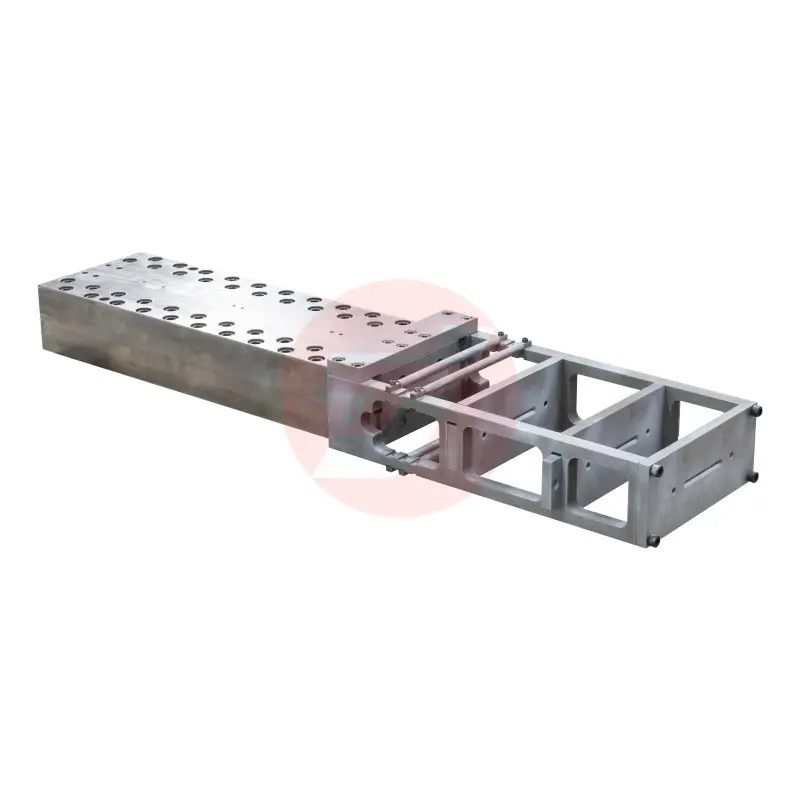
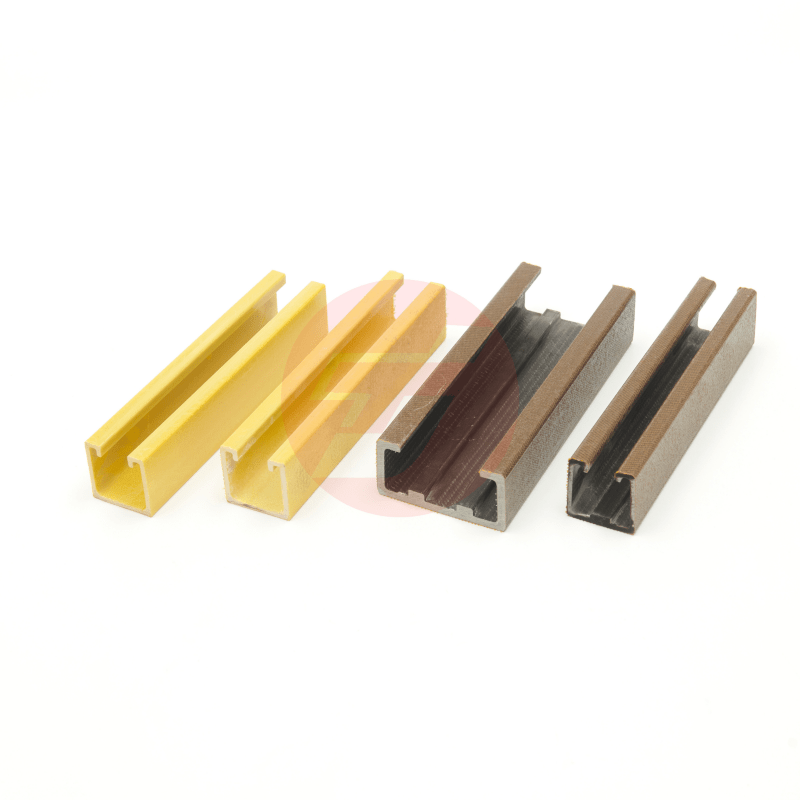
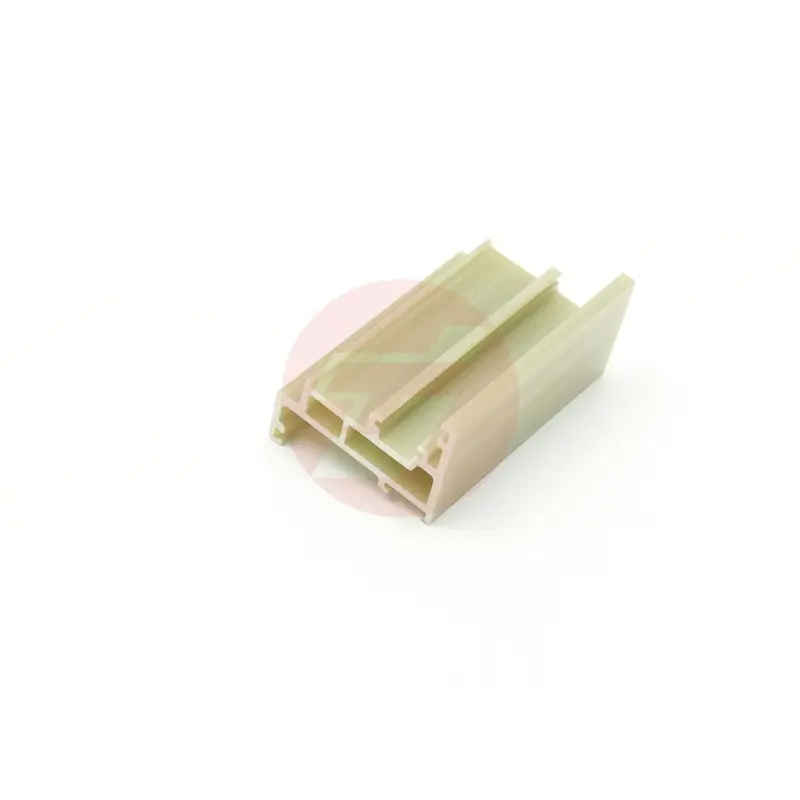
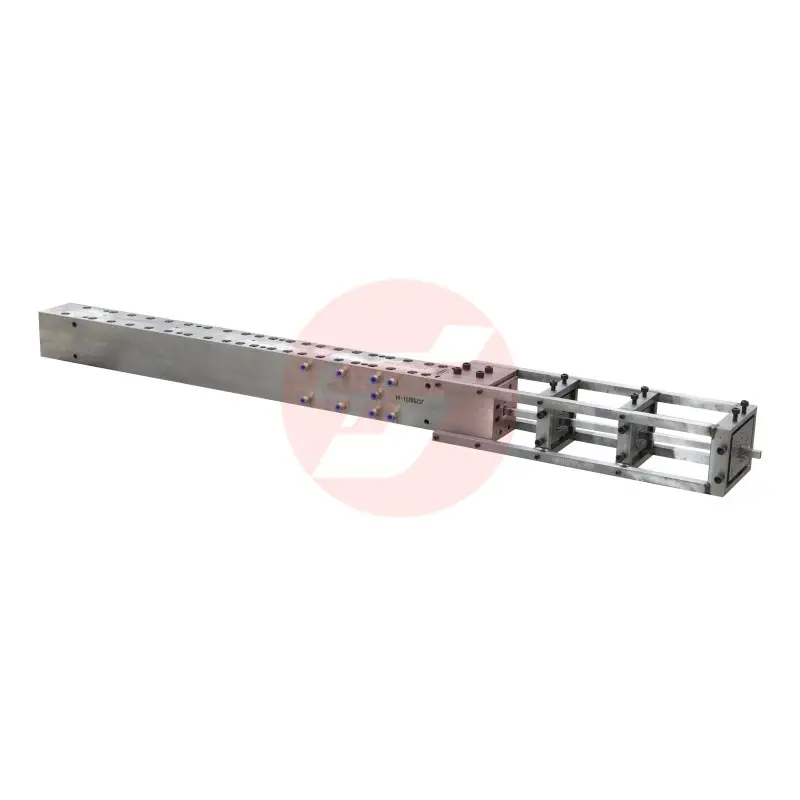
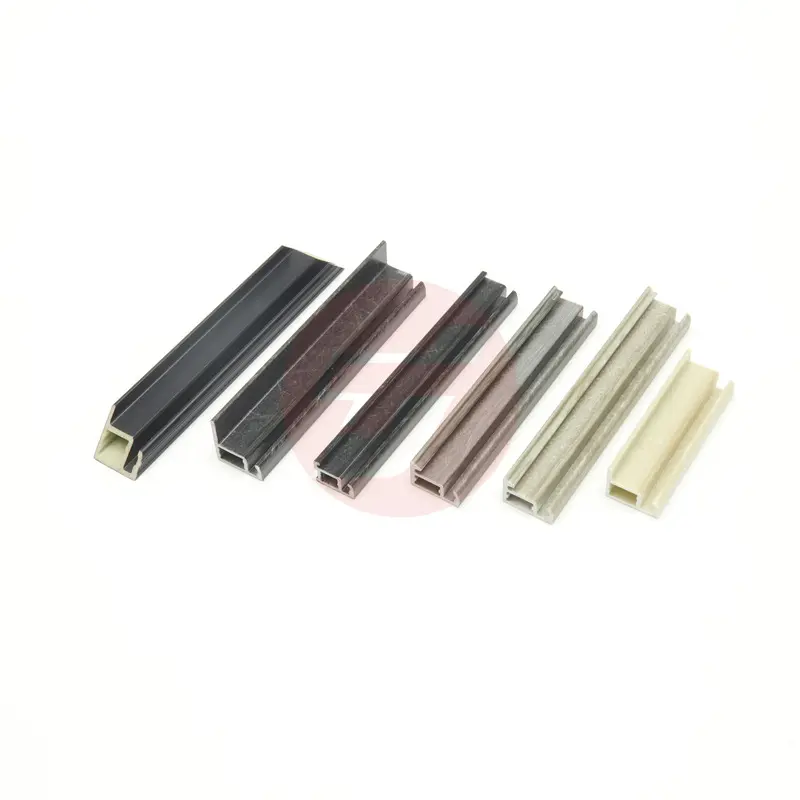
Industrial equipment supports represent critical infrastructure components that provide essential structural stability and operational reliability across manufacturing, processing, and heavy industry sectors. These specialized support systems encompass a comprehensive range of mounting brackets, vibration isolators, shock absorbers, adjustable pedestals, and custom-engineered foundations designed to secure heavy machinery and equipment in optimal operational positions. The primary function of industrial equipment supports involves distributing mechanical loads evenly while minimizing harmful vibrations that could compromise equipment performance or structural integrity. Modern industrial equipment supports incorporate advanced materials science and precision engineering to deliver superior load-bearing capacity, enhanced durability, and exceptional resistance to environmental factors including temperature fluctuations, chemical exposure, and moisture infiltration. These support systems utilize sophisticated dampening technologies that effectively isolate equipment from ground-transmitted vibrations while simultaneously preventing the transmission of machine-generated vibrations to surrounding structures. The technological features of contemporary industrial equipment supports include modular designs that facilitate easy installation and maintenance, corrosion-resistant coatings that extend service life, and adjustable height mechanisms that accommodate precise equipment alignment requirements. Many industrial equipment supports incorporate elastomeric materials or spring-loaded mechanisms that provide active vibration control while maintaining structural stability under dynamic loading conditions. The applications for industrial equipment supports span numerous industries including automotive manufacturing, pharmaceutical production, food processing, petrochemical refineries, power generation facilities, and precision machining operations. These systems prove indispensable for supporting pumps, compressors, generators, CNC machines, conveyor systems, and various processing equipment where operational precision and reliability remain paramount concerns for maintaining productivity and safety standards.

Popular Products

Industrial equipment supports deliver substantial operational benefits that directly impact manufacturing efficiency, equipment longevity, and workplace safety standards. The most significant advantage involves dramatic vibration reduction, which prevents premature wear on sensitive mechanical components while maintaining precise tolerances required for quality production processes. Companies implementing proper industrial equipment supports typically experience 40-60% reduction in maintenance costs due to decreased component fatigue and extended equipment lifespan. The enhanced stability provided by professional-grade industrial equipment supports ensures consistent product quality by eliminating vibration-induced variations in manufacturing processes, particularly crucial for precision machining and assembly operations. These support systems offer exceptional adaptability through adjustable mounting configurations that accommodate equipment modifications, facility relocations, or production line reconfigurations without requiring complete reinstallation. The noise reduction capabilities of advanced industrial equipment supports create more comfortable working environments while ensuring compliance with occupational health and safety regulations regarding noise exposure limits. Installation flexibility represents another key advantage, as modern industrial equipment supports feature modular components that simplify mounting procedures and reduce installation time by up to 50% compared to traditional concrete foundations. The cost-effectiveness of industrial equipment supports becomes evident through reduced foundation requirements, as these systems often eliminate the need for expensive concrete pads while providing superior performance characteristics. Maintenance accessibility improves significantly with properly designed industrial equipment supports that elevate equipment to optimal service heights and provide clear access to critical components for routine inspections and repairs. The corrosion resistance of quality industrial equipment supports ensures long-term reliability in challenging environments, reducing replacement frequency and associated downtime costs. Energy efficiency benefits emerge from reduced vibration transmission, which minimizes energy losses in rotating equipment and improves overall system performance. The quick installation process of pre-engineered industrial equipment supports minimizes production disruptions during equipment setup or facility modifications, allowing businesses to maintain operational continuity while implementing necessary infrastructure improvements.

Latest News

How Can Carbon Fiber Pultrusion Reduce Manufacturing Costs for B2B Buyers?

29

Dec

How Can Carbon Fiber Pultrusion Reduce Manufacturing Costs for B2B Buyers?

Manufacturing costs continue to challenge B2B buyers across industries, driving the need for innovative production methods that deliver superior performance while maintaining economic efficiency. Carbon fiber pultrusion has emerged as a transformativ...
View More
What Advantages Do Glass Fiber Pultruded Products Offer in Construction?

29

Dec

What Advantages Do Glass Fiber Pultruded Products Offer in Construction?

Construction professionals are increasingly turning to advanced composite materials to meet the demanding requirements of modern infrastructure projects. Among these innovative solutions, glass fiber pultruded products have emerged as a superior alte...
View More
Why Do Wind Turbine OEMs Prefer High-Accuracy Carbon Fiber Beam Molds?

05

Jan

Why Do Wind Turbine OEMs Prefer High-Accuracy Carbon Fiber Beam Molds?

The wind energy sector has experienced unprecedented growth as global demand for renewable energy solutions continues to surge. Original Equipment Manufacturers (OEMs) in the wind turbine industry face increasing pressure to deliver high-performance,...
View More
What Factors Determine the Lifespan of Carbon Fiber Pultruded Products?

13

Feb

What Factors Determine the Lifespan of Carbon Fiber Pultruded Products?

Carbon fiber pultrusion represents one of the most advanced manufacturing processes for creating high-performance composite materials with exceptional strength-to-weight ratios. This innovative technique produces continuous fiber-reinforced profiles ...
View More

Get a Free Quote

A professional manufacturer of composite material molds.
Email
WhatsApp
Name
Company Name
Message
0/1000
Attachment
Please upload at least an attachment
Up to 3 files,more 30mb,suppor jpg、jpeg、png、pdf、doc、docx、xls、xlsx、csv、txt

industrial equipment supports

Advanced Vibration Control Technology

Advanced Vibration Control Technology

The sophisticated vibration control technology integrated into modern industrial equipment supports represents a revolutionary advancement in machinery stabilization and operational efficiency. This cutting-edge technology employs multi-layered dampening systems that combine elastomeric materials, precision-engineered spring mechanisms, and hydraulic dampeners to create an exceptionally effective vibration isolation barrier. The advanced dampening materials utilize specially formulated rubber compounds and viscoelastic polymers that maintain their dampening properties across wide temperature ranges while resisting degradation from oils, chemicals, and environmental contaminants commonly found in industrial settings. The spring-loaded components feature carefully calculated spring rates that provide optimal isolation frequencies for specific equipment types, ensuring maximum vibration reduction without compromising structural stability or equipment alignment. These industrial equipment supports incorporate resonance-tuned dampening systems that automatically adjust their response characteristics based on operational frequencies, effectively neutralizing both low-frequency ground vibrations and high-frequency machine-generated oscillations. The hydraulic dampening elements provide additional control over transient vibrations and shock loads that occur during equipment startup, shutdown, or sudden load changes, protecting sensitive components from potentially damaging impulse forces. This comprehensive vibration control approach delivers measurable improvements in equipment performance, including increased bearing life, reduced maintenance requirements, and enhanced precision in manufacturing processes. The technology proves particularly valuable for sensitive equipment such as coordinate measuring machines, laser cutting systems, and precision balancing equipment where even minimal vibrations can compromise operational accuracy. The economic benefits of this advanced vibration control technology extend beyond equipment protection to include improved product quality, reduced scrap rates, and enhanced workplace comfort through significant noise reduction.
Modular Design and Installation Flexibility

Modular Design and Installation Flexibility

The innovative modular design philosophy behind contemporary industrial equipment supports revolutionizes equipment installation processes by providing unprecedented flexibility, efficiency, and cost-effectiveness for industrial facility planning and management. This modular approach utilizes standardized components that can be configured in virtually unlimited combinations to accommodate diverse equipment requirements, facility constraints, and operational specifications. The component standardization eliminates the need for custom fabrication in most applications, significantly reducing lead times from weeks to days while maintaining superior performance characteristics. Each modular element undergoes rigorous quality control testing to ensure consistent performance and compatibility across the entire product range, providing engineers and facility managers with confidence in system reliability and long-term performance. The installation flexibility inherent in modular industrial equipment supports allows for rapid reconfiguration as production requirements change, equipment upgrades occur, or facility layouts require modification. This adaptability proves invaluable for manufacturers operating in dynamic markets where production flexibility directly impacts competitive advantage and profitability. The modular components feature precision-machined interfaces that ensure accurate alignment and secure connections without requiring specialized installation tools or extensive technical expertise. Installation time reductions of 50-70% compared to traditional mounting methods result from the pre-engineered nature of modular industrial equipment supports, allowing businesses to minimize production downtime during equipment installation or relocation projects. The economic advantages extend beyond installation savings to include reduced inventory requirements, as standardized components can serve multiple applications throughout a facility. Maintenance benefits emerge from the modular design approach, as individual components can be serviced or replaced without disturbing the entire support system, minimizing maintenance downtime and associated costs. The scalability of modular industrial equipment supports accommodates future expansion needs, allowing businesses to invest in support infrastructure that grows with their operational requirements rather than requiring complete system replacement as needs evolve.
Superior Load Distribution and Structural Integrity

Superior Load Distribution and Structural Integrity

The exceptional load distribution capabilities and structural integrity features of professional-grade industrial equipment supports provide critical foundation stability that ensures optimal equipment performance while protecting valuable machinery investments from structural stress and premature failure. These support systems employ advanced engineering principles to distribute concentrated equipment loads across broader foundation areas, significantly reducing point loading that could cause foundation settlement, cracking, or structural damage over time. The load distribution technology utilizes precision-engineered base plates, load-spreading frames, and reinforcement structures that effectively transfer equipment weights and dynamic forces to building structures in a controlled, predictable manner. The structural integrity of these industrial equipment supports results from careful material selection, advanced metallurgy, and rigorous design validation that ensures performance under extreme loading conditions, including seismic events, thermal expansion cycles, and operational shock loads. High-strength steel construction with specialized alloy compositions provides exceptional resistance to fatigue, corrosion, and mechanical stress while maintaining dimensional stability under varying environmental conditions. The engineering design incorporates safety factors that exceed industry standards, ensuring reliable performance even under unexpected loading scenarios or equipment malfunctions that could impose unusual stress patterns. Dynamic load analysis capabilities built into the design process account for rotating equipment forces, reciprocating machinery effects, and transient loading conditions that occur during normal operations. The structural integrity features include redundant load paths that maintain system stability even if individual components experience wear or damage, providing fail-safe protection for critical equipment installations. Foundation compatibility represents another crucial aspect of superior load distribution, as these industrial equipment supports accommodate various foundation types including concrete slabs, steel frameworks, and composite structures without compromising performance. The long-term stability provided by proper load distribution prevents equipment misalignment, reduces bearing stress, and maintains critical clearances that ensure optimal operational efficiency throughout the equipment lifecycle. Economic benefits of superior structural integrity include reduced foundation requirements, lower installation costs, and minimal long-term maintenance needs compared to alternative mounting solutions.

Get a Free Quote

A professional manufacturer of composite material molds.
Email
WhatsApp
Name
Company Name
Message
0/1000
Attachment
Please upload at least an attachment
Up to 3 files,more 30mb,suppor jpg、jpeg、png、pdf、doc、docx、xls、xlsx、csv、txt