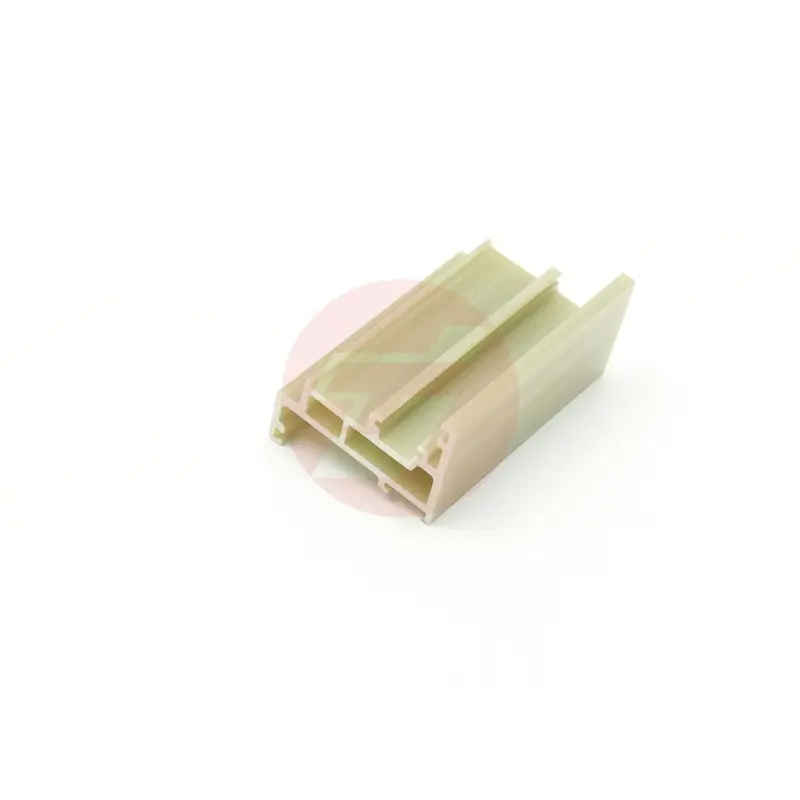
composite building windows and doors
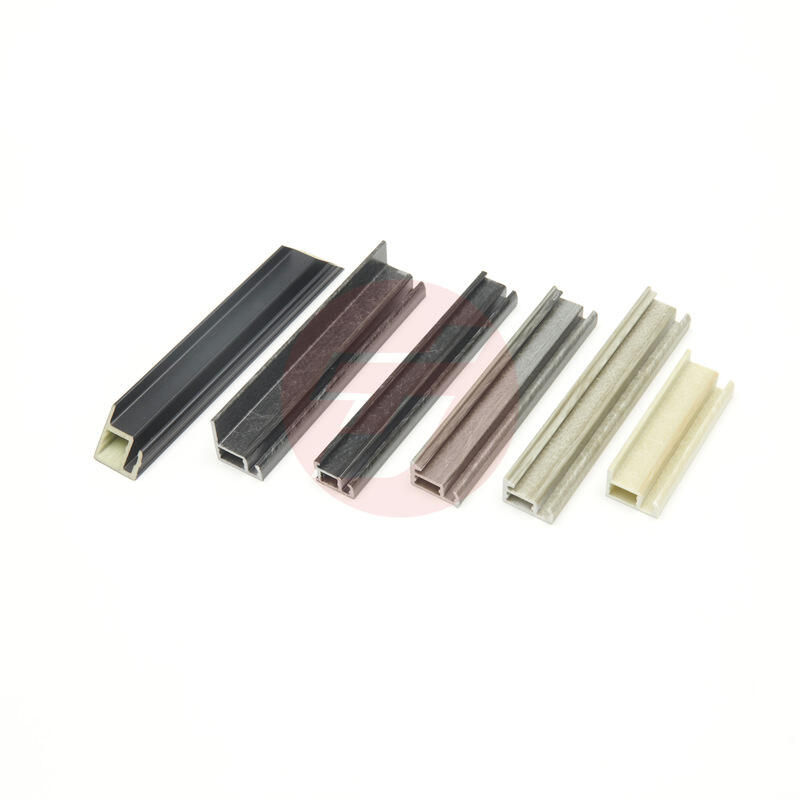
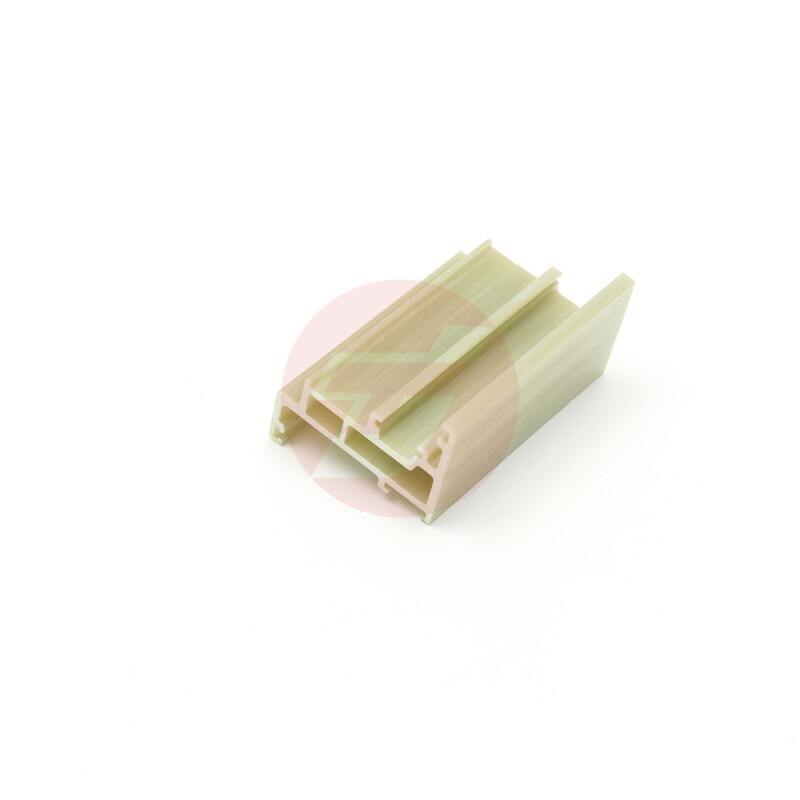
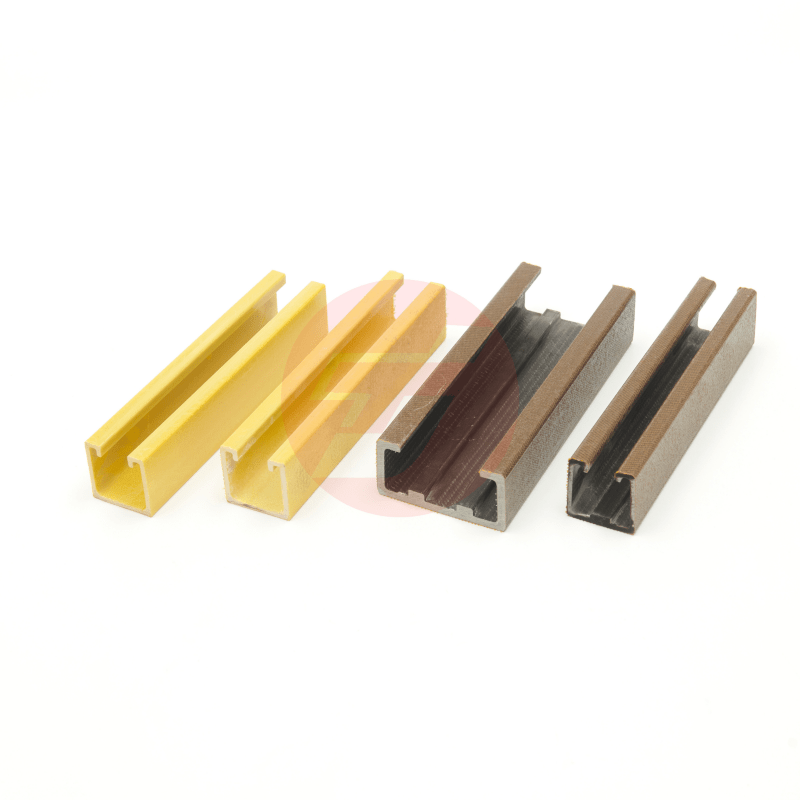
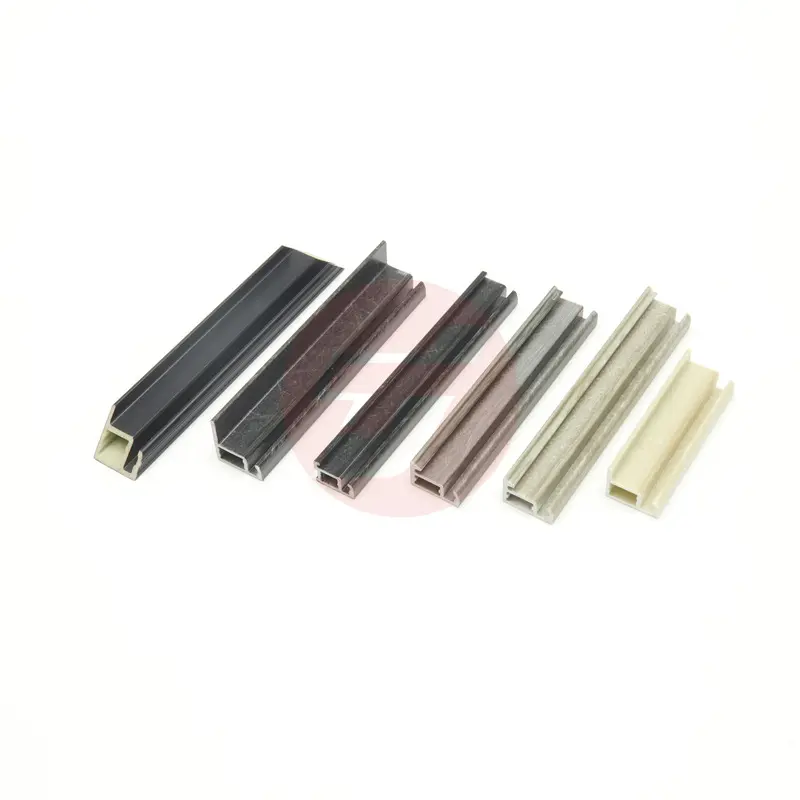
Composite building windows and doors represent a revolutionary advancement in modern construction technology, combining multiple materials to create superior fenestration solutions that outperform traditional single-material alternatives. These innovative products typically integrate materials such as fiberglass, vinyl, wood, aluminum, and advanced polymers to harness the best properties of each component while minimizing individual material weaknesses. The primary function of composite building windows and doors extends beyond basic environmental separation, providing comprehensive thermal insulation, weather resistance, security enhancement, and aesthetic versatility for residential and commercial applications. The technological features of composite building windows and doors include multi-chamber frame designs that create thermal breaks, preventing heat transfer and improving energy efficiency significantly. Advanced manufacturing processes enable precise engineering of frame profiles, incorporating features like drainage systems, weatherstripping channels, and hardware mounting points that ensure optimal performance throughout the product lifecycle. The glazing systems in composite building windows and doors accommodate various glass types, including low-emissivity coatings, argon gas fills, and triple-pane configurations that maximize thermal performance. Applications for composite building windows and doors span diverse construction projects, from luxury residential homes to large-scale commercial buildings, educational facilities, healthcare institutions, and government structures. These products excel in challenging environments where traditional materials might fail, including coastal regions with salt air exposure, areas with extreme temperature fluctuations, and buildings requiring enhanced security measures. The versatility of composite building windows and doors allows architects and builders to specify products that meet specific performance criteria while achieving desired aesthetic outcomes, making them increasingly popular in contemporary construction projects worldwide.

 EN
EN