Power Industry Composite Brackets - Advanced Electrical Mounting Solutions | Durable & Safe

All Categories

Get a Free Quote

A professional manufacturer of composite material molds.
Email
WhatsApp
Name
Company Name
Message
0/1000
Attachment
Please upload at least an attachment
Up to 3 files,more 30mb,suppor jpg、jpeg、png、pdf、doc、docx、xls、xlsx、csv、txt

power industry composite brackets

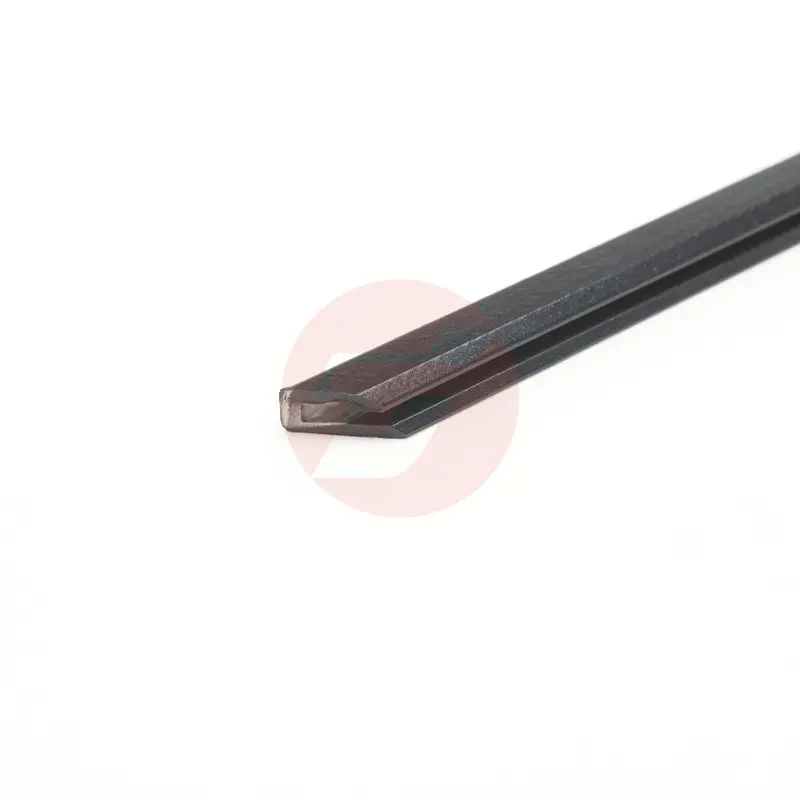
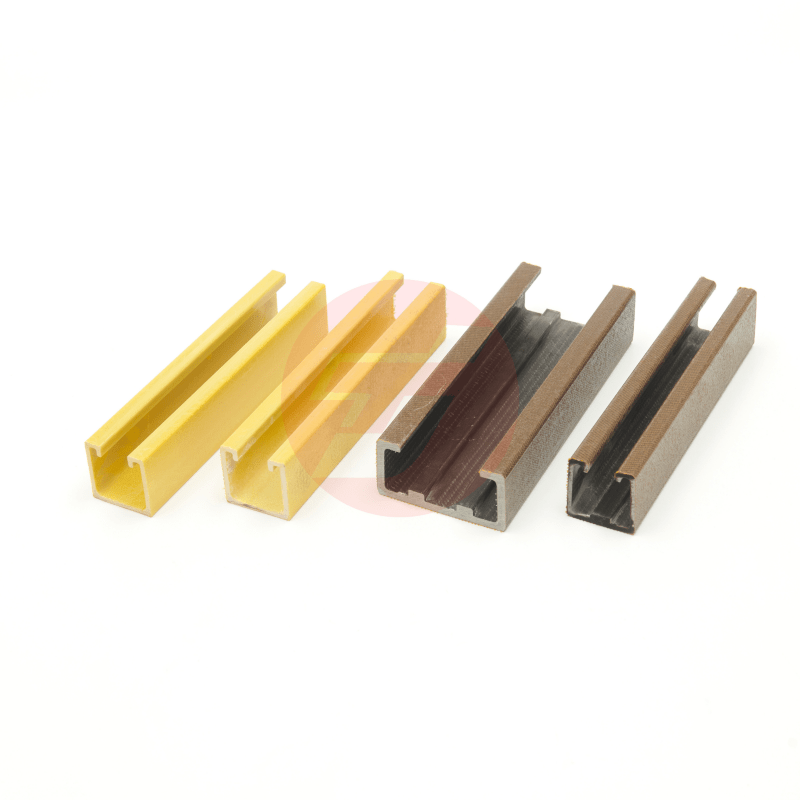
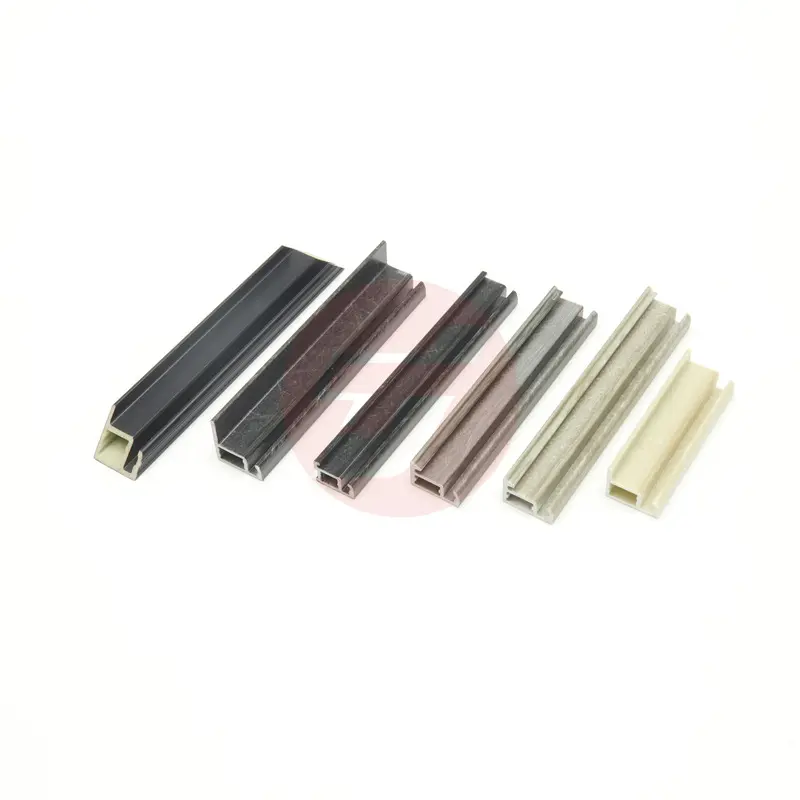
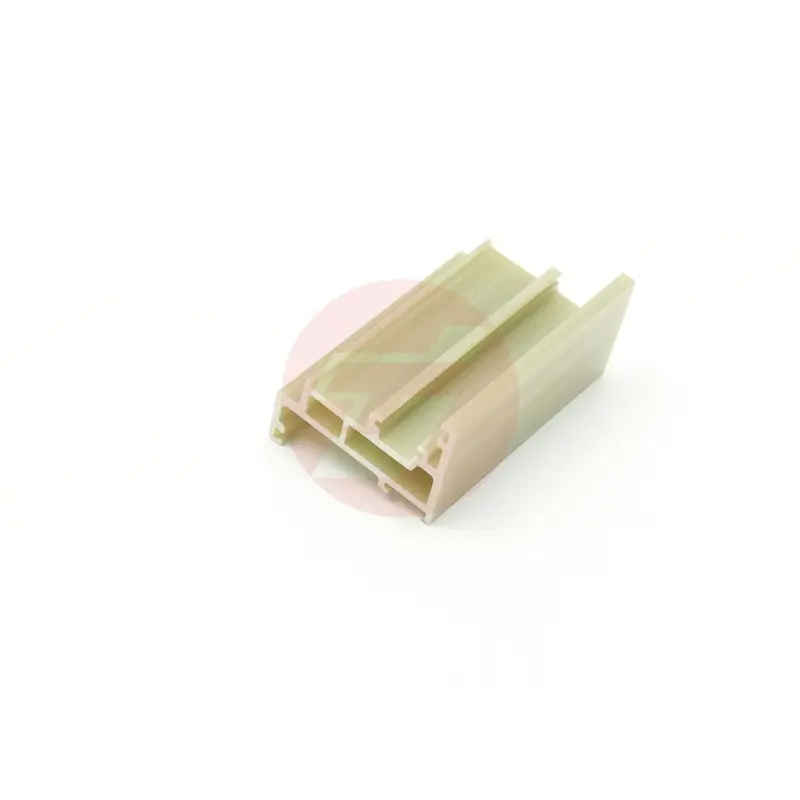
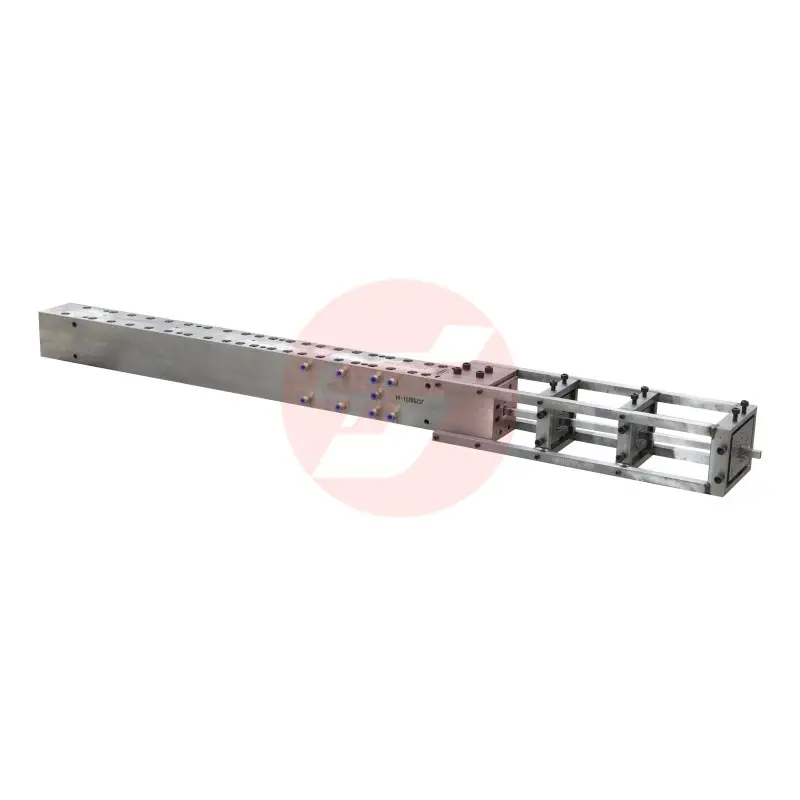
Power industry composite brackets represent a revolutionary advancement in electrical infrastructure support systems, designed to meet the demanding requirements of modern power transmission and distribution networks. These specialized mounting solutions combine advanced composite materials with precision engineering to deliver superior performance in challenging electrical environments. Power industry composite brackets serve as critical structural components that secure and position electrical equipment, conductors, and hardware throughout power generation facilities, substations, and transmission corridors. The primary functions of power industry composite brackets encompass electrical insulation, mechanical support, vibration dampening, and environmental protection for sensitive electrical components. Unlike traditional metallic brackets, these composite alternatives eliminate the risk of electrical conductivity while maintaining exceptional structural integrity under extreme loading conditions. The technological features of power industry composite brackets include high-strength fiber reinforcement, UV-resistant polymer matrices, flame-retardant properties, and customizable dimensional specifications. These brackets undergo rigorous testing protocols to ensure compliance with international electrical safety standards and mechanical performance requirements. Manufacturing processes utilize advanced pultrusion and molding techniques that create uniform material properties and consistent dimensional accuracy across production batches. Applications for power industry composite brackets span across multiple sectors including renewable energy installations, industrial power systems, commercial electrical infrastructure, and utility-scale transmission projects. Wind farms utilize these brackets to secure control panels and electrical enclosures against harsh weather conditions and electromagnetic interference. Solar installations benefit from the non-conductive properties when mounting inverters, combiner boxes, and monitoring equipment. Substations employ power industry composite brackets for supporting buswork, control circuits, and protective relaying systems where electrical isolation is paramount. The versatility of these mounting solutions extends to offshore platforms, mining operations, and chemical processing facilities where corrosive environments demand superior material resistance and long-term reliability.


New Product Releases

Power industry composite brackets deliver exceptional value through their superior electrical insulation properties, eliminating the safety risks associated with conductive metal mounting systems. These brackets prevent electrical faults and arc flash incidents by maintaining complete isolation between live electrical components and grounding systems. The non-conductive nature reduces maintenance requirements and extends service intervals, resulting in significant operational cost savings over the product lifecycle. Corrosion resistance stands as another major advantage, as power industry composite brackets withstand harsh environmental conditions without degradation. Salt spray, acidic atmospheres, and industrial chemicals cannot compromise the structural integrity or performance characteristics of these advanced materials. This resistance translates into longer service life, reduced replacement frequency, and lower total cost of ownership compared to traditional metallic alternatives. The lightweight design of power industry composite brackets simplifies installation procedures and reduces structural loading on supporting frameworks. Installation teams can handle these brackets more efficiently, reducing labor costs and project timelines while improving workplace safety. The reduced weight also enables larger bracket assemblies without exceeding structural load limits, providing greater design flexibility for engineers. Temperature stability represents a crucial advantage, as power industry composite brackets maintain their mechanical properties across wide temperature ranges without thermal expansion issues. This stability prevents loosening of connections and maintains precise positioning of electrical components throughout seasonal temperature variations. Fire-resistant formulations provide additional safety benefits by preventing flame propagation and reducing toxic gas emissions during emergency situations. Customization capabilities allow power industry composite brackets to be tailored for specific applications, accommodating unique dimensional requirements and loading conditions. Manufacturers can modify material compositions, reinforcement patterns, and geometric configurations to optimize performance for particular installations. This flexibility reduces the need for custom fabrication and enables standardized solutions across diverse applications. Electromagnetic transparency ensures that power industry composite brackets do not interfere with communication signals or electromagnetic fields generated by electrical equipment. This characteristic is particularly valuable in sensitive applications where signal integrity and measurement accuracy are critical for proper system operation and monitoring.

Tips And Tricks

How to Evaluate the Quality of Glass Fiber Pultrusion Molds?

29

Dec

How to Evaluate the Quality of Glass Fiber Pultrusion Molds?

Manufacturing high-quality composite products requires precise tooling, and glass fiber pultrusion molds serve as the foundation for successful pultrusion processes. These specialized molds determine the dimensional accuracy, surface finish, and over...
View More
Why Do Wind Turbine OEMs Prefer High-Accuracy Carbon Fiber Beam Molds?

05

Jan

Why Do Wind Turbine OEMs Prefer High-Accuracy Carbon Fiber Beam Molds?

The wind energy sector has experienced unprecedented growth as global demand for renewable energy solutions continues to surge. Original Equipment Manufacturers (OEMs) in the wind turbine industry face increasing pressure to deliver high-performance,...
View More
Which Applications Benefit Most From Carbon Fiber Pultruded Components?

13

Feb

Which Applications Benefit Most From Carbon Fiber Pultruded Components?

Carbon fiber pultruded components have revolutionized manufacturing across numerous industries, offering exceptional strength-to-weight ratios and superior durability compared to traditional materials. These advanced composite structures are created ...
View More
What Factors Determine the Lifespan of Carbon Fiber Pultruded Products?

13

Feb

What Factors Determine the Lifespan of Carbon Fiber Pultruded Products?

Carbon fiber pultrusion represents one of the most advanced manufacturing processes for creating high-performance composite materials with exceptional strength-to-weight ratios. This innovative technique produces continuous fiber-reinforced profiles ...
View More

Get a Free Quote

A professional manufacturer of composite material molds.
Email
WhatsApp
Name
Company Name
Message
0/1000
Attachment
Please upload at least an attachment
Up to 3 files,more 30mb,suppor jpg、jpeg、png、pdf、doc、docx、xls、xlsx、csv、txt

power industry composite brackets

Advanced Material Engineering for Unmatched Durability

Advanced Material Engineering for Unmatched Durability

Power industry composite brackets incorporate cutting-edge material science to deliver unparalleled durability in the most demanding electrical environments. The foundation of these brackets lies in their sophisticated fiber-reinforced polymer construction, which combines high-strength glass or carbon fibers with advanced thermosetting resins. This material combination creates a synergistic effect where the fibers provide tensile strength and stiffness, while the polymer matrix transfers loads between fibers and protects against environmental degradation. The manufacturing process utilizes precise fiber orientation patterns that optimize strength-to-weight ratios and ensure consistent mechanical properties throughout the bracket structure. Quality control measures include comprehensive material testing at multiple production stages, verifying fiber content, void ratios, and cure characteristics to guarantee performance reliability. The durability advantages of power industry composite brackets become evident through their resistance to fatigue loading, which is particularly important in applications subject to wind-induced vibrations or thermal cycling. Unlike metallic brackets that can develop stress concentrations and crack initiation points, the distributed load-carrying capability of composite materials prevents localized failure modes and extends service life significantly. Environmental durability testing demonstrates that power industry composite brackets maintain their structural properties after prolonged exposure to ultraviolet radiation, temperature extremes, and chemical exposure that would degrade conventional materials. The inherent stability of the polymer matrix prevents moisture absorption and dimensional changes that could compromise electrical clearances or mechanical connections. Long-term field performance data confirms that properly designed power industry composite brackets can achieve service lives exceeding 30 years with minimal maintenance requirements, making them ideal for critical infrastructure applications where reliability and longevity are essential. The advanced material engineering also enables these brackets to maintain their performance characteristics throughout their entire service life, without the gradual degradation patterns associated with metallic alternatives.
Superior Electrical Safety and Insulation Performance

Superior Electrical Safety and Insulation Performance

The electrical safety performance of power industry composite brackets represents a fundamental advancement in electrical infrastructure protection, providing absolute electrical isolation that eliminates the safety hazards associated with conductive mounting systems. These brackets achieve dielectric strength values exceeding industry requirements, maintaining electrical integrity even under fault conditions that would compromise traditional metallic supports. The inherent insulating properties eliminate the need for additional insulation barriers or clearance modifications, simplifying system design while enhancing safety margins. Arc tracking resistance ensures that power industry composite brackets will not develop conductive paths across their surfaces, even when subjected to contamination or electrical stress that could cause surface degradation on other materials. This characteristic is particularly valuable in polluted environments where salt deposits, industrial chemicals, or other contaminants could create electrical safety hazards on conductive surfaces. The electrical performance remains stable throughout the service life, without the degradation that can occur with organic insulating materials or the corrosion issues that affect metallic components. Power industry composite brackets also provide electromagnetic shielding benefits in sensitive applications where electromagnetic interference must be minimized to ensure proper operation of control and monitoring systems. The dielectric properties can be customized during manufacturing to achieve specific electrical characteristics required for particular applications, from high-voltage transmission systems to low-voltage control circuits. Testing protocols for electrical performance include wet power frequency withstand tests, impulse voltage tests, and long-term electrical aging studies that verify the sustained electrical integrity under real-world operating conditions. The safety benefits extend beyond basic electrical insulation to include reduced risk of electrical fires, elimination of stray current paths, and improved overall system reliability. Power industry composite brackets contribute to enhanced personnel safety by eliminating the shock and electrocution hazards associated with conductive mounting systems, particularly important during maintenance activities or emergency response situations.
Cost-Effective Lifecycle Value and Operational Benefits

Cost-Effective Lifecycle Value and Operational Benefits

Power industry composite brackets deliver exceptional lifecycle value through their combination of reduced maintenance requirements, extended service life, and operational efficiency improvements that significantly lower total ownership costs. The initial investment in these advanced mounting solutions is quickly recovered through elimination of routine maintenance activities such as cleaning, painting, corrosion treatment, and replacement of degraded metallic components. Maintenance cost reductions are particularly significant in harsh environments where conventional brackets require frequent attention to prevent corrosion-related failures or electrical safety hazards. The operational benefits of power industry composite brackets include improved system reliability through elimination of corrosion-related outages and reduced risk of equipment damage from bracket failures. Utility companies report measurable improvements in system availability and reduced emergency maintenance costs when upgrading to composite mounting systems. The lightweight characteristics reduce transportation costs and simplify logistics for both initial installation and future maintenance activities. Installation efficiency improvements result from the ease of handling and positioning lightweight composite brackets, enabling smaller crews to accomplish more work in shorter timeframes. Power industry composite brackets can be pre-assembled with electrical components, reducing field installation time and improving quality control through factory assembly procedures. The dimensional stability of composite materials ensures that connections remain tight and properly positioned throughout the service life, eliminating the need for periodic re-torquing that is required with metallic systems subject to thermal expansion and contraction cycles. Energy efficiency benefits arise from the elimination of eddy current losses that can occur with metallic brackets in high-current applications, contributing to overall system efficiency improvements. The predictable performance characteristics of power industry composite brackets enable more accurate lifecycle planning and budgeting, as replacement schedules can be based on design life rather than unpredictable failure patterns associated with corrosion or fatigue damage. Insurance and risk management benefits include reduced liability exposure from electrical safety hazards and improved coverage terms based on enhanced system reliability and reduced fire risk associated with non-conductive mounting systems.

Get a Free Quote

A professional manufacturer of composite material molds.
Email
WhatsApp
Name
Company Name
Message
0/1000
Attachment
Please upload at least an attachment
Up to 3 files,more 30mb,suppor jpg、jpeg、png、pdf、doc、docx、xls、xlsx、csv、txt