Superior Corrosion and Environmental Resistance
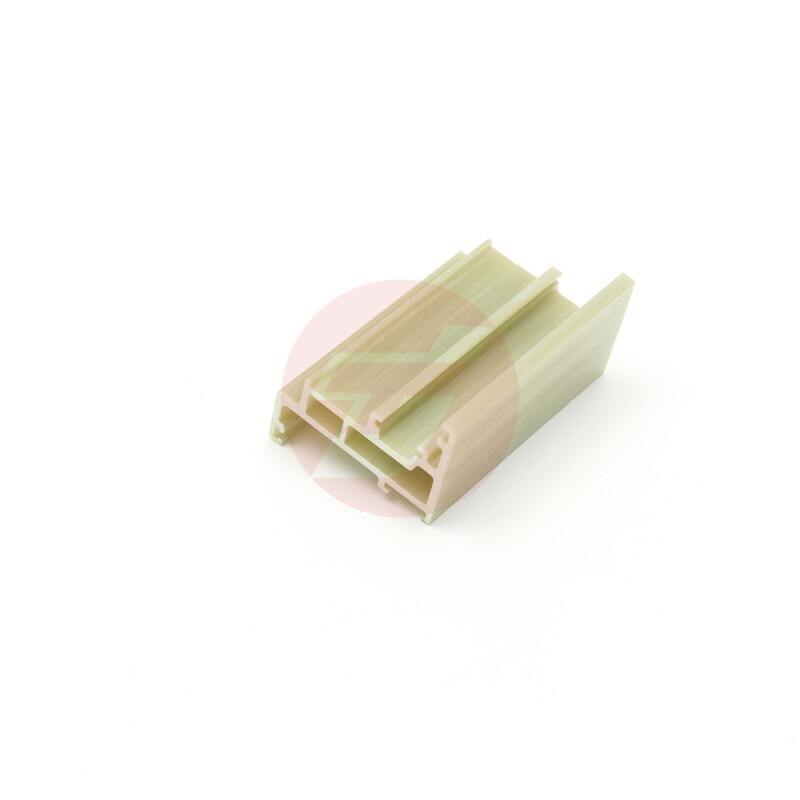
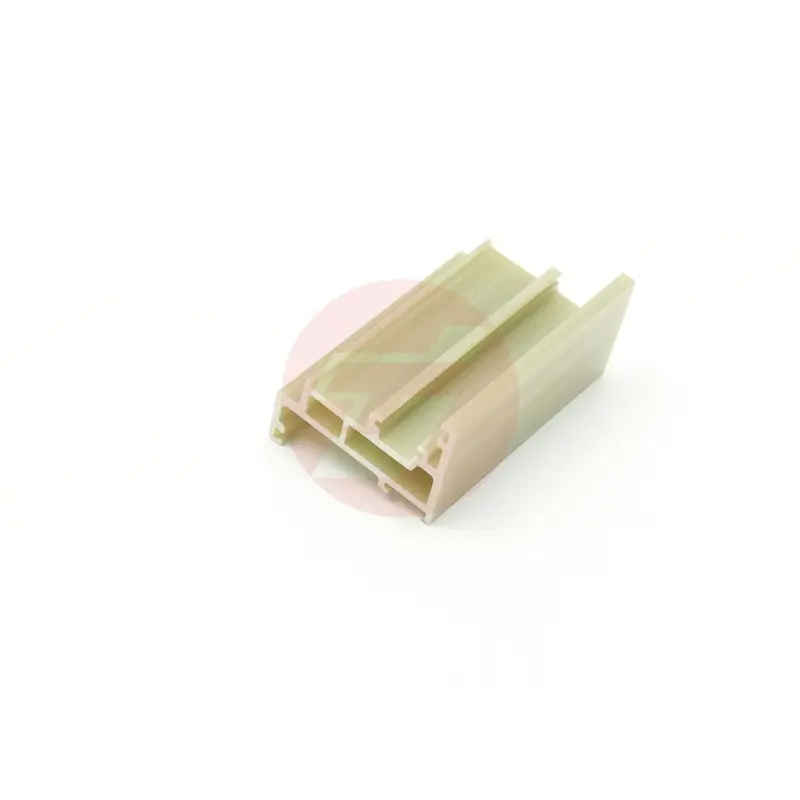
High modulus profiles exhibit exceptional resistance to corrosion and environmental degradation, delivering long-term performance that far exceeds traditional materials in challenging conditions. Unlike steel profiles that require protective coatings and regular maintenance to prevent rust and corrosion, high modulus profiles maintain their structural integrity and appearance for decades without significant deterioration. This resistance stems from their non-metallic composition or advanced protective systems that create impermeable barriers against moisture, chemicals, and atmospheric pollutants. Marine environments pose particular challenges for structural materials, with salt spray, constant moisture, and temperature cycling causing rapid degradation of conventional materials. High modulus profiles thrive in these conditions, maintaining their mechanical properties and dimensional stability even after years of exposure to harsh marine conditions. Chemical processing facilities benefit enormously from this resistance, as these profiles withstand exposure to acids, bases, solvents, and other aggressive chemicals that would quickly destroy traditional materials. The UV resistance of high modulus profiles prevents degradation from prolonged sun exposure, maintaining both structural integrity and aesthetic appearance without fading, chalking, or becoming brittle over time. This characteristic proves essential for outdoor applications such as building facades, bridges, and infrastructure components that face continuous solar radiation. Temperature cycling resistance ensures stable performance across seasonal variations and extreme weather conditions, preventing the thermal stress failures common in traditional materials. The non-conductive nature of many high modulus profiles provides additional environmental advantages, eliminating galvanic corrosion concerns when used with dissimilar metals and preventing electrical conductivity issues in sensitive applications. Maintenance requirements drop dramatically compared to conventional materials, eliminating the need for regular painting, coating replacement, or corrosion treatment programs. This reduction in maintenance translates to substantial cost savings over the service life of structures, often justifying higher initial material costs through reduced lifecycle expenses. Environmental sustainability improves through extended service life and reduced maintenance activities that minimize waste generation and resource consumption throughout the structure's operational period.
 EN
EN