Advanced Fire-Resistant Composites: Superior Protection, Performance, and Design Solutions

All Categories

Get a Free Quote

A professional manufacturer of composite material molds.
Email
WhatsApp
Name
Company Name
Message
0/1000
Attachment
Please upload at least an attachment
Up to 3 files,more 30mb,suppor jpg、jpeg、png、pdf、doc、docx、xls、xlsx、csv、txt

fire-resistant composites

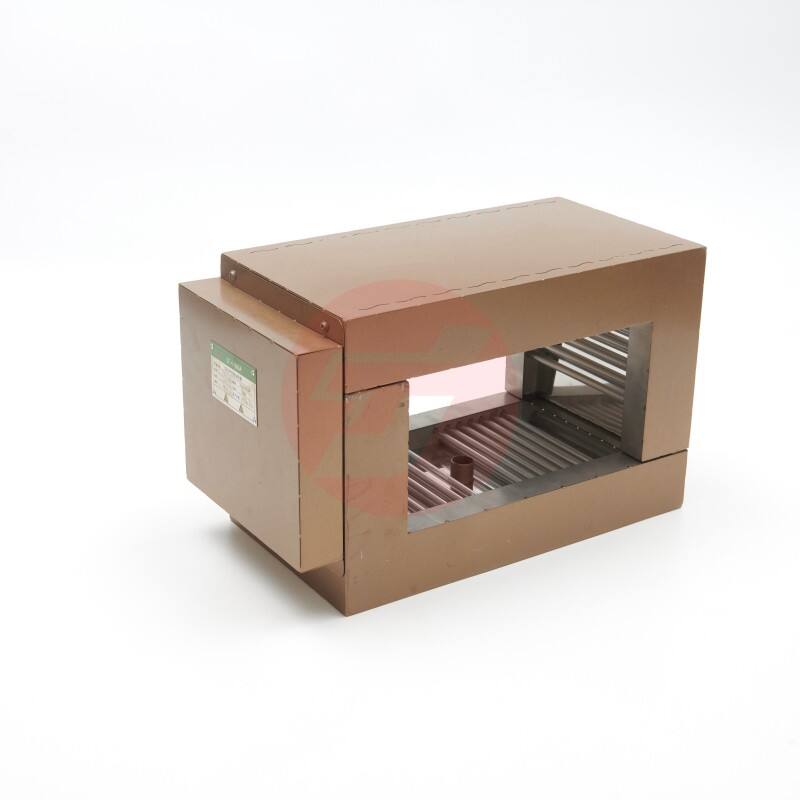
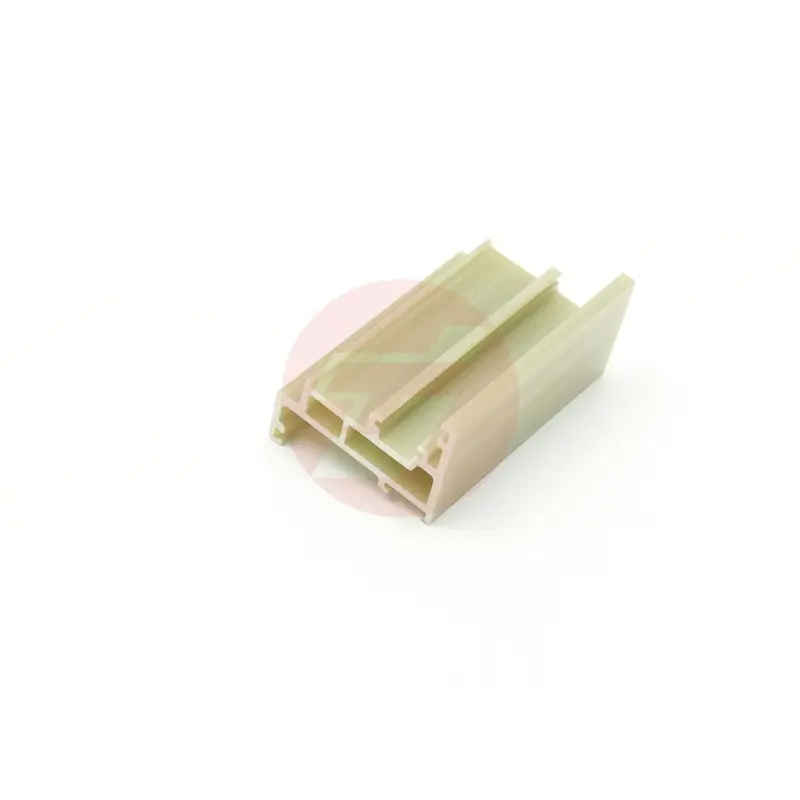
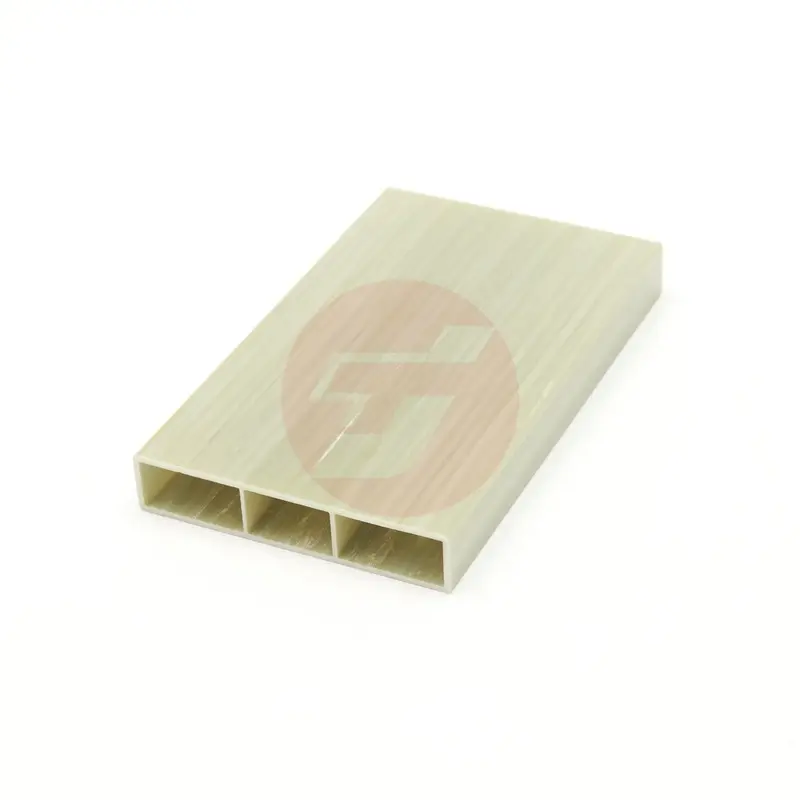
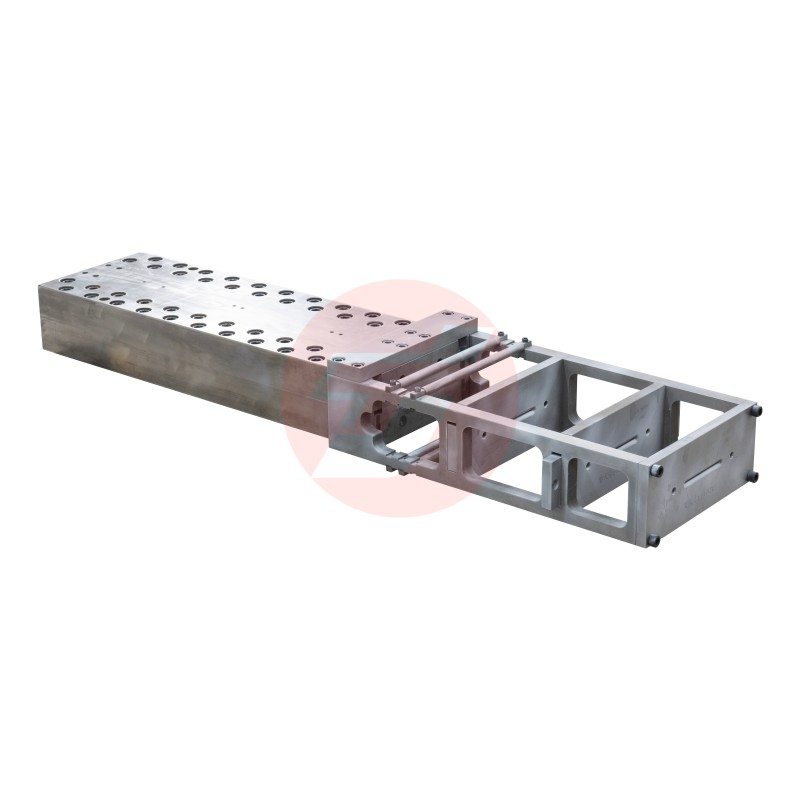
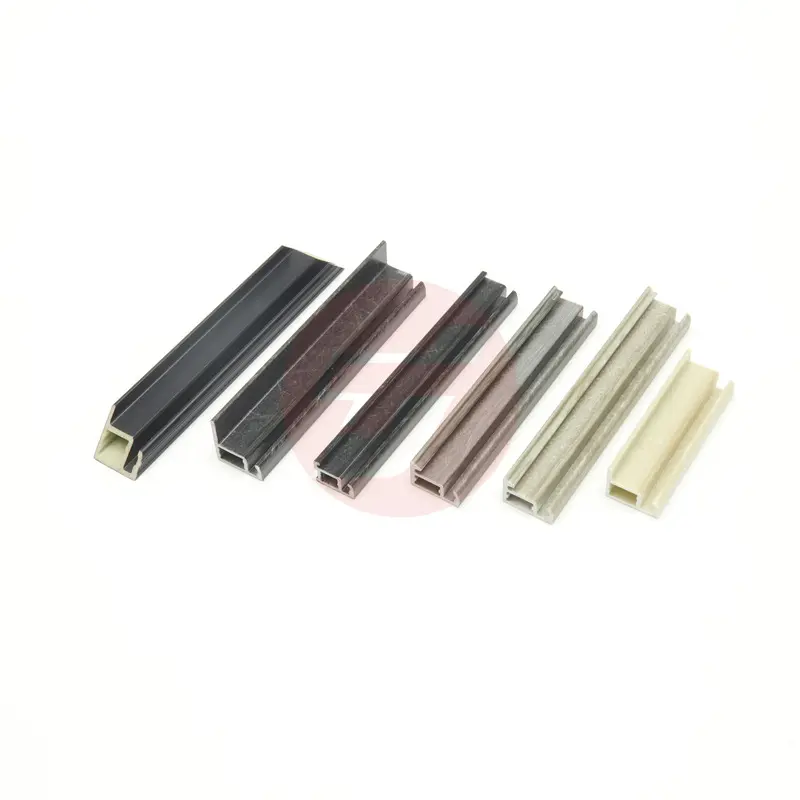
Fire-resistant composites represent a revolutionary advancement in materials engineering, combining the lightweight properties of traditional composites with exceptional flame retardancy and thermal protection capabilities. These sophisticated materials are engineered through the integration of specialized fibers, flame-retardant matrices, and innovative additives that work synergistically to prevent ignition, slow flame spread, and maintain structural integrity under extreme heat conditions. The primary function of fire-resistant composites centers on providing superior protection against fire hazards while delivering outstanding mechanical performance across diverse operating environments. These materials excel in applications where traditional materials fail, offering enhanced safety margins and extended operational lifespans in fire-prone environments. The technological features of fire-resistant composites encompass advanced fiber reinforcement systems, including glass, carbon, aramid, and ceramic fibers, embedded within flame-retardant polymer matrices such as phenolic, epoxy, or specialized thermoplastic resins. Manufacturing processes involve precise control of fiber orientation, resin distribution, and curing parameters to optimize both fire resistance and mechanical properties. Modern fire-resistant composites incorporate intumescent additives that expand when exposed to heat, creating protective char layers that insulate underlying structures. Applications for these materials span numerous industries, including aerospace, automotive, marine, construction, and industrial sectors. In aerospace applications, fire-resistant composites are utilized in aircraft interiors, engine components, and structural elements where weight reduction and fire safety are paramount. The automotive industry employs these materials in battery enclosures for electric vehicles, exhaust systems, and interior components to meet stringent fire safety regulations. Marine applications include hull construction, bulkheads, and deck structures where fire protection is critical for passenger safety. Construction applications encompass curtain walls, roofing systems, and structural panels that must comply with building fire codes while providing architectural flexibility and durability.


New Product Releases

Fire-resistant composites deliver substantial advantages that make them superior choices for safety-critical applications across multiple industries. These materials provide exceptional fire protection by significantly reducing flame spread rates and heat release, creating safer environments for personnel and equipment. When exposed to fire conditions, fire-resistant composites maintain their structural integrity longer than conventional materials, allowing more time for evacuation procedures and emergency response. The lightweight nature of these composites offers significant weight savings compared to traditional fire-resistant materials like steel or concrete, resulting in improved fuel efficiency in transportation applications and reduced structural loads in buildings. This weight reduction directly translates to cost savings in shipping, installation, and operational expenses throughout the material lifecycle. The superior strength-to-weight ratio of fire-resistant composites enables designers to create thinner, more efficient structures without compromising safety performance. These materials resist corrosion and chemical degradation better than metallic alternatives, reducing maintenance requirements and extending service life in harsh environments. Fire-resistant composites offer excellent design flexibility, allowing manufacturers to create complex shapes and integrated features that would be difficult or impossible with traditional materials. The customizable nature of composite manufacturing enables tailored solutions for specific fire resistance requirements and performance specifications. These materials provide superior thermal insulation properties, helping to protect sensitive equipment and personnel from heat exposure during fire events. The electrical insulation characteristics of many fire-resistant composites make them ideal for electrical applications where fire safety and electrical isolation are both required. Manufacturing processes for fire-resistant composites can be optimized for high-volume production, making them cost-effective solutions for large-scale applications. The dimensional stability of these materials under temperature variations ensures consistent performance and reduces the need for expansion joints and complex mounting systems. Fire-resistant composites contribute to sustainable construction practices by offering longer service lives, reducing replacement frequency, and enabling more efficient building designs. The combination of fire protection, mechanical performance, and design versatility makes fire-resistant composites increasingly attractive to engineers and designers seeking optimal solutions for demanding applications.

Tips And Tricks

Why Are Epoxy Pultrusion Products Ideal for High-Strength Applications?

29

Dec

Why Are Epoxy Pultrusion Products Ideal for High-Strength Applications?

Epoxy pultrusion represents a revolutionary manufacturing process that combines the superior strength properties of epoxy resins with the continuous production capabilities of pultrusion technology. This advanced composite manufacturing method has tr...
View More
How Does Polyurethane Enhance Performance in Pultruded Components?

05

Jan

How Does Polyurethane Enhance Performance in Pultruded Components?

The construction and manufacturing industries are constantly seeking materials that deliver superior performance while maintaining cost-effectiveness. Polyurethane pultrusion has emerged as a revolutionary process that combines the excellent properti...
View More
How Do Pultrusion Molds Enhance Durability in Solar Frame Manufacturing?

05

Jan

How Do Pultrusion Molds Enhance Durability in Solar Frame Manufacturing?

Solar frame manufacturing has undergone significant technological advancement in recent years, with pultrusion molds emerging as a critical component in producing durable, high-performance photovoltaic frames. The integration of advanced pultrusion t...
View More
How Do Carbon Fiber Pultruded Products Improve Structural Strength?

13

Feb

How Do Carbon Fiber Pultruded Products Improve Structural Strength?

Carbon fiber pultruded products represent a revolutionary advancement in structural engineering, offering exceptional strength-to-weight ratios that surpass traditional materials like steel and aluminum. These advanced composite materials are manufac...
View More

Get a Free Quote

A professional manufacturer of composite material molds.
Email
WhatsApp
Name
Company Name
Message
0/1000
Attachment
Please upload at least an attachment
Up to 3 files,more 30mb,suppor jpg、jpeg、png、pdf、doc、docx、xls、xlsx、csv、txt

fire-resistant composites

Superior Thermal Protection and Flame Retardancy

Superior Thermal Protection and Flame Retardancy

Fire-resistant composites excel in providing unmatched thermal protection through their sophisticated multi-layered defense mechanisms against fire hazards. The advanced flame retardancy of these materials stems from carefully engineered chemical compositions that interrupt combustion processes at the molecular level, preventing flame propagation and reducing heat generation. When exposed to high temperatures, fire-resistant composites undergo controlled chemical reactions that form protective char layers on their surfaces, effectively insulating the underlying material structure from further thermal damage. This intumescent behavior creates an expanding carbonaceous barrier that acts as both a thermal insulator and oxygen barrier, significantly slowing the rate of heat transfer and preventing flame spread across the material surface. The thermal protection capabilities of fire-resistant composites extend beyond simple flame resistance to include excellent performance under prolonged heat exposure, maintaining structural integrity at temperatures that would cause conventional materials to fail catastrophically. These materials demonstrate exceptional performance in standard fire tests, including ASTM E84, UL 94, and various aerospace fire certification standards, consistently achieving the highest ratings for flame spread and smoke development. The smoke generation characteristics of fire-resistant composites are significantly lower than many traditional materials, reducing toxic fume production during fire events and improving visibility for emergency evacuation procedures. Advanced formulations incorporate specialized additives that neutralize harmful gases produced during combustion, contributing to safer indoor air quality during fire emergencies. The thermal stability of these composites allows them to maintain their protective properties across wide temperature ranges, from cryogenic conditions to extreme heat exposure, making them suitable for aerospace and industrial applications with demanding thermal requirements. Engineering applications benefit from the predictable thermal response of fire-resistant composites, allowing designers to calculate precise performance parameters and safety margins for fire protection systems. The combination of low thermal conductivity and high temperature resistance makes these materials ideal for thermal barriers in engines, furnaces, and other high-heat applications where personnel protection and equipment preservation are critical considerations.
Exceptional Mechanical Strength and Durability

Exceptional Mechanical Strength and Durability

Fire-resistant composites deliver outstanding mechanical performance that surpasses traditional fire-resistant materials while maintaining superior safety characteristics throughout their operational lifetime. The exceptional strength-to-weight ratio of these materials enables engineers to design structures that are both lighter and stronger than conventional alternatives, providing enhanced performance efficiency across multiple application sectors. Advanced fiber reinforcement systems within fire-resistant composites create highly effective load distribution networks that resist mechanical stresses, impact forces, and fatigue loading while preserving fire-resistant properties. The anisotropic nature of composite materials allows designers to optimize fiber orientations for specific loading conditions, creating tailored strength characteristics that maximize performance for particular applications. These materials demonstrate excellent resistance to environmental degradation, including moisture absorption, chemical exposure, and UV radiation, ensuring long-term mechanical integrity in challenging operational environments. The fatigue resistance of fire-resistant composites exceeds that of many metallic materials, making them ideal for cyclic loading applications in aerospace, automotive, and industrial machinery where reliability is paramount. Damage tolerance characteristics allow fire-resistant composites to continue functioning effectively even when localized damage occurs, providing redundant load paths that prevent catastrophic failure modes. The dimensional stability of these materials under varying temperature and humidity conditions ensures consistent mechanical performance and reduces maintenance requirements associated with thermal expansion and contraction cycles. Manufacturing precision in fire-resistant composites enables tight dimensional tolerances and consistent mechanical properties across production batches, supporting quality control requirements in critical applications. The vibration damping properties of these materials provide additional benefits in reducing noise and improving comfort in transportation applications while maintaining fire safety performance. Impact resistance characteristics make fire-resistant composites suitable for applications where mechanical abuse is expected, such as cargo containers, protective barriers, and safety equipment housings. Long-term creep resistance ensures that fire-resistant composites maintain their structural integrity under sustained loading conditions, preventing gradual deformation that could compromise both mechanical and fire protection performance over extended service periods.
Design Flexibility and Cost-Effective Implementation

Design Flexibility and Cost-Effective Implementation

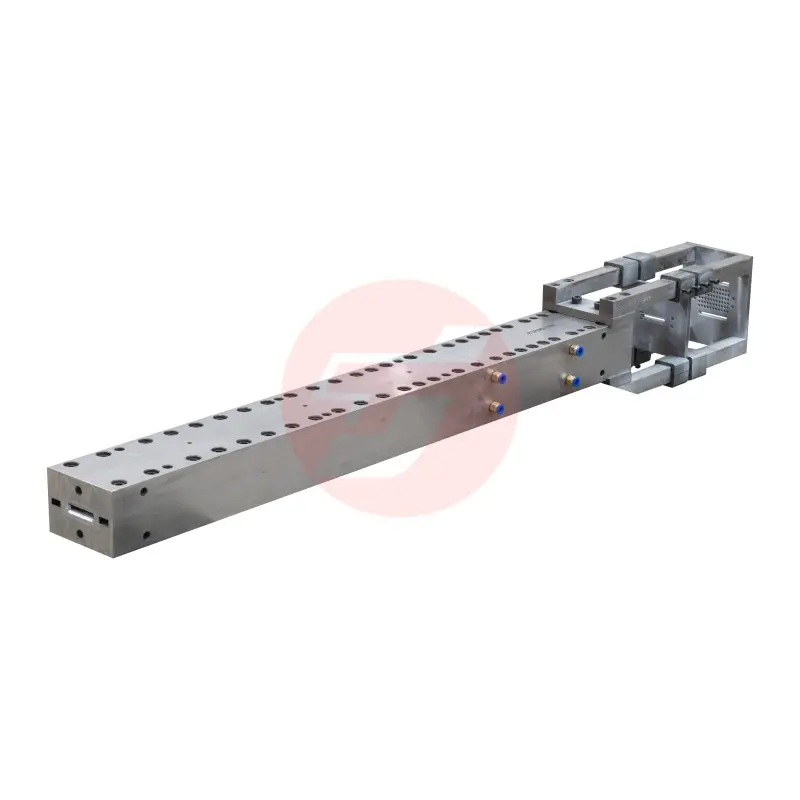
Fire-resistant composites offer unparalleled design flexibility that enables innovative solutions for complex engineering challenges while delivering cost-effective implementation across diverse application requirements. The moldable nature of composite manufacturing processes allows designers to create intricate geometries, integrated features, and consolidated assemblies that reduce part counts and simplify installation procedures. Advanced manufacturing techniques including resin transfer molding, compression molding, and pultrusion enable cost-effective production of fire-resistant composites in various shapes, sizes, and configurations to meet specific performance requirements. The ability to incorporate multiple functions into single composite components reduces overall system complexity and manufacturing costs while improving reliability and maintenance efficiency. Customizable fiber architectures allow engineers to optimize material properties for specific load paths and performance requirements, creating tailored solutions that maximize efficiency and minimize weight penalties. The compatibility of fire-resistant composites with various manufacturing processes enables flexible production scaling from prototype development through high-volume manufacturing, supporting diverse market requirements and economic considerations. Integration capabilities allow fire-resistant composites to incorporate embedded sensors, heating elements, and other functional features during manufacturing, creating smart structures that provide enhanced capabilities beyond basic fire protection. The tooling requirements for fire-resistant composite manufacturing are often less expensive than those required for metallic alternatives, reducing capital investment requirements and enabling faster time-to-market for new products. Repair and maintenance procedures for fire-resistant composites are typically straightforward, often involving patch repairs or localized replacement that can be performed without specialized facilities or extensive downtime. The corrosion resistance of fire-resistant composites eliminates the need for protective coatings and frequent maintenance cycles required by metallic materials, reducing lifecycle costs and improving operational efficiency. Supply chain advantages include reduced material transportation costs due to lightweight characteristics and improved inventory management through longer storage life and reduced handling requirements. The aesthetic versatility of fire-resistant composites allows designers to achieve desired visual appearances through surface textures, colors, and finishes that are integrated during manufacturing, eliminating secondary finishing operations and associated costs while maintaining fire safety performance standards.

Get a Free Quote

A professional manufacturer of composite material molds.
Email
WhatsApp
Name
Company Name
Message
0/1000
Attachment
Please upload at least an attachment
Up to 3 files,more 30mb,suppor jpg、jpeg、png、pdf、doc、docx、xls、xlsx、csv、txt