
 EN
EN
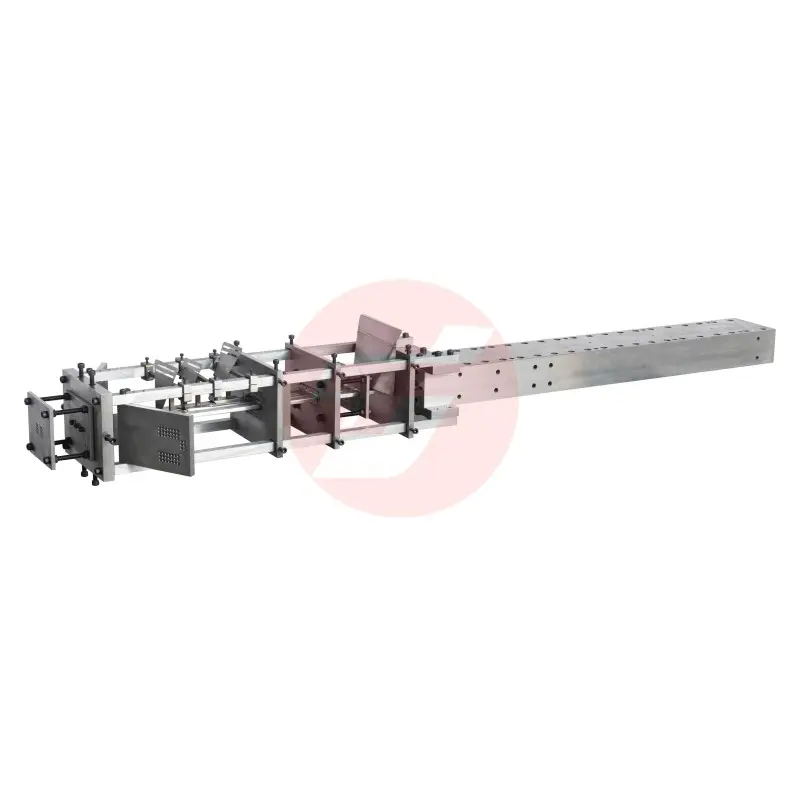
In the competitive landscape of photovoltaic manufacturing, every component decision carries weight. Among the most consequential choices a PV factory makes is how it produces the structural frames that hold solar panels in place. Increasingly, manufacturers are moving away from off-the-shelf tooling and toward purpose-built pultrusion molds for frames that are engineered to match their exact production requirements. This shift is not driven by trend or preference alone — it is driven by measurable performance, cost efficiency, and the structural demands of modern solar installations.
The question of why PV factories specifically prefer customized pultrusion molds for frames over standard alternatives touches on engineering precision, production scalability, material optimization, and long-term cost control. Understanding these drivers helps clarify why customization has become the industry standard rather than the exception. This article examines the core reasons behind this preference and what it means for factories investing in next-generation solar frame production.
The Role of Pultrusion Molds for Frames in PV Manufacturing
What Pultrusion Contributes to Solar Frame Production
Pultrusion is a continuous manufacturing process in which reinforced fibers are pulled through a resin bath and then through a heated die — the mold — to produce a constant cross-section profile. For solar panel frames, this process delivers exceptional consistency, high tensile strength, and dimensional accuracy across long production runs. The mold itself is the defining tool in this process, and its geometry directly determines the quality of every frame produced.
Pultrusion molds for frames must withstand repeated thermal cycling, maintain tight dimensional tolerances, and resist wear from abrasive fiber materials. A mold that performs well under these conditions ensures that each frame section exits the line with the same structural integrity as the first. This repeatability is critical in PV manufacturing, where frames must meet consistent load-bearing and weatherproofing standards across thousands of units.
Standard molds, designed for general-purpose profiles, often fall short of these demands. They may produce profiles that require secondary machining, generate higher scrap rates, or fail to accommodate the specific corner geometries and mounting channel configurations that modern solar panels require. This is precisely where customized pultrusion molds for frames begin to demonstrate their value.
Why Frame Geometry Varies Across PV Products
Not all solar panels share the same frame design. Module dimensions, glass thickness, mounting system compatibility, and regional installation standards all influence the required frame profile. A factory producing panels for utility-scale ground-mount systems will need frames with different load ratings and channel depths than one producing rooftop residential modules. These differences are not cosmetic — they affect structural performance under wind, snow, and seismic loads.
Customized pultrusion molds for frames allow manufacturers to encode these specific geometric requirements directly into the tooling. The mold cavity is machined to produce the exact cross-section needed, including wall thickness, flange width, corner radii, and any integrated channels or grooves for mounting hardware. This level of specificity is simply not achievable with off-the-shelf mold designs.
As panel formats continue to evolve — with larger module sizes and thinner glass becoming more common — the ability to quickly develop and deploy new customized pultrusion molds for frames gives manufacturers a meaningful competitive advantage. They can adapt their frame profiles to new product generations without being constrained by the limitations of generic tooling.
Precision Engineering as a Production Advantage
Dimensional Consistency Across High-Volume Runs
In high-volume PV manufacturing, even small dimensional deviations in frame profiles can create significant downstream problems. Frames that are slightly out of tolerance may not seat correctly against the glass, may create gaps in the weatherseal, or may not align properly with mounting rails during installation. These issues translate directly into warranty claims, rework costs, and reputational damage.
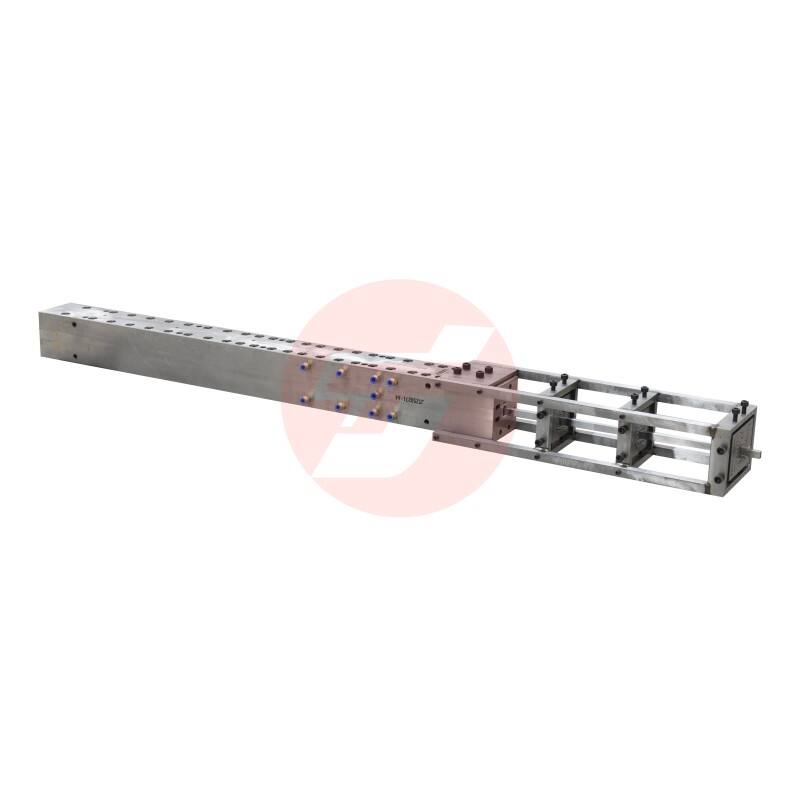
Customized pultrusion molds for frames are engineered with tight tolerances from the outset. The mold geometry is validated against the factory's specific frame drawings, and the tooling is tested and adjusted before full production begins. This upfront investment in precision pays dividends across the entire production run, reducing the frequency of out-of-spec parts and minimizing the need for manual inspection and correction.
The thermal stability of a well-designed custom mold also contributes to consistency. As the mold heats up during production, its dimensions change slightly due to thermal expansion. Custom molds are designed with these expansion characteristics accounted for, so the finished profile dimensions remain within specification even after the mold reaches operating temperature. Generic molds rarely offer this level of thermal compensation for specific profile geometries.
Material Optimization Through Custom Tooling
The design of pultrusion molds for frames directly influences how efficiently raw materials are used. A custom mold can be designed to minimize wall thickness in non-critical areas while maintaining or increasing thickness where structural loads are highest. This approach reduces material consumption per frame without compromising performance, which has a direct impact on production cost per unit.
Fiber orientation and resin distribution within the profile are also influenced by mold geometry. A custom mold can be designed to guide fiber placement in ways that maximize the strength-to-weight ratio of the finished frame. This is particularly relevant for factories producing lightweight modules for rooftop applications, where frame weight contributes to overall system load on the building structure.
Over a production run of hundreds of thousands of frames, even modest material savings per unit accumulate into substantial cost reductions. Factories that invest in well-engineered customized pultrusion molds for frames consistently report lower material costs per frame compared to those using standard tooling, making the initial tooling investment highly cost-effective over time.
Production Efficiency and Line Integration
Reducing Setup Time and Changeover Complexity
A customized mold is designed to integrate seamlessly with a factory's existing pultrusion line. The mold dimensions, mounting interfaces, and heating element placements are all specified to match the factory's equipment. This means that when the mold is installed, it fits correctly the first time, and the line can reach stable production conditions quickly. Generic molds often require adaptation work, shimming, or modification before they can be used effectively on a specific line.
For factories that produce multiple frame profiles — for example, different sizes for different panel formats — having a set of customized pultrusion molds for frames that are all designed to the same mounting standard simplifies changeover procedures. Operators can swap molds efficiently, reducing downtime between production runs and improving overall equipment effectiveness.
This integration advantage extends to process parameter settings. Because the custom mold is designed for a specific profile and material system, the optimal pull speed, cure temperature, and resin viscosity settings can be established during the tooling development phase and documented for consistent replication. This reduces the trial-and-error period that typically accompanies the introduction of new tooling.
Longer Mold Service Life Through Application-Specific Design
Pultrusion molds for frames are subject to significant wear, particularly at the entry zone where abrasive glass fibers first contact the mold surface. A custom mold can be designed with reinforced wear surfaces in these high-stress areas, using harder tool steel grades or surface treatments that extend service life without increasing the overall cost of the tooling disproportionately.
The internal surface finish of the mold cavity also affects both part quality and mold longevity. Custom molds are polished and treated to specifications that match the resin system being used, reducing adhesion between the cured part and the mold surface. This reduces the pulling force required, decreases wear on both the mold and the pultrusion machine, and produces a cleaner surface finish on the finished frame profile.
Factories that use customized pultrusion molds for frames typically report longer intervals between mold refurbishment or replacement compared to those using generic tooling. This translates into lower tooling cost per frame over the mold's service life, further strengthening the economic case for custom tooling investment.
Quality Compliance and Certification Requirements
Meeting International Standards for PV Frames
Solar panel frames must comply with a range of international standards covering mechanical load resistance, corrosion resistance, and dimensional compatibility with mounting systems. Standards such as IEC 61215 and IEC 61730 set performance benchmarks that frames must meet for modules to be certified for sale in major markets. Achieving compliance requires that frame profiles be produced with consistent dimensions and material properties — requirements that are most reliably met through customized pultrusion molds for frames.
When a factory uses a custom mold designed to produce a specific certified profile, it can demonstrate traceability between the tooling specification and the certified product design. This traceability is valuable during audits and certification renewals, as it provides documented evidence that the production process is capable of consistently delivering the certified profile geometry.
Generic molds, by contrast, may produce profiles that are close to but not exactly matching the certified design. Even small deviations can create compliance questions, particularly for projects where third-party inspection is required. Customized pultrusion molds for frames eliminate this ambiguity by ensuring that the tooling is aligned with the certified product specification from the start.
Supporting Factory Quality Management Systems
Modern PV factories operate under quality management systems that require documented control of all production inputs, including tooling. A customized mold comes with detailed engineering documentation — drawings, material specifications, surface treatment records, and acceptance test results — that can be incorporated directly into the factory's quality management system. This documentation supports internal audits, customer audits, and third-party certification activities.
The ability to specify and document the exact characteristics of pultrusion molds for frames also supports continuous improvement activities. When a factory identifies an opportunity to improve frame performance — for example, by adjusting wall thickness distribution or modifying a mounting channel geometry — it can work with the mold supplier to implement a controlled design change and document the modification. This structured approach to tooling improvement is only possible when the factory has full ownership of a custom mold design.
Factories that treat their pultrusion molds for frames as strategic assets rather than commodity consumables consistently achieve better quality outcomes and lower total production costs. The investment in customization is, in this context, an investment in the factory's quality infrastructure as much as in its production capability.
Strategic and Commercial Considerations
Protecting Proprietary Frame Designs
For PV manufacturers that have developed proprietary frame designs — whether for aesthetic differentiation, mounting system compatibility, or structural performance — customized pultrusion molds for frames are the mechanism through which that intellectual property is protected and exploited. A custom mold produces a profile that cannot be replicated by competitors using standard tooling, creating a tangible barrier to imitation.
This protection is particularly relevant for manufacturers supplying premium market segments, where frame design is part of the product's value proposition. A distinctive frame profile that is visually recognizable and functionally superior can support brand positioning and justify premium pricing. None of this is achievable without the investment in customized pultrusion molds for frames that encode the proprietary design into the production process.
The commercial value of this protection compounds over time. As a factory builds a track record with a specific frame design — accumulating installation data, performance certifications, and customer references — the custom mold that produces that design becomes an increasingly valuable asset. Replacing it with generic tooling would mean abandoning the accumulated value of the certified, proven design.
Scaling Production Without Compromising Quality
As PV factories scale up production to meet growing demand, the consistency of their frame profiles becomes more critical, not less. At higher volumes, even small quality variations that were manageable at lower output levels can generate significant rework and scrap costs. Customized pultrusion molds for frames provide the dimensional stability and process repeatability needed to maintain quality standards as production volumes increase.
Scaling also often involves adding production lines or running multiple shifts. Custom molds can be replicated to identical specifications, ensuring that frames produced on different lines or at different times are dimensionally interchangeable. This interchangeability is essential for factories supplying large projects where frames from multiple production batches must fit together in the field.
The ability to scale confidently, knowing that the tooling will deliver consistent results, is one of the most compelling reasons why established PV manufacturers continue to invest in customized pultrusion molds for frames even as their production volumes grow. The tooling investment scales favorably — the cost per frame decreases as volume increases, while the quality benefits remain constant.
FAQ
What makes customized pultrusion molds for frames different from standard molds?
Customized pultrusion molds for frames are engineered to produce a specific cross-section profile that matches a factory's exact frame design, including all dimensional tolerances, wall thicknesses, and channel geometries. Standard molds are designed for general-purpose profiles and may not match the specific requirements of a given solar panel frame, leading to dimensional deviations, higher scrap rates, and potential compliance issues.
How do customized pultrusion molds for frames affect production cost?
While the upfront investment in customized pultrusion molds for frames is higher than purchasing standard tooling, the total cost over the mold's service life is typically lower. Custom molds reduce material waste, minimize scrap and rework, extend service intervals, and integrate more efficiently with existing production lines. These savings accumulate across high-volume production runs, making the custom tooling investment highly cost-effective.
Can customized pultrusion molds for frames support multiple panel formats?
Yes. Factories that produce multiple panel formats typically commission a set of customized pultrusion molds for frames, each designed for a specific profile. When these molds are designed to a common mounting standard, changeover between profiles is efficient and well-controlled. This approach gives factories the flexibility to serve diverse market segments without sacrificing the quality and consistency benefits of custom tooling.
How long does it take to develop a customized pultrusion mold for frames?
Development timelines for customized pultrusion molds for frames vary depending on profile complexity and the mold supplier's capacity, but typically range from several weeks to a few months. The process includes design review, mold machining, surface treatment, and acceptance testing. Factories that plan tooling development as part of their product development cycle can minimize the impact on production launch timelines.