
 EN
EN
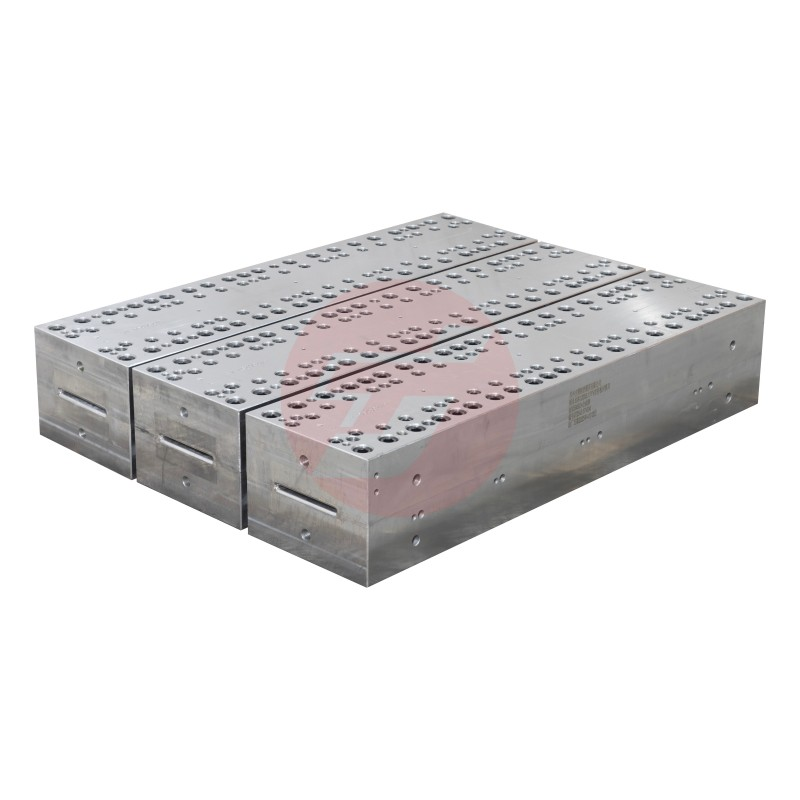
Selecting the right photovoltaic frame pultrusion mold for mass production represents a critical decision that directly impacts manufacturing efficiency, product quality, and long-term profitability in the solar panel industry. As global demand for renewable energy continues to surge, manufacturers face mounting pressure to deliver high-quality photovoltaic frames at competitive costs while maintaining consistent dimensional accuracy and surface finish. The pultrusion process, which enables continuous production of uniform cross-sectional profiles, has become the dominant method for manufacturing aluminum photovoltaic frames, yet the mold itself serves as the foundational element determining production success. Understanding how to evaluate and select an appropriate photovoltaic frame pultrusion mold requires comprehensive knowledge of material compatibility, thermal management, production volume requirements, and quality assurance protocols that align with industrial-scale manufacturing objectives.
The selection process for a photovoltaic frame pultrusion mold in mass production environments extends far beyond simple dimensional matching, encompassing thermal performance characteristics, wear resistance properties, maintenance accessibility, and scalability potential that collectively determine whether a manufacturing operation can sustain high-volume output without compromising quality standards. This comprehensive guide examines the systematic methodology for evaluating pultrusion mold options, identifying critical performance indicators, and making informed procurement decisions that balance initial capital investment against long-term operational efficiency. By addressing material science considerations, geometric precision requirements, cooling system integration, and production cycle optimization, manufacturers can establish a framework for selecting pultrusion molds that deliver consistent performance across millions of production cycles while minimizing downtime and reducing per-unit manufacturing costs.
Understanding Production Volume Requirements and Mold Durability Specifications
Calculating Expected Production Cycles and Lifespan Demands
When selecting a photovoltaic frame pultrusion mold for mass production, the first critical step involves accurately calculating your expected production volume and translating that into specific mold durability requirements. Industrial photovoltaic frame manufacturers typically operate on production targets ranging from hundreds of thousands to several million linear meters annually, which translates to continuous or near-continuous mold operation under thermal and mechanical stress. A properly specified photovoltaic frame pultrusion mold for mass production should demonstrate proven durability across at least one million extrusion cycles without significant dimensional degradation, which requires careful material selection and surface treatment protocols. Manufacturers must document their planned production schedule, including shift patterns, maintenance windows, and projected output volume, to establish baseline durability requirements that inform mold material specifications.
The relationship between production volume and mold investment follows a clear economic principle where higher durability specifications justify increased initial capital expenditure through extended operational lifespan and reduced replacement frequency. For facilities targeting annual production exceeding two million meters of photovoltaic frame profiles, investing in premium tool steel alloys with advanced surface hardening treatments delivers superior cost-per-unit economics compared to lower-specification alternatives that require premature replacement. Production planners should develop detailed lifecycle cost models that account for mold acquisition costs, expected operational lifespan, maintenance requirements, and replacement intervals to determine the optimal durability specification. This analytical approach ensures that photovoltaic frame pultrusion mold selection aligns with financial planning horizons and operational sustainability objectives.
Matching Mold Specifications to Material Processing Requirements
Different aluminum alloys and composite materials used in photovoltaic frame production impose varying thermal and mechanical demands on pultrusion molds, making material compatibility assessment essential during the selection process. The photovoltaic frame pultrusion mold must withstand continuous exposure to molten or semi-molten aluminum at temperatures ranging from 480 to 550 degrees Celsius while maintaining dimensional stability and surface integrity. Mold materials must exhibit low thermal expansion coefficients to prevent dimensional creep during extended production runs, along with sufficient hardness to resist abrasive wear from aluminum oxide formation and particulate contamination. Manufacturers processing specialized aluminum alloys with enhanced corrosion resistance or thermal conductivity properties should verify that candidate molds incorporate appropriate material grades and surface treatments capable of handling these specific metallurgical characteristics.
The interaction between processed material chemistry and mold surface condition directly influences product quality outcomes, including surface finish, dimensional consistency, and defect rates that impact downstream assembly operations. Advanced photovoltaic frame pultrusion mold designs incorporate specialized coatings such as chromium nitride or titanium aluminum nitride that provide both wear resistance and release characteristics, minimizing adhesion and facilitating smooth material flow through the die cavity. Selection criteria should include verification of coating compatibility with your specific aluminum alloy composition, assessment of coating longevity under production conditions, and evaluation of recoating accessibility for maintenance purposes. By establishing clear material processing requirements and matching them to verified mold performance characteristics, manufacturers can avoid costly compatibility issues that compromise production efficiency.
Evaluating Thermal Management System Integration and Cooling Efficiency
Assessing Cooling Channel Design and Heat Dissipation Capacity
Thermal management represents one of the most critical performance factors in photovoltaic frame pultrusion mold selection, as inadequate cooling capacity directly translates to dimensional inconsistency, surface defects, and accelerated mold wear that undermines mass production objectives. A well-engineered photovoltaic frame pultrusion mold incorporates strategically positioned cooling channels that maintain uniform temperature distribution across the die face while enabling precise control of solidification rates to optimize material properties. The cooling system architecture should feature adequate channel cross-sectional area, optimized flow path geometry, and sufficient inlet/outlet port sizing to support the thermal load imposed by continuous high-volume production without creating temperature gradients that cause warping or dimensional variation.
Manufacturers should evaluate cooling system performance through detailed thermal analysis, including computational fluid dynamics modeling when available, to verify that candidate mold designs can maintain target operating temperatures under expected production conditions. Critical assessment parameters include coolant flow rate requirements, pressure drop characteristics, temperature uniformity across the die face, and cooling cycle time impact on overall production throughput. Superior photovoltaic frame pultrusion mold designs often incorporate conformal cooling channel layouts that follow the contour of complex profile geometries, ensuring consistent thermal conditions across all sections of the extruded frame. This thermal uniformity directly translates to improved dimensional control and reduced scrap rates, delivering measurable economic benefits that justify premium mold specifications.
Integrating Temperature Control Systems with Production Line Infrastructure
The photovoltaic frame pultrusion mold cooling system must integrate seamlessly with existing production line infrastructure, including chiller capacity, coolant distribution networks, and temperature monitoring systems that enable real-time process control. During the selection process, manufacturers should verify compatibility between mold coolant requirements and available facility systems, including coolant type specifications, flow rate capacity, supply pressure ranges, and temperature control precision. Mismatches between mold cooling demands and facility capabilities can create bottlenecks that limit production capacity or force costly infrastructure upgrades that negate the economic advantages of high-volume manufacturing. Detailed specification sheets should clearly document coolant connection standards, recommended flow parameters, and thermal performance curves across the expected operating range.
Advanced production environments increasingly incorporate closed-loop temperature control systems with real-time monitoring and automated adjustment capabilities that maintain optimal thermal conditions throughout production runs. When selecting a photovoltaic frame pultrusion mold for mass production, evaluate the availability of integrated temperature sensor provisions, data interface compatibility with plant control systems, and support for predictive maintenance protocols based on thermal performance trending. These integration capabilities enable proactive identification of cooling system degradation, optimization of energy consumption through precision temperature control, and documentation of thermal history for quality traceability purposes. The resulting operational visibility and control capabilities deliver significant value in high-volume production environments where process consistency directly impacts product quality and manufacturing efficiency.
Analyzing Dimensional Precision and Geometric Tolerance Capabilities
Establishing Profile Tolerance Requirements for Assembly Compatibility
Dimensional precision in photovoltaic frame profiles directly determines assembly efficiency, structural integrity, and overall system performance, making geometric accuracy a paramount consideration in photovoltaic frame pultrusion mold selection. Modern solar panel mounting systems require frame components with tight dimensional tolerances, typically within plus or minus 0.15 millimeters for critical assembly interfaces, to ensure proper fit with glass panels, junction boxes, and structural mounting hardware. The photovoltaic frame pultrusion mold must demonstrate capability to consistently produce profiles within these tolerance bands across extended production runs, accounting for thermal expansion during operation, material shrinkage during cooling, and gradual wear accumulation over the mold's operational lifespan. Manufacturers should establish detailed tolerance specifications based on downstream assembly requirements and verify that candidate molds incorporate appropriate precision manufacturing standards and quality verification protocols.
The relationship between mold manufacturing precision and final product dimensional accuracy follows a cascade effect where initial mold tolerances directly influence achievable product specifications. High-precision photovoltaic frame pultrusion mold fabrication typically employs CNC machining centers with positional accuracy within 0.005 millimeters, combined with coordinate measuring machine verification to ensure geometric conformance before delivery. During the selection process, request detailed inspection reports documenting as-built dimensions, surface finish measurements, and geometric tolerance verification for critical profile features. This documentation provides objective evidence of manufacturing capability and establishes baseline performance expectations that inform acceptance criteria and ongoing quality monitoring protocols. Manufacturers pursuing premium market segments or applications with stringent performance requirements should prioritize mold suppliers demonstrating superior precision manufacturing capabilities backed by comprehensive metrology documentation.
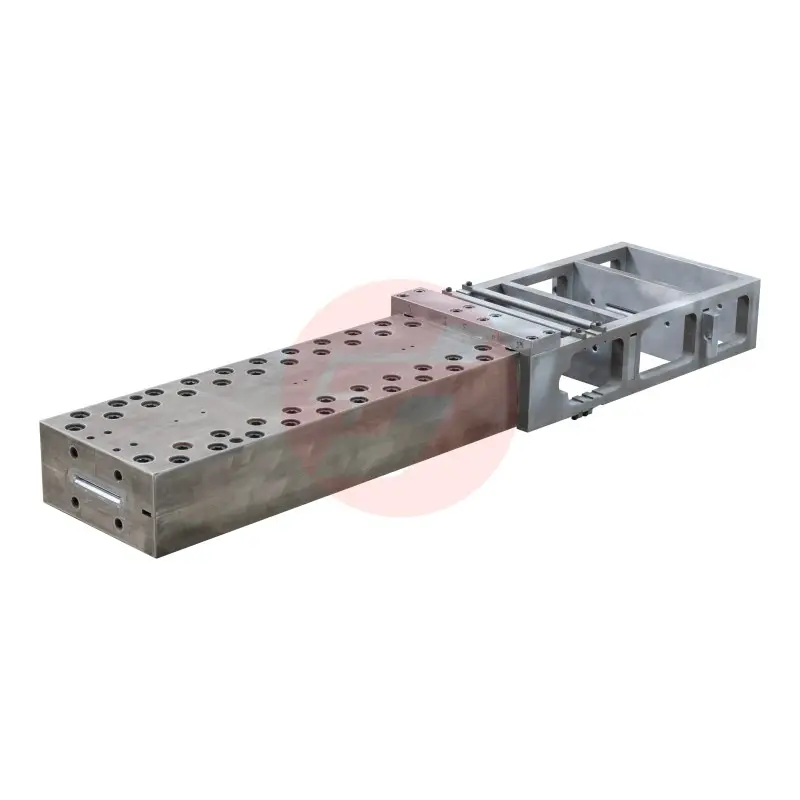
Evaluating Long-Term Dimensional Stability and Wear Resistance
While initial dimensional accuracy establishes baseline performance, long-term dimensional stability throughout millions of production cycles determines whether a photovoltaic frame pultrusion mold can sustain mass production quality standards without frequent adjustment or premature replacement. Wear mechanisms including abrasive erosion from aluminum oxide particles, adhesive wear from material transfer, and thermal fatigue from cyclic temperature exposure progressively degrade mold geometry, causing dimensional drift that eventually exceeds acceptable tolerance ranges. Superior mold designs incorporate wear-resistant materials, protective surface treatments, and geometric features that distribute wear across non-critical surfaces to extend operational lifespan while maintaining dimensional integrity in critical tolerance zones.
Manufacturers should request documented wear performance data from candidate photovoltaic frame pultrusion mold suppliers, including dimensional measurements at defined production intervals that demonstrate stability characteristics under actual production conditions. Accelerated wear testing protocols, when available, provide valuable insight into expected performance degradation rates and help establish predictive maintenance schedules that optimize mold utilization. Additionally, evaluate the accessibility of critical wear surfaces for inspection, measurement, and potential refurbishment through processes such as re-machining or surface treatment renewal. Molds designed with maintainability features that enable dimensional restoration extend effective operational lifespan and reduce total cost of ownership compared to designs that require complete replacement when wear limits are reached. This long-term perspective on dimensional performance and maintenance capability distinguishes truly production-ready photovoltaic frame pultrusion mold solutions from alternatives that may meet initial specifications but fail to deliver sustained performance in demanding mass production environments.
Assessing Manufacturing Quality, Supplier Capabilities, and Technical Support
Verifying Supplier Manufacturing Standards and Quality Certifications
The quality and reliability of a photovoltaic frame pultrusion mold ultimately depends on the manufacturing capabilities, quality management systems, and technical expertise of the supplier organization, making vendor qualification an essential component of the selection process. Reputable mold manufacturers serving the photovoltaic industry typically maintain ISO 9001 quality management certification as a baseline standard, with leading suppliers also holding industry-specific certifications that demonstrate specialized expertise in precision tooling for extrusion and pultrusion applications. During supplier evaluation, manufacturers should conduct comprehensive capability assessments including facility audits when feasible, review of quality documentation systems, and verification of metrology equipment calibration and maintenance protocols that ensure consistent manufacturing precision.
Beyond formal certifications, evaluate the supplier's track record in producing photovoltaic frame pultrusion mold systems for mass production applications, including reference installations at comparable production scales and documented performance results. Request detailed case studies demonstrating successful implementation in high-volume manufacturing environments, including production volume achievements, dimensional stability data, and operational lifespan metrics that provide objective evidence of real-world performance. Supplier experience with your specific aluminum alloy compositions, profile geometries, and production rate requirements indicates reduced implementation risk and higher probability of successful performance. Additionally, assess the supplier's engineering support capabilities during the specification development phase, as knowledgeable technical guidance helps optimize mold design parameters for your specific application requirements and production objectives.
Establishing Technical Support Availability and Maintenance Service Protocols
Post-delivery technical support, maintenance services, and troubleshooting assistance significantly impact the long-term operational success of photovoltaic frame pultrusion mold installations, particularly during initial commissioning and process optimization phases. Comprehensive supplier support programs should include installation supervision, operator training, process parameter development assistance, and responsive technical consultation when production challenges arise. During the selection process, clarify the scope and availability of included support services, response time commitments for technical inquiries, and geographic accessibility of service personnel who can provide on-site assistance when remote troubleshooting proves insufficient. Suppliers offering dedicated technical account management, regular performance review consultations, and proactive optimization recommendations deliver additional value that extends beyond the physical mold hardware.
Maintenance service availability represents another critical support dimension, as photovoltaic frame pultrusion mold systems require periodic inspection, cleaning, surface treatment renewal, and potential refurbishment to sustain optimal performance throughout their operational lifespan. Evaluate supplier capabilities for providing maintenance services including dimensional inspection, wear assessment, surface coating renewal, and component replacement when necessary. Clear documentation of recommended maintenance intervals, detailed service procedures, and availability of replacement components ensures that manufacturers can implement effective preventive maintenance programs that maximize mold longevity and minimize unplanned downtime. Suppliers offering comprehensive lifecycle support, including upgrade paths for incorporating design improvements and technology advancements, provide strategic partnership value that contributes to long-term manufacturing competitiveness and operational excellence.
Optimizing Cost-Performance Balance and Total Ownership Economics
Developing Comprehensive Lifecycle Cost Models
Effective photovoltaic frame pultrusion mold selection requires moving beyond initial purchase price comparison to comprehensive lifecycle cost analysis that accounts for all ownership expenses across the expected operational lifespan. Total cost of ownership models should incorporate initial capital investment, installation and commissioning costs, consumable expenses including coolant and maintenance supplies, periodic service and refurbishment costs, energy consumption for cooling systems, and eventual replacement or disposal expenses. This holistic economic perspective often reveals that premium mold specifications with higher initial costs deliver superior economic performance through extended operational lifespan, reduced maintenance frequency, lower defect rates, and improved production efficiency that reduces per-unit manufacturing costs.
Manufacturers should develop detailed financial models that project ownership costs across multiple years, incorporating realistic assumptions about production volume, maintenance requirements, and performance degradation rates based on supplier-provided data and industry benchmarks. Sensitivity analysis examining how variations in key parameters such as production volume, mold lifespan, or maintenance costs impact total ownership economics helps identify which specifications deliver the most robust economic performance across different operational scenarios. For high-volume production applications, incremental improvements in dimensional consistency, thermal efficiency, or operational lifespan generate substantial cumulative economic benefits that justify premium photovoltaic frame pultrusion mold investments. This analytical approach to cost-performance optimization ensures procurement decisions align with strategic manufacturing objectives rather than simply minimizing initial capital expenditure.
Balancing Specification Requirements with Budget Constraints
While comprehensive lifecycle cost analysis provides valuable decision-making framework, manufacturers must ultimately balance optimal technical specifications against realistic budget constraints and capital allocation priorities. Practical photovoltaic frame pultrusion mold selection often involves identifying the most critical performance parameters that drive quality and efficiency outcomes, then optimizing specifications in those areas while accepting more modest capabilities in less critical dimensions. For example, manufacturers might prioritize premium materials and surface treatments in high-wear areas critical to dimensional accuracy while specifying standard grades for structural components that experience lower stress levels. This targeted optimization approach maximizes performance in areas directly impacting production quality and efficiency while managing overall investment levels.
Phased implementation strategies offer another approach for managing capital requirements while building toward optimal production capabilities. Initial installations might employ proven mid-specification photovoltaic frame pultrusion mold designs that meet immediate production requirements, with plans to upgrade to premium specifications as production volumes increase and economic justification strengthens. This evolutionary approach reduces initial financial risk while establishing operational experience that informs future specification decisions based on actual production data rather than theoretical projections. Regardless of the specific approach adopted, successful mold selection requires clear articulation of priorities, realistic assessment of budget constraints, and disciplined focus on specifications that deliver measurable operational benefits aligned with manufacturing objectives and market positioning strategies.
FAQ
What is the typical lifespan of a photovoltaic frame pultrusion mold in continuous production?
A properly specified and maintained photovoltaic frame pultrusion mold designed for mass production typically achieves operational lifespans ranging from one to three million production cycles, equivalent to approximately three to seven years of continuous operation depending on production intensity and maintenance quality. Premium molds manufactured from advanced tool steel alloys with specialized surface treatments can exceed these benchmarks, while economy-grade alternatives may require replacement after shorter intervals. Actual lifespan depends heavily on material compatibility, cooling system effectiveness, maintenance protocols, and operating conditions including temperature control precision and contamination management.
How do cooling system specifications impact photovoltaic frame quality and production efficiency?
Cooling system performance in photovoltaic frame pultrusion molds directly influences dimensional accuracy, surface finish quality, material properties, and production cycle times, making thermal management one of the most critical performance factors. Inadequate cooling capacity causes uneven temperature distribution that produces dimensional variation, surface defects, and internal stress patterns that compromise frame structural integrity. Conversely, optimized cooling systems enable precise control of solidification rates that enhance material properties while maintaining tight dimensional tolerances. Effective cooling also reduces cycle times by accelerating solidification, directly increasing production throughput and improving manufacturing efficiency.
What dimensional tolerances should be specified for photovoltaic frame profiles?
Dimensional tolerance requirements for photovoltaic frame profiles vary based on application requirements and assembly methods, but typical specifications for modern solar panel systems require tolerances within plus or minus 0.15 millimeters for critical assembly interfaces and plus or minus 0.25 millimeters for non-critical dimensions. High-precision applications or automated assembly systems may require tighter tolerances approaching plus or minus 0.10 millimeters, while less demanding applications might accept tolerances up to plus or minus 0.30 millimeters. Manufacturers should establish tolerance specifications based on downstream assembly requirements, accounting for cumulative tolerance stack-up across multiple components and considering the economic trade-offs between tighter tolerances and manufacturing costs.
How should manufacturers evaluate photovoltaic frame pultrusion mold supplier capabilities?
Comprehensive supplier evaluation for photovoltaic frame pultrusion molds should assess manufacturing capabilities including precision machining equipment and metrology systems, quality management certifications such as ISO 9001, industry-specific experience with similar production applications, technical engineering support availability, and post-delivery service capabilities. Request reference installations at comparable production scales, review documented performance data from existing customers, and evaluate the supplier's responsiveness and technical depth during the specification development process. Additionally, assess long-term stability and financial health of the supplier organization to ensure ongoing support availability throughout the mold's operational lifespan, as technical assistance and maintenance services significantly impact successful implementation and sustained performance.
Table of Contents
- Understanding Production Volume Requirements and Mold Durability Specifications
- Evaluating Thermal Management System Integration and Cooling Efficiency
- Analyzing Dimensional Precision and Geometric Tolerance Capabilities
- Assessing Manufacturing Quality, Supplier Capabilities, and Technical Support
- Optimizing Cost-Performance Balance and Total Ownership Economics
-
FAQ
- What is the typical lifespan of a photovoltaic frame pultrusion mold in continuous production?
- How do cooling system specifications impact photovoltaic frame quality and production efficiency?
- What dimensional tolerances should be specified for photovoltaic frame profiles?
- How should manufacturers evaluate photovoltaic frame pultrusion mold supplier capabilities?