
 EN
EN
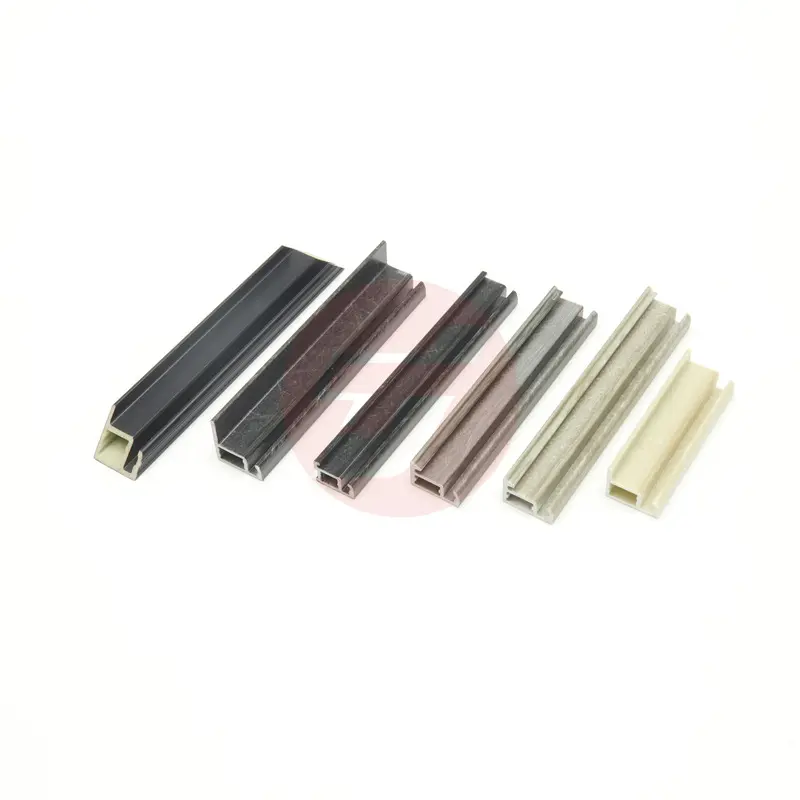
The manufacturing landscape for composite material molds is undergoing a profound transformation driven by technological breakthroughs, evolving material science, and the relentless pursuit of efficiency in production environments. As industries ranging from aerospace to renewable energy demand lighter, stronger, and more complex components, the mold technologies that enable composite fabrication must advance in parallel. Understanding which innovations are reshaping composite material molds is essential for manufacturers seeking competitive advantages, engineers evaluating process improvements, and procurement teams planning strategic investments in tooling infrastructure.
The innovations shaping the future of composite material molds extend beyond incremental improvements to encompass fundamental shifts in design philosophy, material selection, manufacturing processes, and digital integration. These advancements address persistent challenges such as thermal management, dimensional stability, surface quality, cycle time reduction, and tooling longevity. This article examines the specific technological innovations driving change in composite material molds, analyzes how these developments alter manufacturing capabilities, explores implementation considerations across different production scales, and provides practical guidance for organizations evaluating which innovations align with their operational requirements and strategic objectives.
Advanced Material Systems Transforming Mold Construction
High-Performance Composite Tooling Materials
The evolution of composite material molds increasingly involves the use of advanced composite materials in the tooling itself, creating a paradigm where composite molds fabricate composite parts. Carbon fiber reinforced polymer systems now serve as viable alternatives to traditional metal molds in specific applications, offering significant advantages in thermal expansion matching, weight reduction, and fabrication flexibility. These composite tooling materials enable manufacturers to produce molds with coefficients of thermal expansion closely matched to the parts being produced, minimizing dimensional distortion during cure cycles and improving part accuracy. The weight reduction achieved through composite tooling facilitates easier handling, reduces equipment requirements for mold manipulation, and decreases energy consumption in heating and cooling cycles.
Epoxy-based composite material molds reinforced with carbon or glass fibers provide exceptional stiffness-to-weight ratios and can be manufactured using the same processes employed for production parts, creating opportunities for rapid tooling development. The selection of resin systems for composite tooling requires careful consideration of service temperature requirements, with high-temperature epoxies, bismaleimides, and polyimides extending operational ranges to match demanding cure cycles. Surface preparation and gel coat technologies for composite material molds have advanced to deliver Class A surface finishes directly from composite tooling, eliminating traditional barriers to adoption in appearance-critical applications. These material innovations enable mold fabrication timelines measured in days rather than weeks, supporting rapid prototyping and low-volume production scenarios where traditional metal tooling investment cannot be justified.
Hybrid Material Architectures
Innovative hybrid approaches combine multiple material systems within single mold structures to optimize performance characteristics across different functional zones. These hybrid composite material molds integrate metals in high-wear areas or critical dimensional features while employing composites or engineered polymers in larger surface areas where thermal mass reduction provides advantages. Selective reinforcement strategies place metallic inserts at parting lines, fastener locations, and high-stress concentration points while maintaining lightweight composite construction throughout the majority of the tool structure. This approach delivers the durability and precision of metal tooling where required while capturing the thermal and weight benefits of advanced materials elsewhere.
The development of functionally graded materials for composite material molds represents another frontier in hybrid architectures, where material composition varies continuously through the mold thickness to optimize thermal conductivity, structural performance, or surface characteristics. These gradient structures can be achieved through advanced manufacturing techniques such as multi-material additive processes or controlled layup sequences that transition between material systems. Thermal management becomes particularly sophisticated in hybrid architectures, with embedded heating elements, cooling channels, or phase-change materials integrated during mold construction to control temperature distributions with unprecedented precision. The engineering complexity of hybrid composite material molds requires advanced simulation capabilities to optimize material placement and predict performance under operational conditions, but the resulting tools often outperform monolithic alternatives across multiple performance dimensions simultaneously.
Digital Manufacturing Technologies Revolutionizing Mold Production
Additive Manufacturing for Complex Geometries
Additive manufacturing technologies have emerged as transformative capabilities for producing composite material molds with geometric complexity previously unattainable through conventional machining or layup processes. Large-format polymer printing systems can produce mold tools directly from digital models in materials engineered for thermal stability and surface quality suitable for composite processing. These printed molds enable organic geometries, integrated cooling channels, and conformal surfaces that optimize material flow and consolidation during composite part manufacture. The elimination of traditional tooling constraints allows designers to incorporate features that improve part quality or simplify demolding without concern for machining limitations or draft angle requirements.
Metal additive manufacturing, particularly directed energy deposition and powder bed fusion processes, extends these capabilities to high-temperature applications where composite material molds must withstand aggressive autoclave cycles or high-pressure resin transfer molding conditions. Topology optimization algorithms generate mold structures with internal architectures that maximize stiffness while minimizing material usage and thermal mass, creating tools that heat and cool more rapidly than conventionally manufactured alternatives. The integration of conformal cooling channels throughout the mold body enables precise temperature control that improves cure uniformity and reduces cycle times. Surface finishing techniques for additively manufactured composite material molds continue to advance, with hybrid processes combining additive construction with subtractive finishing operations to achieve required surface specifications while maintaining the geometric advantages of layer-based fabrication.
Digital Twin Integration and Predictive Optimization
The concept of digital twins has extended into the realm of composite material molds, where virtual models synchronized with physical tools enable real-time monitoring, predictive maintenance, and continuous process optimization. Sensor networks embedded within mold structures capture temperature distributions, pressure profiles, and strain responses during production cycles, feeding data to digital models that compare actual performance against predicted behavior. Machine learning algorithms identify patterns indicating impending maintenance requirements, allowing proactive interventions that prevent quality issues and extend mold service life. This predictive capability transforms maintenance from reactive repair to scheduled optimization, reducing unplanned downtime and improving overall equipment effectiveness.
Digital twin systems for composite material molds enable virtual experimentation with process parameters, material formulations, and cycle modifications without risking production tools or valuable materials. Simulation environments validated against actual sensor data allow engineers to explore process windows, identify optimal cure profiles, and troubleshoot quality issues in virtual space before implementing changes on the production floor. The accumulation of operational data across multiple production runs builds institutional knowledge captured in digital form, enabling continuous improvement and facilitating knowledge transfer as workforce demographics shift. Advanced implementations link mold digital twins with upstream design systems and downstream quality inspection data, creating closed-loop feedback that informs design modifications and process adjustments based on actual manufacturing outcomes rather than theoretical assumptions.
Process Integration Innovations Enhancing Manufacturing Efficiency
Automated Fiber Placement and Hybrid Processes
The evolution of automated fiber placement technology has created new requirements and opportunities for composite material molds designed to interface with robotic layup systems. Molds engineered for automated processes incorporate precision datum features, tool face geometries optimized for compaction roller access, and surface treatments that facilitate automated tack while preventing contamination buildup over extended production runs. The integration of in-situ inspection capabilities within automated cells requires mold designs that accommodate scanning systems and provide stable thermal environments for dimensional verification during layup operations. These considerations influence material selection, structural design, and surface preparation strategies for composite material molds serving automated manufacturing environments.
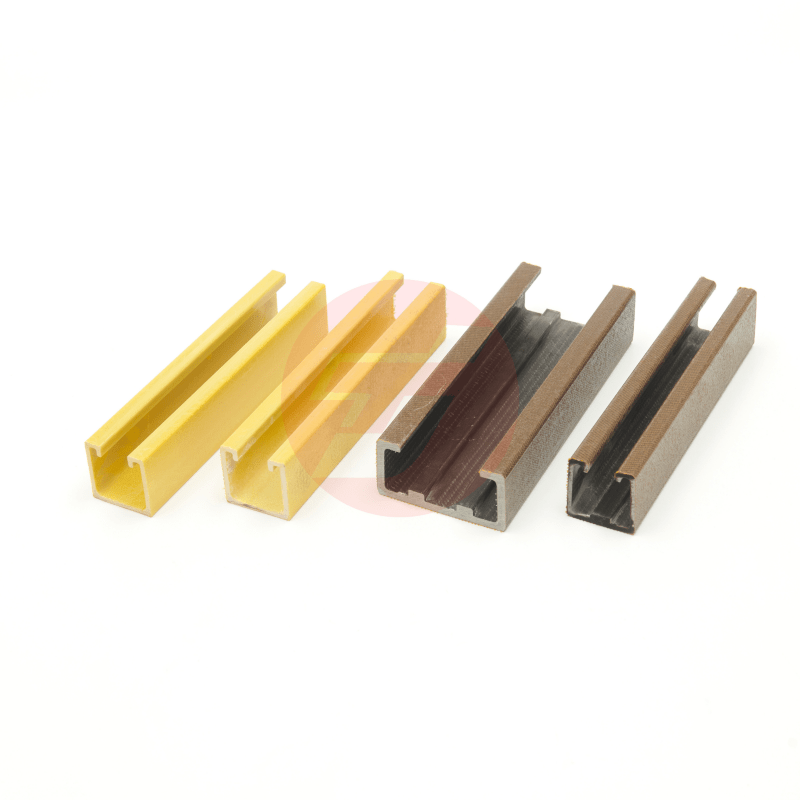
Hybrid manufacturing approaches that combine additive and subtractive processes within single production cells enable novel strategies for composite material molds that evolve throughout their service lives. Localized repairs, surface refinishing, or feature modifications can be executed through additive processes without removing tools from production environments, extending mold longevity and adapting tooling to accommodate design changes or process improvements. The ability to deposit material onto existing mold surfaces enables the creation of customized geometries for specific production runs, supporting mass customization strategies without requiring dedicated tooling for each variant. These hybrid capabilities blur traditional boundaries between tool fabrication and tool maintenance, creating new paradigms for managing composite material molds as dynamic assets that adapt to changing production requirements rather than static fixtures with predetermined service lives.
Smart Heating and Curing Systems
Innovations in heating technology for composite material molds enable unprecedented control over cure cycles, reducing energy consumption while improving part quality and process repeatability. Induction heating systems integrated into mold structures provide rapid thermal response with precise zone control, eliminating the thermal mass penalties associated with conventional ovens or autoclaves. These systems heat only the mold and part rather than large volumes of air, dramatically reducing energy requirements and enabling cure cycles to begin immediately after layup completion without waiting for oven preheat. The spatial precision of induction heating allows different mold zones to follow independent thermal profiles, optimizing cure conditions for complex geometries where uniform heating produces suboptimal results.
Electromagnetic susceptor technologies embedded within composite material molds enable out-of-autoclave curing with consolidation pressure applied through alternative mechanisms such as vacuum bagging or mechanical fixtures. These approaches eliminate autoclave requirements for many applications, reducing capital equipment costs and enabling distributed manufacturing scenarios where large pressure vessels are impractical. Advanced control systems for smart molds implement model-based temperature control that adjusts heating power in real-time based on predicted thermal response, compensating for variations in ambient conditions, part thickness, or material properties. The integration of cure monitoring sensors that track resin viscosity, degree of cure, and void content enables adaptive process control where cycle parameters adjust automatically to ensure complete cure and optimal consolidation regardless of normal process variations.
Surface Engineering Advances Improving Part Quality
Nano-Engineered Release Systems
Surface engineering at the nanoscale has produced release systems for composite material molds that fundamentally alter the interface between tool and part, reducing release force requirements while extending mold life and improving surface quality. Nano-structured coatings create hierarchical surface textures that minimize actual contact area between mold and composite while maintaining apparent smoothness at scales relevant to part aesthetics. These engineered surfaces reduce adhesion through geometric effects rather than relying solely on chemical non-stick properties, maintaining effectiveness over many more cycles than conventional release agents. The durability of nano-engineered surfaces reduces or eliminates the need for repeated release agent application, improving process consistency and reducing contamination risks that compromise paint adhesion or bonding operations in downstream assembly.
Self-healing release coatings represent an emerging innovation for composite material molds serving high-volume production environments. These systems incorporate mechanisms that repair minor surface damage autonomously, whether through chemical reactions triggered by scratches or through the migration of release-active compounds to damaged areas. The extension of mold service life through self-healing mechanisms reduces tooling amortization costs per part and maintains consistent surface quality throughout extended production runs. Plasma-based surface treatments enable the deposition of ultra-thin release layers with precisely controlled chemistry and morphology, creating surfaces optimized for specific resin systems while minimizing the thickness of non-structural material at the tool-part interface. These advanced surface treatments for composite material molds increasingly incorporate multi-functional properties, combining release characteristics with thermal management features or sensors that monitor surface condition and predict maintenance requirements.
Dynamic Surface Technologies
The development of dynamic surfaces for composite material molds introduces active control over tool-part interaction during different phases of the manufacturing cycle. Electroactive materials integrated into mold surfaces can alter surface texture or generate micro-vibrations that facilitate part release without mechanical demolding forces that risk damage to delicate structures. These dynamic surfaces remain smooth and conforming during layup and cure phases, then activate at demolding to reduce release forces and enable extraction of parts with complex geometries or deep draws. The elimination of draft angles in some applications represents a significant design freedom enabled by dynamic surface technologies, allowing composite structures to achieve geometries previously reserved for machined components.
Thermally responsive surfaces that alter their properties based on temperature provide another dimension of control for composite material molds. These materials transition between high-friction states during layup to facilitate preform positioning and low-friction states during demolding to ease part extraction. The integration of shape-memory alloys within mold structures enables controlled deformation that assists in part release or enables collapsible cores for molding hollow structures with complex internal geometries. Advanced implementations combine multiple active surface technologies within single molds, creating tools that adapt their behavior to different production phases automatically based on temperature, time, or explicit control signals. The sophistication of these systems requires careful integration of actuation mechanisms, control systems, and structural elements within composite material molds, but the resulting capabilities enable part geometries and production efficiencies unattainable with passive tooling approaches.
Sustainability and Lifecycle Management Innovations
Recyclable and Bio-Based Mold Materials
Environmental considerations increasingly influence innovation trajectories for composite material molds, with developments focused on recyclability, bio-based material content, and reduced embodied energy. Thermoplastic composite tooling materials enable mold structures to be reprocessed at end-of-life rather than landfilled, capturing material value and reducing environmental impact. These recyclable composite material molds perform comparably to thermoset alternatives in many applications while offering simplified disposal pathways that align with circular economy principles. The development of bio-based resins and natural fiber reinforcements for tooling applications reduces dependence on petroleum feedstocks and decreases carbon footprint, though performance trade-offs require careful evaluation against specific application requirements.
Modular mold architectures that enable selective replacement of worn components rather than complete tool disposal extend effective service life while reducing material consumption. These designs separate sacrificial wear surfaces from structural backing elements, allowing high-performance materials to be used economically in areas requiring frequent renewal while durable substrates remain in service across many surface replacements. The standardization of interface geometries and attachment methods facilitates component interchangeability, supporting maintenance operations and enabling gradual technology insertion as improved materials or surface treatments become available. Life cycle assessment methodologies increasingly inform design decisions for composite material molds, quantifying environmental impacts across material extraction, manufacturing, operational energy consumption, and end-of-life disposal to identify optimization opportunities that balance performance requirements with sustainability objectives.
Predictive Maintenance and Lifecycle Extension
Advanced monitoring systems that track cumulative damage, thermal cycling history, and surface degradation enable evidence-based lifecycle management for composite material molds rather than arbitrary replacement schedules. Structural health monitoring technologies borrowed from aerospace applications detect crack initiation, delamination growth, or stiffness degradation that precede catastrophic failures, allowing interventions that extend mold life while maintaining quality assurance. The quantification of remaining useful life based on actual condition assessment rather than conservative assumptions maximizes return on tooling investment and reduces premature disposal of serviceable assets. Digital records that accompany molds throughout their lifecycle capture maintenance history, performance trends, and quality metrics that inform retirement decisions and provide valuable data for designing subsequent generation tooling.
Refurbishment strategies enabled by additive manufacturing and advanced surface treatments create economically viable alternatives to complete mold replacement for composite material molds exhibiting localized wear or damage. Laser cladding, cold spray, or directed energy deposition processes restore worn surfaces or damaged features without affecting bulk mold structure, often improving performance beyond original specifications through the use of advanced materials unavailable during initial fabrication. The economic and environmental benefits of refurbishment become increasingly significant as mold complexity and initial fabrication costs rise, making lifecycle extension strategies essential components of sustainable manufacturing approaches. Knowledge management systems that capture lessons learned from mold failures, successful interventions, and performance optimization inform design improvements for future tooling generations, creating continuous improvement loops that advance composite material molds capabilities across entire manufacturing organizations rather than individual tool instances.
FAQ
What determines whether advanced composite material molds are cost-effective for a specific application?
Cost-effectiveness of advanced composite material molds depends on production volume, part complexity, cycle time requirements, and available capital equipment. High-volume production benefits from durable metal tooling despite higher initial costs, while low to medium volumes often justify advanced composites or hybrid materials that reduce tool fabrication time and cost. Applications requiring rapid thermal cycling favor lightweight composite material molds that heat and cool quickly, reducing energy costs and improving throughput sufficiently to offset potentially shorter tool life compared to metal alternatives. Complex geometries that would require extensive machining in metal may be more economical in composite or additively manufactured tooling where geometric complexity adds minimal cost. The analysis must consider total cost of ownership including fabrication, maintenance, energy consumption, and disposal rather than focusing solely on initial procurement cost to accurately assess economic advantages of innovative mold technologies.
How do innovations in composite material molds affect part quality and manufacturing consistency?
Innovations directly impact part quality through improved thermal management, better surface finish, enhanced dimensional stability, and more consistent processing conditions. Advanced heating systems and thermal mass reduction enable tighter temperature control and more uniform cure, reducing internal stresses and improving mechanical properties. Nano-engineered release surfaces and improved coatings minimize surface defects, reduce contamination, and improve consistency across production runs. Digital twin integration and sensor networks enable real-time process monitoring and adaptive control that compensate for variations, maintaining quality despite normal fluctuations in ambient conditions or material properties. The precision achievable with additively manufactured composite material molds and hybrid architectures reduces dimensional variation compared to conventionally fabricated tools, particularly for complex geometries where traditional manufacturing introduces cumulative tolerances. These quality improvements often justify advanced mold technologies even when initial costs exceed conventional alternatives, as reduced scrap rates and improved first-pass yield generate substantial value in quality-critical applications.
What skills and infrastructure are required to implement advanced composite material molds technologies?
Implementation requires combinations of traditional composite fabrication expertise with digital manufacturing capabilities, sensor integration knowledge, and data analytics skills. Organizations need personnel trained in additive manufacturing operation and post-processing, particularly for facilities adopting printed molds or hybrid manufacturing approaches. Thermal management expertise becomes critical for molds with integrated heating systems, embedded cooling channels, or active temperature control, requiring electrical engineering capabilities alongside traditional tooling knowledge. Digital twin implementation demands information technology infrastructure, data management systems, and personnel capable of developing and maintaining simulation models synchronized with physical assets. Surface engineering innovations may require specialized coating application equipment and quality control methods unfamiliar to facilities accustomed to conventional release agent approaches. The multidisciplinary nature of advanced composite material molds often necessitates partnerships with technology suppliers, research institutions, or consulting specialists during initial implementation phases, with gradual capability development as organizational learning progresses through successive tooling projects.
How are composite material molds innovations addressing sustainability and environmental concerns?
Sustainability-focused innovations include development of recyclable thermoplastic tooling materials, bio-based resins and natural fiber reinforcements, energy-efficient heating technologies, and lifecycle extension strategies. Lightweight composite material molds reduce energy consumption during heating and cooling cycles compared to metal alternatives with higher thermal mass, generating operational emissions reductions over tool lifetime. Modular designs that enable selective component replacement rather than complete tool disposal reduce material consumption and waste generation. Additive manufacturing capabilities support localized repair and refurbishment, extending mold service life while avoiding energy-intensive bulk material removal processes. Predictive maintenance enabled by embedded sensors prevents premature failures that result in scrapped parts and wasted materials, improving overall manufacturing efficiency. Bio-based materials and recycled reinforcements reduce embodied carbon in mold fabrication, though performance validation remains essential to ensure these materials meet operational requirements. The quantification of environmental benefits through rigorous lifecycle assessment guides technology selection toward innovations delivering genuine sustainability improvements rather than superficial environmental marketing claims disconnected from actual impact reduction.
Table of Contents
- Advanced Material Systems Transforming Mold Construction
- Digital Manufacturing Technologies Revolutionizing Mold Production
- Process Integration Innovations Enhancing Manufacturing Efficiency
- Surface Engineering Advances Improving Part Quality
- Sustainability and Lifecycle Management Innovations
-
FAQ
- What determines whether advanced composite material molds are cost-effective for a specific application?
- How do innovations in composite material molds affect part quality and manufacturing consistency?
- What skills and infrastructure are required to implement advanced composite material molds technologies?
- How are composite material molds innovations addressing sustainability and environmental concerns?