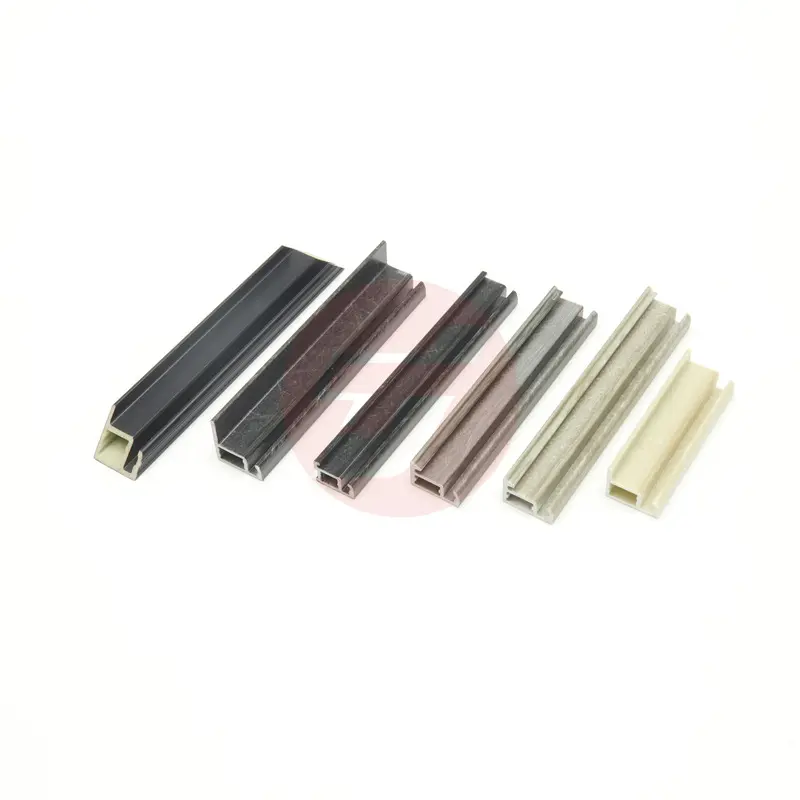
Professional Wind Energy Blade Mold Solutions - Precision Manufacturing Technology for Renewable Energy Production

All Categories

Get a Free Quote

A professional manufacturer of composite material molds.
Email
WhatsApp
Name
Company Name
Message
0/1000
Attachment
Please upload at least an attachment
Up to 3 files,more 30mb,suppor jpg、jpeg、png、pdf、doc、docx、xls、xlsx、csv、txt

wind energy blade mold

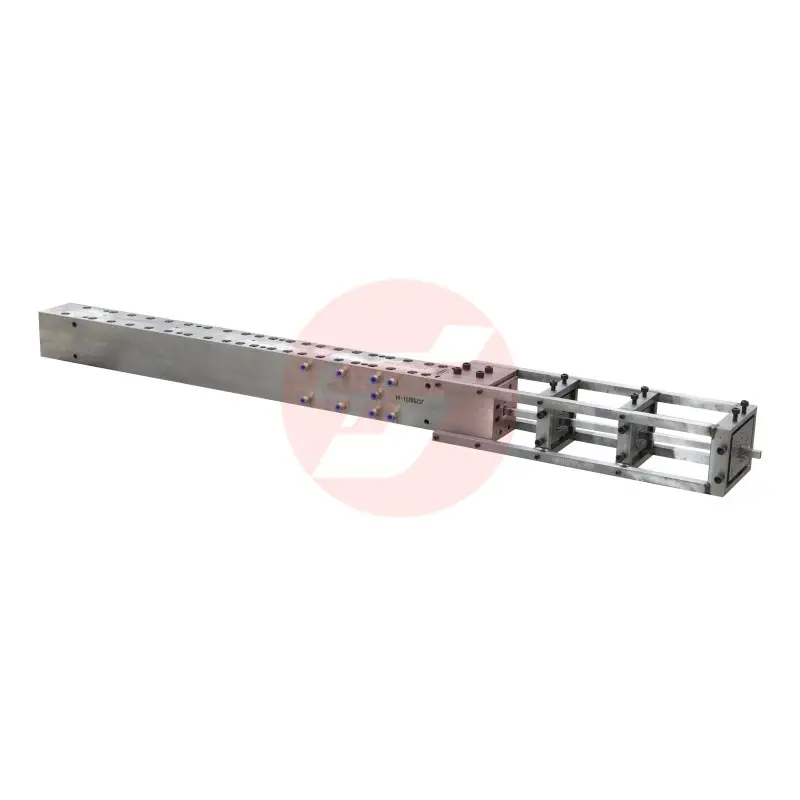
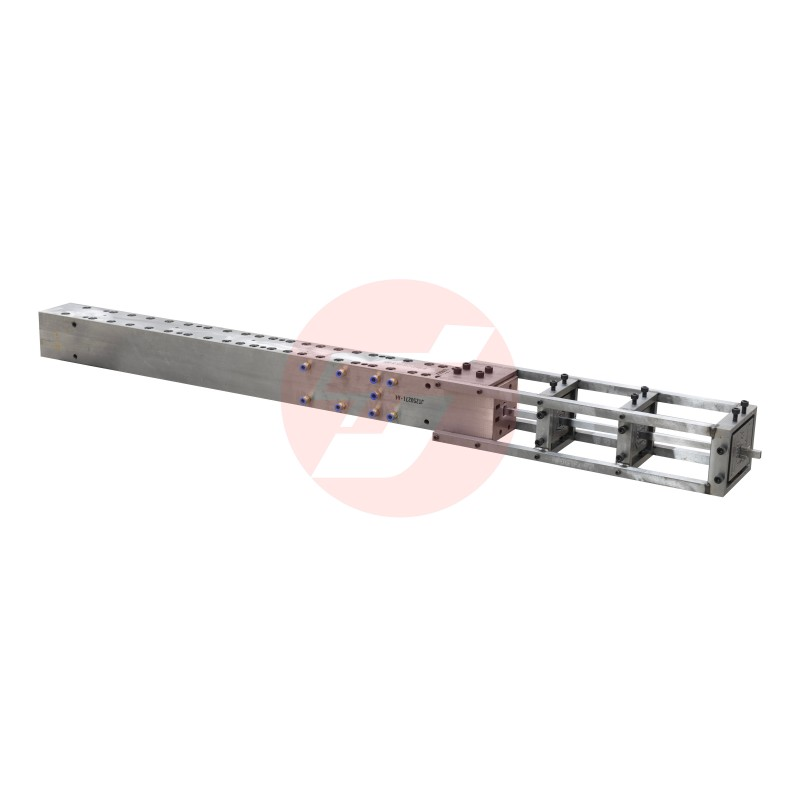
The wind energy blade mold represents a critical manufacturing component in the renewable energy sector, serving as the foundational tool for creating high-performance turbine blades that capture wind power efficiently. This specialized wind energy blade mold functions as a precise forming system that shapes composite materials into aerodynamically optimized blade structures. The primary purpose of every wind energy blade mold involves creating consistent, durable blade profiles that maximize energy conversion while maintaining structural integrity under extreme weather conditions. Modern wind energy blade mold systems incorporate advanced materials like steel, aluminum, and specialized composites to ensure dimensional accuracy and surface quality. The technological features of contemporary wind energy blade mold designs include computer-controlled heating systems, vacuum bagging capabilities, and modular construction elements that accommodate various blade sizes and specifications. Manufacturing facilities rely on wind energy blade mold technology to produce blades ranging from small residential turbine components to massive offshore wind farm installations exceeding 100 meters in length. The applications of wind energy blade mold systems extend across multiple sectors including onshore wind farms, offshore installations, and distributed energy generation projects. Each wind energy blade mold must deliver exceptional surface finish quality to minimize drag and optimize aerodynamic performance. The integration of smart manufacturing technologies within wind energy blade mold operations enables real-time monitoring of temperature, pressure, and curing processes. Quality control measures embedded in wind energy blade mold workflows ensure compliance with international standards and safety regulations. The versatility of modern wind energy blade mold designs allows manufacturers to adapt quickly to evolving turbine technologies and blade geometries, supporting the rapid growth of renewable energy infrastructure worldwide.

New Product Recommendations

Investing in advanced wind energy blade mold technology delivers substantial benefits that directly impact manufacturing efficiency, product quality, and long-term profitability. The precision engineering inherent in professional wind energy blade mold systems ensures consistent blade geometry across production runs, eliminating costly variations that compromise turbine performance. Manufacturers experience significant cost savings through reduced material waste when utilizing optimized wind energy blade mold configurations that maximize composite utilization rates. The durability of high-quality wind energy blade mold construction translates to extended operational lifecycles, often spanning decades with proper maintenance protocols. Production speed increases dramatically when facilities implement state-of-the-art wind energy blade mold technology, enabling faster cycle times and higher throughput to meet growing market demand. Quality assurance becomes streamlined through integrated monitoring systems within modern wind energy blade mold setups, reducing inspection requirements and accelerating delivery schedules. The modular nature of contemporary wind energy blade mold designs provides exceptional flexibility, allowing manufacturers to reconfigure production lines for different blade specifications without major capital investments. Energy efficiency improvements result from advanced heating and curing systems incorporated into premium wind energy blade mold platforms, reducing operational costs and environmental impact. Worker safety enhancements emerge from automated handling features and ergonomic designs built into modern wind energy blade mold installations, minimizing workplace injuries and improving productivity. Market competitiveness strengthens when manufacturers deploy cutting-edge wind energy blade mold technology that enables production of larger, more efficient blades demanded by next-generation turbines. Supply chain advantages materialize through standardized wind energy blade mold interfaces that facilitate collaboration with multiple suppliers and customers. The scalability of professional wind energy blade mold systems supports business growth by accommodating increased production volumes without proportional infrastructure expansion. Technology integration capabilities allow wind energy blade mold operations to connect seamlessly with enterprise resource planning systems, optimizing scheduling and resource allocation across manufacturing facilities.

Practical Tips

How to Evaluate the Quality of Glass Fiber Pultrusion Molds?

29

Dec

How to Evaluate the Quality of Glass Fiber Pultrusion Molds?

Manufacturing high-quality composite products requires precise tooling, and glass fiber pultrusion molds serve as the foundation for successful pultrusion processes. These specialized molds determine the dimensional accuracy, surface finish, and over...
View More
Why Are Epoxy Pultrusion Products Ideal for High-Strength Applications?

29

Dec

Why Are Epoxy Pultrusion Products Ideal for High-Strength Applications?

Epoxy pultrusion represents a revolutionary manufacturing process that combines the superior strength properties of epoxy resins with the continuous production capabilities of pultrusion technology. This advanced composite manufacturing method has tr...
View More
Why Are Photovoltaic Frame Pultrusion Molds Key to Panel Stability?

05

Jan

Why Are Photovoltaic Frame Pultrusion Molds Key to Panel Stability?

Solar panel manufacturing requires precision engineering at every stage, particularly when it comes to creating the structural frames that protect and support photovoltaic cells. The photovoltaic frame pultrusion mold represents a critical component ...
View More
How to Maintain Carbon Fiber Pultrusion Molds for Long-Term Stability?

13

Feb

How to Maintain Carbon Fiber Pultrusion Molds for Long-Term Stability?

Carbon fiber pultrusion molds represent one of the most critical components in manufacturing high-performance composite materials for industries ranging from aerospace to renewable energy. These precision-engineered tools require meticulous maintenan...
View More

Get a Free Quote

A professional manufacturer of composite material molds.
Email
WhatsApp
Name
Company Name
Message
0/1000
Attachment
Please upload at least an attachment
Up to 3 files,more 30mb,suppor jpg、jpeg、png、pdf、doc、docx、xls、xlsx、csv、txt

wind energy blade mold

Precision Manufacturing Excellence Through Advanced Mold Design

Precision Manufacturing Excellence Through Advanced Mold Design

The cornerstone of exceptional wind energy blade mold performance lies in its ability to deliver unparalleled manufacturing precision that directly impacts turbine efficiency and energy generation capacity. Every wind energy blade mold incorporates sophisticated engineering principles that ensure dimensional accuracy within extremely tight tolerances, typically maintaining specifications within millimeters across blade lengths exceeding 80 meters. This precision becomes critical when considering that even minor geometric variations can significantly reduce turbine performance and create imbalanced rotational forces that damage equipment over time. The advanced design features of professional wind energy blade mold systems include computer-controlled machining processes that create perfectly smooth surface finishes, eliminating imperfections that could introduce aerodynamic drag or structural weak points. Temperature management systems integrated throughout the wind energy blade mold structure maintain uniform heat distribution during curing processes, preventing warping or internal stress concentrations that compromise blade integrity. The materials selection for premium wind energy blade mold construction involves aerospace-grade alloys and specialized composites that resist thermal expansion while maintaining structural stability under repeated heating and cooling cycles. Quality control mechanisms embedded within wind energy blade mold operations include laser measurement systems and coordinate measuring machines that verify dimensional accuracy at every production stage. The economic impact of precision manufacturing through advanced wind energy blade mold technology extends beyond initial production costs, as accurately manufactured blades deliver superior performance throughout their operational lifespans, generating more electricity and requiring fewer maintenance interventions. Manufacturers benefit from reduced warranty claims and enhanced customer satisfaction when utilizing precision-engineered wind energy blade mold systems that consistently produce blades meeting or exceeding performance specifications. The competitive advantages gained through precision wind energy blade mold capabilities enable manufacturers to secure contracts for premium turbine projects where performance guarantees and quality standards demand the highest levels of manufacturing excellence.
Operational Efficiency Maximization Through Smart Automation Integration

Operational Efficiency Maximization Through Smart Automation Integration

Revolutionary automation technologies integrated into modern wind energy blade mold systems transform manufacturing operations by optimizing cycle times, reducing labor requirements, and enhancing overall production efficiency across all operational parameters. The implementation of smart automation within wind energy blade mold facilities enables continuous production monitoring through advanced sensor networks that track temperature, pressure, humidity, and curing progression in real-time. These automated systems significantly reduce the potential for human error while ensuring consistent process parameters that are essential for producing high-quality turbine blades with uniform structural properties. The integration of robotics within wind energy blade mold operations streamlines material handling processes, precisely positioning reinforcement fabrics and resin systems according to predetermined specifications while minimizing waste and improving safety conditions for production workers. Predictive maintenance algorithms embedded in sophisticated wind energy blade mold control systems analyze operational data to identify potential equipment issues before they cause production disruptions, reducing unplanned downtime and maintenance costs. The automation capabilities extend to inventory management systems that automatically track material consumption and trigger reorder processes, ensuring continuous production flow without material shortages or excess inventory carrying costs. Energy management automation within wind energy blade mold facilities optimizes power consumption by coordinating heating, cooling, and curing systems to minimize energy usage while maintaining required process parameters. The data collection and analysis capabilities of automated wind energy blade mold systems provide valuable insights into production trends, quality metrics, and efficiency opportunities that enable continuous improvement initiatives. Integration with enterprise resource planning systems allows wind energy blade mold operations to synchronize production schedules with supply chain activities and customer delivery requirements, optimizing overall business performance. The scalability of automated wind energy blade mold systems enables manufacturers to increase production capacity without proportional increases in labor costs or facility space requirements. Training requirements decrease significantly when wind energy blade mold operations incorporate user-friendly automation interfaces that simplify complex manufacturing processes and reduce the learning curve for new employees.

Sustainable Manufacturing Leadership Through Environmental Innovation

Sustainable Manufacturing Leadership Through Environmental Innovation

Environmental sustainability represents a fundamental advantage of advanced wind energy blade mold technology, positioning manufacturers as leaders in responsible production practices while reducing operational costs and regulatory compliance burdens. The energy-efficient design of modern wind energy blade mold systems incorporates sophisticated insulation materials and heat recovery systems that minimize energy consumption during manufacturing processes, significantly reducing carbon footprint and operational expenses. Waste reduction capabilities built into contemporary wind energy blade mold operations include precision material placement systems that optimize composite utilization rates, minimizing scrap generation and reducing raw material costs while supporting circular economy principles. The longevity of professional-grade wind energy blade mold construction reduces the frequency of equipment replacement, decreasing manufacturing waste and resource consumption associated with production facility updates. Advanced curing technologies integrated within wind energy blade mold systems enable lower-temperature processing options that reduce energy requirements while maintaining blade quality standards, supporting both environmental goals and cost reduction objectives. The compatibility of modern wind energy blade mold designs with bio-based and recycled composite materials enables manufacturers to adopt sustainable raw materials without compromising product performance or production efficiency. Water conservation features incorporated into wind energy blade mold cooling systems include closed-loop circulation and advanced filtration technologies that minimize water consumption and eliminate contaminated discharge. The modular construction approach utilized in premium wind energy blade mold systems extends equipment lifecycles by enabling component upgrades and replacements without complete system reconstruction, reducing material waste and capital expenditure requirements. Air quality management systems integrated within wind energy blade mold facilities capture and treat process emissions, ensuring compliance with environmental regulations while protecting worker health and surrounding communities. The ability to produce larger, more efficient turbine blades using advanced wind energy blade mold technology directly supports renewable energy expansion goals by enabling higher energy generation capacity per installation. Supply chain sustainability improves when manufacturers implement wind energy blade mold systems that support local sourcing strategies and reduce transportation requirements through efficient production processes. The documentation and reporting capabilities of smart wind energy blade mold systems facilitate environmental compliance monitoring and sustainability reporting requirements, simplifying regulatory adherence and supporting corporate social responsibility initiatives.

Get a Free Quote

A professional manufacturer of composite material molds.
Email
WhatsApp
Name
Company Name
Message
0/1000
Attachment
Please upload at least an attachment
Up to 3 files,more 30mb,suppor jpg、jpeg、png、pdf、doc、docx、xls、xlsx、csv、txt