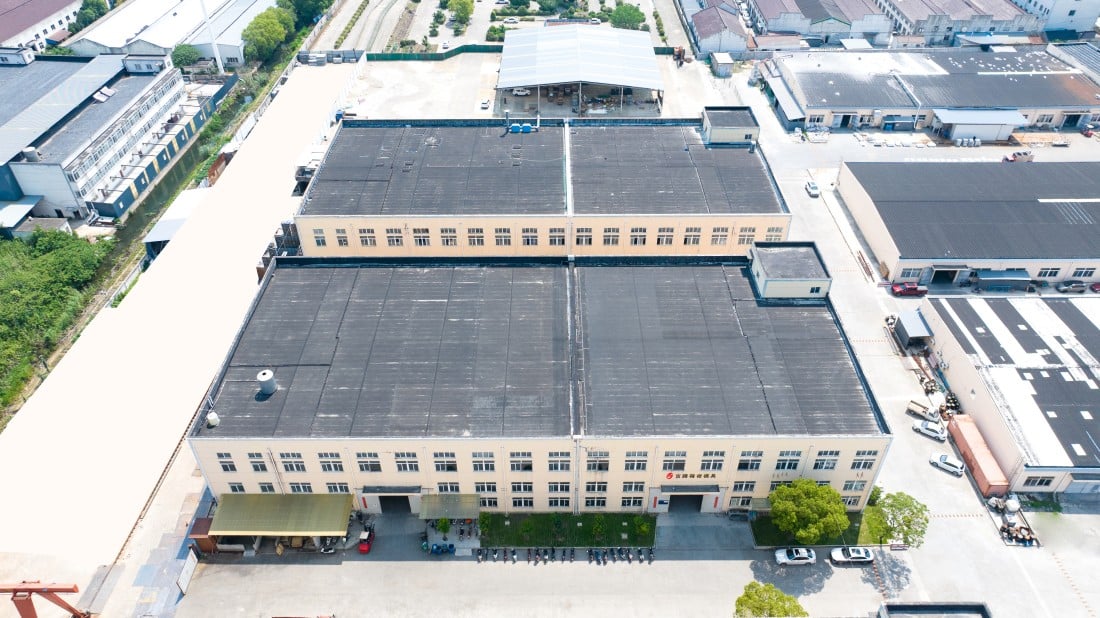
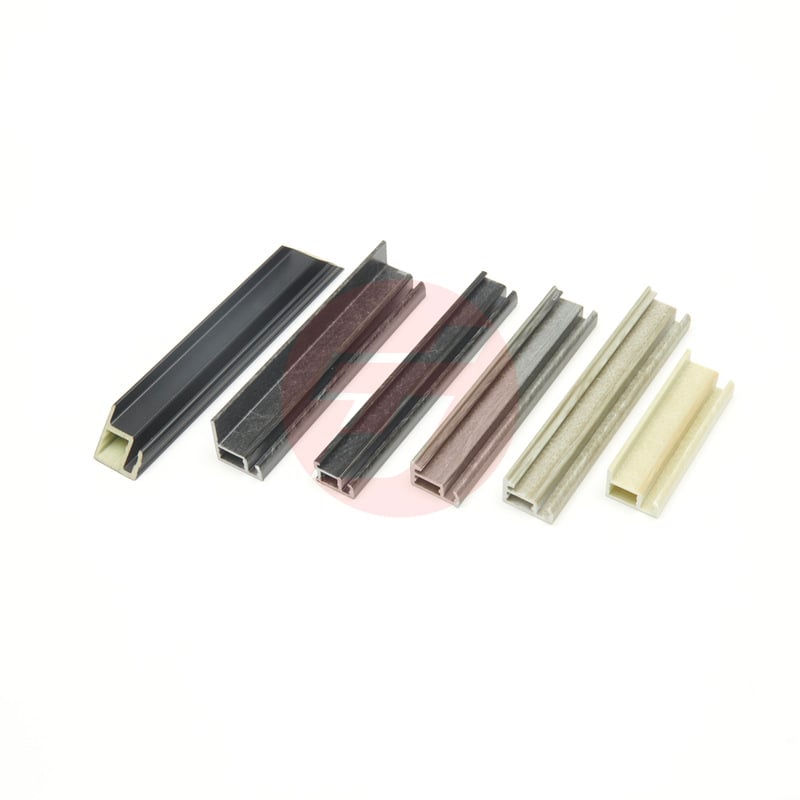
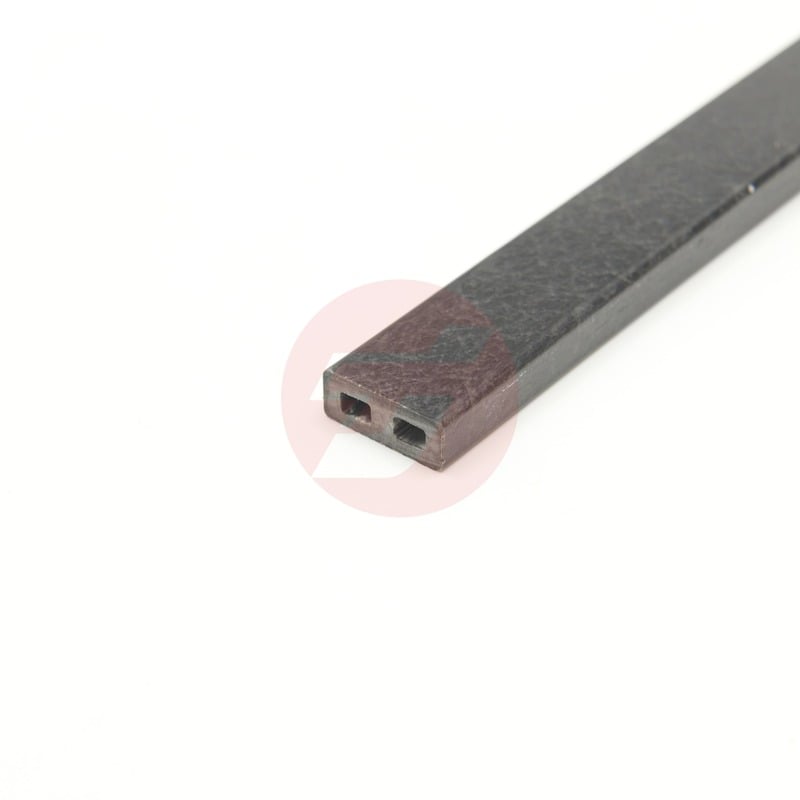
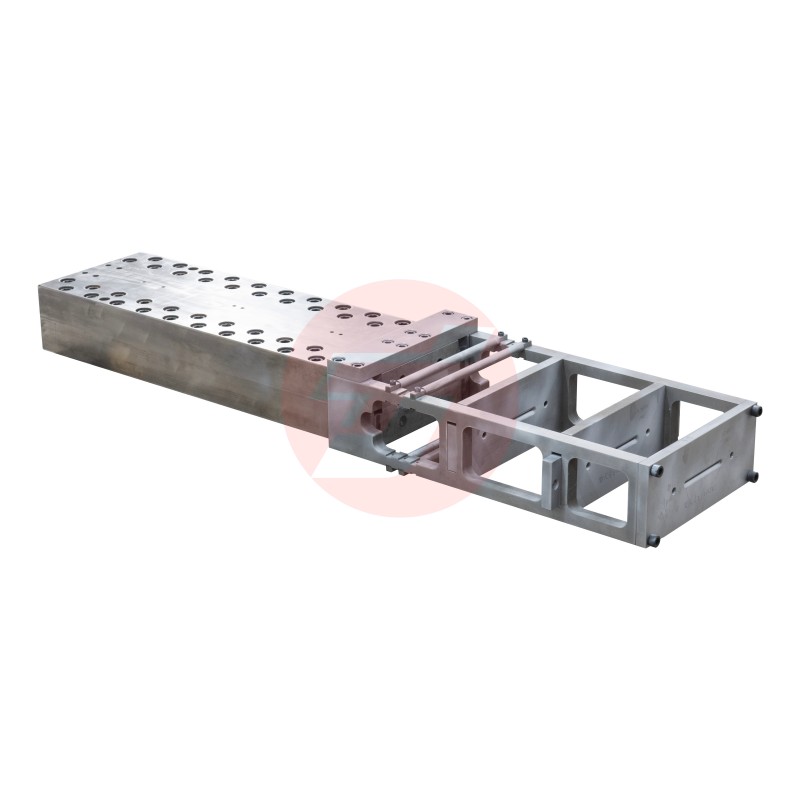
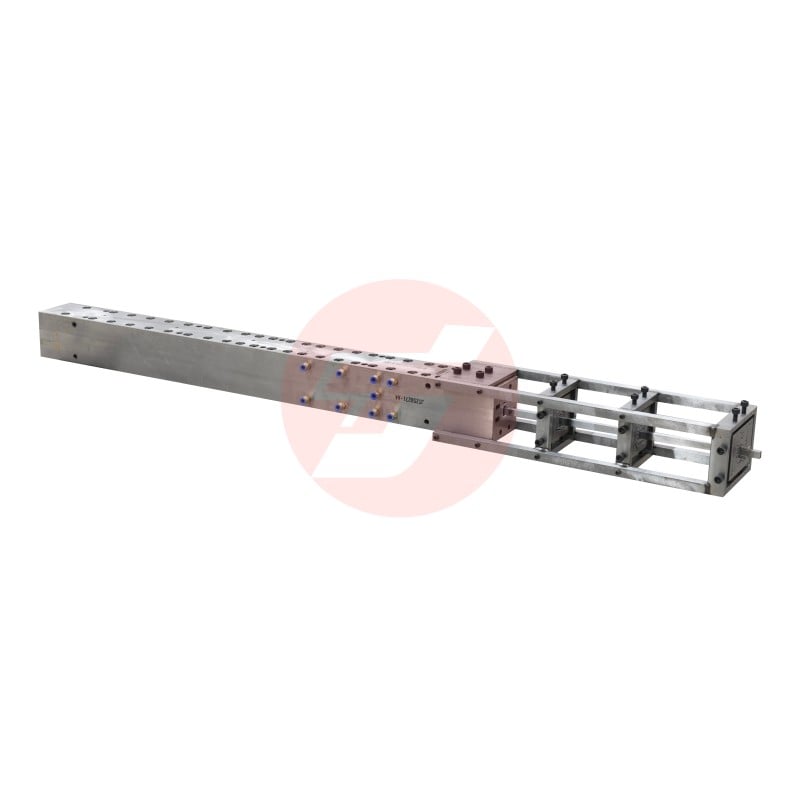
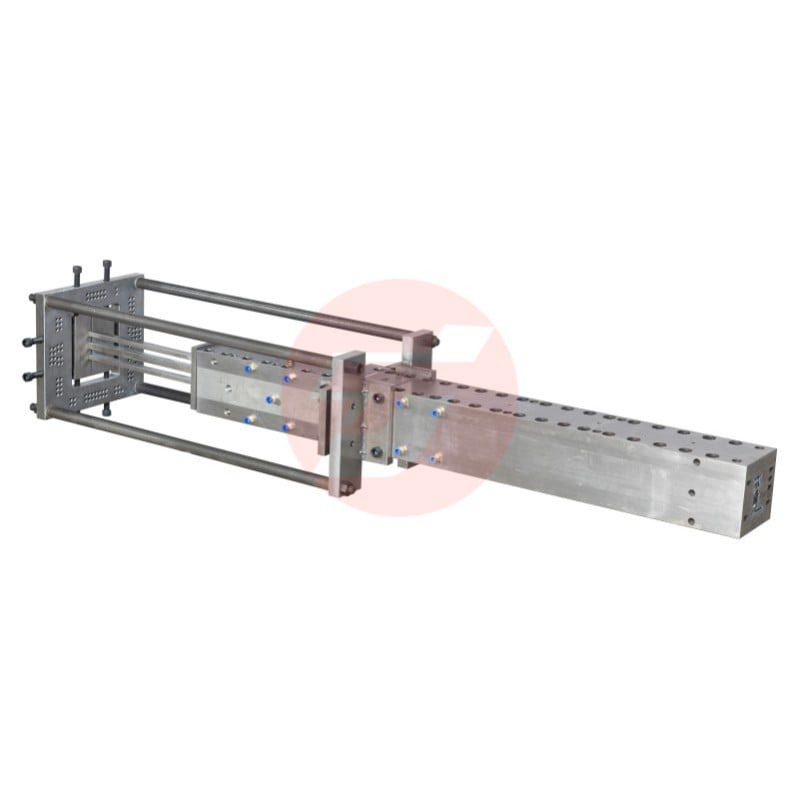
PV frame molds are the core tooling for mass production of composite photovoltaic frames. Adopting proven pultrusion technology, they realize continuous shaping and curing of raw materials such as glass fibers and resin. As critical equipment ensuring accurate dimensions, stable structure and smooth appearance of PV frames, these molds are widely used in the production of supporting profiles for new-energy photovoltaic modules. Suzhou Jiteng specializes in the R&D and manufacturing of high-precision PV frame molds. With sophisticated mold structural design and mature processes, we support the industry in efficient, stable mass production of high-quality PV frame profiles.
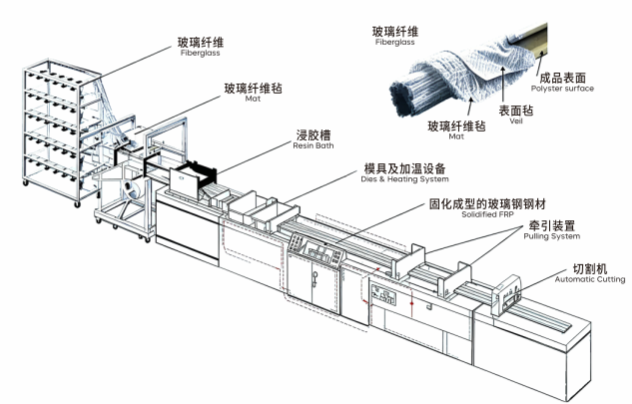
I. Core Working Principle of PV Frame Molds
PV frame molds operate on the principle of continuous pultrusion and curing. Combined with precise temperature control and streamlined cavity structures, they enable integrated forming of raw materials. During production, resin-impregnated glass fiber reinforcements are fed into the mold cavity at a constant speed by traction equipment. The materials pass through pre-set constant-temperature heating zones inside the mold to achieve fast and uniform resin curing, and are continuously shaped into PV frame profiles with consistent specifications. The whole process eliminates intermittent demolding, enabling automated continuous production while balancing production efficiency and product consistency.
As the core forming medium, the internal cavity precision, flow channel design and temperature uniformity of the mold directly determine the dimensional tolerance, surface flatness, structural strength, insulation and weather resistance of PV frames. They are also essential to avoid production defects including profile deformation, burrs, resin buildup and cracking.
II. Complete Forming Process of PV Frame Molds
1. Raw Material Feeding & Preforming
Resin-impregnated glass fiber substrates are arranged in accordance with the cross-sectional structure of PV frames and fed evenly into the mold inlet. Equipped with optimized dedicated yarn-guiding and flow-guiding structures, the mold inlet precisely arranges substrates to prevent material shifting and accumulation. This ensures uniform wall thickness of profiles from the very beginning and lays a solid foundation for subsequent precision forming.
2. Constant-Temperature Curing & Shaping
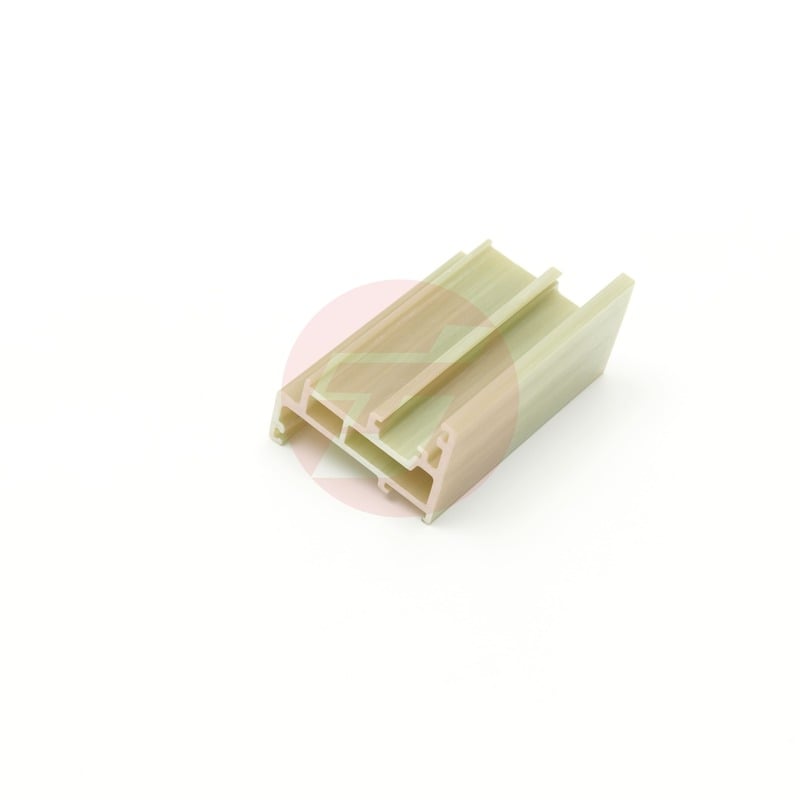
The mold is equipped with a zoned constant-temperature control system, which accurately regulates temperature ranges according to resin curing characteristics to ensure even heating across the entire mold. Raw materials undergo curing reactions inside the mold cavity. Supported by high-precision cavity contours, key structures such as clamping grooves, folded edges and mounting bases of PV frames are accurately reproduced, guaranteeing consistent dimensions and regular structures for every section of profile.
3. Smooth Demolding & Continuous Pultrusion
The mold cavity undergoes ultra-precision polishing and anti-sticking treatment together with a scientific draft angle design. This allows smoothly demolding of cured PV frame profiles and effectively prevents mold sticking, resin buildup and surface scratches. Cooperating with constant-speed traction equipment on the production line, uninterrupted continuous output of profiles is realized to greatly improve mass production efficiency.
4. Precision Sizing & Finished Product Output
PV frame profiles formed by the mold meet industry standards in dimensional accuracy, straightness and flatness. Subsequent simple fixed-length cutting and finishing are sufficient for assembly into photovoltaic modules, reducing secondary processing costs and defect rates throughout the process.
III. Core Advantages of High-Precision PV Frame Molds
Compared with ordinary profile molds, PV frame molds impose stricter requirements on precision, stability and durability. Suzhou Jiteng’s PV frame molds feature refined structural optimization with tight control over cavity dimensional tolerances and balanced, stable temperature zoning. They fully satisfy the application requirements of PV frames for lightweight design, high strength, superior insulation, weather resistance and anti-corrosion performance.
In addition, the molds are tailored for large-scale mass production. They resist deformation, abrasion and jamming caused by resin buildup, effectively lowering the frequency of equipment downtime for maintenance and shortening production cycles. We help customers boost product yield and production capacity to meet the demand for high-volume, high-quality profile manufacturing in the photovoltaic industry worldwide.
IV. Industry Application Value
With the rapid growth of the photovoltaic industry, PV frames serve as core components for module protection and load-bearing installation. Their quality directly affects the service life and operational safety of photovoltaic modules. Premium PV frame molds form the fundamental guarantee for profile quality. Backed by mature mold R&D, precision machining and quality control systems, Suzhou Jiteng continuously delivers customized PV frame mold solutions featuring excellent adaptability, long service life and high precision for the new energy sector, facilitating high-quality and large-scale development of the photovoltaic industry.

Suzhou Jiteng Precision Mold Co., Ltd. provides high-precision pultrusion molds for wind power, PV, and polyurethane applications. ISO9001-certified, ±0.02mm tolerance, 180+ molds/month. 20+ years’ expertise. Request a quote today.
No. 5, Tongxin East Road, Wanping Community, East Taihu Ecotourism Resort, Wujiang District, Suzhou,China
Copyright © 2026 Suzhou Jiteng Precision Mould Co., Ltd. All rights reserved. Privacy Policy
 EN
EN
 Hot News