pultruded polyurethane factory
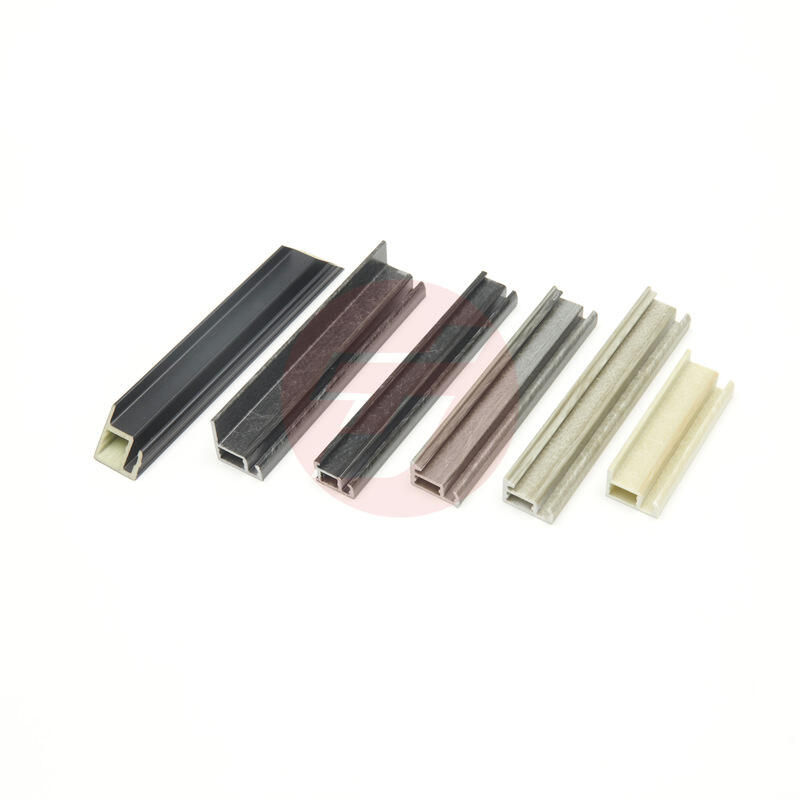
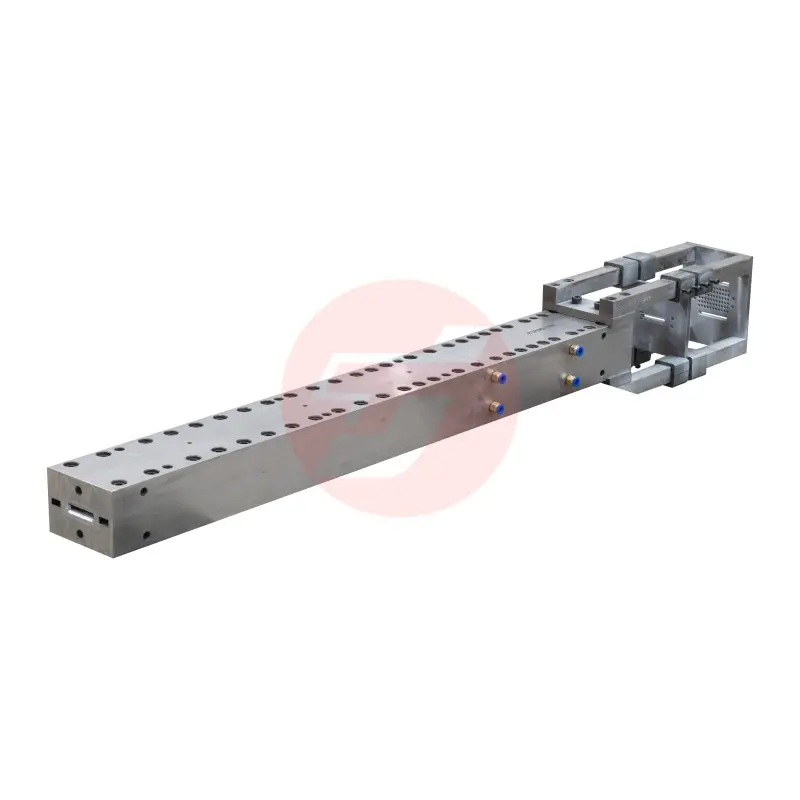
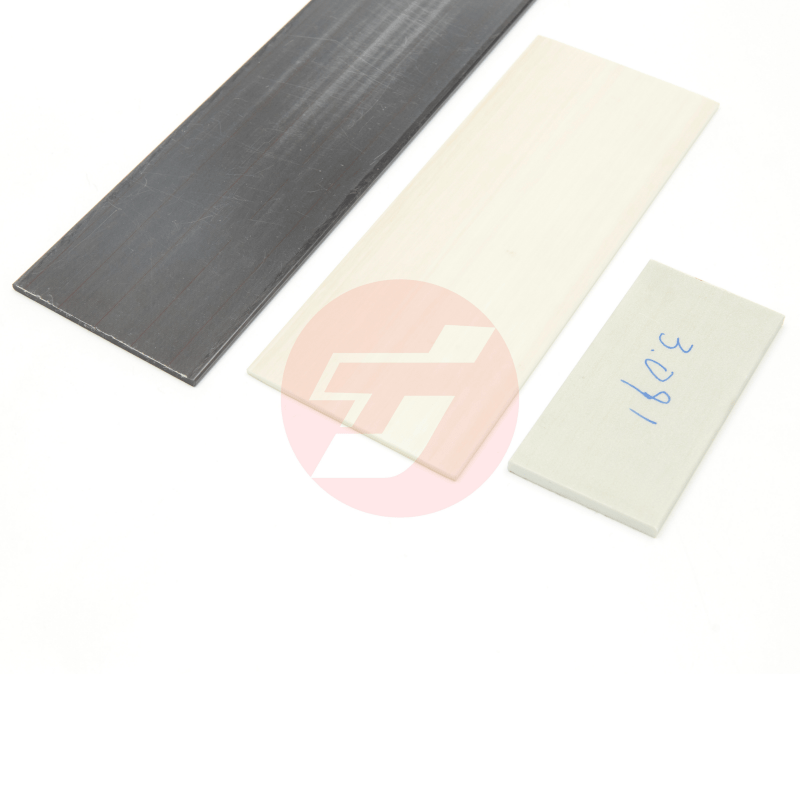
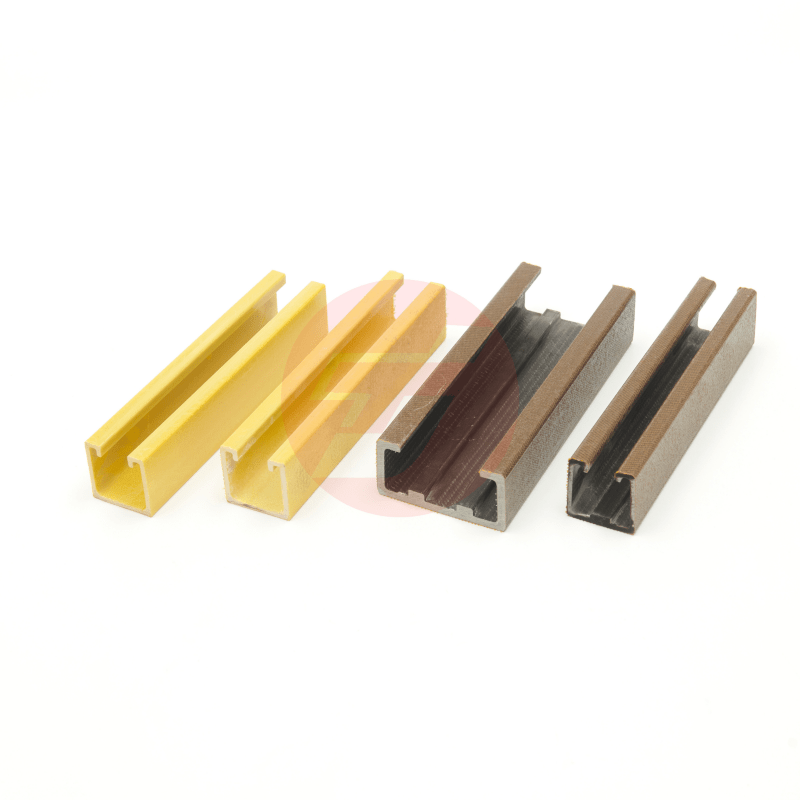
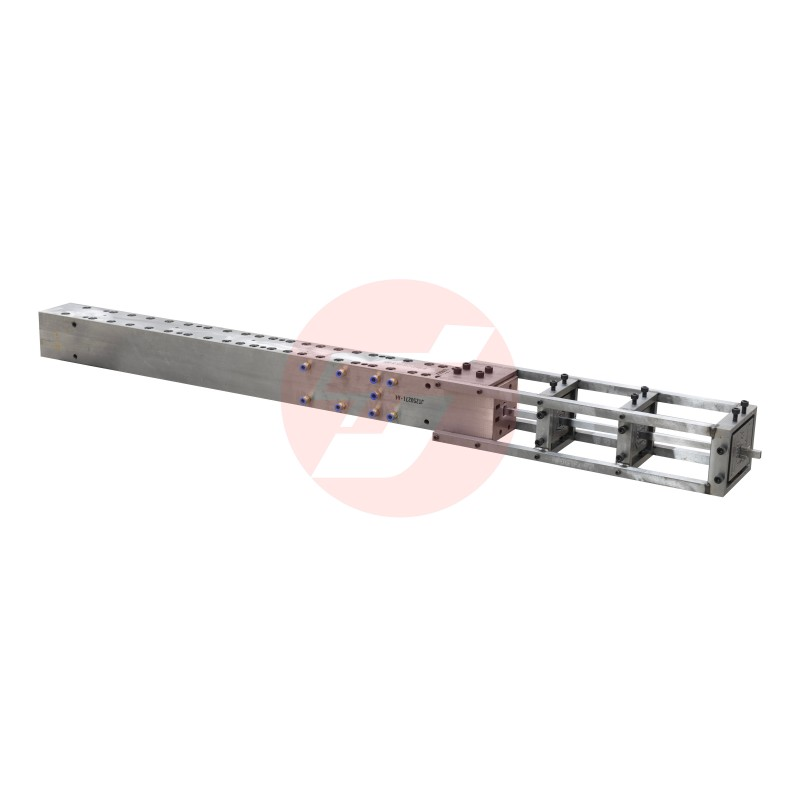
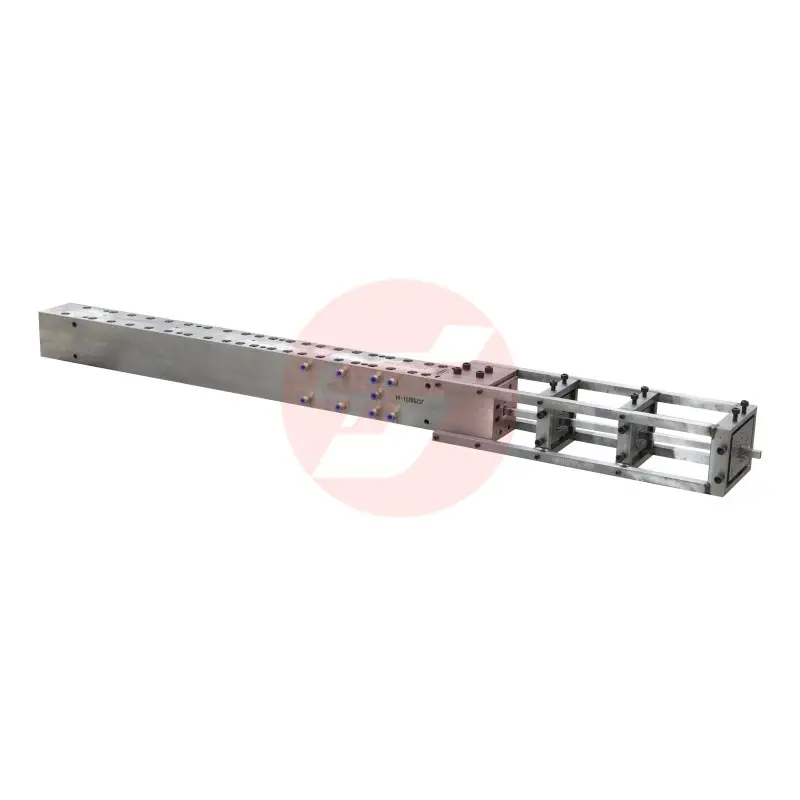
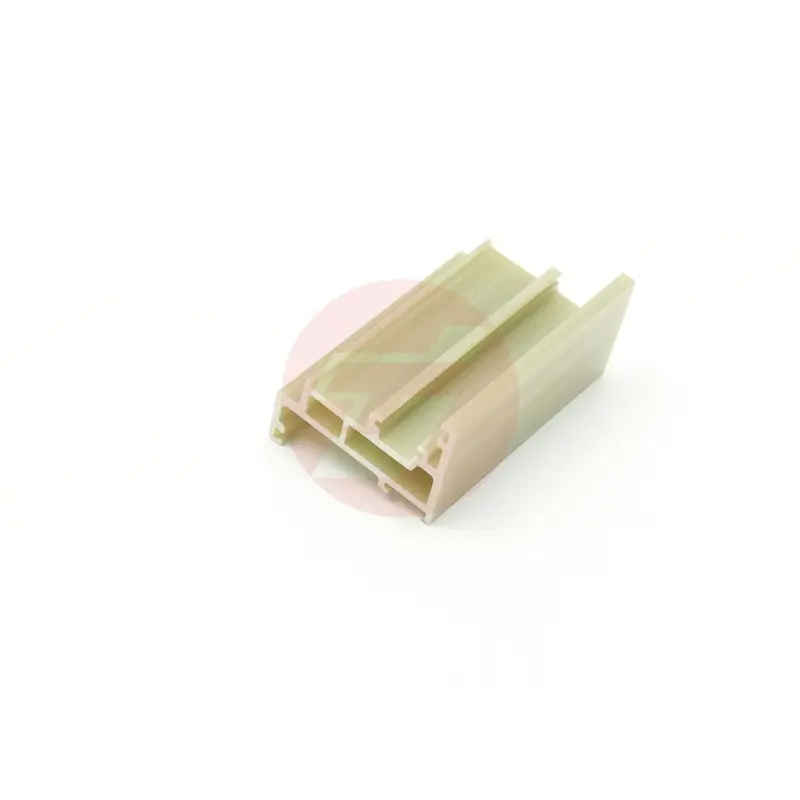
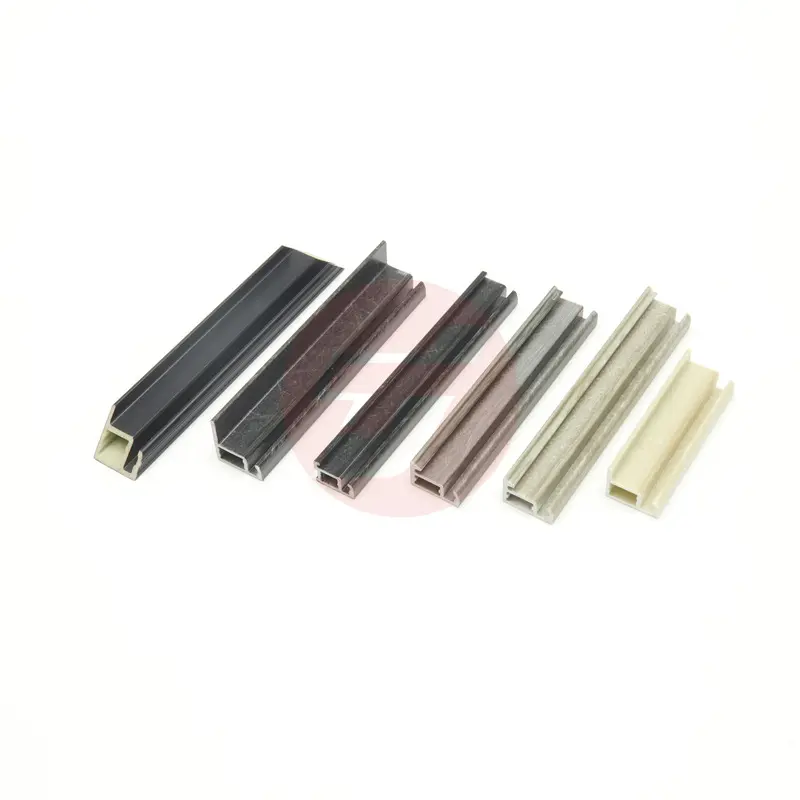
A pultruded polyurethane factory represents a cutting-edge manufacturing facility that specializes in producing high-performance composite materials through the pultrusion process combined with polyurethane chemistry. This advanced manufacturing operation focuses on creating structural profiles, rods, tubes, and custom shapes that offer exceptional strength-to-weight ratios and superior durability. The primary function of a pultruded polyurethane factory involves pulling continuous fiber reinforcements through a heated die while simultaneously infusing them with specially formulated polyurethane resin systems. This process creates continuous composite profiles with consistent cross-sectional properties and excellent mechanical characteristics. The technological features of these facilities include precision temperature control systems, automated fiber handling equipment, and sophisticated curing chambers that ensure optimal product quality. Modern pultruded polyurethane factories utilize computer-controlled pultrusion lines that maintain precise speed, temperature, and pressure parameters throughout the manufacturing process. The applications for products manufactured in these facilities span numerous industries including construction, infrastructure, transportation, marine, and renewable energy sectors. These materials excel in environments requiring corrosion resistance, electrical insulation, and structural integrity. Construction applications include structural beams, bridge components, and architectural elements that resist weathering and chemical exposure. Infrastructure projects benefit from pultruded polyurethane products in applications such as utility poles, handrails, and grating systems. The transportation industry utilizes these materials for lightweight structural components that reduce vehicle weight while maintaining strength requirements. Marine applications leverage the corrosion resistance properties for dock systems, boat hulls, and offshore platform components. The renewable energy sector employs these materials in wind turbine components and solar panel support structures where long-term durability and environmental resistance are essential.

 EN
EN