precision compression molding manufacturer
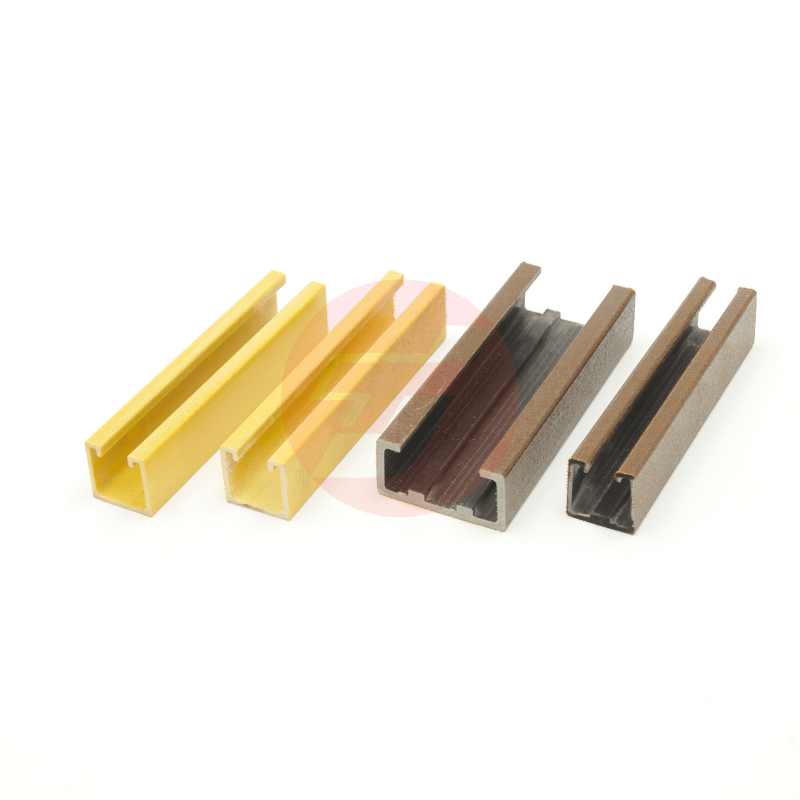
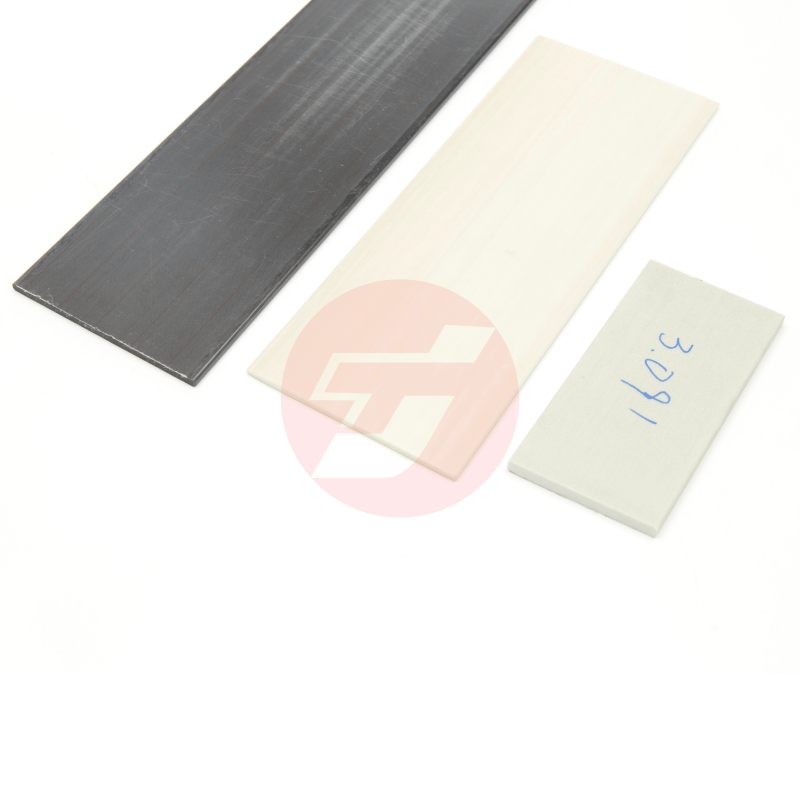
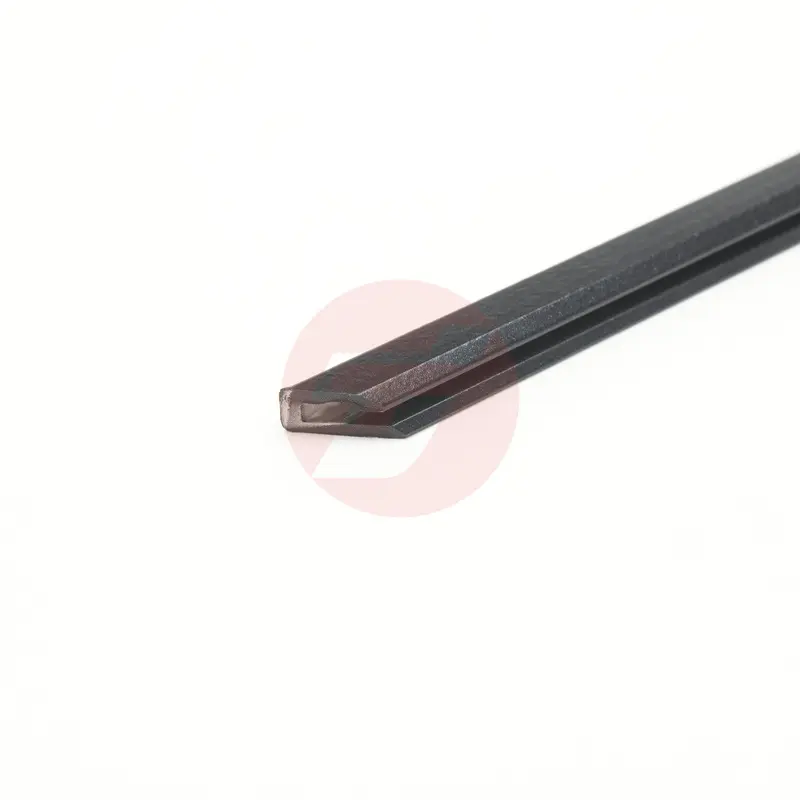
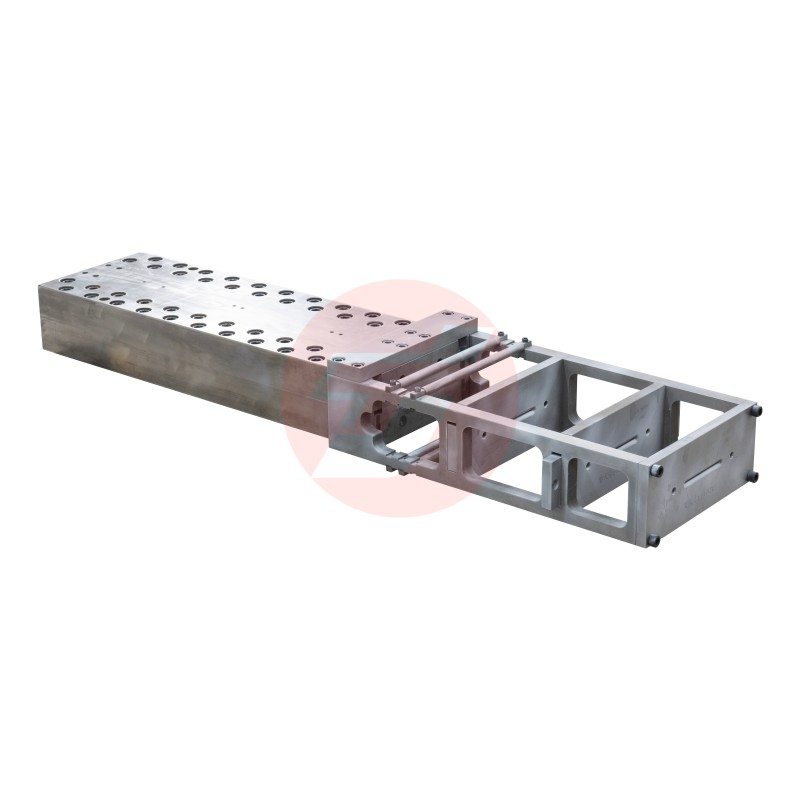
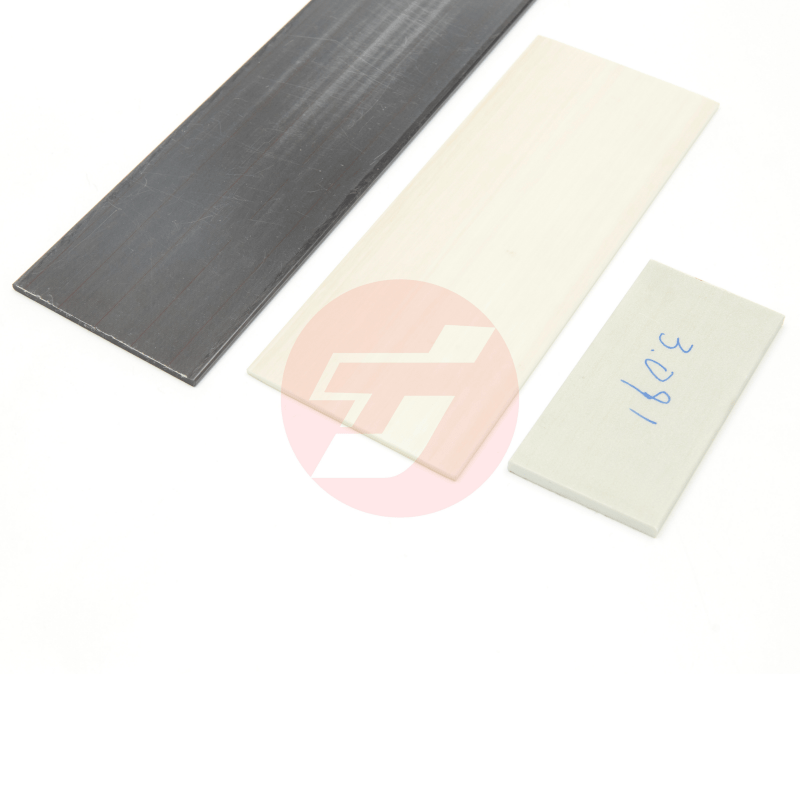
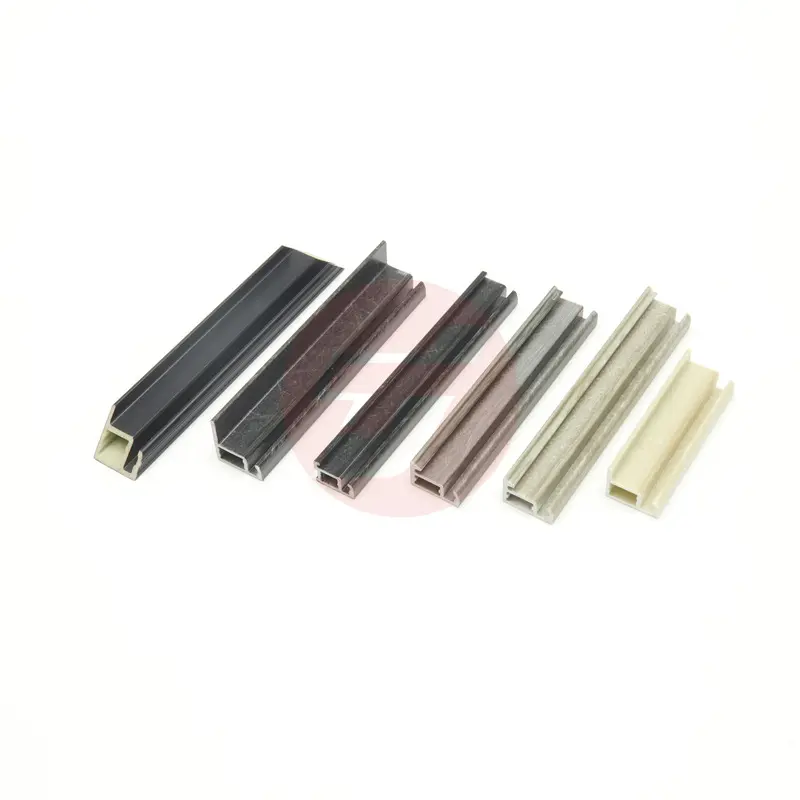
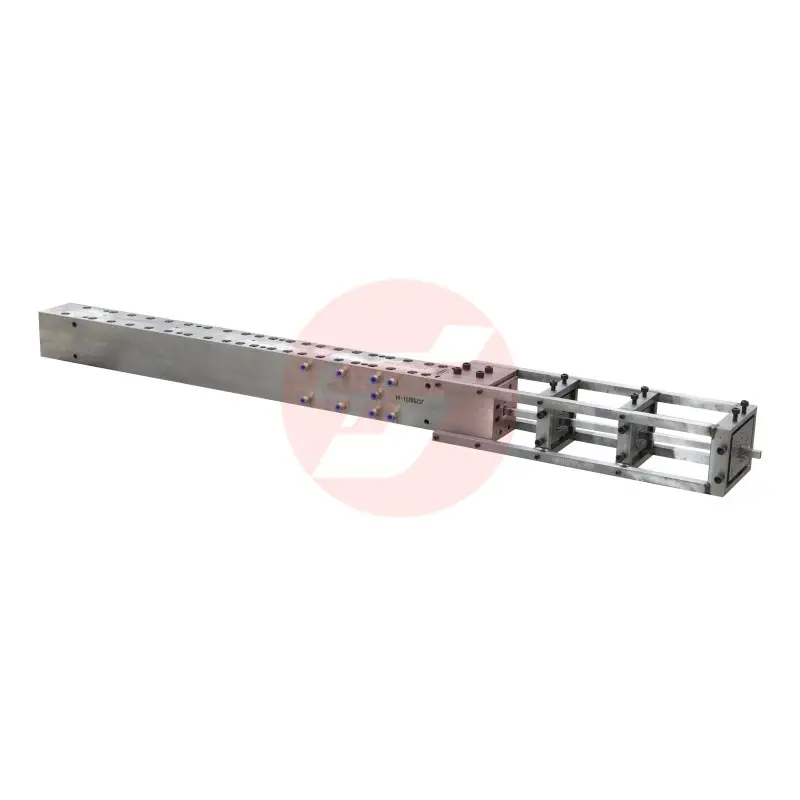
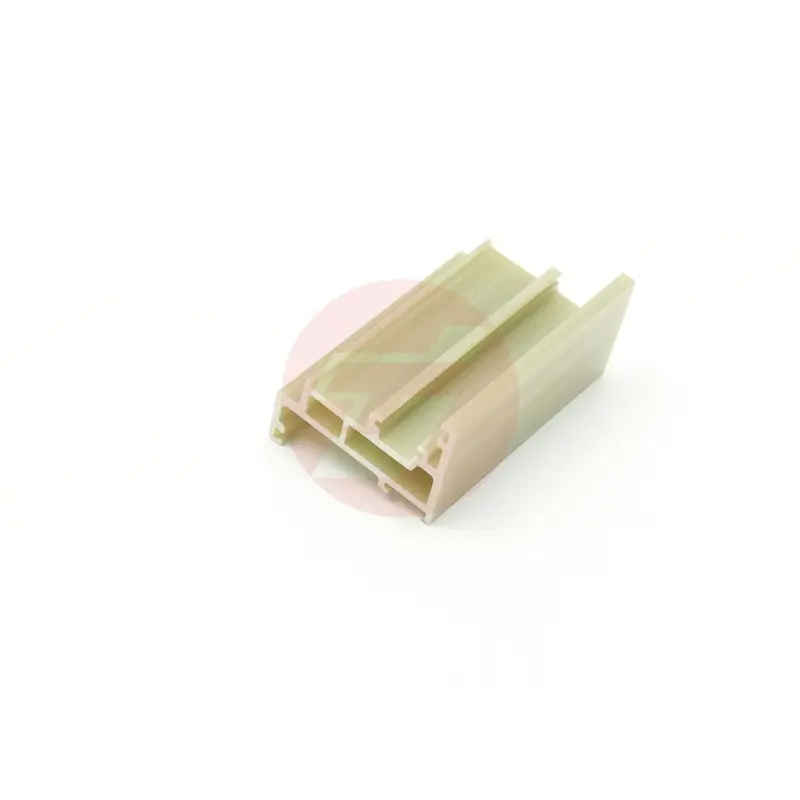
A precision compression molding manufacturer represents a specialized industrial entity that produces high-quality molded components through advanced compression molding techniques. This type of manufacturer utilizes sophisticated equipment and processes to create precise, durable parts from various materials including thermoplastics, thermosets, and composite materials. The precision compression molding manufacturer operates state-of-the-art facilities equipped with hydraulic presses, automated systems, and quality control mechanisms that ensure consistent product delivery. The main functions of a precision compression molding manufacturer encompass design consultation, material selection guidance, prototype development, production planning, and quality assurance testing. These manufacturers work closely with clients across multiple industries to transform raw materials into finished components that meet exact specifications. The technological features of modern precision compression molding manufacturer facilities include computer-controlled heating systems, programmable press operations, real-time monitoring capabilities, and automated material handling systems. These advanced technologies enable manufacturers to maintain tight tolerances, reduce cycle times, and minimize material waste throughout the production process. Applications for precision compression molding manufacturer services span numerous sectors including automotive components, electrical insulators, medical device parts, aerospace components, and consumer goods. The precision compression molding manufacturer serves clients requiring high-volume production runs with consistent quality standards. Manufacturing processes typically involve preheating materials, loading them into precision-machined molds, applying controlled pressure and temperature, and executing proper curing cycles. Quality control measures implemented by a professional precision compression molding manufacturer include dimensional inspection, material testing, surface finish evaluation, and performance validation. These comprehensive quality systems ensure that every component meets or exceeds customer expectations while maintaining cost-effectiveness and delivery schedules.

 EN
EN