Lightweight Advantage: Revolutionary Weight Reduction Technology for Superior Performance and Efficiency

All Categories

Get a Free Quote

A professional manufacturer of composite material molds.
Email
WhatsApp
Name
Company Name
Message
0/1000
Attachment
Please upload at least an attachment
Up to 3 files,more 30mb,suppor jpg、jpeg、png、pdf、doc、docx、xls、xlsx、csv、txt

lightweight advantage

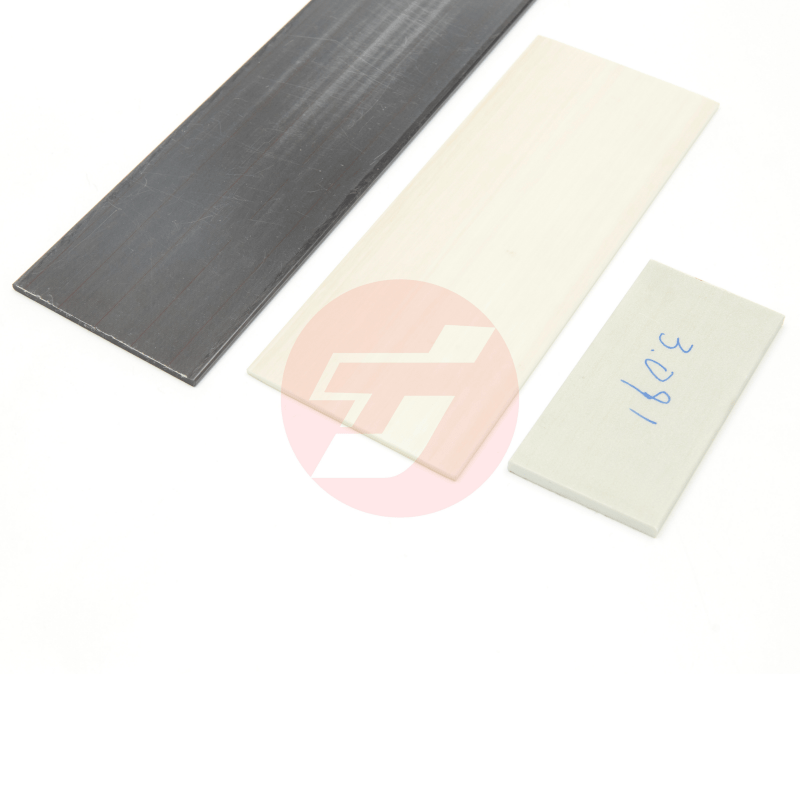
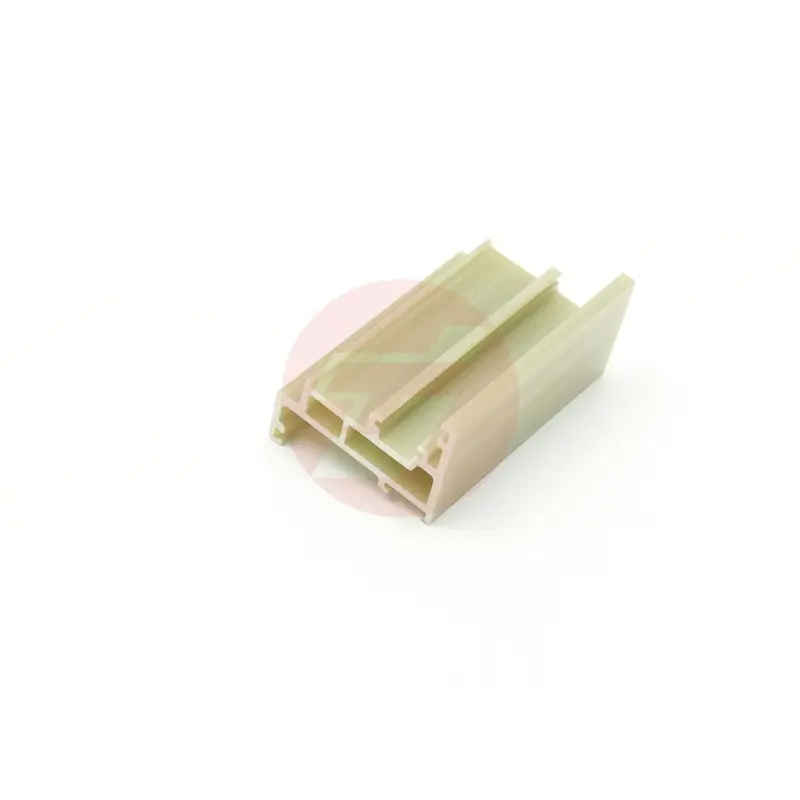
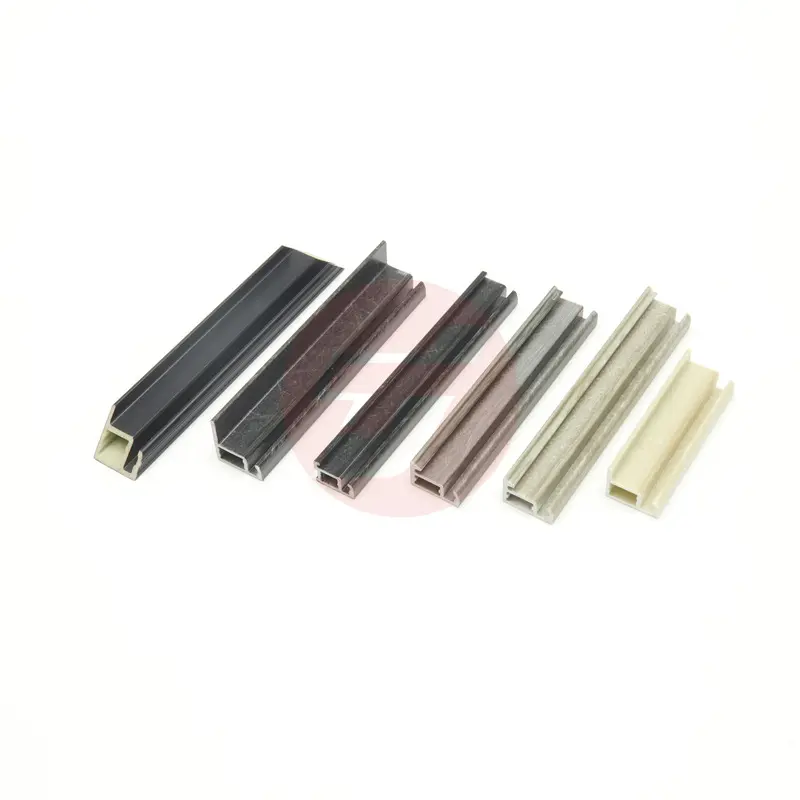
The lightweight advantage represents a revolutionary approach to product design and engineering that prioritizes reduced weight without compromising performance, durability, or functionality. This innovative concept has become increasingly important across multiple industries, from automotive and aerospace to consumer electronics and construction materials. The lightweight advantage encompasses advanced materials science, cutting-edge manufacturing processes, and intelligent design methodologies that work together to create products that are significantly lighter than traditional alternatives while maintaining or even exceeding performance standards. The main functions of the lightweight advantage include enhanced portability, improved energy efficiency, reduced transportation costs, and increased user comfort. These benefits are achieved through the strategic use of advanced materials such as carbon fiber composites, aluminum alloys, titanium, and high-strength polymers. The technological features behind the lightweight advantage involve sophisticated engineering techniques including hollow construction methods, lattice structures, material optimization algorithms, and computer-aided design systems that analyze stress distribution and weight reduction opportunities. Modern manufacturing processes such as 3D printing, precision machining, and advanced molding techniques enable the creation of complex geometries that maximize strength while minimizing material usage. The applications of the lightweight advantage span numerous sectors, including automotive manufacturing where lighter vehicles improve fuel efficiency and handling, aerospace engineering where weight reduction directly impacts flight performance and operational costs, consumer electronics where portable devices benefit from reduced weight for enhanced user experience, and construction where lighter materials simplify installation processes and reduce structural load requirements. The lightweight advantage also extends to sports equipment, medical devices, and industrial machinery, where weight reduction can significantly improve performance outcomes and user satisfaction.

New Product Recommendations

The lightweight advantage delivers substantial practical benefits that directly impact cost savings, operational efficiency, and user experience across various applications. First, the most immediate benefit is improved fuel efficiency and reduced energy consumption. When products weigh less, they require less energy to move, operate, or transport, resulting in significant cost savings over time. In automotive applications, every kilogram of weight reduction can improve fuel economy by approximately 0.3 to 0.5 percent, leading to substantial savings for vehicle owners and fleet operators. The lightweight advantage also enhances performance characteristics by improving acceleration, handling, and responsiveness. Lighter products typically demonstrate superior maneuverability, faster response times, and reduced wear on supporting components, extending overall product lifespan and reducing maintenance requirements. Another critical advantage is the reduction in shipping and handling costs. Lighter products cost less to transport, whether by air, sea, or land freight, making them more economically viable for both manufacturers and consumers. This weight reduction also simplifies logistics operations, reduces packaging requirements, and minimizes storage space needs. The lightweight advantage significantly improves user comfort and ergonomics, particularly in handheld devices, portable equipment, and wearable products. Users experience less fatigue during extended use periods, improved mobility, and enhanced overall satisfaction with the product experience. Manufacturing benefits include reduced raw material costs, lower production energy requirements, and simplified assembly processes. The lightweight advantage often enables the use of smaller, more efficient production equipment and reduces the environmental impact of manufacturing operations. Safety improvements represent another crucial benefit, as lighter products typically cause less injury during accidents or mishandling situations. In construction applications, lighter materials reduce structural stress on buildings and infrastructure, potentially extending service life and reducing maintenance requirements. The lightweight advantage also enables innovative product designs that were previously impossible with heavier materials, opening new market opportunities and competitive advantages. These cumulative benefits create a compelling value proposition that resonates with cost-conscious consumers, environmentally aware buyers, and performance-oriented users seeking superior products that deliver measurable improvements in their daily operations.

Tips And Tricks

How to Evaluate the Quality of Glass Fiber Pultrusion Molds?

29

Dec

How to Evaluate the Quality of Glass Fiber Pultrusion Molds?

Manufacturing high-quality composite products requires precise tooling, and glass fiber pultrusion molds serve as the foundation for successful pultrusion processes. These specialized molds determine the dimensional accuracy, surface finish, and over...
View More
How Do Pultrusion Molds Enhance Durability in Solar Frame Manufacturing?

05

Jan

How Do Pultrusion Molds Enhance Durability in Solar Frame Manufacturing?

Solar frame manufacturing has undergone significant technological advancement in recent years, with pultrusion molds emerging as a critical component in producing durable, high-performance photovoltaic frames. The integration of advanced pultrusion t...
View More
Why Are Photovoltaic Frame Pultrusion Molds Key to Panel Stability?

05

Jan

Why Are Photovoltaic Frame Pultrusion Molds Key to Panel Stability?

Solar panel manufacturing requires precision engineering at every stage, particularly when it comes to creating the structural frames that protect and support photovoltaic cells. The photovoltaic frame pultrusion mold represents a critical component ...
View More
Which Applications Benefit Most From Carbon Fiber Pultruded Components?

13

Feb

Which Applications Benefit Most From Carbon Fiber Pultruded Components?

Carbon fiber pultruded components have revolutionized manufacturing across numerous industries, offering exceptional strength-to-weight ratios and superior durability compared to traditional materials. These advanced composite structures are created ...
View More

Get a Free Quote

A professional manufacturer of composite material molds.
Email
WhatsApp
Name
Company Name
Message
0/1000
Attachment
Please upload at least an attachment
Up to 3 files,more 30mb,suppor jpg、jpeg、png、pdf、doc、docx、xls、xlsx、csv、txt

lightweight advantage

Superior Material Innovation and Engineering Excellence

Superior Material Innovation and Engineering Excellence

The lightweight advantage relies on groundbreaking material innovations that represent the pinnacle of modern engineering excellence. Advanced composite materials, including carbon fiber reinforced polymers, glass fiber composites, and hybrid material systems, form the foundation of this technological revolution. These materials demonstrate exceptional strength-to-weight ratios that far exceed traditional materials like steel or aluminum, often providing 50 to 70 percent weight reduction while maintaining equivalent or superior mechanical properties. The engineering excellence behind the lightweight advantage involves sophisticated computer modeling and simulation techniques that optimize material distribution, identify stress concentration points, and eliminate unnecessary mass without compromising structural integrity. Advanced manufacturing processes such as resin transfer molding, autoclave curing, and precision machining enable the creation of complex geometries that maximize the lightweight advantage while ensuring consistent quality and reliability. The integration of nanotechnology and smart materials further enhances the lightweight advantage by incorporating self-healing properties, adaptive stiffness characteristics, and integrated sensing capabilities that provide real-time performance monitoring. These material innovations undergo rigorous testing protocols including fatigue analysis, environmental stress testing, and long-term durability assessments to ensure they meet or exceed industry standards for safety and performance. The lightweight advantage also benefits from continuous research and development efforts that introduce new material formulations, improve manufacturing processes, and optimize design methodologies. This commitment to innovation ensures that the lightweight advantage remains at the forefront of technological advancement, delivering cutting-edge solutions that meet evolving market demands and customer expectations while maintaining the highest standards of quality and reliability.
Enhanced Performance and Operational Efficiency

Enhanced Performance and Operational Efficiency

The lightweight advantage delivers measurable performance improvements and operational efficiencies that translate directly into competitive advantages and cost savings for users across diverse applications. Performance enhancement manifests through improved acceleration, increased speed capabilities, better handling characteristics, and reduced energy consumption that collectively create superior user experiences and operational outcomes. In automotive applications, the lightweight advantage enables vehicles to achieve better fuel economy ratings, reduce emissions output, and improve safety ratings through enhanced crash performance and shorter braking distances. The reduced inertial mass allows for quicker direction changes, improved suspension performance, and better tire life due to reduced load factors. Operational efficiency improvements include reduced wear rates on mechanical components, lower maintenance requirements, and extended service intervals that minimize downtime and operational costs. The lightweight advantage also enables the use of smaller, more efficient power sources, whether internal combustion engines, electric motors, or hydraulic systems, resulting in additional weight savings and efficiency gains through system optimization. Manufacturing efficiency benefits include reduced material handling requirements, simplified assembly processes, and lower production energy consumption that translate into cost advantages for manufacturers and consumers alike. The lightweight advantage facilitates improved logistics efficiency through reduced shipping costs, simplified warehousing operations, and enhanced inventory management capabilities. Quality improvements associated with the lightweight advantage include better dimensional stability, reduced thermal expansion effects, and improved resistance to environmental factors such as corrosion, UV exposure, and temperature cycling. These performance and efficiency advantages create compelling value propositions that justify premium pricing while delivering superior return on investment through reduced operational costs, improved productivity, and enhanced user satisfaction that drives customer loyalty and market share growth.

Environmental Sustainability and Economic Benefits

Environmental Sustainability and Economic Benefits

The lightweight advantage contributes significantly to environmental sustainability initiatives while delivering substantial economic benefits that align with corporate responsibility goals and regulatory requirements. Environmental benefits begin with reduced resource consumption during manufacturing, as lighter products typically require fewer raw materials, less energy for production, and generate lower emissions throughout the manufacturing process. The lightweight advantage enables improved fuel efficiency in transportation applications, directly reducing greenhouse gas emissions and contributing to climate change mitigation efforts. Over the product lifecycle, the lightweight advantage delivers cumulative environmental benefits through reduced energy consumption, lower maintenance requirements, and decreased waste generation that align with circular economy principles and sustainability objectives. Economic benefits include substantial cost savings through reduced fuel consumption, lower transportation expenses, and decreased material usage that improve profit margins and competitive positioning. The lightweight advantage often commands premium pricing in the marketplace due to its superior performance characteristics and perceived value, enabling manufacturers to achieve higher profit margins while delivering genuine customer benefits. Long-term economic advantages include reduced lifecycle costs through improved durability, lower maintenance requirements, and extended service life that provide superior total cost of ownership compared to traditional alternatives. The lightweight advantage also enables new market opportunities and applications that were previously uneconomical or technically unfeasible, creating revenue growth potential and competitive differentiation. Regulatory compliance benefits include meeting increasingly stringent efficiency standards, emissions regulations, and environmental requirements that avoid penalties while positioning companies as industry leaders in sustainability. The economic benefits extend to supply chain optimization through reduced inventory carrying costs, simplified logistics operations, and improved cash flow management resulting from faster inventory turnover and reduced working capital requirements. These environmental and economic advantages create synergistic benefits that support both short-term profitability and long-term business sustainability while contributing to global environmental protection efforts and regulatory compliance objectives.

Get a Free Quote

A professional manufacturer of composite material molds.
Email
WhatsApp
Name
Company Name
Message
0/1000
Attachment
Please upload at least an attachment
Up to 3 files,more 30mb,suppor jpg、jpeg、png、pdf、doc、docx、xls、xlsx、csv、txt