Leading Compression Molded Products Manufacturer - Advanced Molding Solutions & Custom Components

All Categories

Get a Free Quote

A professional manufacturer of composite material molds.
Email
WhatsApp
Name
Company Name
Message
0/1000
Attachment
Please upload at least an attachment
Up to 3 files,more 30mb,suppor jpg、jpeg、png、pdf、doc、docx、xls、xlsx、csv、txt

compression molded products manufacturer

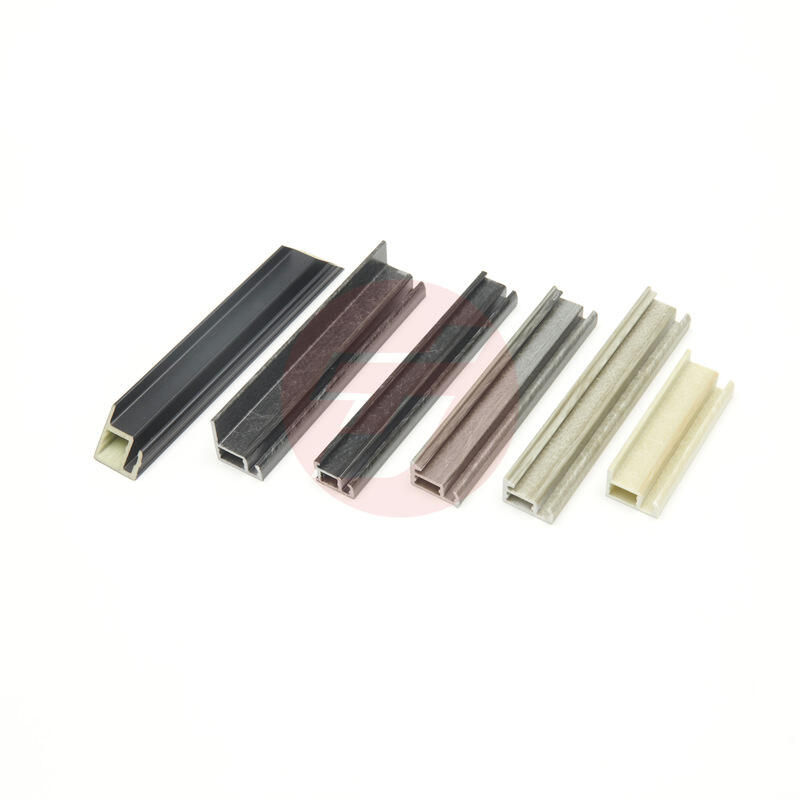
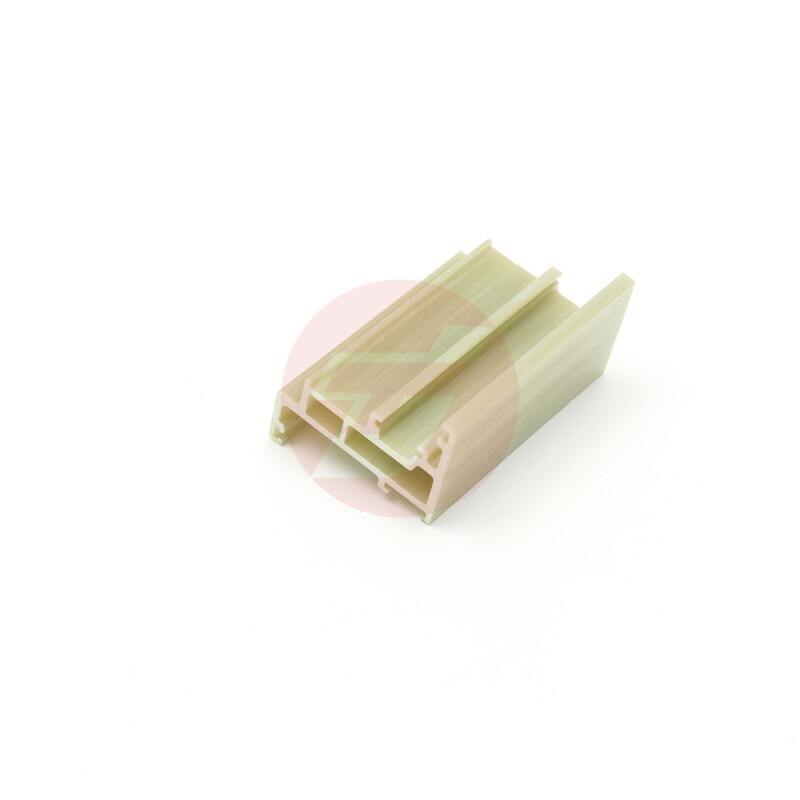
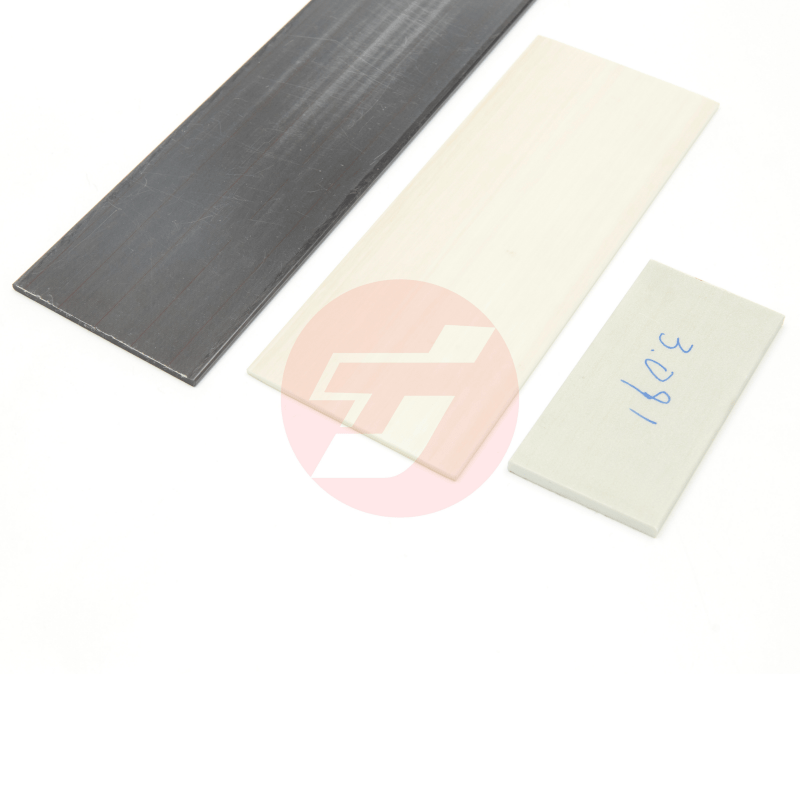
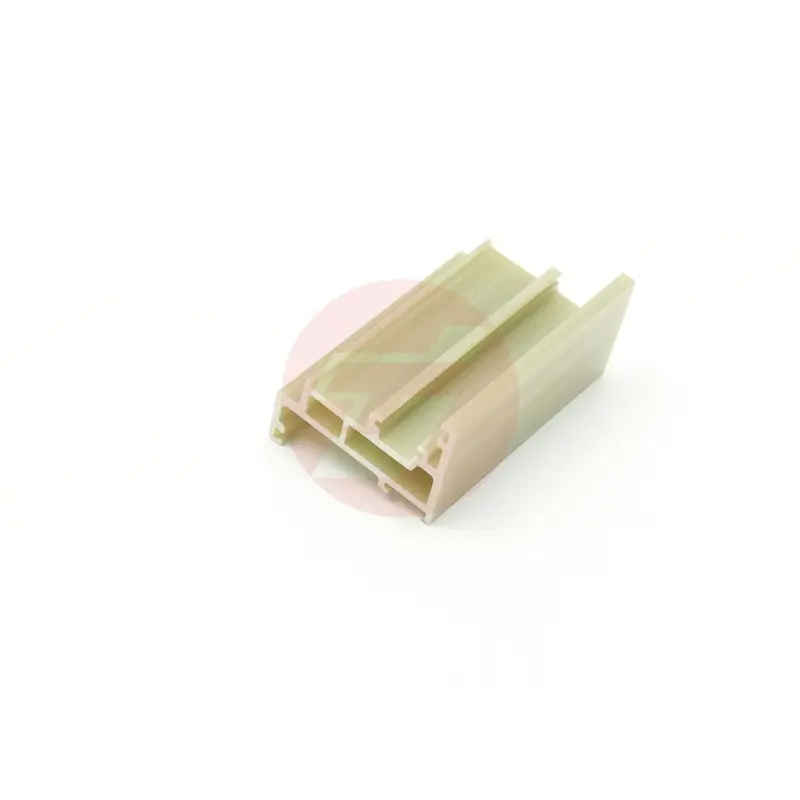
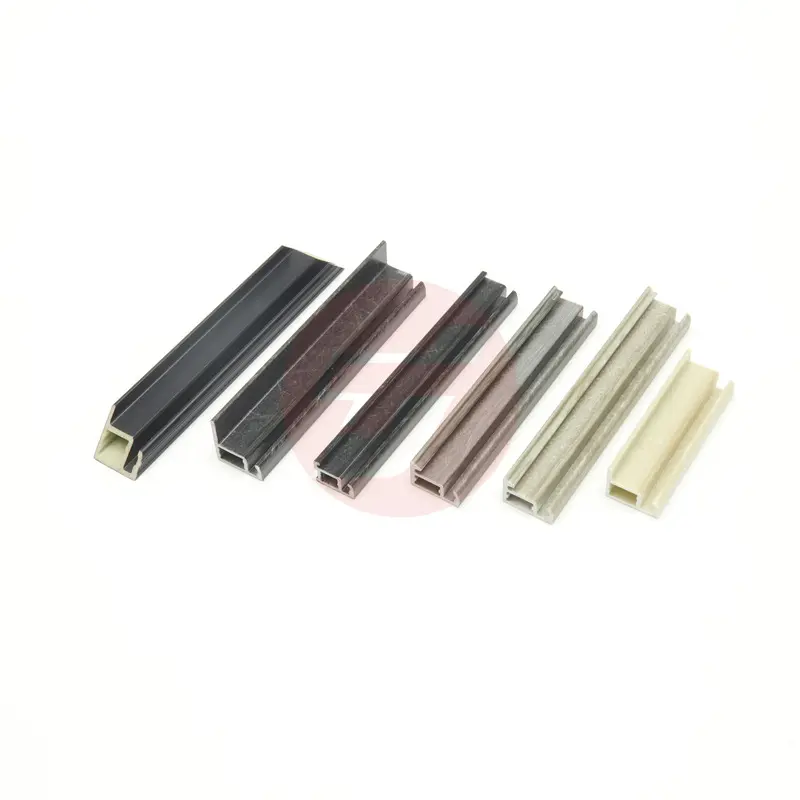
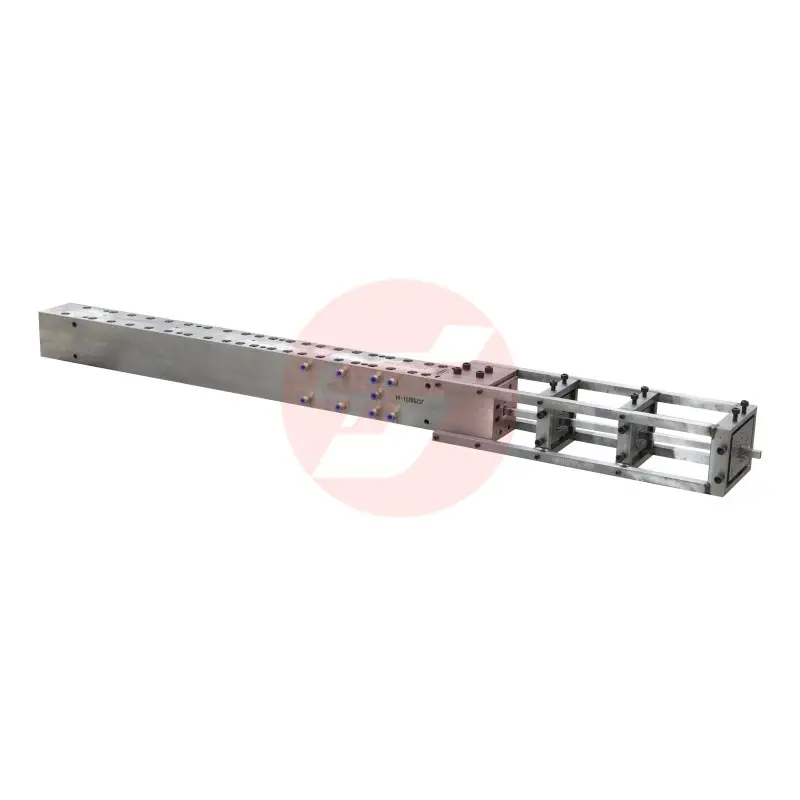
A compression molded products manufacturer specializes in creating high-quality components through the advanced compression molding process, which involves placing material into heated molds under significant pressure to form precise shapes. This manufacturing method represents one of the most efficient approaches for producing durable plastic and composite parts across numerous industries. The compression molding process enables manufacturers to create products with exceptional dimensional accuracy, superior surface finish, and consistent material properties throughout each component. These manufacturers utilize sophisticated hydraulic presses, precision-engineered molds, and computer-controlled systems to ensure optimal production results. The technological infrastructure includes temperature monitoring systems, pressure regulation mechanisms, and automated material handling equipment that maintains consistent quality standards. Modern compression molded products manufacturers integrate advanced CAD software for mold design, allowing for complex geometries and intricate details that meet specific customer requirements. The process accommodates various thermosetting materials including phenolic resins, melamine compounds, epoxy formulations, and specialized polymer blends. Quality control systems incorporate real-time monitoring, statistical process control, and comprehensive testing protocols to verify mechanical properties, dimensional tolerances, and surface characteristics. Applications span automotive components such as brake pads, transmission parts, and interior trim pieces, electrical insulators for power distribution systems, aerospace components requiring lightweight yet strong materials, consumer goods including cookware handles and appliance housings, and industrial equipment parts demanding chemical resistance and thermal stability. The manufacturing capabilities extend to producing both high-volume production runs and specialized custom components, with lead times optimized through efficient production scheduling and inventory management systems that ensure timely delivery while maintaining cost-effectiveness for diverse market segments.

New Products

Compression molded products manufacturers deliver exceptional value through superior material utilization that minimizes waste during production processes, resulting in cost savings passed directly to customers. The manufacturing approach eliminates secondary machining operations in most applications, reducing overall production time and associated labor costs while maintaining precise dimensional accuracy. These manufacturers achieve consistent quality control through automated systems that monitor temperature, pressure, and cycle times, ensuring every component meets exact specifications without variation between production batches. The molding process creates products with excellent mechanical properties including high strength-to-weight ratios, superior impact resistance, and enhanced durability that extends service life significantly compared to alternative manufacturing methods. Customers benefit from reduced material costs since compression molding utilizes raw materials more efficiently than injection molding or other processes, with minimal material waste and the ability to incorporate recycled content without compromising performance characteristics. Lead times remain competitive due to streamlined production workflows that accommodate both prototype development and high-volume manufacturing requirements, enabling rapid market entry for new products. The manufacturing flexibility allows for design modifications during production planning phases, accommodating customer specification changes without requiring expensive tooling alterations or extended development cycles. Surface finish quality exceeds industry standards through controlled molding conditions that eliminate common defects such as flow marks, sink marks, or dimensional inconsistencies found in other manufacturing processes. Environmental benefits include lower energy consumption during production, reduced chemical emissions, and the ability to process bio-based materials that support sustainability initiatives. Cost predictability improves through stable material pricing and efficient production scheduling that minimizes unexpected delays or quality issues. Customers gain access to technical expertise for material selection, design optimization, and process validation that ensures optimal product performance in specific applications. The manufacturing capability supports complex geometries and intricate details that would be difficult or impossible to achieve through alternative production methods, expanding design possibilities for innovative products.

Tips And Tricks

How to Select Carbon Fiber Pultruded Profiles for Engineering Projects?

29

Dec

How to Select Carbon Fiber Pultruded Profiles for Engineering Projects?

Carbon fiber pultruded profiles represent one of the most advanced composite materials available for modern engineering applications. These lightweight yet incredibly strong structural components have revolutionized industries ranging from aerospace ...
View More
Why Do Wind Turbine OEMs Prefer High-Accuracy Carbon Fiber Beam Molds?

05

Jan

Why Do Wind Turbine OEMs Prefer High-Accuracy Carbon Fiber Beam Molds?

The wind energy sector has experienced unprecedented growth as global demand for renewable energy solutions continues to surge. Original Equipment Manufacturers (OEMs) in the wind turbine industry face increasing pressure to deliver high-performance,...
View More
Which Applications Benefit Most From Carbon Fiber Pultruded Components?

13

Feb

Which Applications Benefit Most From Carbon Fiber Pultruded Components?

Carbon fiber pultruded components have revolutionized manufacturing across numerous industries, offering exceptional strength-to-weight ratios and superior durability compared to traditional materials. These advanced composite structures are created ...
View More
How to Maintain Carbon Fiber Pultrusion Molds for Long-Term Stability?

13

Feb

How to Maintain Carbon Fiber Pultrusion Molds for Long-Term Stability?

Carbon fiber pultrusion molds represent one of the most critical components in manufacturing high-performance composite materials for industries ranging from aerospace to renewable energy. These precision-engineered tools require meticulous maintenan...
View More

Get a Free Quote

A professional manufacturer of composite material molds.
Email
WhatsApp
Name
Company Name
Message
0/1000
Attachment
Please upload at least an attachment
Up to 3 files,more 30mb,suppor jpg、jpeg、png、pdf、doc、docx、xls、xlsx、csv、txt

compression molded products manufacturer

Advanced Material Processing Capabilities

Advanced Material Processing Capabilities

Compression molded products manufacturers excel in processing diverse material formulations that deliver superior performance characteristics across demanding applications. The advanced processing capabilities encompass thermosetting resins, fiber-reinforced composites, and specialized polymer blends that require precise temperature and pressure control during molding cycles. These manufacturers maintain extensive material libraries with detailed property data, processing parameters, and application guidelines that enable optimal material selection for specific performance requirements. The processing expertise includes pre-heating protocols, mold preparation techniques, and curing cycle optimization that maximizes material properties while minimizing production time. Material handling systems incorporate automated weighing, mixing, and distribution mechanisms that ensure consistent material composition throughout production runs, eliminating batch-to-batch variations that could affect product performance. Quality assurance protocols include incoming material inspection, in-process monitoring, and finished product testing that verifies mechanical properties, dimensional accuracy, and surface characteristics meet customer specifications. The manufacturers work closely with material suppliers to develop custom formulations tailored to specific application requirements, incorporating additives such as flame retardants, UV stabilizers, colorants, and reinforcing fibers that enhance product functionality. Processing flexibility accommodates materials with varying flow characteristics, cure rates, and temperature sensitivities, enabling production of components with complex geometries and varying wall thicknesses. Environmental considerations include processing bio-based materials, recycled content integration, and low-emission formulations that support sustainable manufacturing practices while maintaining performance standards. Technical support services assist customers in material selection decisions by providing property comparisons, cost analyses, and performance predictions based on specific application conditions and requirements.
Precision Tooling and Mold Design Excellence

Precision Tooling and Mold Design Excellence

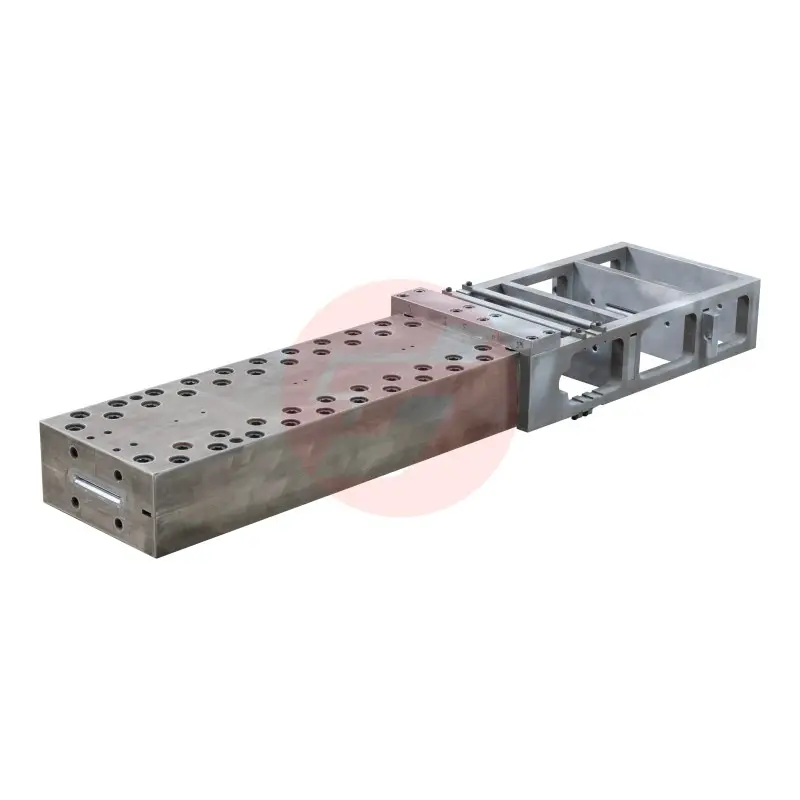
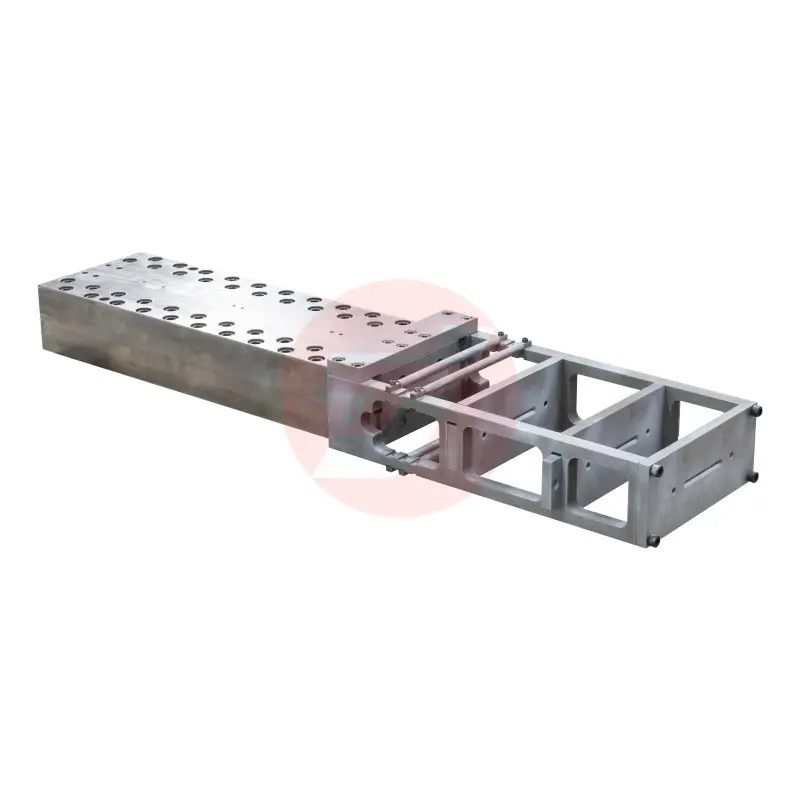
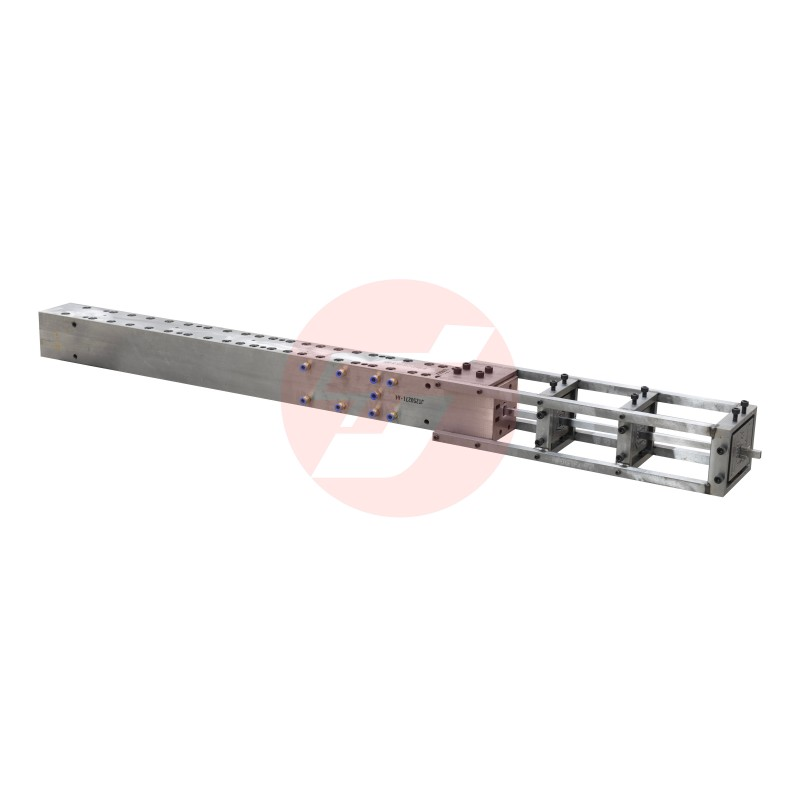
The foundation of exceptional compression molding lies in precision tooling and mold design excellence that compression molded products manufacturers have perfected through years of engineering innovation and technological advancement. These manufacturers utilize state-of-the-art CAD software, finite element analysis, and thermal modeling to design molds that optimize material flow, minimize stress concentrations, and ensure uniform pressure distribution throughout the molding cavity. The mold design process incorporates advanced cooling channel configurations, venting systems, and ejection mechanisms that facilitate consistent part production while minimizing cycle times and reducing the potential for defects. Precision machining capabilities include multi-axis CNC equipment, electrical discharge machining, and surface finishing technologies that achieve tolerances measured in thousandths of inches, ensuring dimensional accuracy and surface quality that meets the most demanding specifications. Material selection for mold construction considers factors such as thermal conductivity, wear resistance, and dimensional stability under repeated heating and cooling cycles, with options including hardened tool steels, beryllium copper alloys, and specialized coatings that extend mold life and maintain surface finish quality. The design methodology incorporates gate placement optimization, parting line selection, and draft angle calculations that facilitate easy part removal while maintaining dimensional integrity and surface aesthetics. Mold maintenance programs include regular inspection schedules, preventive maintenance protocols, and rapid repair capabilities that minimize downtime and ensure consistent production quality throughout the mold's operational life. Advanced features such as hydraulic core pulls, sliding mechanisms, and multi-cavity configurations enable complex part geometries and high-volume production efficiency that reduces per-part costs while maintaining quality standards.
Comprehensive Quality Control and Testing Systems

Comprehensive Quality Control and Testing Systems

Compression molded products manufacturers implement comprehensive quality control and testing systems that ensure every component meets stringent performance standards and customer specifications through rigorous inspection protocols and advanced testing methodologies. The quality assurance framework begins with incoming material inspection that verifies chemical composition, physical properties, and processing characteristics before materials enter production systems. In-process monitoring utilizes real-time data collection from temperature sensors, pressure transducers, and timing systems that track molding parameters throughout each production cycle, enabling immediate adjustments when variations are detected. Dimensional inspection capabilities include coordinate measuring machines, laser scanning systems, and optical comparators that verify geometric accuracy, surface profiles, and feature locations with precision measurements documented in statistical process control databases. Mechanical testing laboratories conduct comprehensive evaluations including tensile strength, flexural properties, impact resistance, and fatigue performance using standardized test methods that provide reliable data for product certification and application validation. Environmental testing simulates real-world conditions through temperature cycling, humidity exposure, chemical resistance evaluation, and accelerated aging protocols that predict long-term performance and durability characteristics. Surface quality assessment utilizes profilometry, microscopy, and visual inspection standards that ensure aesthetic and functional requirements are consistently achieved across production batches. Documentation systems maintain complete traceability records linking raw material lots, processing parameters, inspection results, and final product identification through digital databases that support quality investigations and continuous improvement initiatives. Certification capabilities include compliance with automotive, aerospace, medical, and industrial standards such as ISO certifications, automotive specifications, and regulatory approvals that validate manufacturing processes and product quality for specific market applications.


Get a Free Quote

A professional manufacturer of composite material molds.
Email
WhatsApp
Name
Company Name
Message
0/1000
Attachment
Please upload at least an attachment
Up to 3 files,more 30mb,suppor jpg、jpeg、png、pdf、doc、docx、xls、xlsx、csv、txt