 EN
EN
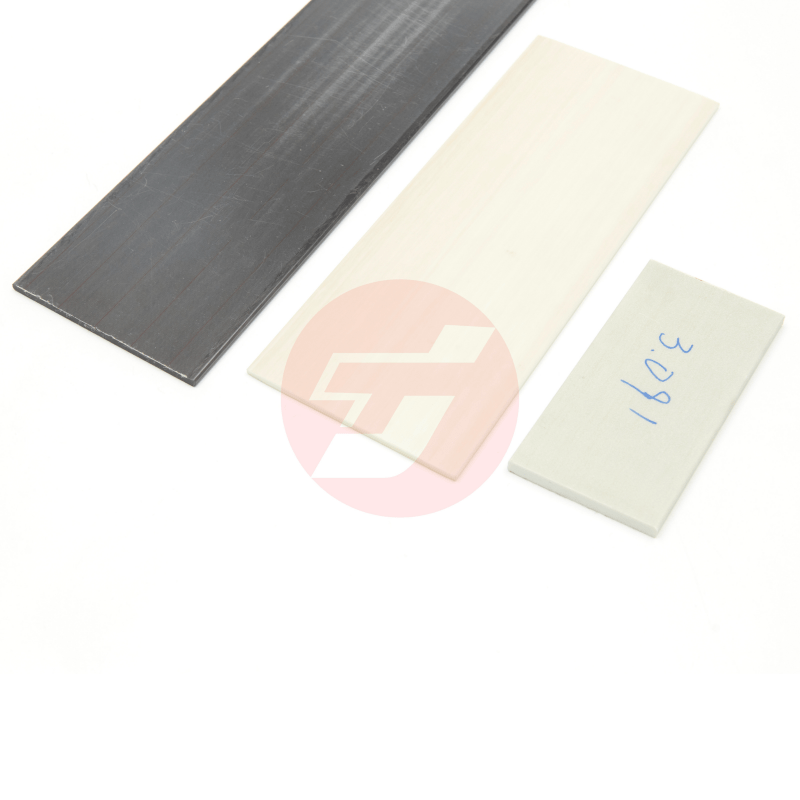
Modern industrial applications demand materials that combine exceptional strength, durability, and cost-effectiveness. Glass fiber pultruded components have emerged as a revolutionary solution, transforming how engineers and manufacturers approach structural design challenges. These advanced composite materials offer superior performance characteristics compared to traditional options like steel, aluminum, and wood, making them increasingly popular across diverse industries from construction to marine applications.
The pultrusion manufacturing process creates continuous fiber-reinforced composites with consistent cross-sectional properties and exceptional dimensional stability. Unlike conventional materials that often require extensive maintenance and frequent replacement, glass fiber pultruded components deliver long-term value through their inherent resistance to environmental factors and mechanical stress. Understanding the advantages of these innovative materials helps decision-makers select optimal solutions for their specific project requirements.
Understanding Glass Fiber Pultrusion Technology
The Pultrusion Manufacturing Process
Pultrusion represents one of the most efficient methods for producing continuous fiber-reinforced polymer composites. The process begins with continuous glass fiber rovings, mats, or fabrics being pulled through a resin bath where they become thoroughly saturated with thermosetting polymer resins. These impregnated fibers then pass through a heated steel die that shapes the material while simultaneously curing the resin matrix.
Temperature control during the pultrusion process ensures complete polymerization of the resin system, creating strong chemical bonds between the glass fibers and polymer matrix. The continuous nature of this manufacturing method produces glass fiber pultruded components with uniform properties throughout their length, eliminating weak points commonly found in assembled or welded traditional materials. Quality control measures monitor fiber volume fraction, resin cure, and dimensional accuracy to maintain consistent performance standards.
Material Composition and Properties
Glass fiber pultruded components typically consist of 60-80% glass fiber reinforcement by weight, with the remainder being thermosetting resin such as polyester, vinyl ester, or epoxy. This high fiber content provides exceptional strength-to-weight ratios that often exceed those of steel and aluminum alloys. The longitudinal fiber orientation in pultruded profiles delivers maximum tensile and flexural strength in the primary load direction.
The resin matrix serves multiple functions beyond binding the glass fibers together. It transfers loads between individual fibers, protects the reinforcement from environmental damage, and provides the component's surface finish characteristics. Advanced resin formulations can incorporate fire retardants, UV stabilizers, and other additives to enhance specific performance properties. This tailored approach allows manufacturers to optimize glass fiber pultruded components for particular application requirements.
Superior Performance Characteristics
Exceptional Strength-to-Weight Ratios
One of the most compelling advantages of glass fiber pultruded components lies in their outstanding strength-to-weight performance. These materials typically exhibit tensile strengths ranging from 200-400 MPa while maintaining densities of only 1.5-2.0 g/cm³. This combination results in specific strength values that can exceed those of structural steel by factors of two to four, enabling significant weight reductions in structural applications.
The high strength-to-weight ratio of glass fiber pultruded components translates into numerous practical benefits across various applications. Reduced structural weight decreases foundation requirements in construction projects, lowers transportation costs for prefabricated components, and simplifies installation procedures. In marine environments, lighter structures experience reduced wave loading and improved stability characteristics compared to heavier traditional materials.
Outstanding Corrosion Resistance
Traditional metallic materials suffer from corrosion-related degradation that significantly impacts their service life and maintenance requirements. Glass fiber pultruded components demonstrate exceptional resistance to chemical attack from acids, bases, salts, and organic solvents commonly encountered in industrial environments. This inherent corrosion resistance eliminates the need for protective coatings, cathodic protection systems, and regular maintenance schedules required for steel and aluminum structures.
The non-metallic nature of glass fiber pultruded components prevents galvanic corrosion when these materials contact dissimilar metals. This compatibility advantage proves particularly valuable in marine applications where saltwater exposure rapidly degrades conventional materials. Chemical processing facilities also benefit from the inert nature of pultruded composites when handling aggressive chemicals that would quickly attack metallic alternatives.
Economic Advantages and Cost Analysis
Initial Investment Considerations
While the upfront cost of glass fiber pultruded components may exceed that of some traditional materials, a comprehensive cost analysis reveals significant long-term economic advantages. The initial price premium typically ranges from 10-50% compared to steel or aluminum, depending on the specific application and performance requirements. However, this investment gap narrows considerably when factoring in the reduced installation time, elimination of protective coatings, and simplified foundation requirements.
Installation cost savings often offset much of the initial material premium for glass fiber pultruded components. The lightweight nature of these materials reduces crane capacity requirements, allows for manual handling in many applications, and accelerates construction schedules. Prefabricated pultruded structures can be assembled using simple mechanical fasteners, eliminating the need for specialized welding equipment and certified welders required for steel construction.
Lifecycle Cost Benefits
The true economic value of glass fiber pultruded components becomes apparent when considering total lifecycle costs over 20-30 year service periods. Maintenance expenses for traditional materials often include regular painting, corrosion treatment, and component replacement due to degradation. Pultruded composites require minimal maintenance beyond occasional cleaning, resulting in substantial cost savings throughout their service life.
Energy costs associated with heating and cooling can also be reduced when using glass fiber pultruded components due to their lower thermal conductivity compared to metals. This insulation effect minimizes thermal bridging in structural applications and reduces condensation problems in temperature-sensitive environments. The dimensional stability of pultruded materials maintains tight tolerances over extended periods, preventing costly alignment issues that commonly affect steel and aluminum structures.
Environmental and Sustainability Benefits
Reduced Environmental Impact
The production of glass fiber pultruded components requires significantly less energy compared to steel or aluminum manufacturing processes. Pultrusion operates at relatively low temperatures (150-200°C) compared to metal smelting operations that require temperatures exceeding 1500°C. This energy efficiency translates into reduced carbon emissions and lower environmental impact throughout the manufacturing phase.
Transportation emissions are also minimized due to the lightweight nature of glass fiber pultruded components. Shipping costs and fuel consumption decrease proportionally with reduced weight, making these materials particularly attractive for projects in remote locations. The durability of pultruded composites extends service life compared to traditional materials, reducing the frequency of replacement and associated environmental impacts from manufacturing and transportation of new components.
End-of-Life Considerations
Modern glass fiber pultruded components can be recycled through mechanical grinding to produce filler materials for new composite products or as reinforcement in concrete applications. Research into chemical recycling methods shows promise for recovering both glass fibers and resin components for reuse in new manufacturing processes. These recycling options provide environmental benefits compared to landfill disposal while creating value-added secondary products.
The inert nature of cured glass fiber pultruded components eliminates concerns about leaching toxic substances into soil or groundwater if disposal becomes necessary. This environmental safety contrasts favorably with treated wood products that may contain hazardous preservatives or galvanized steel that can release zinc into the environment. Proper end-of-life planning ensures that pultruded composites contribute to sustainable construction practices.
Design Flexibility and Customization Options
Complex Profile Manufacturing Capabilities
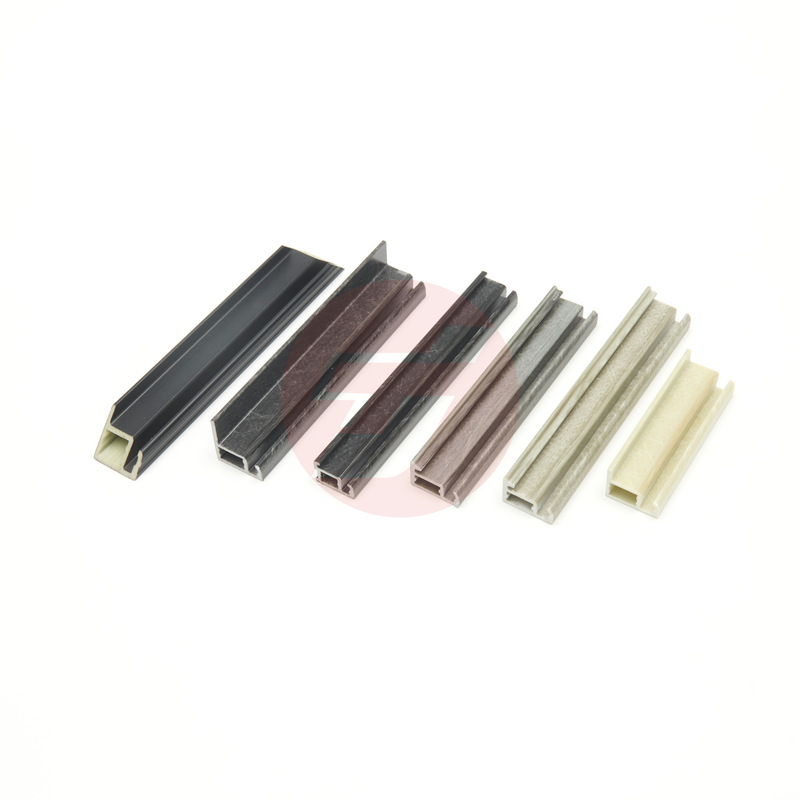
The pultrusion process enables the production of complex cross-sectional shapes that would be difficult or impossible to achieve with traditional materials. Glass fiber pultruded components can incorporate integral stiffening ribs, hollow sections, and variable wall thicknesses within a single continuous profile. This design freedom allows engineers to optimize material distribution for specific loading conditions while minimizing weight and material usage.
Custom tooling for pultrusion dies allows manufacturers to create application-specific profiles tailored to unique project requirements. Multi-chamber sections, integral fastening features, and specialized surface textures can be incorporated during the manufacturing process rather than added through secondary operations. This integration reduces assembly complexity and potential failure points compared to fabricated structures using standard shapes.
Surface Finish and Aesthetic Options
Glass fiber pultruded components can be manufactured with various surface textures and finishes to meet both functional and aesthetic requirements. Smooth gel coat surfaces provide excellent weather resistance and easy cleaning characteristics for architectural applications. Textured surfaces improve grip and slip resistance for flooring and walkway applications while maintaining the underlying structural properties of the composite material.
Color integration during the manufacturing process eliminates the need for painting or other surface treatments that require periodic renewal. UV-stable pigments maintain color consistency throughout the service life of glass fiber pultruded components, reducing maintenance requirements and lifecycle costs. Special effect finishes such as wood grain patterns or metallic appearances allow these high-performance materials to blend seamlessly with traditional architectural elements.
FAQ
How long do glass fiber pultruded components typically last in service
Glass fiber pultruded components typically provide service lives of 30-50 years or more depending on the specific application and environmental conditions. The inherent corrosion resistance and UV stability of these materials contribute to exceptional durability compared to traditional materials that may require replacement every 10-15 years. Proper installation and minimal maintenance can extend service life even further, making pultruded composites excellent long-term investments for infrastructure projects.
Can glass fiber pultruded components be repaired if damaged
Yes, glass fiber pultruded components can be effectively repaired using standard composite repair techniques. Minor surface damage can be addressed through grinding and patching with compatible resin systems. More extensive damage may require sectional replacement or reinforcement with bonded composite patches. The repair procedures are generally simpler and less expensive than welding repairs required for steel structures, and repaired sections maintain excellent structural integrity when properly executed.
Are there any limitations to using glass fiber pultruded components
While glass fiber pultruded components offer numerous advantages, they do have some limitations to consider. Temperature resistance is generally limited to continuous service temperatures below 120-150°C depending on the resin system used. The anisotropic nature of pultruded profiles means they are optimized for longitudinal loading, with reduced strength in transverse directions. Additionally, field modifications require specialized cutting tools and proper safety precautions due to the generation of glass fiber dust during machining operations.
How do glass fiber pultruded components perform in fire situations
Glass fiber pultruded components can be formulated with fire-retardant additives to meet specific flame spread and smoke generation requirements for building codes and safety regulations. While these materials will burn under intense heat, fire-retardant versions self-extinguish when the ignition source is removed and produce relatively low levels of toxic smoke compared to many traditional materials. Proper fire protection design incorporating appropriate barriers and suppression systems ensures safe performance in fire-critical applications.