 EN
EN
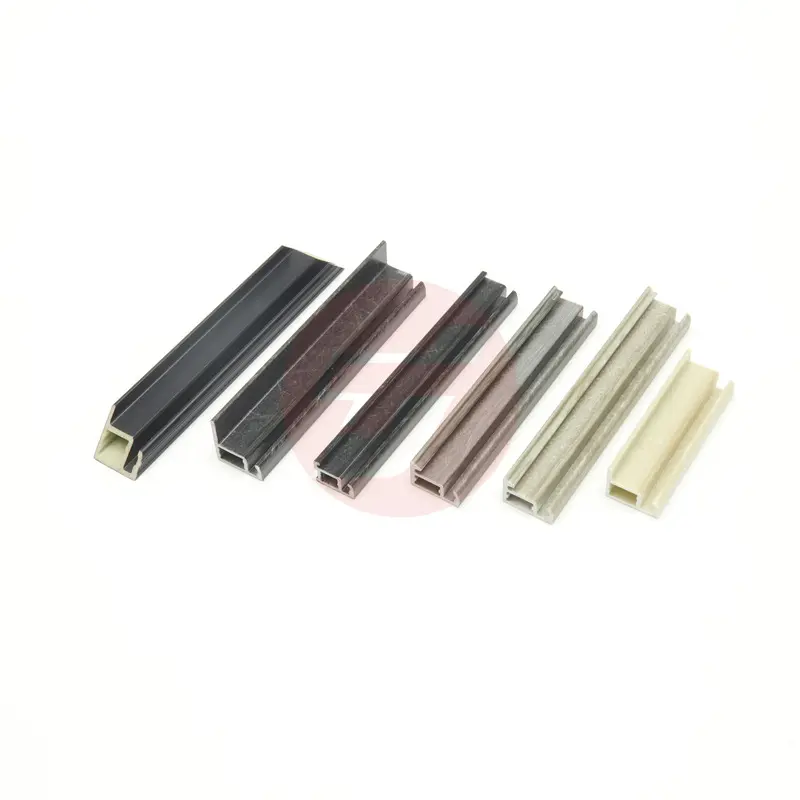
The electrical industry has witnessed remarkable advancements in insulation technology, with glass fiber pultruded products emerging as a cornerstone of modern electrical infrastructure. These innovative materials combine exceptional electrical insulation properties with outstanding mechanical strength, making them indispensable for power transmission, distribution systems, and industrial applications. Understanding how glass fiber pultruded products enhance electrical insulation is crucial for engineers, manufacturers, and industry professionals seeking reliable solutions for demanding electrical environments.
The pultrusion manufacturing process creates composite materials with consistent cross-sectional properties and superior electrical characteristics. This continuous production method ensures that glass fiber pultruded products maintain uniform dielectric strength throughout their entire length, eliminating weak points that could compromise electrical insulation performance. The resulting materials exhibit exceptional resistance to electrical breakdown, making them ideal for high-voltage applications where insulation integrity is paramount.
Fundamental Properties of Glass Fiber Pultruded Electrical Insulation
Dielectric Strength and Electrical Resistance
Glass fiber pultruded products demonstrate remarkable dielectric strength, typically ranging from 15 to 25 kV/mm, depending on the specific resin system and fiber orientation. This exceptional electrical resistance prevents current leakage and ensures reliable insulation performance in high-voltage environments. The inherent properties of glass fibers, combined with thermoset resin matrices, create a non-conductive barrier that effectively isolates electrical components from surrounding structures.
The electrical resistance of these materials remains stable across wide temperature ranges, ensuring consistent insulation performance under varying operational conditions. Unlike traditional insulation materials that may experience degradation at elevated temperatures, glass fiber pultruded products maintain their electrical properties even when subjected to thermal cycling and environmental stress.
Arc Resistance and Tracking Performance
Arc resistance represents a critical parameter for electrical insulation materials, and glass fiber pultruded products excel in this area. These materials can withstand prolonged exposure to electrical arcs without forming conductive paths or carbonized tracks. The arc resistance time typically exceeds 180 seconds according to ASTM D495 testing standards, demonstrating superior performance compared to many conventional insulation materials.
Tracking resistance, measured by the comparative tracking index (CTI), indicates a material's ability to resist the formation of conductive paths under electrical stress combined with contamination. Glass fiber pultruded products achieve CTI values exceeding 600V, placing them in the highest performance category for electrical insulation applications.
Manufacturing Process Advantages for Electrical Applications
Continuous Production and Quality Consistency
The pultrusion process enables continuous production of glass fiber pultruded products with exceptional dimensional accuracy and consistent electrical properties. This manufacturing method eliminates variations that could create electrical weak points, ensuring uniform insulation performance throughout the entire product length. The continuous nature of the process also allows for precise control of fiber orientation and resin content, optimizing electrical insulation characteristics.
Quality control during pultrusion manufacturing includes real-time monitoring of temperature, pressure, and resin flow rates, ensuring that each glass fiber pultruded product meets stringent electrical performance standards. This level of process control is particularly important for electrical applications where insulation failure could result in catastrophic consequences.
Customizable Electrical Properties
The versatility of the pultrusion process allows manufacturers to tailor glass fiber pultruded products for specific electrical requirements. By selecting appropriate resin systems, fiber types, and additives, engineers can optimize dielectric properties, flame resistance, and environmental durability. This customization capability ensures that glass fiber pultruded products can meet diverse electrical insulation specifications across various industries.
Advanced resin formulations incorporating flame retardants, UV stabilizers, and other specialized additives further enhance the electrical performance of these materials. The ability to integrate multiple performance characteristics during the manufacturing process eliminates the need for secondary treatments that could compromise insulation integrity.
Applications in Power Transmission and Distribution
High-Voltage Insulators and Bushings
Glass fiber pultruded products serve as critical components in high-voltage power systems, where their exceptional electrical insulation properties prevent flashovers and ensure system reliability. These materials are extensively used in transmission line insulators, transformer bushings, and switchgear components. The superior dielectric strength and weather resistance of glass fiber pultruded products make them ideal for outdoor electrical installations exposed to harsh environmental conditions.
In transmission applications, these materials must withstand not only electrical stress but also mechanical loads from wind, ice, and seismic activity. The combination of high strength-to-weight ratio and excellent electrical properties makes glass fiber pultruded products particularly valuable for overhead power line components where both mechanical and electrical performance are critical.
Underground Power Distribution Systems
Underground electrical distribution systems benefit significantly from the moisture resistance and long-term durability of glass fiber pultruded products. These materials maintain their electrical insulation properties even when exposed to groundwater, soil chemicals, and temperature variations common in buried installations. The non-metallic nature of these products eliminates concerns about galvanic corrosion that can compromise electrical insulation in underground applications.
Cable trays, conduits, and support structures manufactured from glass fiber pultruded products provide reliable electrical isolation while offering superior mechanical protection for power cables. The dimensional stability of these materials ensures consistent electrical clearances throughout the service life of underground installations.
Industrial Electrical Equipment Applications
Motor and Generator Insulation Systems
The electrical machinery industry relies heavily on glass fiber pultruded products for insulation systems in motors, generators, and transformers. These materials provide excellent thermal conductivity control while maintaining electrical isolation between windings and grounded components. The mechanical strength of glass fiber pultruded products allows them to withstand the vibration and thermal cycling common in rotating electrical equipment.
Slot liners, phase separators, and structural insulation components manufactured from these materials contribute to improved electrical equipment reliability and extended service life. The ability to maintain precise dimensions under thermal stress ensures consistent electrical clearances throughout equipment operation.
Control Panel and Switchgear Components
Glass fiber pultruded products are essential for manufacturing electrical control panels and switchgear enclosures where arc resistance and flame retardancy are critical safety requirements. These materials provide effective electrical barriers between live components while offering superior mechanical protection. The non-conductive nature of glass fiber pultruded products eliminates the risk of creating unintended current paths that could compromise system safety.
Bus bar supports, terminal blocks, and insulating barriers made from these materials demonstrate exceptional performance in industrial electrical applications. The ability to machine glass fiber pultruded products to precise tolerances enables the creation of complex insulation systems tailored to specific equipment requirements.
Environmental and Long-Term Performance Benefits
Weather Resistance and UV Stability
Outdoor electrical installations face continuous exposure to ultraviolet radiation, temperature extremes, and moisture, all of which can degrade insulation materials over time. Glass fiber pultruded products incorporate UV-resistant resin systems and stabilizers that maintain electrical properties throughout extended outdoor exposure. This weather resistance ensures consistent insulation performance throughout the design life of electrical equipment.
The hydrophobic nature of properly formulated glass fiber pultruded products prevents water absorption that could compromise electrical insulation. Surface treatments and resin selection can further enhance moisture resistance, making these materials suitable for marine and high-humidity electrical applications.
Chemical Resistance and Durability
Industrial environments often expose electrical insulation to aggressive chemicals, oils, and solvents that can degrade conventional materials. Glass fiber pultruded products demonstrate exceptional resistance to a wide range of chemicals while maintaining their electrical properties. This chemical inertness makes them particularly valuable for electrical applications in chemical processing plants, wastewater treatment facilities, and marine environments.
The long-term stability of these materials reduces maintenance requirements and extends the service life of electrical installations. Unlike organic insulation materials that may deteriorate over time, glass fiber pultruded products maintain their structural integrity and electrical performance for decades under proper operating conditions.
Testing and Quality Assurance Standards
International Electrical Testing Standards
Glass fiber pultruded products undergo rigorous testing to verify their electrical insulation performance according to international standards such as IEC, ASTM, and IEEE specifications. Dielectric strength testing, volume resistivity measurements, and arc resistance evaluations ensure that these materials meet stringent electrical requirements. The comprehensive testing protocols validate the suitability of glass fiber pultruded products for critical electrical applications.
Comparative tracking index testing, flame spread evaluation, and long-term aging studies provide additional assurance of electrical performance under real-world conditions. These standardized tests enable engineers to specify glass fiber pultruded products with confidence for demanding electrical insulation applications.
Quality Control and Certification Processes
Manufacturing facilities producing glass fiber pultruded products for electrical applications typically maintain ISO 9001 quality management systems and electrical industry certifications. These quality frameworks ensure consistent product performance and traceability throughout the manufacturing process. Regular testing and documentation provide evidence of compliance with electrical insulation requirements.
Third-party testing and certification by recognized laboratories further validate the electrical properties of glass fiber pultruded products. These independent assessments provide additional confidence for electrical engineers specifying these materials in critical applications where insulation failure could have severe consequences.
FAQ
What makes glass fiber pultruded products superior to traditional electrical insulation materials?
Glass fiber pultruded products offer superior dielectric strength, typically 15-25 kV/mm, combined with excellent arc resistance exceeding 180 seconds. Unlike traditional materials, they maintain consistent electrical properties across wide temperature ranges and demonstrate exceptional resistance to environmental degradation, moisture absorption, and chemical attack.
How do glass fiber pultruded products perform in high-voltage applications?
These materials excel in high-voltage applications due to their exceptional dielectric strength and uniform electrical properties achieved through the continuous pultrusion manufacturing process. They effectively prevent electrical breakdown and maintain insulation integrity even under severe electrical stress, making them ideal for transmission lines, transformers, and switchgear components.
Can glass fiber pultruded products withstand outdoor electrical environments?
Yes, glass fiber pultruded products are specifically formulated with UV-resistant resin systems and weather-resistant additives that maintain electrical performance throughout extended outdoor exposure. Their hydrophobic nature prevents water absorption, and their chemical resistance ensures long-term reliability in harsh environmental conditions including marine and industrial atmospheres.
What testing standards apply to glass fiber pultruded products for electrical insulation?
Glass fiber pultruded products undergo comprehensive testing according to international standards including ASTM D495 for arc resistance, IEC 60112 for comparative tracking index, and various dielectric strength and volume resistivity tests. These standardized evaluations ensure compliance with electrical industry requirements and validate performance for critical insulation applications.
Table of Contents
- Fundamental Properties of Glass Fiber Pultruded Electrical Insulation
- Manufacturing Process Advantages for Electrical Applications
- Applications in Power Transmission and Distribution
- Industrial Electrical Equipment Applications
- Environmental and Long-Term Performance Benefits
- Testing and Quality Assurance Standards
-
FAQ
- What makes glass fiber pultruded products superior to traditional electrical insulation materials?
- How do glass fiber pultruded products perform in high-voltage applications?
- Can glass fiber pultruded products withstand outdoor electrical environments?
- What testing standards apply to glass fiber pultruded products for electrical insulation?