
 EN
EN
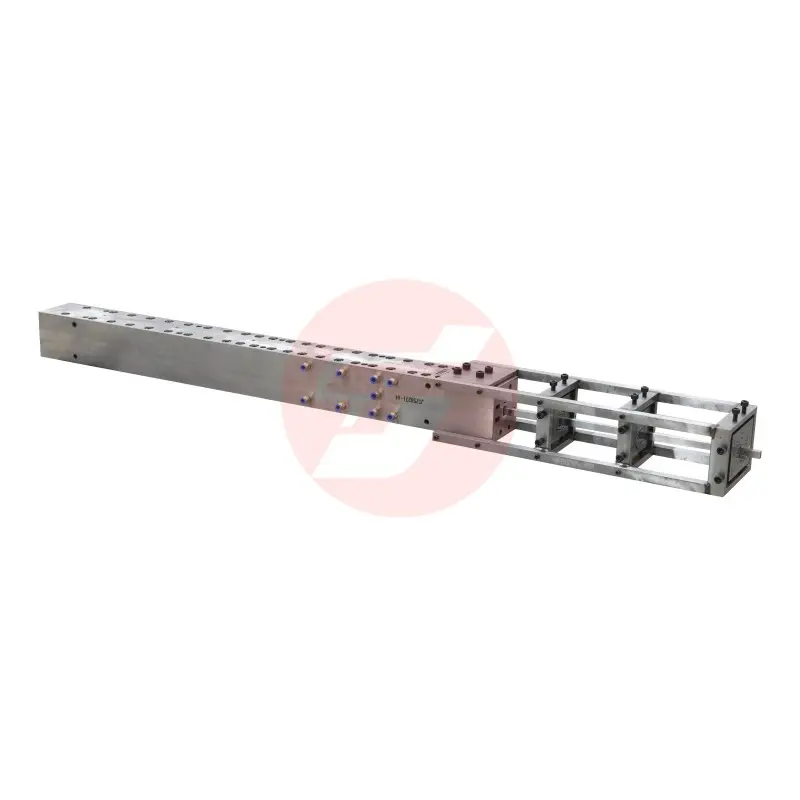
FRP pultrusion molds have emerged as a transformative technology for manufacturing products that must withstand harsh chemical environments, saltwater exposure, and aggressive industrial conditions. The demand for corrosion-resistant materials continues to grow across industries ranging from chemical processing to marine infrastructure, making FRP pultrusion molds an increasingly valuable asset for manufacturers seeking durability without compromise. Understanding why FRP pultrusion molds excel at producing corrosion-resistant products requires examining the material properties, manufacturing advantages, and real-world performance characteristics that set this technology apart.
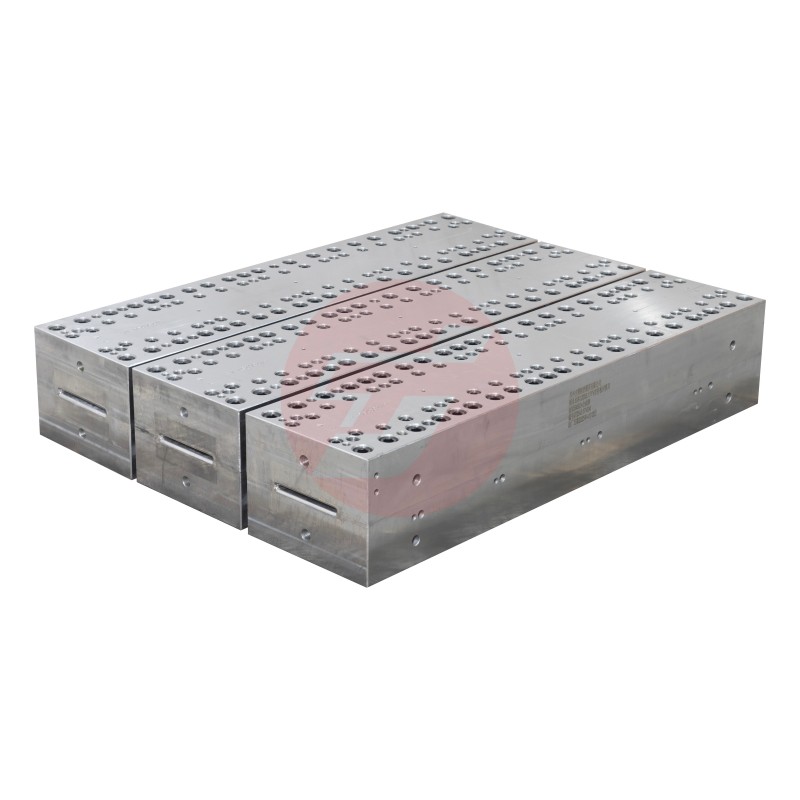
The fundamental reason FRP pultrusion molds produce superior corrosion-resistant products lies in the inherent chemical resistance of composite materials themselves. When fiberglass-reinforced plastics are formed using advanced pultrusion techniques through FRP pultrusion molds, the resulting products resist oxidation, acid attack, and environmental degradation far more effectively than traditional metal alternatives. This natural resistance eliminates the need for costly protective coatings or frequent maintenance schedules that plague conventional manufacturing approaches.
Material Composition and Chemical Resistance Properties
How FRP Pultrusion Molds Enable Superior Durability
FRP pultrusion molds work by precisely controlling how glass fibers and resin matrices combine under heat and pressure to create a composite structure with exceptional chemical stability. The resin systems used in conjunction with FRP pultrusion molds are specifically engineered to resist common industrial corrosives including sulfuric acid, hydrochloric acid, sodium hydroxide solutions, and seawater. Unlike steel or aluminum components that undergo electrochemical corrosion or metal ion leaching, products manufactured using FRP pultrusion molds maintain their structural integrity across a remarkably wide pH range, typically spanning from pH 0 to pH 14 depending on the resin formulation chosen during mold design.
Fiber Reinforcement and Long-Term Performance
The glass fibers embedded through FRP pultrusion molds contribute significantly to corrosion resistance by providing a non-conductive matrix that prevents galvanic corrosion pathways. When FRP pultrusion molds process materials at controlled temperatures and fiber loading ratios, the resulting fiber-resin bond creates a dense barrier that prevents moisture absorption and chemical penetration. This engineering advantage means products from FRP pultrusion molds maintain consistent mechanical properties even after decades of exposure to corrosive environments, a durability profile that far exceeds traditional materials in demanding applications.
Manufacturing Efficiency and Cost Benefits
Production Speed Advantage with FRP Pultrusion Molds
FRP pultrusion molds operate through a continuous pultrusion process that offers substantial time and cost savings compared to batch manufacturing methods. The precision-engineered cavities within FRP pultrusion molds ensure consistent fiber orientation and resin saturation throughout production, eliminating defects that often require costly rework. Production teams report that FRP pultrusion molds can generate finished products at rates exceeding traditional molding techniques by 300 to 400 percent, directly translating to lower per-unit manufacturing costs while maintaining the corrosion-resistant properties that end-users demand.
Design Flexibility and Customization Capabilities
Modern FRP pultrusion molds accommodate diverse product geometries, wall thickness variations, and reinforcement patterns that would be impractical or impossible with conventional metal tooling. When engineers design new FRP pultrusion molds, they can optimize fiber architecture specifically for corrosion resistance in target environments, tailoring the composite structure to excel under particular chemical exposure scenarios. This flexibility means FRP pultrusion molds enable manufacturers to develop corrosion-resistant product lines that meet precise industry specifications without sacrificing production efficiency or incurring tooling redesign expenses.
Industry Applications and Real-World Performance Data
Chemical Processing and Pipeline Infrastructure
The chemical industry has broadly adopted products manufactured through FRP pultrusion molds for pump components, valve bodies, piping systems, and chemical storage tank fittings. Field performance data consistently demonstrates that equipment produced using FRP pultrusion molds outlasts metal alternatives by five to ten years in highly corrosive chemical environments. Maintenance records from major petrochemical facilities show that corrosion-resistant products made with FRP pultrusion molds reduce unscheduled downtime by approximately 60 percent compared to traditional material specifications, translating to significant operational cost reductions across large industrial operations.
Marine and Coastal Infrastructure Applications
Saltwater and marine environments present extreme corrosion challenges where FRP pultrusion molds demonstrate exceptional capability. Manufacturers utilize FRP pultrusion molds to produce dock fittings, boat hardware, offshore platform components, and desalination system parts that must survive prolonged exposure to salt spray and immersion conditions. Testing data from independent marine research institutes confirms that FRP pultrusion molds create products maintaining 95 percent of their original tensile strength after 10 years of continuous saltwater exposure, a performance metric that establishes them as the optimal choice for marine infrastructure requiring corrosion resistance without compromise.
Sustainability and Environmental Advantages
Reduced Maintenance Requirements and Environmental Impact
Products manufactured using FRP pultrusion molds require minimal maintenance interventions throughout their operational lifespan, eliminating the need for periodic coating reapplication, surface restoration, or protective treatment applications. This fundamental advantage means facilities depending on corrosion-resistant equipment from FRP pultrusion molds generate substantially lower waste streams compared to operations using traditional metal-based products requiring constant maintenance. The extended service life of products made with FRP pultrusion molds also reduces cumulative resource consumption and manufacturing impact, aligning with modern sustainability objectives while delivering superior performance characteristics.
FAQ
What specific resin systems work best with FRP pultrusion molds for maximum corrosion resistance?
Epoxy and vinyl ester resin systems are the most commonly specified formulations for FRP pultrusion molds targeting corrosion-resistant applications. Epoxy resins offer exceptional chemical resistance to organic solvents and mild acids, while vinyl ester resins excel at resisting strong acids and alkaline solutions. Selection between these options depends on the specific corrosive environment where the finished product will operate. Engineers designing FRP pultrusion molds consult chemical compatibility charts to match resin systems precisely to anticipated exposure conditions, ensuring optimal long-term performance and corrosion resistance across the product lifecycle.
How do FRP pultrusion molds compare to hand layup or infusion techniques for creating corrosion-resistant composites?
FRP pultrusion molds deliver superior consistency, higher fiber-to-resin ratios, and faster production cycles compared to hand layup or infusion methods. Hand layup processes introduce variability in fiber orientation and resin saturation that can compromise corrosion resistance performance, while FRP pultrusion molds maintain precise specifications throughout production runs. The controlled pressure and temperature environment within FRP pultrusion molds also produces superior void reduction and fiber wetting, creating denser composite structures that resist chemical penetration more effectively than products created through manual manufacturing methods.
What is the typical service life of products manufactured with FRP pultrusion molds in corrosive environments?
Products manufactured using FRP pultrusion molds typically maintain full operational capability for 25 to 50 years in most corrosive industrial environments, with some installations exceeding 60 years of continuous service. Actual service life depends on specific chemical exposure conditions, temperature fluctuations, mechanical stress levels, and ultraviolet radiation exposure where applicable. Field studies of FRP pultrusion molds products in chemical plants and marine installations demonstrate that these corrosion-resistant composites significantly outlast traditional metal alternatives, often requiring no maintenance interventions during their entire operational span.
Table of Contents
- Material Composition and Chemical Resistance Properties
- Manufacturing Efficiency and Cost Benefits
- Industry Applications and Real-World Performance Data
- Sustainability and Environmental Advantages
-
FAQ
- What specific resin systems work best with FRP pultrusion molds for maximum corrosion resistance?
- How do FRP pultrusion molds compare to hand layup or infusion techniques for creating corrosion-resistant composites?
- What is the typical service life of products manufactured with FRP pultrusion molds in corrosive environments?