
 EN
EN
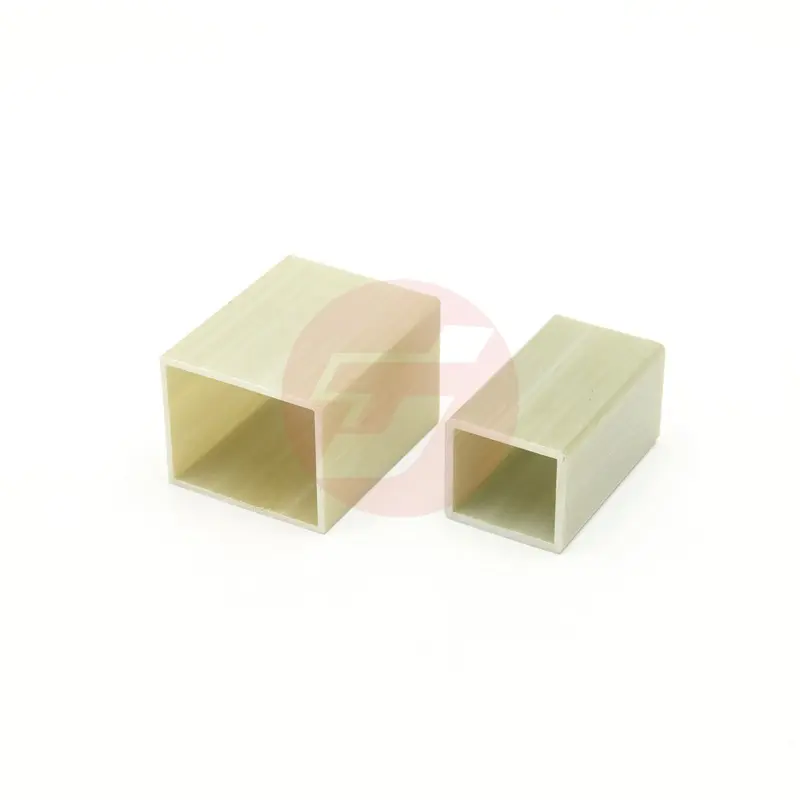
Fiber reinforced plastic pultrusion molds represent a critical advancement in composite manufacturing technology. These specialized molds enable the production of high-strength composite profiles with exceptional structural properties. Understanding how fiber reinforced plastic pultrusion molds enhance structural strength is essential for engineers, manufacturers, and procurement professionals working in aerospace, automotive, construction, and marine industries. The precision and design of fiber reinforced plastic pultrusion molds directly influence the performance characteristics of finished composite components.
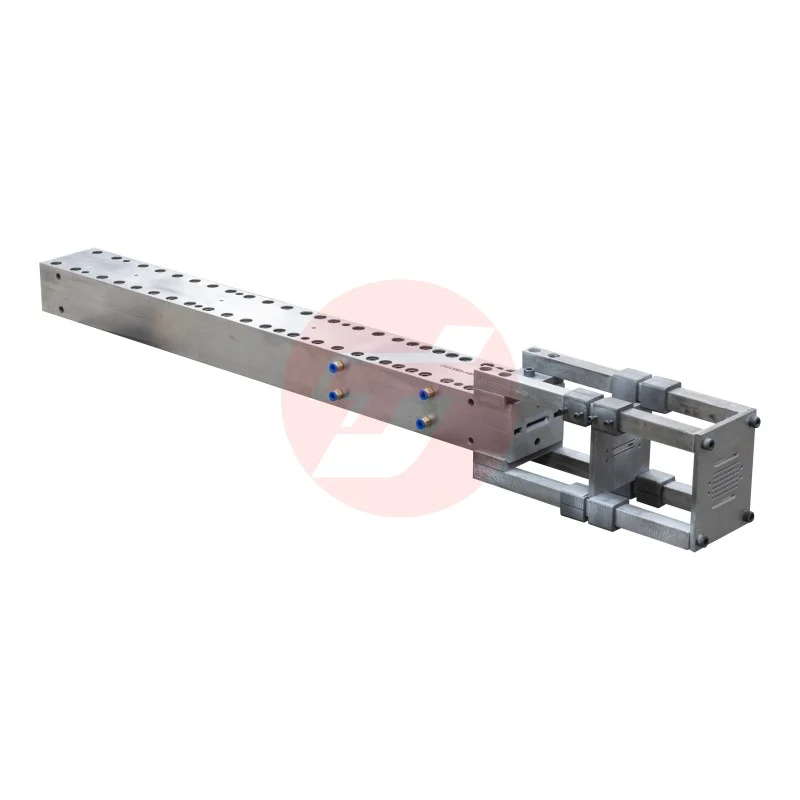
The relationship between mold design and composite strength cannot be overstated. Fiber reinforced plastic pultrusion molds control fiber alignment, resin distribution, and dimensional accuracy throughout the production process. When these molds function optimally, they create composite parts with superior tensile strength, flexural rigidity, and impact resistance. This article explores the specific mechanisms through which fiber reinforced plastic pultrusion molds enhance structural strength and deliver measurable performance improvements.
How Fiber Reinforced Plastic Pultrusion Molds Control Fiber Orientation
Precision Fiber Alignment in Mold Channels
The geometry of fiber reinforced plastic pultrusion molds fundamentally determines fiber orientation within the composite matrix. As reinforcing fibers pass through the cavity, the mold channels guide them into precise angles and arrangements. This controlled alignment is what distinguishes high-performance composites from weaker alternatives. Fiber reinforced plastic pultrusion molds with well-engineered taper and cross-sectional profiles ensure that continuous fibers remain properly oriented along the load-bearing axis. This directional control translates directly into increased tensile strength and load-carrying capacity of the final composite profile.
Maintaining Fiber Straightness and Consistency
Fiber reinforced plastic pultrusion molds must maintain consistent internal geometry to prevent fiber waviness or crimping. Any irregularities in the mold cavity lead to fiber misalignment, which reduces strength by concentrating stress at irregular points. Premium fiber reinforced plastic pultrusion molds feature smooth, precisely contoured surfaces that guide fibers straight through the curing process. The internal surface finish of fiber reinforced plastic pultrusion molds must be maintained at exacting tolerances to ensure repeatable results across thousands of production cycles. This consistency in fiber orientation means every composite part achieves predictable and reliable structural performance.
How Fiber Reinforced Plastic Pultrusion Molds Optimize Resin Distribution
Controlling Resin Flow and Saturation
Uniform resin impregnation is essential for structural strength, and fiber reinforced plastic pultrusion molds govern this process precisely. The cavity design of fiber reinforced plastic pultrusion molds creates specific flow pathways that distribute resin evenly across all fiber bundles. Inadequate or uneven resin distribution creates voids and dry spots that weaken the composite. Well-designed fiber reinforced plastic pultrusion molds include controlled resin injection points, flow channels, and evacuation zones that eliminate air pockets. This systematic approach to resin management within fiber reinforced plastic pultrusion molds ensures complete fiber wetting, which is crucial for achieving maximum structural strength and preventing premature failure.
Minimizing Void Content Through Mold Design
Voids represent structural weak points that reduce composite strength and durability. Fiber reinforced plastic pultrusion molds incorporate specialized vacuum or pressure zones that extract trapped air during the curing phase. The internal architecture of high-quality fiber reinforced plastic pultrusion molds facilitates resin flow while eliminating pockets where air might accumulate. This venting strategy within fiber reinforced plastic pultrusion molds significantly reduces void content, leading to denser, stronger composite profiles. Lower void content directly correlates with improved tensile strength, shear strength, and fatigue resistance in the finished composite component.
How Fiber Reinforced Plastic Pultrusion Molds Ensure Dimensional Accuracy and Load Distribution
Precise Cross-Sectional Geometry for Even Load Transfer
The cross-sectional shape produced by fiber reinforced plastic pultrusion molds determines how applied loads distribute throughout the composite structure. When fiber reinforced plastic pultrusion molds maintain exact tolerances, stress distributes uniformly across the profile, maximizing structural efficiency. Inconsistent cavity dimensions allow stress concentrations at weak points, reducing overall strength. Advanced fiber reinforced plastic pultrusion molds incorporate cooling zones and support structures that prevent distortion during curing and demolding. This dimensional consistency provided by fiber reinforced plastic pultrusion molds enables engineers to rely on published material properties and design safely with confidence.
Tailoring Geometry for Application-Specific Performance
Different structural applications demand different geometric profiles, which is why custom fiber reinforced plastic pultrusion molds deliver tailored performance. Engineers design fiber reinforced plastic pultrusion molds to create ribs, flanges, hollow sections, and reinforcing features that optimize strength-to-weight ratios for specific uses. Fiber reinforced plastic pultrusion molds may be configured for high-stiffness applications requiring I-beam or box-tube profiles, or for impact resistance with thicker wall sections. The flexibility in designing fiber reinforced plastic pultrusion molds allows manufacturers to produce composites that match exact structural requirements while maintaining material efficiency. This application-specific approach maximizes the strength benefits delivered by each fiber reinforced plastic pultrusion mold configuration.
FAQ
What specific material properties improve when using quality fiber reinforced plastic pultrusion molds?
When manufactured with precision fiber reinforced plastic pultrusion molds, composite parts typically exhibit 15–30% higher tensile strength compared to poorly controlled processes. Fiber reinforced plastic pultrusion molds also enhance flexural strength, shear strength, and impact resistance. The compressive strength and fatigue resistance of composites produced by fiber reinforced plastic pultrusion molds exceed those from competing processes, making them suitable for demanding structural applications where long-term reliability is critical.
How do fiber reinforced plastic pultrusion molds affect production consistency?
Fiber reinforced plastic pultrusion molds enable batch-to-batch consistency that is difficult to achieve through manual or less controlled manufacturing methods. Because fiber reinforced plastic pultrusion molds provide repeatable fiber alignment, resin saturation, and dimensional accuracy, every composite part emerges with virtually identical structural properties. This consistency eliminates design uncertainty and quality variation, allowing structural engineers to specify with confidence and manufacturers to meet specifications reliably.
Can fiber reinforced plastic pultrusion molds reduce material waste during composite manufacturing?
Yes, well-designed fiber reinforced plastic pultrusion molds minimize scrap and rework by producing dimensionally accurate parts on the first attempt. Precise fiber reinforced plastic pultrusion molds reduce trimming waste, eliminate mold-related defects, and decrease the need for secondary processing. This efficiency benefit reduces material costs and environmental impact while improving the economic viability of composite manufacturing operations that rely on optimized fiber reinforced plastic pultrusion molds.