
 EN
EN
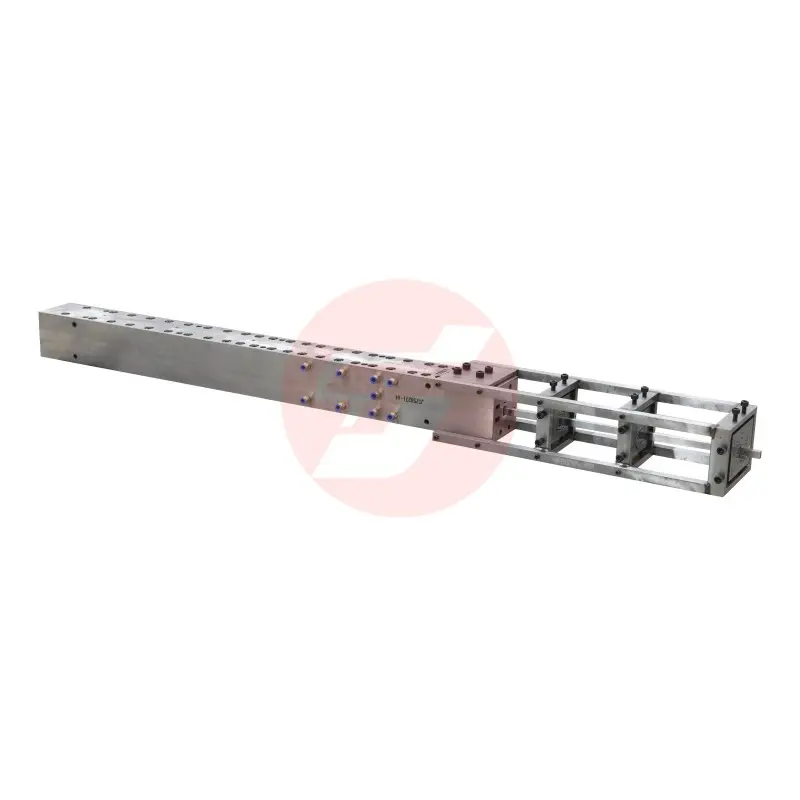
The renewable energy industry demands manufacturing tools that can deliver exceptional precision, structural consistency, and long operational life. fiberglass molds have emerged as the dominant solution for producing wind turbine main beams, combining technical performance with practical economic advantages that metal or polymer alternatives simply cannot match at scale. Understanding why fiberglass molds hold this position requires a close look at the specific engineering demands of wind turbine main beam production and how fiberglass molds address each one.
Wind turbine main beams are among the most structurally critical components in a turbine assembly. They must withstand continuous cyclic loads, environmental exposure, and mechanical stress across decades of field operation. Fiberglass molds are specifically suited to form these beams because they replicate complex surface geometries with high fidelity while remaining dimensionally stable throughout repeated production cycles. As wind energy capacity continues to expand globally, fiberglass molds are increasingly the standard choice for main beam fabrication lines across both onshore and offshore projects.
Material Properties That Make Fiberglass Molds the Right Fit
Thermal Stability and Dimensional Accuracy
One of the primary reasons fiberglass molds are so widely used in wind turbine main beam production is their excellent thermal stability. During the curing process, composite materials generate heat that can cause dimensional shifts in the mold if the tooling material is not thermally compatible. Fiberglass molds exhibit a low coefficient of thermal expansion that closely matches the composite laminate being formed inside them. This compatibility means fiberglass molds maintain their geometry even under elevated curing temperatures, resulting in main beams that meet tight dimensional tolerances consistently. Dimensional accuracy is non-negotiable in main beam production, and fiberglass molds deliver it reliably across high production volumes.
Surface Finish and Structural Integrity
Fiberglass molds provide a smooth, consistent surface finish that transfers directly to the cured main beam component. A high-quality surface is not purely cosmetic in this context. For wind turbine main beams, surface uniformity influences the quality of adhesive bonds, the distribution of internal stresses, and the long-term fatigue resistance of the finished part. Fiberglass molds are constructed with carefully laid fiber reinforcements that give the tooling sufficient rigidity to resist deflection under the pressure of infusion or press processing. The structural integrity of fiberglass molds ensures that beam geometry is preserved from the first production run through thousands of subsequent cycles.
Economic and Operational Advantages of Fiberglass Molds
Lower Tooling Cost Compared to Metal Alternatives
The cost of tooling is a significant factor in any large-scale manufacturing program, and fiberglass molds offer a compelling economic profile compared to steel or aluminum molds. Fiberglass molds require less raw material investment, can be fabricated using relatively accessible workshop infrastructure, and are lighter in weight, which reduces handling costs and equipment requirements on the production floor. For wind energy manufacturers operating multiple production lines simultaneously, the lower per-unit cost of fiberglass molds makes it feasible to scale capacity without proportional increases in capital expenditure. Fiberglass molds also allow for faster prototype iterations, which is valuable during the development phase of new main beam designs.
Repairability and Lifecycle Management
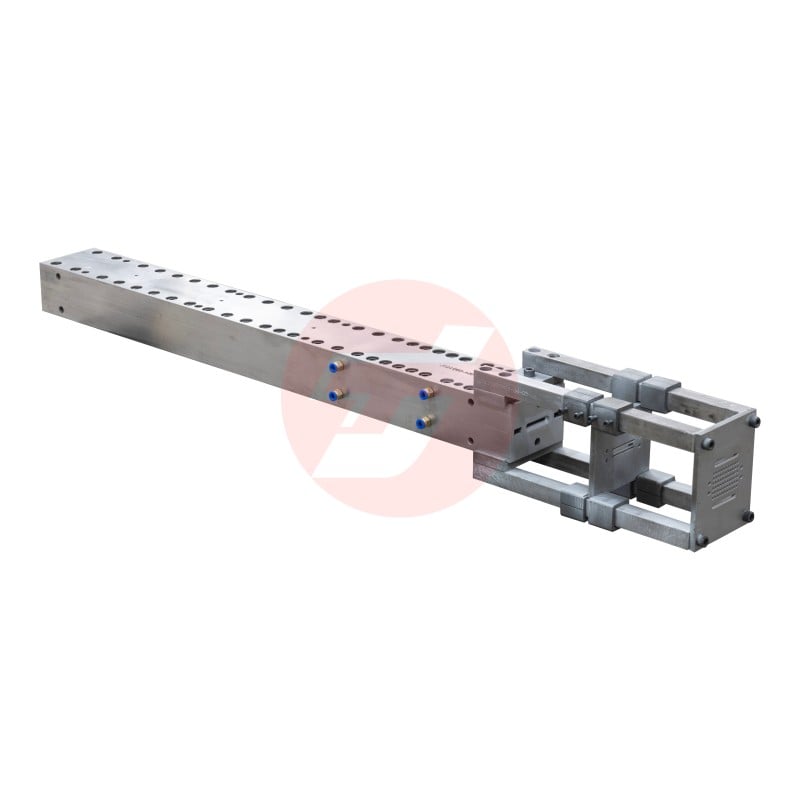
Another operational advantage of fiberglass molds is their repairability. Unlike metal tooling that may require specialized welding or machining services when damaged, fiberglass molds can be repaired in the field using standard composite repair techniques. Localized damage such as surface cracking or edge wear can be restored without scrapping the entire tool. This repairability extends the effective service life of fiberglass molds significantly, reducing the total cost of ownership over a multi-year production program. Maintenance teams familiar with composite materials can keep fiberglass molds in production-ready condition with relatively modest resources, which is a practical advantage in manufacturing environments where downtime carries real economic cost.
Process Compatibility and Design Flexibility of Fiberglass Molds
Compatibility with Vacuum Infusion and Pultrusion Processes
Fiberglass molds are highly compatible with the manufacturing processes most commonly used for wind turbine main beam production. Vacuum infusion, prepreg layup, and pultrusion are all processes in which fiberglass molds perform reliably. The sealed surface of fiberglass molds supports the vacuum integrity required for infusion, preventing leaks that would compromise fiber wet-out and structural quality. In pultrusion applications, fiberglass molds can be engineered to precise cross-sectional profiles that guide the resin-impregnated fiber bundle through the forming zone with consistent tension and alignment. This process compatibility means manufacturers do not need to invest in different tooling systems for different production methods when fiberglass molds can serve multiple roles.
Design Customization for Complex Beam Geometries
Wind turbine main beams are not uniform in cross-section along their full length. They taper, vary in wall thickness, and incorporate structural transitions that require mold surfaces of considerable geometric complexity. Fiberglass molds can be fabricated over master patterns to capture these complex geometries accurately, including undercuts, flanges, and locating features that ensure repeatable part positioning. The ability to customize fiberglass molds to virtually any beam profile makes them adaptable as turbine designs evolve toward longer, lighter, and more aerodynamically refined blades and structural members. This design flexibility is a central reason why fiberglass molds remain the preferred tooling format as wind turbine technology advances.
FAQ
How long do fiberglass molds typically last in wind turbine beam production?
The service life of fiberglass molds in wind turbine main beam production depends on maintenance practices, production cycle frequency, and the processing temperatures involved. Well-maintained fiberglass molds can reliably produce hundreds to over a thousand parts before requiring significant refurbishment. Regular surface upkeep and prompt repair of minor damage are the most effective ways to extend the working life of fiberglass molds in continuous production environments.
Can fiberglass molds handle the size requirements of modern wind turbine main beams?
Yes. Fiberglass molds are routinely fabricated at the large scales required by modern wind turbine main beam production. Multi-section fiberglass molds can be joined to create tooling for beams exceeding twenty meters in length. Structural reinforcement frames are integrated into fiberglass molds of this scale to maintain stiffness and prevent warping during the curing process, ensuring that dimensional accuracy is preserved across the full beam length.
What distinguishes fiberglass molds from carbon fiber molds in this application?
Carbon fiber molds offer higher stiffness and lower weight than fiberglass molds, which can be advantageous in high-precision or elevated-temperature applications. However, fiberglass molds provide a more cost-effective solution for the production volumes and temperature ranges typical in wind turbine main beam manufacturing. For most main beam production programs, fiberglass molds offer the right balance of performance, repairability, and total cost, which is why they remain the dominant tooling choice in this sector.