
 EN
EN
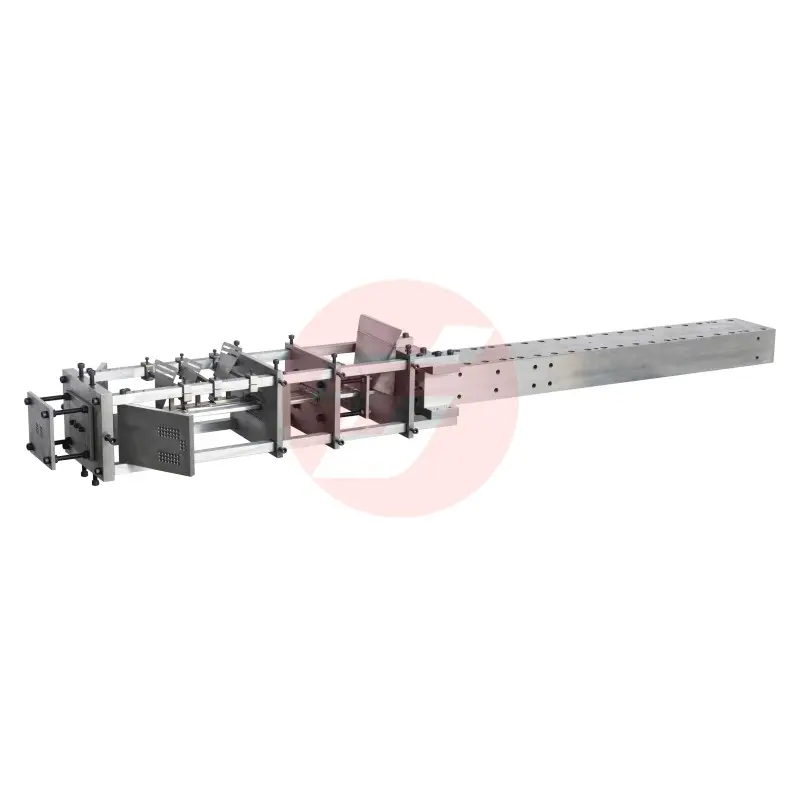
Wind power OEMs face relentless pressure to produce stronger, lighter, and more cost-efficient turbine components at scale. Among these components, the main beam is one of the most structurally critical parts of a wind turbine blade, bearing enormous bending and torsional loads throughout the turbine's service life. Choosing the right tooling solution for this component is a foundational decision, and fiberglass main beam molds have emerged as the preferred answer for manufacturers who demand dimensional precision, long service life, and repeatable output quality.
This article explores the concrete benefits that fiberglass main beam molds deliver to wind power OEMs, from production efficiency gains and structural reliability to total cost advantages. Whether you are scaling up blade manufacturing or optimizing an existing production line, understanding why fiberglass main beam molds outperform conventional tooling options is essential for making a well-informed investment decision.
Structural and Dimensional Advantages of Fiberglass Main Beam Molds
High Dimensional Stability Under Process Conditions
One of the most important qualities wind power OEMs require from any mold tooling is dimensional stability during the curing and heating cycle. Fiberglass main beam molds exhibit a very low coefficient of thermal expansion compared to steel alternatives, which means the mold cavity retains its precise geometry even when exposed to elevated curing temperatures. This thermal stability ensures that the main beam cured inside the mold maintains its designed cross-sectional profile without warping or deviation.
For wind turbine blades reaching lengths of 80 meters or more, even a minor dimensional error in the main beam can translate into aerodynamic inefficiency and structural stress concentration. Fiberglass main beam molds help OEMs eliminate this risk by maintaining tight tolerances batch after batch, reducing post-process corrections and rework costs significantly.
Superior Surface Quality for Structural Bonding
Fiberglass main beam molds produce a smooth, consistent inner surface finish that supports reliable adhesive bonding in the blade assembly process. The quality of the mold surface directly affects the quality of the composite part surface, which in turn determines how effectively the main beam bonds to the blade shell. Fiberglass main beam molds provide this consistent surface finish over hundreds of production cycles, reducing variability across production batches.
Production Efficiency Benefits for Wind Power OEMs
Lightweight Handling and Installation
Fiberglass main beam molds are significantly lighter than equivalent steel molds, which provides a practical advantage in large-scale blade manufacturing facilities. Lighter fiberglass main beam molds are easier to position, align, and adjust on the shop floor without requiring heavy lifting equipment at every stage. This reduces downtime during mold changeovers, accelerates setup time between production runs, and allows facilities to manage larger mold inventories without major capital investment in floor handling infrastructure.
For OEMs managing parallel production lines or operating multiple shifts, the handling efficiency delivered by fiberglass main beam molds directly translates into measurable increases in production throughput. Faster cycle management is a key competitive lever for wind turbine manufacturers facing aggressive delivery schedules.
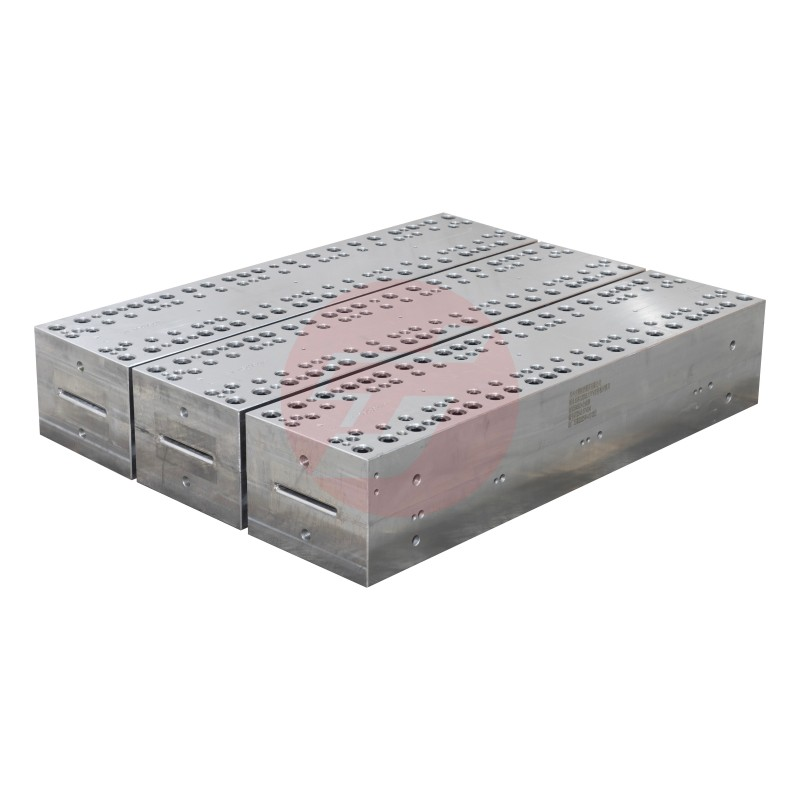
Compatibility with Pultrusion and Infusion Processes
Fiberglass main beam molds are engineered to support both pultrusion-based and vacuum infusion-based manufacturing processes, giving wind power OEMs flexibility as they scale or transition between production technologies. The mold material tolerates the resin systems, process pressures, and thermal profiles associated with these manufacturing routes. This compatibility means OEMs can invest in fiberglass main beam molds as a stable tooling platform even when process specifications evolve over time. The ability to serve multiple manufacturing methods also reduces the total number of specialized mold sets required, lowering capital expenditure.
Cost and Longevity Advantages Over the Production Lifecycle
Extended Service Life with Reduced Maintenance
Fiberglass main beam molds are engineered to withstand repeated thermal cycling, resin contact, and mechanical loading without significant degradation of surface quality or structural integrity. Unlike metal tooling that can develop surface oxidation, corrosion, or fatigue cracking over time, fiberglass main beam molds maintain their working surface through thousands of production cycles when properly maintained. This extended service life lowers the annualized tooling cost per part, a critical metric for OEMs managing large production volumes.
Maintenance requirements for fiberglass main beam molds are also generally lower than for metal counterparts. Surface restoration on a fiberglass mold can typically be completed in-house by production staff without specialist welding or metal fabrication services. This reduces maintenance lead times and keeps fiberglass main beam molds in active production service for longer periods.
Favorable Total Cost of Ownership
When OEMs evaluate tooling investments, the initial purchase price is only one component of the true cost equation. Fiberglass main beam molds offer a more favorable total cost of ownership when their lighter weight, lower maintenance cost, compatibility with existing process infrastructure, and long service life are all factored in. For wind power OEMs producing hundreds or thousands of main beam sets annually, the cumulative cost difference between fiberglass main beam molds and heavier steel alternatives becomes commercially significant. Procurement teams that perform full lifecycle cost analysis consistently find fiberglass main beam molds to be the more economical tooling choice at scale.
Beyond direct cost savings, fiberglass main beam molds also support quality consistency, which reduces warranty claims and field failure risks. This indirect financial benefit further strengthens the case for fiberglass main beam molds as the preferred long-term tooling investment for wind power OEMs.
FAQ
How long do fiberglass main beam molds typically last in production?
With proper maintenance and surface care, fiberglass main beam molds can sustain thousands of production cycles before requiring significant refurbishment. Their resistance to thermal cycling and chemical exposure from resin systems contributes to this extended operational life, making fiberglass main beam molds a reliable long-term tooling asset for wind turbine OEMs.
Are fiberglass main beam molds suitable for large blade sizes?
Yes. Fiberglass main beam molds are manufactured to accommodate the full range of modern blade dimensions, including very long blades for offshore and onshore utility-scale turbines. The low thermal expansion behavior of fiberglass main beam molds makes them especially well-suited for large-format production, where dimensional accuracy over long spans is critical to blade performance and structural integrity.
Can fiberglass main beam molds be repaired if damaged?
In most cases, yes. Surface damage to fiberglass main beam molds can be repaired using composite repair techniques available to most production facilities. This repairability is a key advantage of fiberglass main beam molds compared to metal tooling, which may require specialized welding or machining to restore. Quick, in-house repairs help OEMs minimize unplanned downtime and keep fiberglass main beam molds in production service with minimal disruption.