
 EN
EN
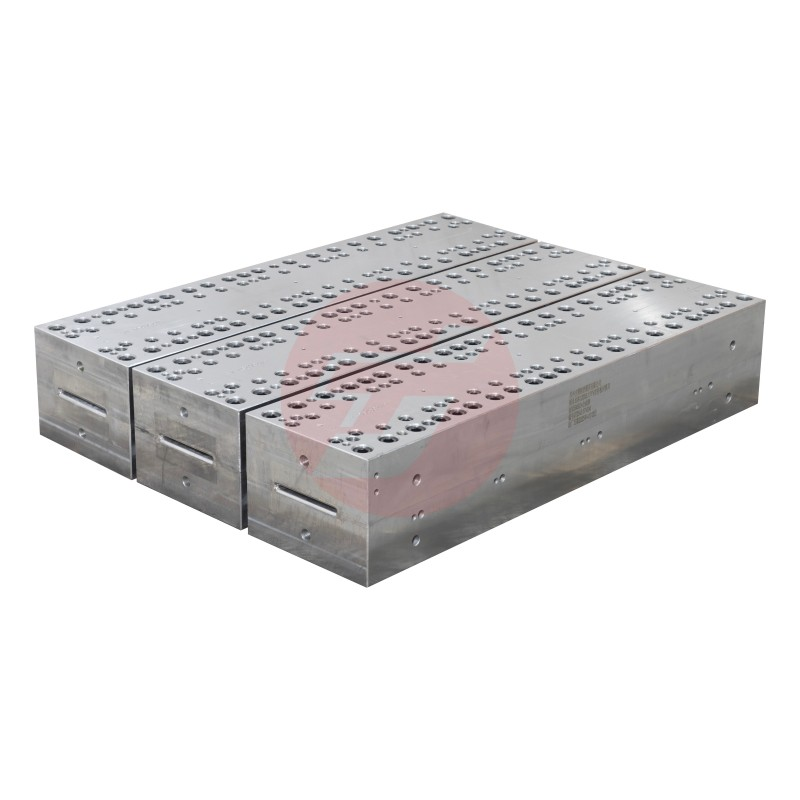
Manufacturing facilities focused on wind energy components face increasing pressure to deliver precision parts faster and at lower cost. A carbon fiber turbine beam mold is one of the most effective tools available to help factories meet these demands. By integrating a high-performance carbon fiber turbine beam mold into the production workflow, manufacturers can achieve tighter dimensional tolerances, faster demold cycles, and significantly better surface quality on finished turbine beam components.
The adoption of a carbon fiber turbine beam mold is not simply a material substitution decision. It represents a fundamental shift in how factories approach structural composite manufacturing. When a factory understands exactly how a carbon fiber turbine beam mold contributes to production optimization, it becomes easier to justify the investment, align tooling choices with output targets, and redesign workflows for maximum throughput. This article explains the practical mechanisms through which a carbon fiber turbine beam mold drives measurable production improvements across three critical areas.
Precision Engineering Enabled by a Carbon Fiber Turbine Beam Mold
Dimensional Stability Under Repeated Thermal Cycles
One of the most important advantages of a carbon fiber turbine beam mold is its exceptionally low coefficient of thermal expansion. Traditional steel or aluminum tooling expands and contracts during curing cycles, introducing subtle but cumulative dimensional errors into each turbine beam produced. A carbon fiber turbine beam mold maintains near-constant geometry even when exposed to elevated cure temperatures repeatedly across thousands of production cycles. This dimensional consistency directly reduces scrap rates and the need for post-process correction, which are two of the biggest hidden costs in composite turbine beam manufacturing.
When factories switch to a carbon fiber turbine beam mold, quality control teams typically report a measurable reduction in out-of-tolerance parts. The stability of a carbon fiber turbine beam mold means that first-article inspection results remain representative of ongoing production rather than requiring continuous recalibration. For facilities producing large volumes of turbine beam structures, this reliability translates directly into fewer production stoppages and more predictable delivery schedules.
Surface Quality and Finish Optimization
The internal surface finish of a carbon fiber turbine beam mold transfers directly to the outer surface of the finished part. High-quality carbon fiber turbine beam mold tooling is manufactured with polished mold surfaces that minimize porosity and surface defects on each turbine beam. A factory using a carbon fiber turbine beam mold with a superior surface finish can reduce or eliminate secondary sanding and coating operations, which shortens the overall production cycle and lowers labor costs per unit. The reduced surface prep requirement enabled by a well-made carbon fiber turbine beam mold is a straightforward driver of production optimization.
Cycle Time Reduction Through Carbon Fiber Turbine Beam Mold Design
Lightweight Handling and Faster Mold Setup
A carbon fiber turbine beam mold is significantly lighter than comparable steel tooling. The weight reduction associated with a carbon fiber turbine beam mold has a direct impact on factory floor efficiency. Operators can position, orient, and secure a carbon fiber turbine beam mold faster than heavy metal alternatives, reducing setup time between production runs. In factories operating multiple shifts or producing a range of turbine beam sizes, the handling advantage of a carbon fiber turbine beam mold compounds into substantial time savings over a weekly or monthly production horizon.
Faster mold changeover using a carbon fiber turbine beam mold also improves equipment utilization rates. When a production line can transition from one turbine beam specification to another more quickly, the effective capacity of the entire facility increases without additional capital investment. The lightweight nature of a carbon fiber turbine beam mold is therefore not just an ergonomic convenience but a genuine operational efficiency driver that factory managers should factor into tooling selection decisions.
Optimized Heat Transfer for Shorter Cure Cycles
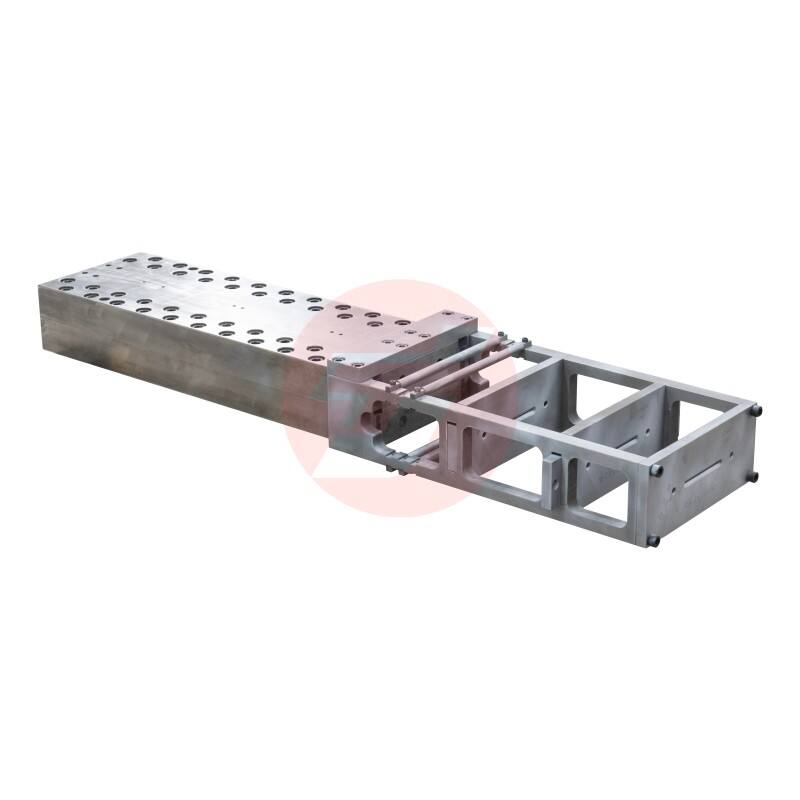
A carbon fiber turbine beam mold with an integrated heating system or optimized thermal mass can shorten cure times compared to heavier conventional tooling. Because a carbon fiber turbine beam mold reaches target cure temperature more quickly and distributes heat more uniformly across the part geometry, resin cure cycles complete faster and with greater consistency. Shorter cure cycles using a carbon fiber turbine beam mold directly increase the number of parts a factory can produce per shift. When multiplied across an entire production program, the cycle time improvement delivered by a carbon fiber turbine beam mold represents one of the highest-return optimizations available to composite manufacturing operations.
Long-Term Production Economics of the Carbon Fiber Turbine Beam Mold
Extended Tool Life and Reduced Maintenance
A well-constructed carbon fiber turbine beam mold resists corrosion, chemical attack from release agents, and the mechanical wear associated with repeated demold operations. Over the lifespan of a production program, a durable carbon fiber turbine beam mold requires fewer repairs and less frequent resurfacing compared to metal tooling. The reduced maintenance burden of a carbon fiber turbine beam mold lowers the total cost of ownership and keeps production schedules intact. Factories that plan tooling investments carefully recognize that a high-quality carbon fiber turbine beam mold delivers cost advantages that accumulate significantly over multi-year production contracts.
Scalability Across Turbine Beam Specifications
As turbine designs evolve and beam geometries change, a factory needs tooling that can be adapted or replicated efficiently. A carbon fiber turbine beam mold can be fabricated to complex geometries more readily than metal alternatives, and additional carbon fiber turbine beam mold sets can be produced from master patterns with high fidelity. This scalability makes a carbon fiber turbine beam mold the preferred choice for factories that expect to expand their turbine component portfolio. Planning production growth around a carbon fiber turbine beam mold platform ensures that tooling transitions do not bottleneck output as programs scale.
FAQ
How many production cycles can a carbon fiber turbine beam mold typically handle?
A properly maintained carbon fiber turbine beam mold can support several hundred to several thousand production cycles depending on the resin system used, cure temperatures, and release agent practices. Regular inspection and surface maintenance extend the service life of a carbon fiber turbine beam mold considerably.
Is a carbon fiber turbine beam mold suitable for both infusion and prepreg processes?
Yes, a carbon fiber turbine beam mold can be engineered to support vacuum infusion, resin transfer molding, and prepreg autoclave processes. The mold design and surface treatment are specified based on the intended manufacturing process to ensure optimal part quality and consistent release performance from the carbon fiber turbine beam mold.
What factors should factories evaluate when sourcing a carbon fiber turbine beam mold?
Factories should evaluate the mold manufacturer's experience with complex turbine beam geometries, the fiber layup schedule used in the carbon fiber turbine beam mold construction, surface finish specifications, thermal performance data, and the supplier's quality assurance documentation. A well-documented carbon fiber turbine beam mold specification protects production quality and simplifies future tooling replication.