
 EN
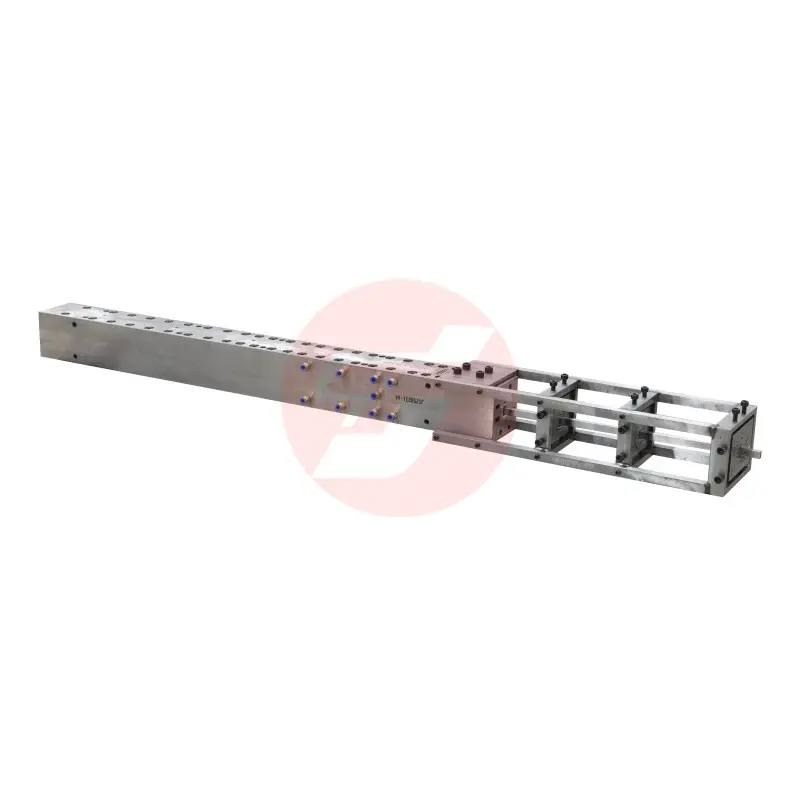
The choice between composite molds and aluminum molds represents a critical decision in solar frame manufacturing, one that directly impacts production efficiency, product quality, and long-term cost effectiveness. For certain solar frame designs, composite molds have emerged as the preferred choice, offering distinct advantages that align with the unique demands of modern photovoltaic frame production. Understanding why composite molds outperform aluminum in specific applications requires examining the technical, economic, and operational factors that make this material choice increasingly popular in the renewable energy sector.
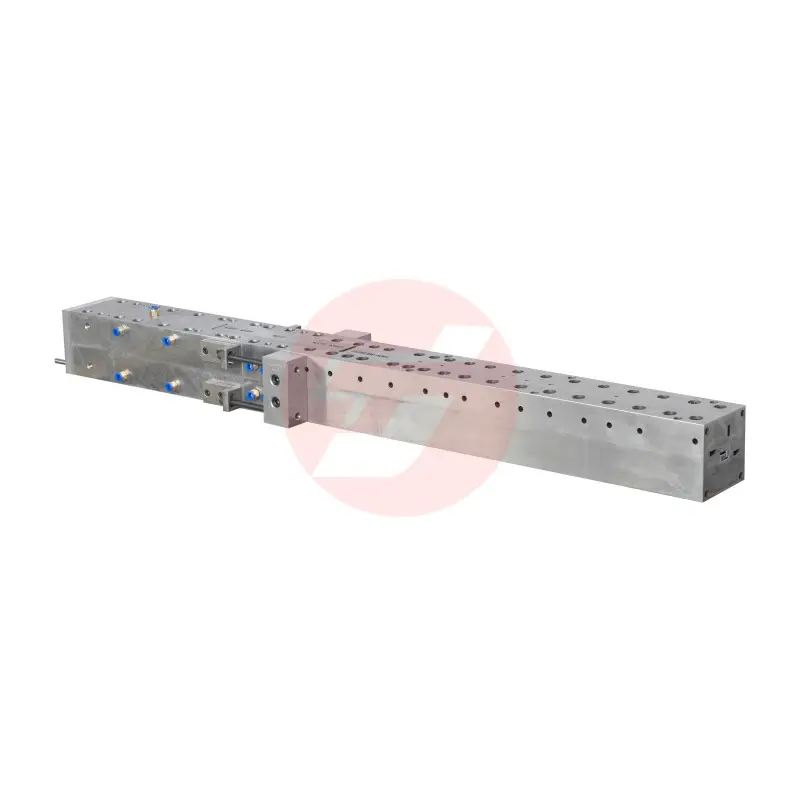
Solar frame designs today demand materials that can withstand rigorous production cycles while maintaining dimensional precision and surface quality. Composite molds have proven exceptionally well-suited to these requirements, particularly in pultrusion and continuous manufacturing processes where thermal stability and wear resistance are paramount. The shift toward composite molds reflects not merely a preference for novelty, but a recognition of their superior performance characteristics in delivering consistent, high-quality solar frames at scale.
Thermal Stability and Processing Advantages
Superior Heat Management in Composite Molds
Thermal cycling presents one of the most demanding challenges in solar frame manufacturing. Composite molds excel in this environment because they exhibit lower thermal conductivity compared to aluminum, which means they maintain more stable internal temperatures during production runs. This thermal stability is especially valuable in pultrusion processes where composite molds help regulate material flow and cure rates without the temperature fluctuations that aluminum might introduce. When producing solar frames with tight dimensional tolerances, the consistent thermal profile of composite molds prevents the micro-expansions and contractions that can compromise accuracy.
Aluminum molds, while lightweight, conduct heat rapidly and unevenly across their surfaces. This characteristic can lead to inconsistent cooling rates in different sections of a solar frame, creating internal stresses and potential warping. Composite molds distribute heat more uniformly, allowing resin systems and reinforcement materials to cure at a controlled, predictable pace. For manufacturers producing high volumes of solar frames, this thermal consistency translates directly into lower defect rates and reduced material waste, making composite molds a more economical choice over extended production cycles.
Extended Mold Life and Durability
Durability is where composite molds demonstrate a compelling advantage over aluminum molds in solar frame applications. Composite molds resist corrosion far more effectively than aluminum, a critical benefit in facilities where moisture, UV exposure, or chemical releases are present. The resin matrix in composite molds naturally resists chemical attack, whereas aluminum requires protective coatings that can degrade or need regular reapplication. For solar frame manufacturers operating in humid climates or coastal regions, this corrosion resistance eliminates a major source of mold degradation and maintenance expense.
The wear resistance of composite molds also exceeds that of aluminum when subjected to abrasive materials and high-speed production. Solar frame designs increasingly incorporate reinforced fibers, minerals, and additives that can accelerate mold wear. Composite molds maintain their surface finish and dimensional accuracy through significantly more production cycles than comparable aluminum molds. This longevity reduces the frequency of mold replacement, allowing manufacturers to amortize tooling investments over larger production volumes and achieve superior long-term cost efficiency with composite molds.
Design Flexibility and Manufacturing Precision
Complex Geometry Capabilities
Modern solar frame designs often feature intricate geometries including internal ribs, varying wall thicknesses, and integrated structural elements. Composite molds accommodate these complex requirements more readily than aluminum molds because the manufacturing process for composite molds allows for greater design freedom and precise feature definition. When engineers design sophisticated solar frames to optimize structural performance and weight distribution, composite molds can be engineered to capture these complexities without the limitations that traditional aluminum tooling would impose.
The flexibility of composite mold manufacturing enables custom solutions for specialized solar frame applications. Whether a design requires unique surface textures, embedded channels, or asymmetrical cross-sections, composite molds can be tailored to exact specifications. This design adaptability makes composite molds particularly valuable for manufacturers developing next-generation solar frame products or responding to customer-specific requirements that would be impractical or prohibitively expensive to achieve with aluminum molds.
Dimensional Consistency and Surface Quality
Dimensional consistency defines quality in solar frame manufacturing, and composite molds deliver superior accuracy across extended production runs. The inherent stability of composite molds prevents the drift in dimensions that can occur with aluminum as repeated thermal cycling and mechanical stress accumulate. For solar frames where dimensional precision affects structural integrity and installation compatibility, the reliability of composite molds becomes a decisive factor in product performance and customer satisfaction.
Surface quality directly influences both aesthetic appeal and functional performance of solar frames. Composite molds produce surfaces with exceptional finish characteristics, reducing the need for post-production finishing operations. This capability stems from the smooth, stable surface properties of composite mold materials, which resist the micro-scratches and deformation that aluminum surfaces can develop. When solar frame manufacturers prioritize reducing production steps and improving efficiency, the superior surface quality of composite molds becomes a substantial operational advantage that distinguishes their product offering.
Cost-Benefit Analysis for Solar Frame Production
Long-Term Economic Performance
While initial tooling costs for composite molds may exceed those for aluminum molds, the long-term economic picture strongly favors composite molds for sustained solar frame production. The extended operational life of composite molds means fewer replacement cycles, lower maintenance requirements, and reduced downtime for mold refurbishment. When solar frame manufacturers analyze total cost of ownership across multi-year production schedules, composite molds consistently demonstrate superior financial performance compared to aluminum alternatives.
Material waste reduction represents another significant cost advantage associated with composite molds. Because composite molds maintain dimensional accuracy and surface quality throughout their operational life, defect rates remain lower and more consistent. This translates to higher first-pass yield rates and less scrap material, directly improving profitability. For high-volume solar frame production environments, these efficiency gains accumulate into substantial financial benefits that justify the investment in composite mold technology.
Operational Efficiency and Production Flexibility
Composite molds enable faster production cycle times in many solar frame applications because their thermal properties allow for optimized cure schedules. Manufacturers can push production speeds while maintaining quality standards, increasing throughput without compromising product integrity. This efficiency advantage becomes particularly significant when demand for solar frames accelerates, allowing manufacturers to scale production rapidly without proportionally increasing tooling costs or facility infrastructure.
The ability to use composite molds across diverse solar frame designs enhances production flexibility. Manufacturers can transition between product variants more efficiently, and the molds continue performing reliably regardless of production intensity. This versatility supports just-in-time manufacturing strategies and rapid response to market demands, positioning solar frame producers using composite molds to compete more effectively in dynamic market conditions. The operational advantages of composite molds extend beyond simple production metrics to encompass strategic manufacturing capabilities that strengthen competitive positioning.
FAQ
What specific solar frame designs benefit most from composite molds?
Composite molds excel in applications involving complex geometries, high-precision dimensional requirements, and sustained high-volume production runs. Solar frames with integrated reinforcement structures, multi-chambered sections, or specialized surface finishes particularly benefit from composite mold technology. Additionally, solar frame designs requiring thermal stability during manufacturing and products destined for corrosive environments gain significant advantages from composite molds compared to aluminum alternatives.
How do composite molds compare to aluminum in terms of maintenance costs?
Composite molds require substantially lower maintenance investment compared to aluminum molds because they resist corrosion, wear, and environmental degradation more effectively. Aluminum molds often need protective coatings, regular refinishing, and more frequent inspections to maintain performance. The maintenance burden associated with composite molds remains minimal throughout their operational life, contributing to lower total cost of ownership and reduced production interruptions due to mold maintenance requirements.
Can composite molds be customized for unique solar frame specifications?
Yes, composite molds offer exceptional customization capabilities that accommodate specialized solar frame requirements. The manufacturing process for composite molds allows engineers to incorporate complex features, unique geometries, and application-specific design elements. This flexibility makes composite molds ideal for manufacturers developing innovative solar frame products or fulfilling customer specifications that demand design features beyond what standard aluminum molds can practically deliver.