
 EN
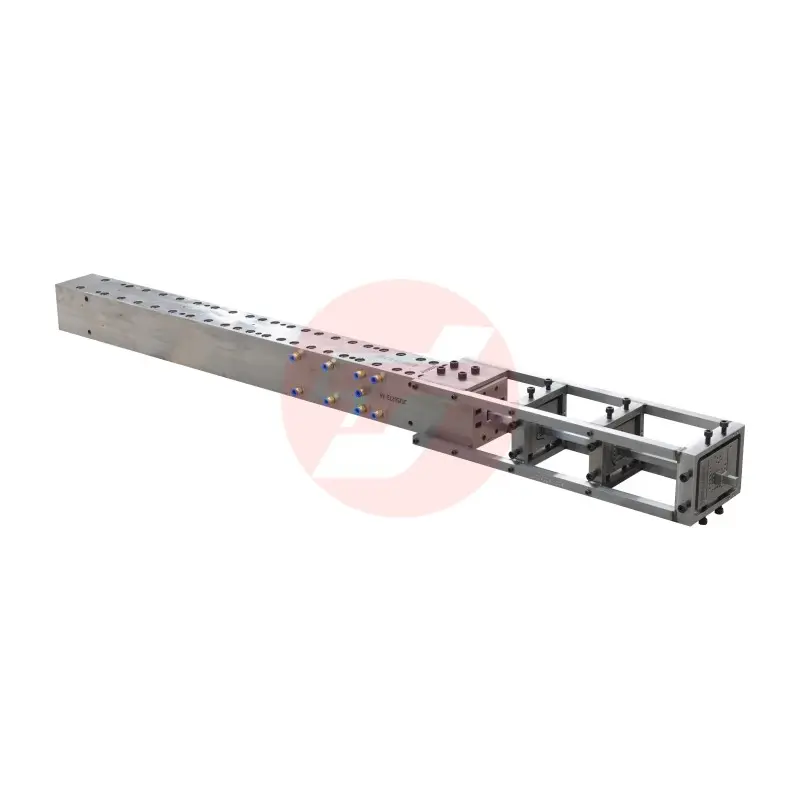
Manufacturing solar energy components requires precision, durability, and cost efficiency that traditional methods often struggle to deliver. The composite photovoltaic frame mold represents a transformative approach for B2B manufacturers seeking competitive advantages in the rapidly expanding renewable energy sector. This innovative solution combines advanced materials science with proven manufacturing techniques to create frames that meet the stringent demands of modern photovoltaic systems. Understanding how a composite photovoltaic frame mold can enhance your production capabilities is essential for businesses looking to optimize their operations and maintain market relevance.
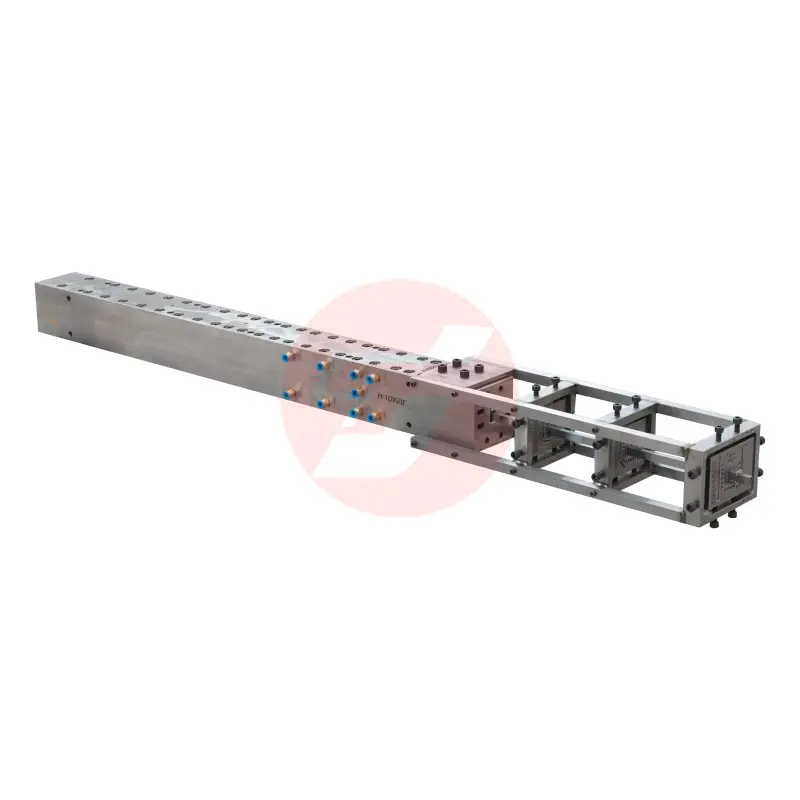
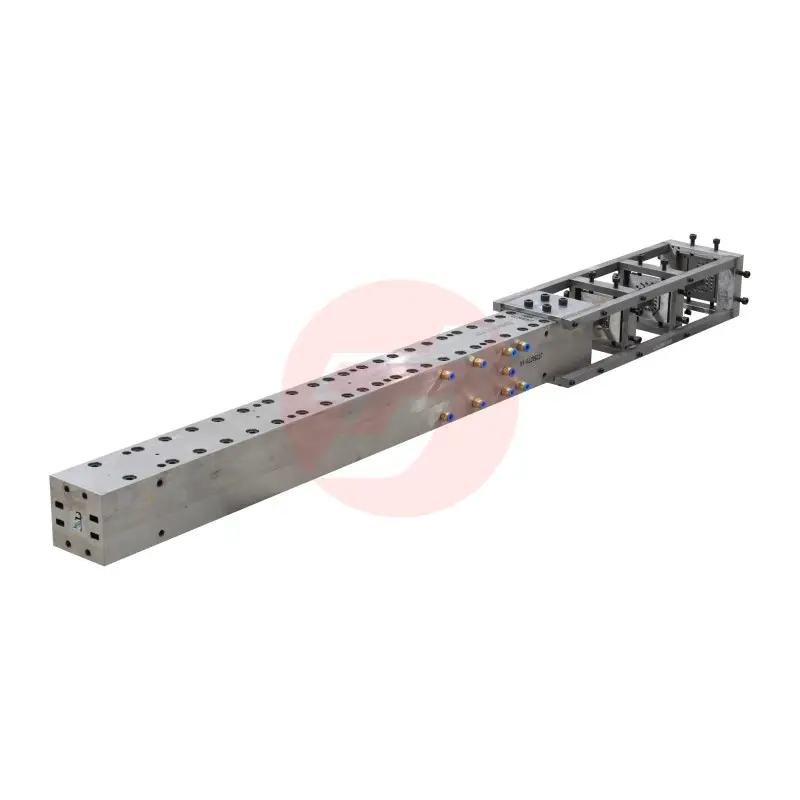
For B2B operations, the decision to implement a composite photovoltaic frame mold solution goes beyond simple equipment investment. It represents a strategic commitment to production excellence, material efficiency, and long-term profitability. Companies adopting this technology gain measurable advantages in throughput, quality consistency, and waste reduction. The composite photovoltaic frame mold has become increasingly critical as manufacturers face pressure to scale production while maintaining cost control and environmental responsibility.
Enhanced Production Efficiency and Throughput
Accelerated Manufacturing Cycles
A composite photovoltaic frame mold delivers superior cycle time performance compared to conventional metallic molds. The thermal properties of composite materials allow for faster cooling cycles, which directly translates to increased production output without sacrificing quality. This acceleration becomes especially valuable when operating at high-volume manufacturing scales typical in the solar industry. Using a composite photovoltaic frame mold reduces idle time and enables manufacturers to meet aggressive delivery schedules while maintaining consistent frame specifications.
Improved Material Flow and Consistency
The engineered surface properties of a composite photovoltaic frame mold ensure uniform material distribution during the molding process. This consistency eliminates defects such as warping, surface irregularities, and dimensional variance that can compromise frame integrity. When composite photovoltaic frame mold technology is properly implemented, manufacturers observe measurable reductions in quality control rejections. The predictability of the molding process simplifies production scheduling and reduces the need for rework or material scrap.
Cost Reduction and Long-Term Economic Benefits
Lower Capital and Maintenance Expenditure
Composite photovoltaic frame mold solutions require significantly lower initial capital investment compared to steel or aluminum alternatives. The material composition allows for faster manufacturing of the mold itself, reducing tooling lead times and enabling quicker production ramp-up. Beyond initial cost, a composite photovoltaic frame mold exhibits lower maintenance demands, fewer corrosion-related issues, and extended operational longevity. This combination of reduced capital outlay and minimal maintenance overhead substantially improves the total cost of ownership for B2B manufacturers.
Material Efficiency and Waste Reduction
The precision engineering inherent in composite photovoltaic frame mold technology minimizes material waste during production runs. The mold's dimensional stability ensures that each frame produced meets specifications on the first attempt, eliminating scrap material and associated disposal costs. This efficiency gain becomes amplified across high-volume production scenarios typical in the photovoltaic industry. By selecting a composite photovoltaic frame mold, manufacturers directly improve their material cost per unit and reduce environmental impact through waste minimization.
Quality Assurance and Product Durability
Superior Frame Structural Integrity
Frames produced using composite photovoltaic frame mold technology exhibit enhanced structural properties and long-term durability. The molding process ensures proper material curing and molecular alignment, creating frames with superior corrosion resistance and mechanical strength. These quality improvements translate to reduced warranty claims and enhanced customer satisfaction in the B2B supply chain. A composite photovoltaic frame mold enables manufacturers to deliver products that exceed industry standards and customer specifications consistently.
Environmental and Compliance Advantages
Modern composite photovoltaic frame mold solutions support manufacturers' environmental and regulatory compliance objectives. The manufacturing process generates minimal hazardous waste, aligns with sustainable production principles, and reduces overall energy consumption. As regulatory pressure increases around manufacturing emissions and waste management, adopting a composite photovoltaic frame mold positions companies as environmentally responsible suppliers. This positioning becomes increasingly valuable in B2B procurement decisions where sustainability credentials influence supplier selection.
Scalability and Market Responsiveness
Production Flexibility and Rapid Adaptation
The composite photovoltaic frame mold technology provides manufacturers with flexibility to adjust production volumes without major capital reinvestment. Whether increasing output to meet growing demand or modifying designs for new product variants, a composite photovoltaic frame mold accommodates these changes more readily than traditional tooling solutions. This operational flexibility is particularly valuable in the volatile solar market, where customer specifications and volume demands fluctuate based on regulatory incentives and energy policy shifts.
Competitive Advantage in Global Markets
Companies leveraging composite photovoltaic frame mold solutions gain meaningful competitive advantages in price, delivery performance, and product quality. This advantage becomes especially pronounced when competing for large-volume contracts where cost per unit and reliability directly influence purchasing decisions. B2B manufacturers who adopt composite photovoltaic frame mold technology earlier than competitors establish market positions that are difficult for others to match. The combination of improved economics and superior product consistency creates sustainable competitive moats in the photovoltaic supply chain.
Implementation Considerations for B2B Operations
Integration with Existing Production Systems
Implementing composite photovoltaic frame mold solutions requires careful planning to ensure compatibility with existing equipment and workflows. Most modern pultrusion and molding systems can accommodate composite photovoltaic frame mold technology without extensive modifications. Technical collaboration with experienced suppliers ensures seamless integration and optimal performance from day one. Companies should evaluate their current production infrastructure and workforce capabilities to maximize the benefits of this advanced tooling solution.
Workforce Training and Process Optimization
Successfully leveraging composite photovoltaic frame mold advantages requires properly trained operators familiar with the technology's unique characteristics. Staff must understand optimal operating parameters, material handling procedures, and maintenance protocols specific to composite tooling. Investing in workforce development alongside the composite photovoltaic frame mold implementation ensures faster achievement of target efficiency and quality metrics. This human-centered approach complements the technical benefits of the technology itself.
FAQ
What makes composite photovoltaic frame mold technology different from traditional metal molds?
Composite photovoltaic frame mold solutions offer faster thermal cycling, lower maintenance requirements, and reduced capital costs compared to steel or aluminum molds. The material properties enable better surface consistency and dimensional stability, resulting in superior frame quality with minimal defects. Additionally, a composite photovoltaic frame mold requires fewer operational adjustments and delivers longer service life without corrosion concerns typical with metal alternatives.
How does a composite photovoltaic frame mold impact production timelines?
By enabling shorter cooling cycles and reducing material flow inconsistencies, composite photovoltaic frame mold technology directly accelerates production throughput. Manufacturing teams experience faster cycle times between production runs, translating to higher daily output volumes. The consistency provided by composite photovoltaic frame mold solutions also reduces time spent on quality control and rework, further improving overall timeline efficiency.
Are composite photovoltaic frame mold solutions suitable for all frame designs?
Composite photovoltaic frame mold technology accommodates most standard photovoltaic frame designs and can be customized for specialized applications. The flexibility of composite materials enables designers to create molds that optimize production for specific frame geometries and material compositions. Consulting with experienced engineers helps determine whether a composite photovoltaic frame mold suits your particular design requirements and production volume.