
 EN
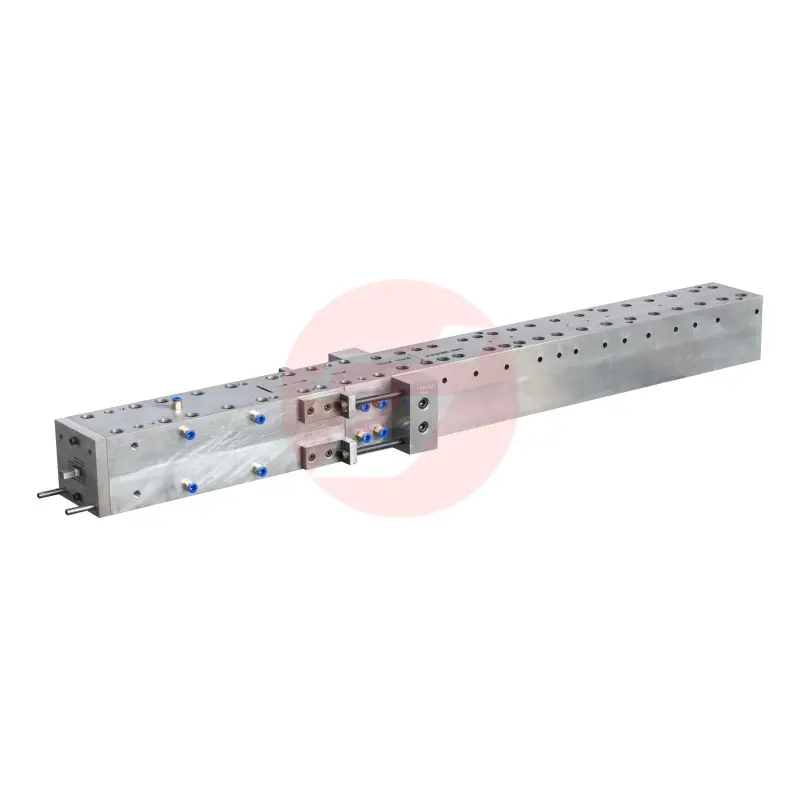
Photovoltaic (PV) manufacturers face significant decisions when selecting and customizing composite frame molds for their production lines. The quality of these composite frame molds directly impacts module durability, installation efficiency, and overall system performance. Understanding the critical factors that influence composite frame molds design and customization ensures manufacturers can optimize their manufacturing processes while maintaining competitive advantage in an increasingly demanding market.
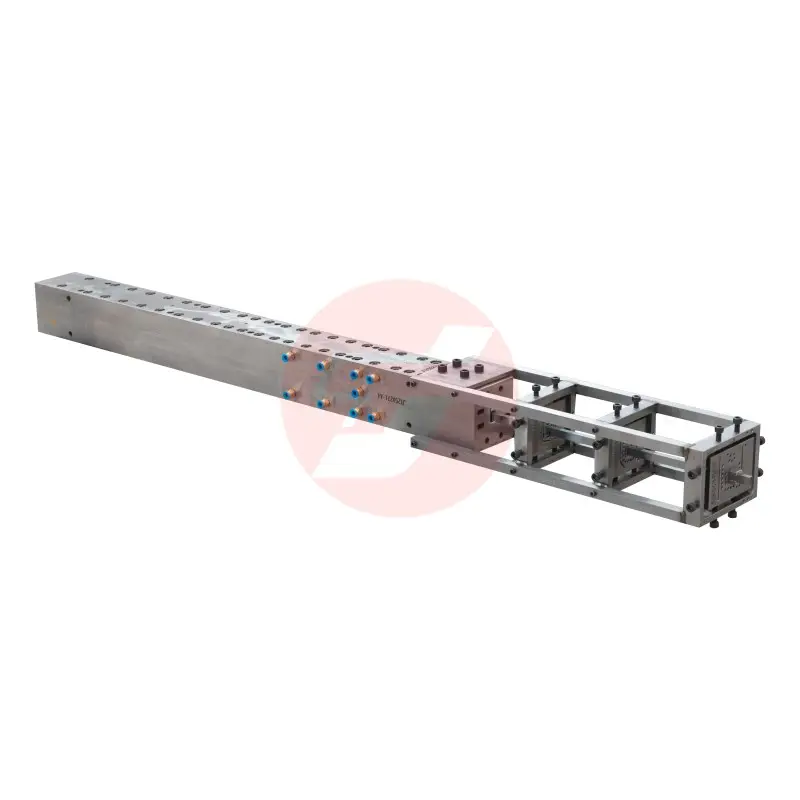
When customizing composite frame molds, manufacturers must balance technical specifications with cost-effectiveness and production scalability. The decision to customize composite frame molds requires thorough evaluation of material properties, dimensional tolerances, and long-term performance requirements. This comprehensive approach prevents costly production errors and ensures that composite frame molds meet both current and future market demands.
Material Selection and Performance Requirements
Understanding Resin Systems for Composite Frame Molds
The resin system used in composite frame molds fundamentally determines frame performance characteristics including weather resistance, thermal stability, and mechanical strength. PV manufacturers must evaluate whether polyester, vinyl ester, or epoxy resin systems best suit their specific application requirements and market positioning. Advanced resin formulations used in premium composite frame molds offer superior UV resistance and elongated service life, making them essential for projects expecting 25-year performance warranties. When customizing composite frame molds, the resin selection becomes a long-term commitment affecting both manufacturing consistency and customer satisfaction.
Reinforcement Fiber Considerations
Fiber type and orientation within composite frame molds significantly influence structural performance and manufacturing efficiency. Glass fiber content, fiber diameter, and weave pattern all impact the strength-to-weight ratio of finished frames. Manufacturers choosing to customize composite frame molds must specify fiber percentages that achieve optimal balance between rigidity and manufacturing speed. Carbon fiber reinforcement in composite frame molds offers enhanced performance but increases material costs, requiring careful cost-benefit analysis. The fiber architecture selected for composite frame molds directly correlates with dimensional stability and resistance to thermal cycling stress.
Dimensional Precision and Tolerance Management
Achieving Consistent Frame Dimensions
Tolerance specifications for composite frame molds require meticulous attention because even minor dimensional variations cascade through entire PV installations. Manufacturers must establish whether frame cross-sectional dimensions will maintain Class A tolerances or relaxed tolerances that still satisfy industry standards. When customizing composite frame molds, dimensional targets should align with standard mounting hardware and rail systems to ensure seamless integration. Thermal expansion characteristics of composite frame molds must be carefully modeled, as temperature fluctuations during manufacturing and field installation can shift dimensions beyond acceptable ranges.
Surface Finish and Quality Standards
The surface finish quality of composite frame molds affects both aesthetics and long-term weathering performance. Manufacturers should specify surface texture requirements that balance visual appeal with practical functionality such as water drainage and contaminant resistance. Ultra-smooth surfaces in composite frame molds may appear premium but can reduce grip during installation, whereas textured surfaces improve handling. When customizing composite frame molds, surface treatment specifications including UV-protective coatings should be integrated into the mold design rather than applied post-production, ensuring superior adhesion and durability.
Production Efficiency and Scalability Factors
Manufacturing Process Optimization
Selecting pultrusion technology for composite frame molds production directly impacts throughput rates and unit costs. Manufacturers must evaluate whether composite frame molds designed for pultrusion, compression molding, or rotational casting best suit their existing equipment and production volume targets. Process parameters including pull speed, heating profiles, and cooling cycles must be validated during mold customization phases to prevent bottlenecks. When customizing composite frame molds, manufacturers should incorporate features that facilitate automated demolding and quality inspection, reducing labor costs and improving consistency.
Scalability and Future Production Volumes
Long-term business planning requires that customized composite frame molds accommodate anticipated production growth without requiring complete redesign. Mold cavity design should allow future modifications for increased output without compromising existing quality standards. Manufacturers projecting significant volume increases should design composite frame molds with modular sections that can be duplicated for multi-cavity production systems. Tooling investment in composite frame molds represents substantial capital expenditure, making scalability planning essential for return on investment optimization.
Environmental and Regulatory Compliance
Meeting Industry Standards and Certifications
Composite frame molds must comply with relevant international standards including IEC 61215 and UL 1703 certification requirements. Manufacturers should verify that customized composite frame molds produce frames meeting specified flammability ratings and structural load requirements. Environmental regulations regarding volatile organic compound emissions during production require that composite frame molds be designed for low-emission manufacturing processes. When customizing composite frame molds, manufacturers must ensure compliance documentation is generated throughout the development phase rather than retrofitted afterward.
Environmental Durability and End-of-Life Considerations
Customer expectations regarding frame longevity and environmental responsibility influence composite frame molds design specifications. Manufacturers should incorporate degradation-resistant materials into composite frame molds, particularly for frame sections exposed to intense UV radiation and moisture. Customizing composite frame molds with marine-grade resins and corrosion inhibitors proves essential for coastal installations facing salt spray and humidity exposure. Recyclability considerations for composite frame molds design may influence future market positioning and customer preference, particularly among environmentally conscious project developers.
FAQ
What material composition works best for composite frame molds in high-temperature climates?
Vinyl ester or epoxy resin systems combined with continuous glass fiber reinforcement perform optimally in high-temperature applications. When customizing composite frame molds for desert or equatorial regions, manufacturers should specify resins rated for sustained temperatures exceeding 80°C and incorporate UV-stabilized coatings. The glass transition temperature of composite frame molds materials must exceed maximum expected field temperatures by adequate safety margins to prevent dimensional drift and strength degradation.
How do manufacturers ensure production consistency when customizing composite frame molds?
Implementing rigorous process control and statistical quality monitoring prevents variation in composite frame molds output. Manufacturers should establish baseline performance metrics during initial production runs, then maintain composite frame molds through regular maintenance and periodic recalibration. Documentation of process parameters including resin viscosity, fiber tension, and cure temperatures ensures that future production batches of composite frame molds maintain identical specifications regardless of which technician operates the equipment.
What cost factors should manufacturers evaluate when customizing composite frame molds?
Material selection, mold fabrication complexity, and production volume directly influence the total cost of customized composite frame molds. Manufacturers must balance initial tooling investment against per-unit production costs to determine optimal mold designs across product lifecycle. Investing in composite frame molds with advanced features such as integrated drainage channels or reinforced corner sections may increase initial costs but reduce secondary processing expenses and improve long-term quality consistency across high-volume production.