
 EN
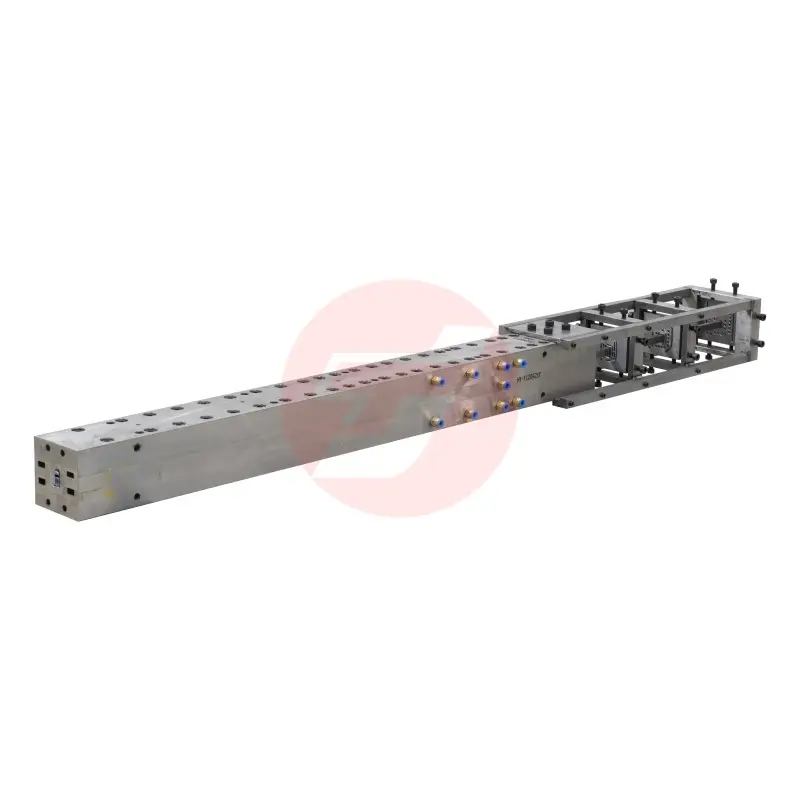
Composite photovoltaic frame molds represent a significant advancement in solar panel manufacturing, directly addressing the critical challenge of durability in harsh outdoor environments. When solar installations face extreme weather conditions, temperature fluctuations, UV radiation, and moisture exposure, the structural integrity of photovoltaic systems becomes paramount. Composite photovoltaic frame molds provide superior material properties that traditional solutions cannot match, ensuring that solar panels maintain their performance and structural stability for decades. The shift toward composite photovoltaic frame molds reflects industry recognition that frame durability directly impacts the total cost of ownership and long-term energy generation efficiency for residential, commercial, and utility-scale solar installations.
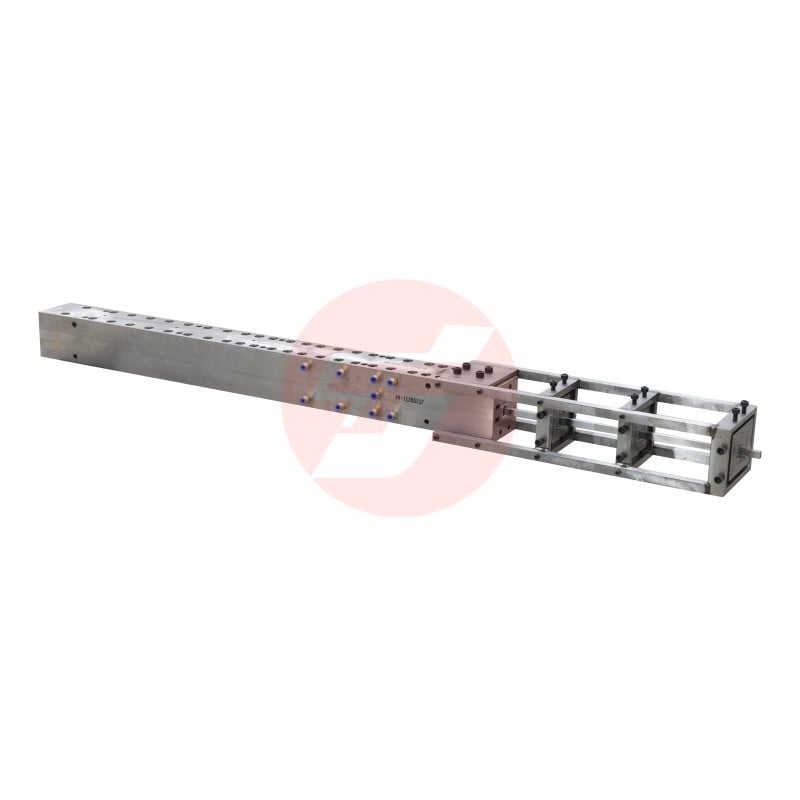
The engineering behind composite photovoltaic frame molds centers on combining fiber-reinforced polymers with carefully formulated resin systems to achieve optimal performance characteristics. Unlike aluminum or steel frames, composite photovoltaic frame molds eliminate corrosion concerns entirely, provide superior thermal resistance, and reduce weight while maintaining structural rigidity. This combination of properties makes composite photovoltaic frame molds the preferred choice for solar manufacturers targeting premium market segments and high-performance applications where durability expectations exceed industry standards.
Material Composition and Performance Benefits
Advanced Fiber-Reinforced Polymer Technology
Composite photovoltaic frame molds utilize advanced fiber-reinforced polymers that combine glass fibers, carbon fibers, or aramid fibers with high-performance epoxy or polyester resins. The specific fiber architecture and resin chemistry used in composite photovoltaic frame molds determines tensile strength, impact resistance, and long-term weathering performance. Engineers design composite photovoltaic frame molds to maintain structural integrity across temperature ranges from minus forty to eighty degrees Celsius, ensuring reliable performance in diverse geographic locations and seasonal variations.
Superior Environmental Resistance
One of the most compelling advantages of composite photovoltaic frame molds is their inherent resistance to environmental degradation mechanisms that compromise traditional frame materials. Composite photovoltaic frame molds do not rust, corrode, or experience galvanic interaction between dissimilar metals. UV-stabilized formulations used in composite photovoltaic frame molds maintain mechanical properties and aesthetic appearance even after decades of continuous outdoor exposure. This environmental resistance directly translates to reduced maintenance requirements and preserved performance throughout the extended service life of solar installations protected by composite photovoltaic frame molds.
Manufacturing Excellence and Durability Enhancement
Precision Molding Processes
The manufacturing methodology for composite photovoltaic frame molds involves precisely controlled pultrusion, resin transfer molding, or vacuum infusion processes that ensure uniform fiber orientation and complete resin saturation throughout the frame profile. Composite photovoltaic frame molds produced through these advanced processes demonstrate consistent dimensional accuracy and repeatable mechanical properties across production runs. Quality control protocols for composite photovoltaic frame molds include environmental stress testing, UV exposure evaluation, and accelerated weathering assessments that validate durability claims before frames reach end users.
Long-Term Performance Validation
Manufacturers of composite photovoltaic frame molds conduct rigorous durability testing that simulates decades of outdoor exposure within accelerated timeframes. Composite photovoltaic frame molds are subjected to thermal cycling, moisture absorption testing, salt spray exposure, and mechanical stress evaluation to predict real-world performance. These validation protocols ensure that composite photovoltaic frame molds meet or exceed international durability standards established for photovoltaic system components. The investment in comprehensive testing provides solar manufacturers and installers with confidence that frames produced from composite photovoltaic frame molds will perform reliably throughout the expected twenty-five to thirty-year operational lifespan of modern solar installations.
Application Scenarios and Cost-Benefit Analysis
Coastal and High-Corrosion Environments
Composite photovoltaic frame molds demonstrate exceptional value in coastal installations where salt spray and high humidity create aggressive corrosion environments that rapidly degrade traditional metallic frames. In these demanding applications, composite photovoltaic frame molds eliminate the need for expensive protective coatings, frequent maintenance interventions, and premature frame replacement. Solar installers working in coastal regions increasingly specify solar panels manufactured with composite photovoltaic frame molds because the superior durability and maintenance-free performance characteristics justify the initial material cost premium within the first five to seven years of operation.
Extreme Temperature and Weather Conditions
Regions experiencing extreme temperature fluctuations, intense UV radiation, high winds, or heavy snow loads benefit significantly from solar panels built with composite photovoltaic frame molds. The dimensional stability of composite photovoltaic frame molds under thermal stress prevents the micro-movements and seal degradation that plague metallic alternatives. When composite photovoltaic frame molds maintain their structural integrity through countless thermal cycles, the overall reliability of the photovoltaic system improves substantially. This reliability enhancement reduces warranty claims, customer service costs, and reputation risk for solar manufacturers who specify composite photovoltaic frame molds in their premium product lines.
Economic and Sustainability Considerations
Total Cost of Ownership Advantages
Although composite photovoltaic frame molds typically command a higher initial material cost compared to aluminum alternatives, the total cost of ownership analysis strongly favors composite technology when calculated across the full operational life of solar installations. Composite photovoltaic frame molds eliminate maintenance requirements, reduce or eliminate frame replacement costs, and maintain system performance throughout the warranty period. When utility companies and large commercial property owners evaluate multiyear maintenance budgets, solar panels featuring composite photovoltaic frame molds consistently demonstrate lower total ownership costs than systems using conventional frame materials.
Sustainability and Lifecycle Benefits
Composite photovoltaic frame molds contribute to sustainability objectives by extending equipment lifespan, reducing replacement frequency, and minimizing waste generation throughout the solar installation lifecycle. Systems protected by durable composite photovoltaic frame molds generate more energy per unit of manufacturing resources and materials consumed. As solar manufacturers increasingly emphasize environmental responsibility and circular economy principles, composite photovoltaic frame molds align with corporate sustainability commitments and support green building certifications.
FAQ
What specific advantages do composite photovoltaic frame molds provide over aluminum frames?
Composite photovoltaic frame molds eliminate corrosion risks, provide superior thermal stability, require no protective coatings or maintenance treatments, and maintain structural integrity across wider temperature ranges than aluminum. Aluminum frames require regular inspection, protective coatings that degrade over time, and potential replacement in high-corrosion environments. Composite photovoltaic frame molds deliver maintenance-free performance that justifies their higher initial cost through reduced operational expenses and extended service life.
How do manufacturers ensure that composite photovoltaic frame molds meet durability standards?
Manufacturers of composite photovoltaic frame molds conduct accelerated weathering tests, thermal cycling evaluations, salt spray exposure assessments, and mechanical stress testing that simulate decades of outdoor conditions. These validation protocols verify that composite photovoltaic frame molds conform to standards established by photovoltaic industry organizations and certifying bodies. Independent laboratory testing provides objective confirmation that composite photovoltaic frame molds will perform as specified throughout their operational lifespan.
Are composite photovoltaic frame molds suitable for all solar installation types?
Composite photovoltaic frame molds work effectively across residential, commercial, and utility-scale installations, with particular advantages in challenging environments such as coastal areas, high-altitude locations, and regions experiencing extreme weather. While composite photovoltaic frame molds represent a premium material choice, their durability and performance benefits justify the investment for customers prioritizing long-term reliability and minimal maintenance requirements. Project-specific economic analysis and environmental conditions should guide decisions about whether composite photovoltaic frame molds represent the optimal choice for particular installations.