 EN
EN
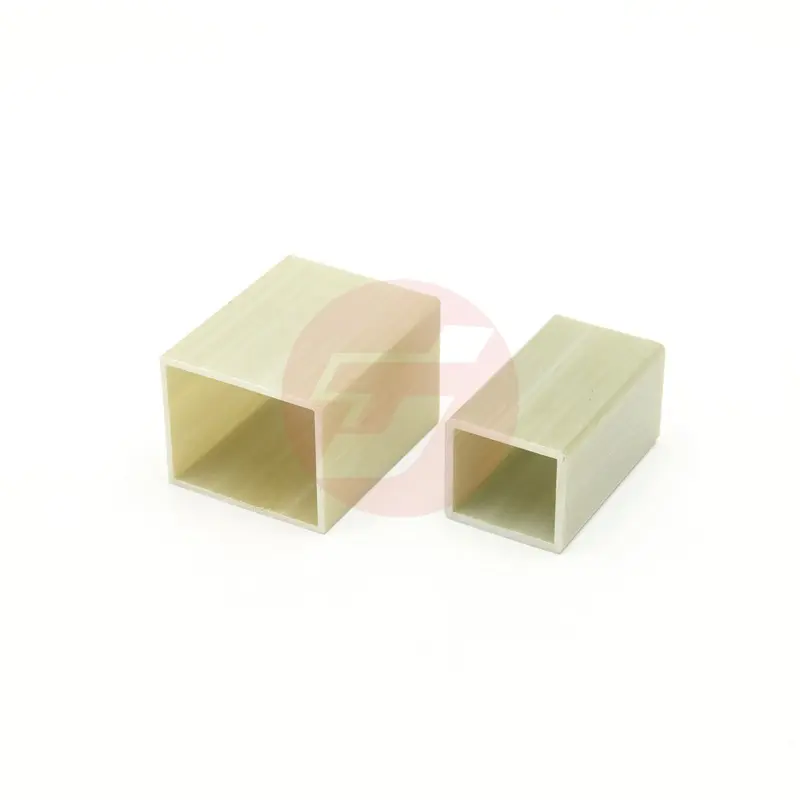
Polyurethane pultrusion represents a revolutionary advancement in composite manufacturing, delivering unprecedented flexibility and impact resistance compared to traditional glass fiber reinforced plastics. This innovative process combines the structural advantages of continuous fiber reinforcement with the superior mechanical properties of polyurethane resin systems, creating products that excel in demanding industrial applications where conventional materials fall short.
The enhanced flexibility and impact resistance characteristics of polyurethane pultrusion products stem from the unique molecular structure and processing methodology inherent to this manufacturing technique. Unlike thermoset resins such as polyester or epoxy, polyurethane systems maintain segmented polymer chains that provide exceptional elasticity while preserving structural integrity under dynamic loading conditions. This fundamental material science principle explains why polyurethane pultrusion components consistently outperform traditional composite materials in applications requiring both strength and flexibility.
Molecular Architecture Behind Enhanced Flexibility
Segmented Polymer Chain Structure
The superior flexibility of polyurethane pultrusion products originates from their distinctive segmented block copolymer structure. This molecular architecture consists of alternating hard and soft segments within the polymer backbone, where hard segments provide structural stability and soft segments contribute elasticity. During the polyurethane pultrusion process, these segments organize into microphase-separated domains that allow controlled deformation under stress while maintaining overall structural integrity.
The soft segments, typically composed of polyol chains with molecular weights ranging from 400 to 6000 daltons, act as flexible spacers between rigid urethane linkages. These polyol chains can be polyether-based or polyester-based, each offering specific performance characteristics for different polyurethane pultrusion applications. Polyether-based systems generally provide better hydrolysis resistance and low-temperature flexibility, while polyester-based systems offer enhanced mechanical strength and thermal stability.
The hard segments form through the reaction between isocyanate groups and chain extenders, creating rigid urethane or urea linkages that aggregate into crystalline or pseudo-crystalline domains. The ratio between hard and soft segments directly influences the final flexibility of polyurethane pultrusion products, with higher soft segment content resulting in increased elasticity and lower modulus values.
Cross-Linking Density Optimization
Cross-linking density plays a crucial role in determining the flexibility characteristics of polyurethane pultrusion products. Unlike heavily cross-linked thermoset systems, polyurethane networks can be designed with controlled cross-link density to achieve optimal balance between flexibility and structural performance. The polyurethane pultrusion process allows precise control over cross-linking reactions through temperature management and catalyst selection.
Lower cross-link densities result in more flexible polyurethane pultrusion products with enhanced elongation properties, while higher densities provide increased stiffness and creep resistance. The optimal cross-linking density depends on specific application requirements, with typical values ranging from 0.1 to 1.0 moles of cross-links per kilogram of polymer. This controlled cross-linking enables polyurethane pultrusion manufacturers to tailor material properties for specific performance criteria.
The presence of physical cross-links through hydrogen bonding between urethane groups adds another dimension to the network structure of polyurethane pultrusion products. These reversible associations contribute to the self-healing characteristics and temperature-dependent mechanical properties that distinguish polyurethane systems from conventional thermoset composites.
Impact Resistance Mechanisms in Polyurethane Systems
Energy Absorption Through Viscoelastic Behavior
The exceptional impact resistance of polyurethane pultrusion products results from their inherent viscoelastic behavior, which enables efficient energy dissipation during sudden loading events. The time-dependent mechanical response of polyurethane systems allows for gradual stress redistribution rather than catastrophic failure modes typical of brittle composite materials. This energy absorption mechanism operates through multiple molecular-level processes that occur simultaneously during impact events.
During impact loading, the soft segments in polyurethane pultrusion products undergo rapid deformation, converting kinetic energy into heat through internal friction mechanisms. The segmented structure allows for extensive chain mobility under dynamic conditions, enabling the material to absorb significant amounts of energy before reaching failure limits. This energy absorption capacity can be quantified through dynamic mechanical analysis, with polyurethane pultrusion products typically exhibiting loss tangent values of 0.1 to 0.3 across relevant frequency ranges.
The viscoelastic response of polyurethane pultrusion materials also provides excellent fatigue resistance under repeated impact loading. The ability to dissipate energy through internal damping mechanisms prevents crack propagation and extends service life compared to purely elastic composite systems. This characteristic makes polyurethane pultrusion products particularly suitable for applications involving cyclic loading or vibration environments.
Crack Growth Resistance and Toughening Mechanisms
Crack growth resistance in polyurethane pultrusion products operates through several toughening mechanisms that work synergistically to prevent catastrophic failure. The segmented polymer structure creates tortuous crack paths that require additional energy for propagation, effectively blunting crack tips and redistributing stress concentrations. This intrinsic toughening mechanism distinguishes polyurethane pultrusion from brittle thermoset systems.
Microcrack deflection and bridging represent additional toughening mechanisms in polyurethane pultrusion products. The heterogeneous microstructure created by phase-separated domains causes propagating cracks to follow complex paths around hard segment domains, increasing the total fracture surface area and energy requirements. Polymer chain bridging across crack faces provides additional resistance to crack opening, contributing to the overall fracture toughness of polyurethane pultrusion materials.
The presence of reinforcing fibers in polyurethane pultrusion products creates additional toughening through fiber bridging and pullout mechanisms. The strong interfacial bonding between polyurethane matrix and glass or carbon fibers enables effective load transfer while maintaining fiber mobility during crack propagation events. This combination of matrix toughening and fiber reinforcement produces polyurethane pultrusion products with exceptional damage tolerance characteristics.
Processing Factors Influencing Material Properties
Temperature Control During Pultrusion
Temperature control during the polyurethane pultrusion process directly impacts the final flexibility and impact resistance of manufactured products. The reaction kinetics of polyurethane formation are highly temperature-dependent, with cure temperatures affecting both molecular weight development and cross-linking density. Optimal temperature profiles ensure complete polymerization while preventing excessive cross-linking that could reduce flexibility.
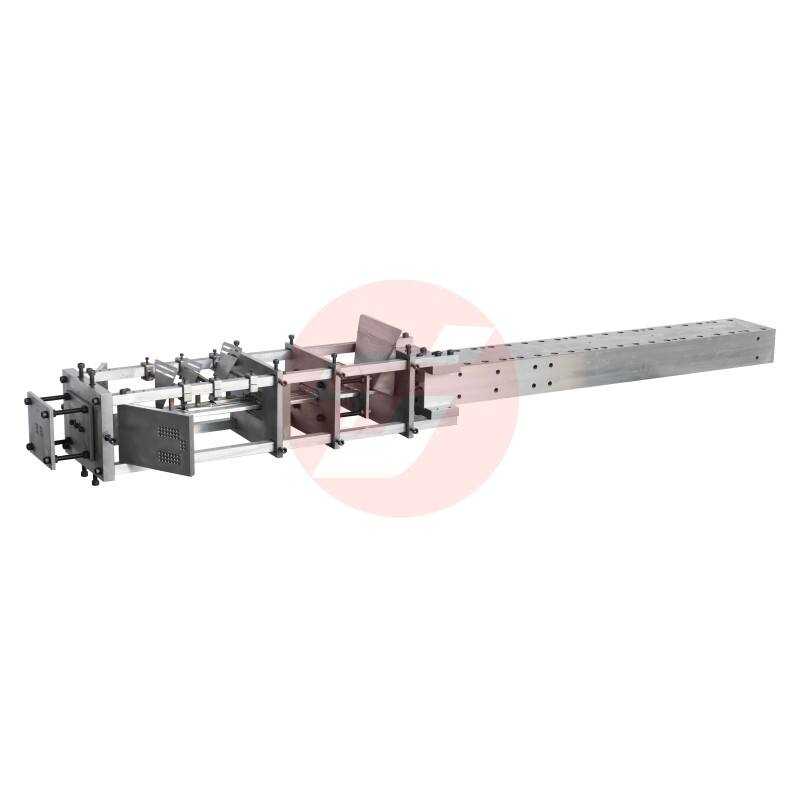
The polyurethane pultrusion process typically operates at lower temperatures compared to conventional thermoset pultrusion, usually ranging from 80°C to 140°C depending on the specific resin formulation. These moderate processing temperatures preserve the segmented structure integrity and prevent thermal degradation of soft segments. Temperature gradients within the pultrusion die must be carefully controlled to ensure uniform cure throughout the cross-section.
Post-cure temperature treatments can further optimize the properties of polyurethane pultrusion products. Controlled annealing processes allow for stress relaxation and continued cross-linking reactions that enhance both flexibility and impact resistance. The annealing temperature and duration must be optimized for each specific formulation to achieve desired property combinations without compromising material performance.
Fiber-Matrix Interface Optimization
The fiber-matrix interface in polyurethane pultrusion products requires careful optimization to achieve optimal flexibility and impact resistance characteristics. The chemical compatibility between polyurethane resin and reinforcing fibers determines the effectiveness of load transfer and overall composite performance. Surface treatments and coupling agents play critical roles in establishing strong interfacial bonds while maintaining matrix flexibility.
Silane coupling agents are commonly used in polyurethane pultrusion to enhance fiber-matrix adhesion without compromising the inherent flexibility of the polymer system. These coupling agents form chemical bridges between the inorganic fiber surface and organic polymer matrix, enabling effective stress transfer during loading events. The selection of appropriate coupling agents depends on both fiber type and polyurethane chemistry.
The degree of interfacial bonding must be balanced to achieve optimal impact resistance in polyurethane pultrusion products. Excessive bonding can create stress concentrations that promote brittle failure, while insufficient bonding reduces load transfer efficiency. The optimal interfacial strength allows for controlled debonding during impact events, enabling energy dissipation through frictional sliding mechanisms while maintaining overall structural integrity.
Performance Advantages in Industrial Applications
Dynamic Loading Applications
Polyurethane pultrusion products excel in dynamic loading applications where traditional composite materials often fail due to fatigue or sudden impact events. The viscoelastic nature of polyurethane systems provides excellent damping characteristics that reduce vibration transmission and prevent resonance phenomena. This performance advantage makes polyurethane pultrusion ideal for structural components in transportation, machinery, and infrastructure applications.
The fatigue resistance of polyurethane pultrusion products significantly exceeds that of conventional glass fiber composites under cyclic loading conditions. Laboratory testing demonstrates fatigue lives extending beyond 10 million cycles at stress levels that would cause failure in polyester or vinyl ester systems within thousands of cycles. This exceptional fatigue performance results from the energy dissipation mechanisms inherent to polyurethane systems.
Impact resistance testing of polyurethane pultrusion products consistently shows superior performance compared to traditional thermoset composites. Charpy impact tests typically yield energy absorption values 3-5 times higher than equivalent glass fiber polyester laminates, while maintaining comparable tensile and flexural strength properties. This combination of strength and toughness enables polyurethane pultrusion products to withstand harsh service environments.
Environmental Durability Considerations
The flexibility and impact resistance of polyurethane pultrusion products remain stable across wide temperature ranges, making them suitable for outdoor applications in varying climatic conditions. The segmented polymer structure maintains its integrity from -40°C to +120°C, with gradual transitions in mechanical properties rather than sudden brittle-to-ductile transitions observed in other polymer systems.
UV stability of polyurethane pultrusion products can be enhanced through appropriate stabilizer packages without compromising flexibility or impact resistance. Carbon black incorporation or UV absorber additives provide long-term outdoor durability while maintaining the inherent toughness characteristics of the polyurethane matrix. Proper stabilization enables service lives exceeding 20 years in direct sunlight exposure.
Chemical resistance properties of polyurethane pultrusion products vary depending on the specific polymer chemistry and cross-linking density. Polyether-based systems generally provide better resistance to hydrolysis and alkaline environments, while maintaining flexibility and impact resistance over extended exposure periods. This chemical durability extends the application range of polyurethane pultrusion into chemically aggressive environments.
FAQ
How does polyurethane pultrusion compare to glass fiber pultrusion in terms of flexibility?
Polyurethane pultrusion products offer significantly higher flexibility compared to traditional glass fiber pultrusion using polyester or epoxy resins. The segmented polymer structure of polyurethane provides inherent elasticity, allowing for elongation values of 15-30% compared to 2-4% for conventional thermoset systems. This enhanced flexibility enables polyurethane pultrusion products to accommodate thermal expansion, structural movement, and impact loading without cracking or failure.
What factors determine the impact resistance of polyurethane pultrusion products?
The impact resistance of polyurethane pultrusion products depends on several key factors including the soft segment content, cross-linking density, fiber-matrix interface quality, and processing conditions. Higher soft segment content increases energy absorption capacity, while optimal cross-linking density balances flexibility with structural integrity. Proper fiber-matrix bonding ensures effective load transfer during impact events, and controlled processing temperatures preserve the segmented structure that enables energy dissipation mechanisms.
Can polyurethane pultrusion products maintain their flexibility in cold temperatures?
Yes, polyurethane pultrusion products maintain excellent flexibility at low temperatures due to their segmented polymer structure. Unlike many thermoplastic materials that become brittle below their glass transition temperature, polyurethane systems retain impact resistance and flexibility down to -40°C or lower, depending on the specific formulation. The soft segments in the polymer backbone remain mobile at low temperatures, preserving the material's ability to absorb impact energy and accommodate deformation.
How does the pultrusion process affect the final properties of polyurethane composites?
The polyurethane pultrusion process significantly influences final material properties through temperature control, cure rate management, and fiber alignment. Lower processing temperatures compared to conventional thermoset pultrusion preserve the segmented structure and prevent thermal degradation. Controlled cure rates ensure complete polymerization while maintaining optimal cross-linking density for flexibility. The continuous fiber reinforcement achieved through pultrusion provides directional strength while the polyurethane matrix contributes multidirectional impact resistance and flexibility.
Table of Contents
- Molecular Architecture Behind Enhanced Flexibility
- Impact Resistance Mechanisms in Polyurethane Systems
- Processing Factors Influencing Material Properties
- Performance Advantages in Industrial Applications
-
FAQ
- How does polyurethane pultrusion compare to glass fiber pultrusion in terms of flexibility?
- What factors determine the impact resistance of polyurethane pultrusion products?
- Can polyurethane pultrusion products maintain their flexibility in cold temperatures?
- How does the pultrusion process affect the final properties of polyurethane composites?