
 EN
EN
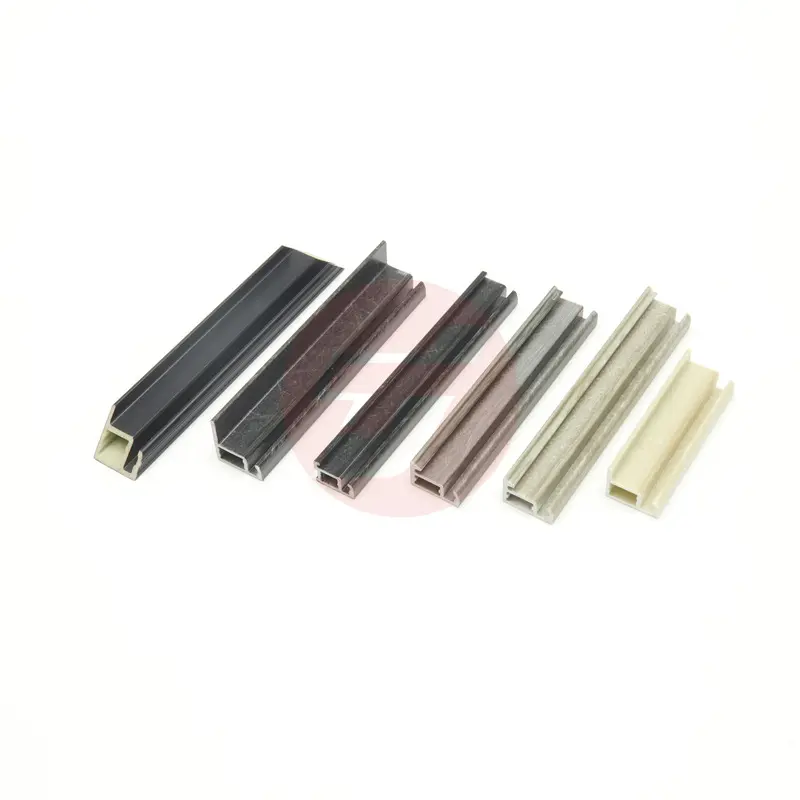
Epoxy pultrusion represents a transformative manufacturing process that enables continuous production of high-strength composite profiles with exceptional dimensional accuracy and material consistency. This advanced manufacturing technique combines thermosetting epoxy resins with reinforcing fibers through a precisely controlled pulling process, creating structural components that meet the demanding requirements of aerospace, automotive, construction, and industrial applications. The technology has become instrumental in supporting modern manufacturing operations that require lightweight yet durable materials with predictable performance characteristics.
The integration of epoxy pultrusion into advanced manufacturing workflows addresses critical challenges faced by modern industries, including the need for materials that offer superior strength-to-weight ratios, corrosion resistance, and design flexibility. Unlike traditional manufacturing methods that often involve multiple processing steps and material waste, epoxy pultrusion enables manufacturers to produce complex geometries in a single continuous operation while maintaining consistent quality standards. This efficiency translates directly into reduced production costs, shorter lead times, and enhanced product reliability across diverse manufacturing sectors.
Fundamental Mechanisms of Epoxy Pultrusion in Manufacturing
Process Integration and Material Flow Control
The epoxy pultrusion process integrates seamlessly into advanced manufacturing systems through precise material flow control and automated handling mechanisms. Continuous fiber reinforcements are guided through a resin bath containing specially formulated epoxy systems, ensuring complete fiber wet-out and optimal resin-to-fiber ratios. The saturated fiber bundle then passes through a heated die where the epoxy undergoes controlled curing, transforming from a liquid resin system into a solid composite structure with predetermined cross-sectional geometry.
Manufacturing facilities leverage epoxy pultrusion technology to maintain consistent production rates while achieving tight dimensional tolerances that traditional manufacturing methods struggle to deliver. The continuous nature of the process eliminates batch-to-batch variations common in other composite manufacturing techniques, providing manufacturers with reliable material properties and predictable production schedules. This consistency becomes particularly valuable in applications where component interchangeability and assembly precision are critical to overall product performance.
Temperature and Curing Profile Management
Advanced epoxy pultrusion systems employ sophisticated temperature control mechanisms that enable manufacturers to optimize curing profiles for specific material requirements. The heated die system creates graduated temperature zones that allow epoxy resins to undergo controlled cross-linking reactions, ensuring complete cure while preventing thermal degradation or internal stress development. This precise thermal management supports the production of components with consistent mechanical properties and minimal residual stresses.
Manufacturing operations benefit from the ability to adjust curing parameters in real-time, allowing for rapid transitions between different product specifications without extensive equipment reconfiguration. The epoxy pultrusion process enables manufacturers to produce components with varying thickness, width, and internal geometry while maintaining consistent material quality throughout production runs. This flexibility supports lean manufacturing principles by reducing inventory requirements and enabling just-in-time production strategies.
Material Property Enhancement Through Epoxy Pultrusion
Fiber Architecture Optimization
Epoxy pultrusion technology allows manufacturers to precisely control fiber architecture within composite structures, enabling the optimization of material properties for specific loading conditions and performance requirements. The process accommodates various fiber types including carbon, glass, aramid, and natural fibers, each contributing unique characteristics to the final composite product. Manufacturers can strategically position different fiber types within the cross-section to create hybrid structures that maximize performance while minimizing material costs.
The continuous nature of epoxy pultrusion ensures excellent fiber alignment and minimal fiber breakage during processing, resulting in composite components that fully utilize the inherent strength properties of reinforcing fibers. This fiber integrity translates into superior mechanical properties compared to components produced through discontinuous manufacturing processes. Advanced manufacturing facilities utilize this capability to produce structural elements that meet or exceed the performance requirements of traditional metallic components while offering significant weight savings.
Resin System Tailoring and Performance Optimization
Modern epoxy pultrusion operations employ sophisticated resin formulation strategies that allow manufacturers to tailor material properties to specific application requirements. Epoxy systems can be modified with various additives, fillers, and modifiers to enhance specific properties such as flame resistance, electrical conductivity, thermal stability, or chemical resistance. This customization capability enables manufacturers to produce specialized components that meet stringent industry standards and regulatory requirements.
The controlled curing environment of epoxy pultrusion processes ensures complete resin cross-linking and optimal fiber-matrix adhesion, resulting in composite materials with superior durability and long-term performance stability. Manufacturers benefit from reduced warranty claims and enhanced product reliability when utilizing properly formulated epoxy pultrusion systems. The technology supports the production of components that maintain their structural integrity under challenging environmental conditions, including temperature extremes, chemical exposure, and mechanical stress cycles.
Integration with Advanced Manufacturing Systems
Automation and Quality Control Implementation
Epoxy pultrusion technology integrates effectively with modern automation systems, enabling manufacturers to implement comprehensive quality control measures throughout the production process. Automated monitoring systems track critical parameters including resin viscosity, fiber tension, pulling speed, and temperature profiles, providing real-time feedback that ensures consistent product quality. These monitoring capabilities support statistical process control methodologies that are essential for maintaining quality certifications and meeting customer specifications.
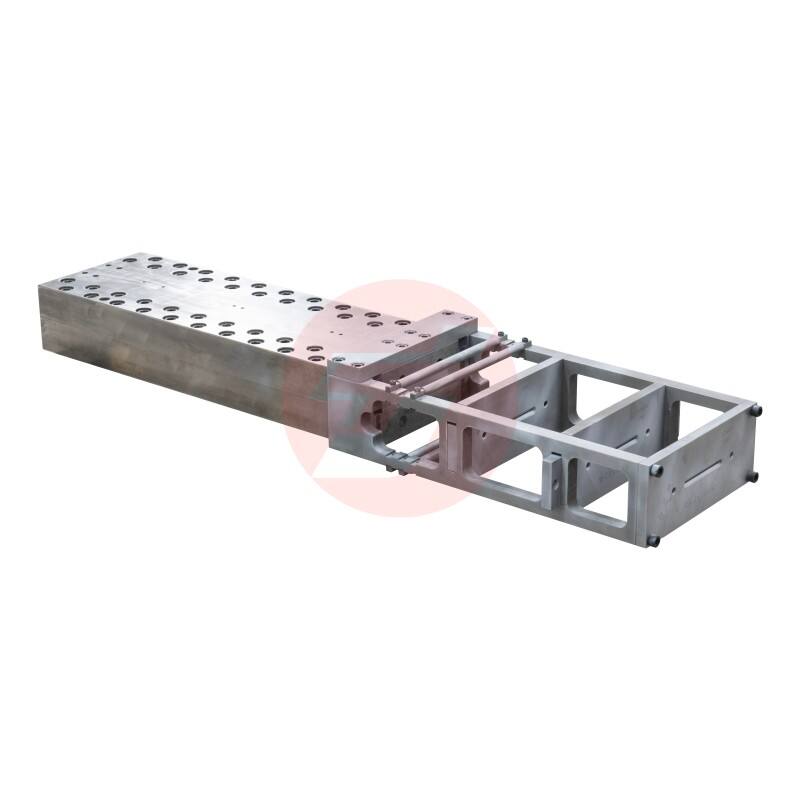
Advanced manufacturing facilities utilize epoxy pultrusion systems equipped with automated cut-off mechanisms, handling systems, and packaging equipment that minimize manual labor requirements while maximizing production efficiency. The integration of these automated systems reduces the potential for human error and enables continuous operation with minimal supervision. Manufacturers can achieve significant cost reductions through improved labor productivity and reduced material waste when implementing fully integrated epoxy pultrusion production lines.
Industry 4.0 Connectivity and Data Analytics
Modern epoxy pultrusion equipment incorporates Industry 4.0 connectivity features that enable manufacturers to collect and analyze production data for continuous improvement initiatives. Real-time data collection systems monitor equipment performance, material consumption, energy usage, and quality metrics, providing manufacturers with actionable insights for optimizing production efficiency. This data-driven approach supports predictive maintenance strategies that minimize unplanned downtime and extend equipment service life.
Manufacturing operations leverage epoxy pultrusion technology to create digital twins of their production processes, enabling virtual optimization and scenario modeling before implementing physical changes. These digital capabilities support rapid product development cycles and reduce the time required to bring new products to market. The technology enables manufacturers to respond quickly to changing market demands while maintaining consistent quality standards and production efficiency.
Economic and Operational Benefits
Production Efficiency and Cost Optimization
Epoxy pultrusion technology delivers significant economic benefits to advanced manufacturing operations through improved production efficiency and reduced material waste. The continuous nature of the process eliminates the setup time and material waste associated with traditional batch manufacturing methods, enabling manufacturers to achieve higher utilization rates and lower per-unit production costs. This efficiency becomes particularly advantageous when producing high-volume components or long production runs.
Manufacturing facilities utilizing epoxy pultrusion systems report substantial reductions in labor costs due to the automated nature of the process and the minimal manual handling required during production. The technology enables manufacturers to produce complex geometries that would require multiple manufacturing steps using traditional methods, consolidating operations and reducing overall production complexity. These operational improvements translate directly into enhanced competitiveness and improved profit margins for manufacturing businesses.
Supply Chain Integration and Market Responsiveness
Epoxy pultrusion technology enhances supply chain integration by providing manufacturers with the flexibility to produce components on-demand rather than maintaining large finished goods inventories. The rapid setup capabilities and consistent production rates enable manufacturers to respond quickly to customer requirements while minimizing inventory carrying costs. This responsiveness becomes increasingly important in markets characterized by short product lifecycles and rapidly changing customer specifications.
Advanced manufacturing operations leverage epoxy pultrusion systems to create localized production capabilities that reduce transportation costs and delivery lead times. The technology supports distributed manufacturing strategies that bring production closer to end-use markets while maintaining consistent quality standards across multiple facilities. This geographic flexibility enables manufacturers to better serve global markets while reducing their environmental footprint through shorter transportation distances.
FAQ
What makes epoxy pultrusion more suitable for advanced manufacturing than other composite processes?
Epoxy pultrusion offers several advantages over other composite manufacturing processes, including continuous production capability, excellent dimensional control, consistent material properties, and minimal waste generation. The process enables manufacturers to produce complex cross-sectional geometries in a single operation while maintaining tight tolerances and high-quality surface finishes. Unlike hand lay-up or spray-up processes, epoxy pultrusion provides repeatable results with minimal labor input, making it ideal for high-volume production applications.
How does epoxy pultrusion technology support sustainable manufacturing practices?
Epoxy pultrusion technology supports sustainable manufacturing through several mechanisms including minimal material waste, energy-efficient processing, and the production of lightweight components that reduce end-use energy consumption. The continuous process generates virtually no material waste compared to traditional cutting and machining operations, while the controlled curing environment optimizes energy usage during production. Additionally, the lightweight composite components produced through epoxy pultrusion enable weight reductions in transportation and construction applications, contributing to overall energy savings throughout the product lifecycle.
What quality control measures are typically implemented in epoxy pultrusion manufacturing?
Quality control in epoxy pultrusion manufacturing involves continuous monitoring of critical process parameters including resin bath temperature, fiber tension, pulling speed, and die temperature profiles. Non-destructive testing methods such as ultrasonic inspection and visual examination are commonly employed to detect potential defects during production. Statistical process control techniques track dimensional accuracy, mechanical properties, and surface quality to ensure consistent product performance. Many facilities also implement automated vision systems to identify surface defects and dimensional variations in real-time.
Can epoxy pultrusion technology accommodate rapid product design changes in advanced manufacturing environments?
Epoxy pultrusion systems can accommodate design changes relatively quickly compared to other manufacturing processes, particularly when modifications involve cross-sectional geometry adjustments or material composition changes. Die changeover procedures can typically be completed within hours rather than days, enabling manufacturers to respond rapidly to customer requirements. However, the most efficient approach involves designing product families that utilize common cross-sectional profiles with variations achieved through secondary operations such as cutting, drilling, or joining processes.
Table of Contents
- Fundamental Mechanisms of Epoxy Pultrusion in Manufacturing
- Material Property Enhancement Through Epoxy Pultrusion
- Integration with Advanced Manufacturing Systems
- Economic and Operational Benefits
-
FAQ
- What makes epoxy pultrusion more suitable for advanced manufacturing than other composite processes?
- How does epoxy pultrusion technology support sustainable manufacturing practices?
- What quality control measures are typically implemented in epoxy pultrusion manufacturing?
- Can epoxy pultrusion technology accommodate rapid product design changes in advanced manufacturing environments?