
 EN
EN

The wind energy industry depends on precision manufacturing to ensure turbines operate reliably over decades. Fiberglass mold quality stands as a critical determinant of wind turbine performance, directly affecting blade integrity, aerodynamic efficiency, and operational longevity. When fiberglass mold quality falls short, manufacturers face cascading problems that reduce turbine reliability and increase maintenance costs. Understanding this relationship is essential for anyone involved in renewable energy production or wind turbine component sourcing.
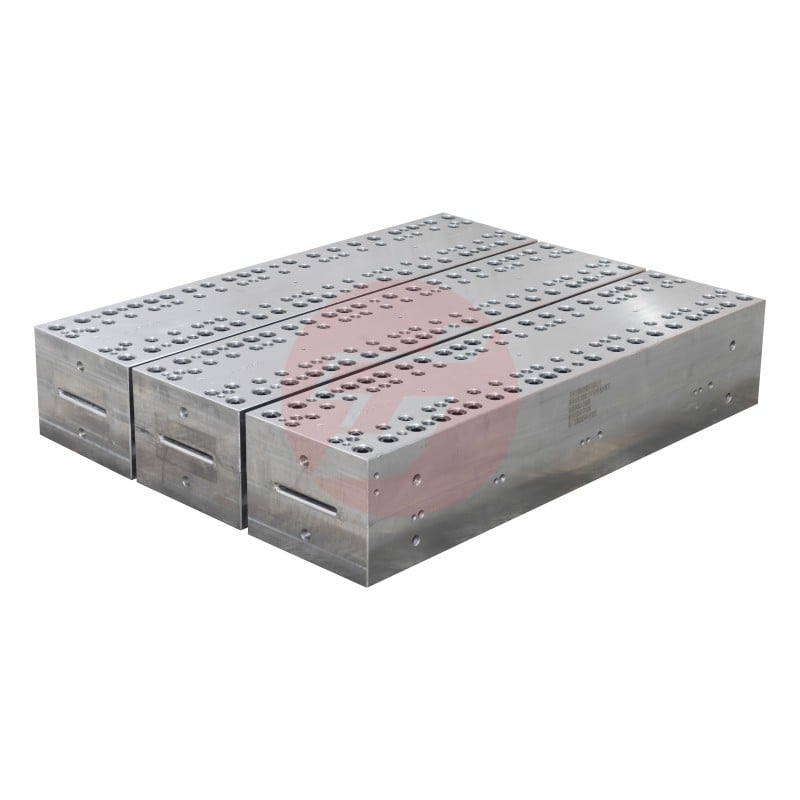
Wind turbine blades are manufactured using composite materials that require precision molds to achieve exact specifications. Fiberglass mold quality determines whether these blades maintain consistent dimensional accuracy, structural integrity, and aerodynamic properties throughout their operational lifetime. Poor fiberglass mold quality introduces defects that compromise blade performance, leading to vibration, fatigue failure, and unexpected downtime that disrupts energy generation and increases replacement expenses.
The Direct Impact of Fiberglass Mold Quality on Blade Performance
Dimensional Accuracy and Aerodynamic Efficiency
Fiberglass mold quality directly influences the dimensional precision of manufactured blades. When mold surfaces maintain exact tolerances, the resulting blades produce consistent aerodynamic profiles that optimize energy capture. Superior fiberglass mold quality ensures blade thickness uniformity, surface smoothness, and chord dimensions match engineering specifications. These dimensional properties are essential because even minor deviations from designed profiles increase drag, reduce energy output, and accelerate blade fatigue. Conversely, poor fiberglass mold quality allows dimensional drift that degrades aerodynamic performance and shortens blade service life.
Material Distribution and Structural Consistency
Composite blades require precise material distribution to achieve optimal strength-to-weight ratios. High-quality fiberglass mold quality supports uniform fiber orientation and resin saturation during the layup and curing process. This consistency prevents weak points that could develop into cracks or delamination under operational loads. When fiberglass mold quality is inadequate, material distribution becomes uneven, creating stress concentrations that accelerate failure progression. Structural consistency directly determines whether a blade can withstand the cyclic loading, wind shear, and fatigue stresses that characterize turbine operation over twenty to thirty years.
Fiberglass Mold Quality and Long-Term Reliability Challenges
Surface Finish Effects on Durability
The surface finish produced by fiberglass mold quality profoundly affects blade durability in harsh wind farm environments. Molds with superior surface characteristics produce blades with smooth, protected surfaces that resist moisture penetration and environmental degradation. Poor fiberglass mold quality generates rough, uneven surfaces that accelerate erosion, UV damage, and water ingress. These surface defects compromise the protective resin matrix, exposing underlying fibers to atmospheric exposure. Over time, environmental attack on inadequately protected blade surfaces reduces material properties and accelerates fatigue crack initiation. Superior fiberglass mold quality ensures blade surfaces remain protected throughout their operational lifespan.
Internal Defect Prevention Through Mold Quality
Fiberglass mold quality directly determines the prevalence of internal defects such as voids, delamination, and fiber waviness. High-quality molds facilitate complete resin saturation and eliminate air pockets during composite curing. These defect-free conditions ensure composite material properties remain within design specifications throughout blade service. When fiberglass mold quality is poor, internal defects become inevitable, creating stress concentration sites where cracks initiate prematurely. Advanced quality control during mold manufacturing prevents these internal failures, ensuring blade reliability that wind turbine operators depend on for consistent energy generation and minimal maintenance intervention.
Manufacturing Process Integration and Quality Assurance
Mold Design Precision and Tooling Standards
Fiberglass mold quality originates from meticulous design principles and advanced manufacturing techniques. Precision mold design must account for composite shrinkage, thermal expansion, and material flow during the curing cycle. High-quality fiberglass mold manufacturing employs CAD optimization, CNC machining, and surface polishing to achieve exact specifications. Manufacturers must validate fiberglass mold quality through dimensional measurement, hardness testing, and visual inspection protocols. When these rigorous standards are maintained, the resulting molds produce blades with predictable properties and consistent performance. Quality assurance throughout mold production directly translates to wind turbine reliability and extended operational lifespan.
Maintenance and Mold Longevity
Fiberglass mold quality is preserved through proper maintenance and periodic refurbishment procedures. Molds require regular cleaning, surface treatment, and inspection to prevent degradation that would compromise subsequent blade production. High-quality molds demand investment in preventive maintenance that extends their service life and maintains production consistency. When fiberglass mold quality is initially poor, maintenance becomes increasingly difficult and expensive, often requiring premature mold replacement. Organizations that prioritize fiberglass mold quality during initial manufacturing benefit from extended mold service life, reduced production interruptions, and superior blade consistency that translates directly to wind turbine reliability in the field.
FAQ
How does fiberglass mold quality affect blade fatigue resistance?
Fiberglass mold quality determines blade structural consistency, which directly impacts fatigue resistance. Superior molds produce blades with uniform material properties that resist cyclic loading over decades. Defects introduced by poor fiberglass mold quality create stress concentration sites where fatigue cracks initiate prematurely. Blades manufactured from high-quality molds demonstrate significantly extended fatigue life, ensuring wind turbines operate reliably throughout their designed service period.
What manufacturing defects result from inadequate fiberglass mold quality?
Poor fiberglass mold quality introduces dimensional inaccuracy, uneven surface finish, fiber waviness, void formation, and resin-poor regions within composite blades. These defects compromise aerodynamic performance, reduce material properties, and create initiation points for progressive failure. Inadequate fiberglass mold quality also produces inconsistent blade-to-blade variation, making quality control difficult and reducing fleet performance predictability.
Why is mold quality investment justified for wind turbine manufacturers?
Investing in superior fiberglass mold quality reduces field failures, extends blade service life, and minimizes warranty claims. While quality molds require higher initial capital investment, they produce consistent blades that operate reliably for twenty to thirty years. The cost savings from reduced maintenance, fewer replacements, and improved energy generation quickly justify the investment in high-quality fiberglass mold manufacturing practices.