
 EN
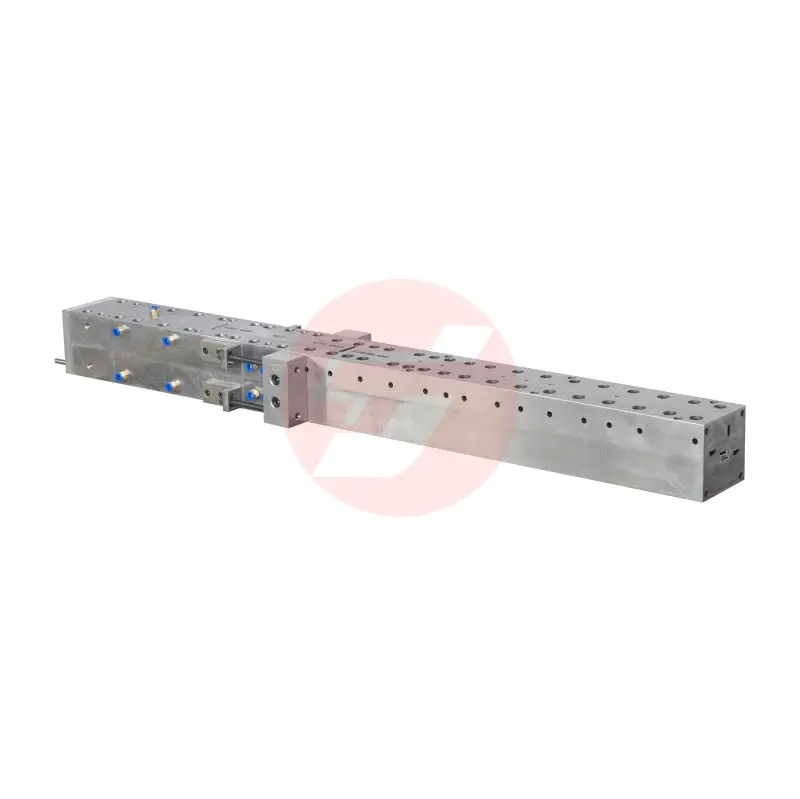
Solar frame extrusions represent a critical component in photovoltaic system assembly, and their precision directly impacts the performance and longevity of the entire installation. The quality of these extrusions depends fundamentally on the manufacturing process and the tools used to shape them. Composite molds play an essential role in this process, delivering the dimensional accuracy and surface quality that modern solar installations demand. Understanding how composite molds function in this context reveals why they have become the preferred choice for precision solar frame production across the industry.
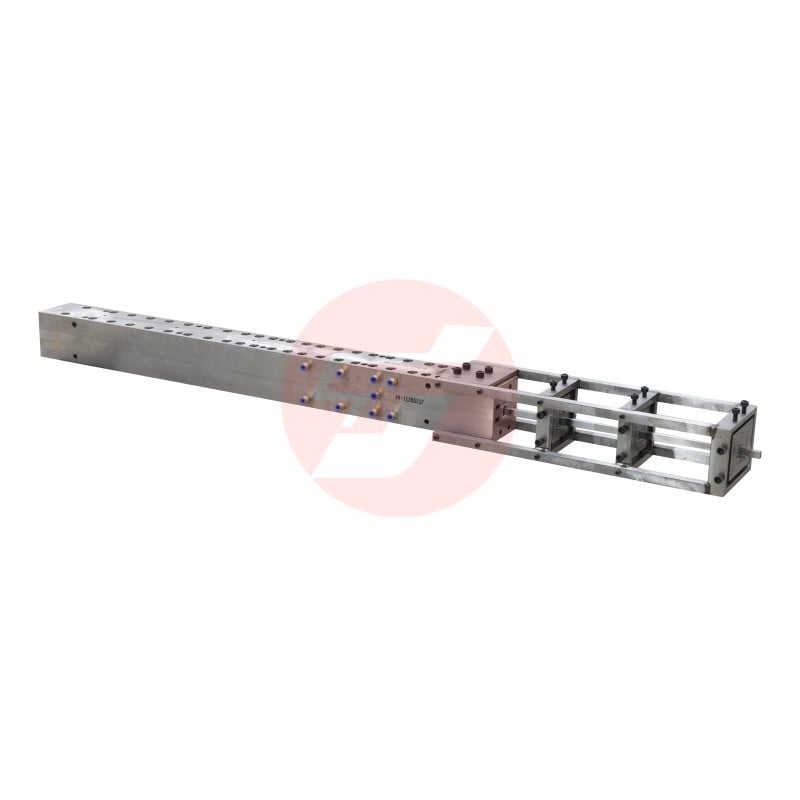
Composite molds are engineered tooling solutions specifically designed to shape raw materials into precise extrusion profiles. In solar frame manufacturing, these molds work in conjunction with extrusion presses and pultrusion systems to create consistent, high-tolerance frame sections that meet stringent industry specifications. The integration of composite molds into the manufacturing workflow enables producers to achieve dimensional consistency, reduce material waste, and maintain repeatable quality across production runs.
How Composite Molds Ensure Dimensional Precision
Tolerance Control Through Advanced Design
Composite molds are engineered with exacting specifications that directly control the final dimensions of solar frame extrusions. The cavity geometry of composite molds is precisely machined to account for material shrinkage, thermal expansion, and process variables inherent to extrusion. This level of design sophistication ensures that composite molds consistently produce frames within the tight tolerances required by solar manufacturers, typically ranging from ±0.5 mm to ±1.5 mm depending on the profile complexity.
The material composition of composite molds contributes significantly to their precision capabilities. Modern composite molds combine high-strength polymers, carbon fiber reinforcement, and advanced coatings to withstand the pressures and temperatures of the extrusion process while maintaining dimensional stability. When composite molds are properly maintained and monitored, they resist wear patterns that could otherwise introduce gradual tolerance drift, preserving accuracy throughout the tool's service life.
Surface Quality and Finish Control
Beyond dimensional control, composite molds directly influence the surface finish of solar frame extrusions. The internal surface of composite molds is engineered to produce smooth, consistent finishes that minimize the need for secondary finishing operations. This capability is particularly valuable in solar applications, where frame surface quality affects both aesthetic appearance and the long-term durability of protective coatings and sealants.
The polishing and coating of composite molds creates a controlled interaction with the extruded material, reducing surface defects and material flow irregularities. High-quality composite molds include specialized surface treatments that improve release properties and extend tool life while maintaining consistent surface quality across thousands of production cycles. This direct relationship between mold condition and extrusion finish makes composite molds a critical investment in achieving the precision that solar frame applications demand.
Material Flow and Production Efficiency
Optimized Gate and Flow Geometry
Composite molds are engineered with sophisticated flow channels and gate designs that optimize how raw material moves through the extrusion process. The internal geometry of composite molds determines the pressure distribution, cooling rates, and material flow velocity, all of which influence the final precision of solar frame extrusions. Engineers designing composite molds use advanced computer simulation and finite element analysis to predict material behavior and refine the flow path for maximum consistency.
The efficiency of composite molds directly translates to production throughput and material utilization. Well-designed composite molds minimize pressure spikes, reduce material turbulence, and ensure uniform wall thickness across the entire extrusion profile. For solar frame manufacturers operating at high production volumes, the productivity advantages of precision-engineered composite molds can represent substantial cost savings through reduced scrap rates and fewer production interruptions.
Thermal Management in Mold Design
Composite molds must manage thermal gradients effectively to maintain the material properties necessary for precision extrusions. The thermal conductivity characteristics of composite molds influence cooling rates and material crystallization patterns, which directly affect the dimensional stability and mechanical properties of solar frame extrusions. Composite molds designed with proper cooling channels and heat distribution prevent localized temperature variations that could cause warping or surface defects.
Temperature control in composite molds becomes especially critical when producing solar frame sections with varying wall thicknesses or complex cross-sectional geometries. Composite molds that incorporate advanced cooling technology maintain more consistent material temperatures throughout the extrusion process, resulting in more uniform properties and tighter dimensional control. This thermal precision is a key advantage that distinguishes high-performance composite molds from conventional tooling solutions.
Durability and Long-Term Manufacturing Value
Wear Resistance and Tool Life
The durability of composite molds directly impacts the total cost of ownership for solar frame manufacturers. Advanced composite molds are engineered with wear-resistant materials and surface coatings that extend tool life while maintaining precision throughout the mold's operational lifespan. The investment in high-quality composite molds is recovered through reduced replacement frequency, lower maintenance costs, and consistent production quality that minimizes rework and waste.
Composite molds designed with superior materials and construction methods resist the erosive effects of high-speed extrusion, repeated thermal cycling, and material abrasion. When composite molds are properly maintained according to manufacturer specifications, they can reliably produce hundreds of thousands of precision solar frame extrusions with minimal dimensional drift. This reliability makes composite molds an economically sound choice for manufacturers committed to long-term production consistency and cost control.
Maintenance and Mold Performance
Regular maintenance protocols for composite molds are essential to preserving their precision and extending their useful life. Composite molds require periodic cleaning, inspection, and calibration to detect early signs of wear, surface degradation, or dimensional change. Manufacturers who implement rigorous mold maintenance programs ensure that their composite molds maintain tight tolerances and consistent performance across extended production runs.
The condition of composite molds directly correlates with the quality consistency of solar frame extrusions. Even small dimensional deviations in composite molds can cascade into mounting frame assembly problems or performance issues in the finished solar installation. Proactive mold maintenance, including surface restoration and cavity inspection, represents a critical quality assurance measure that protects the reputation and efficiency of solar frame manufacturers relying on composite molds for their production infrastructure.
FAQ
What materials are composite molds typically made from?
Composite molds for solar frame extrusions are engineered from advanced composite materials, typically combining epoxy resins with carbon fiber, glass fiber, or aramid reinforcement. These material combinations provide the necessary strength to withstand extrusion pressures, thermal stability to handle temperature cycling, and dimensional precision to produce consistent solar frame profiles. The specific material composition of composite molds is customized based on the extrusion process parameters and the performance requirements of the solar frame design being produced.
How do composite molds affect the dimensional accuracy of solar frame extrusions?
Composite molds directly control dimensional accuracy through their precisely engineered cavity geometry, which shapes the raw material into the desired profile. The design of composite molds accounts for material shrinkage, thermal effects, and process variables to ensure that finished solar frames consistently meet tight tolerance specifications. The surface finish and flow characteristics of composite molds also contribute to reducing dimensional variations, making them essential for achieving the precision that solar installation systems require.
What is the typical lifespan of composite molds used in solar frame production?
The lifespan of composite molds varies depending on material composition, production volume, maintenance practices, and the specific extrusion process parameters. High-quality composite molds designed for solar frame production can typically produce 500,000 to 2,000,000 or more extrusion cycles before requiring replacement or major refurbishment. Regular inspection, cleaning, and preventive maintenance significantly extend the useful life of composite molds and protect the precision they deliver to solar frame manufacturing operations.