 EN
EN
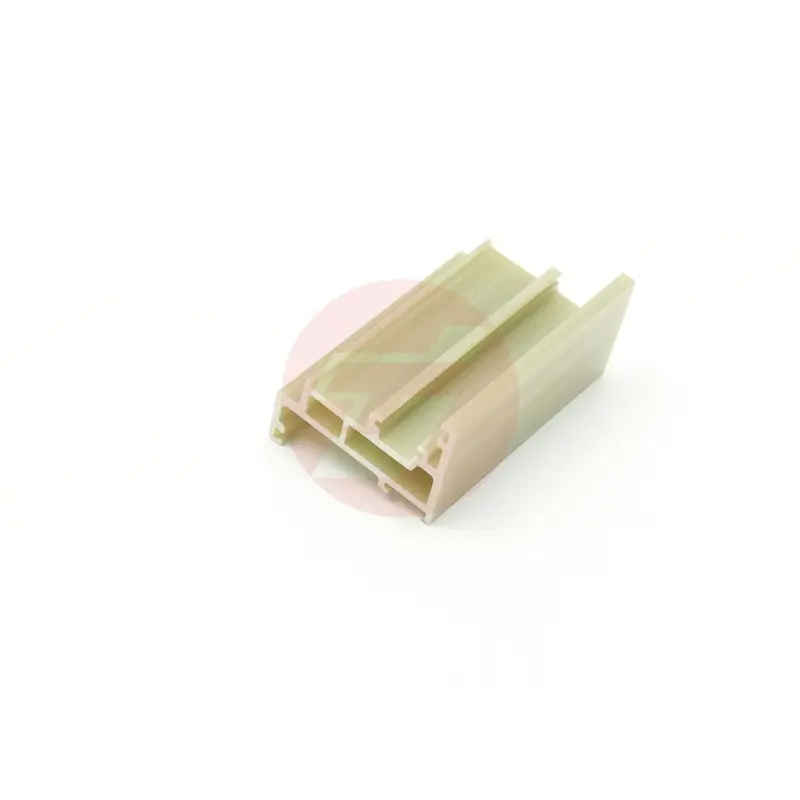
Industrial applications demand materials that deliver exceptional strength, durability, and performance under challenging conditions. Glass fiber pultruded products have emerged as a revolutionary solution for industries seeking lightweight yet robust alternatives to traditional materials like steel and aluminum. These advanced composite materials offer superior corrosion resistance, electrical insulation properties, and dimensional stability, making them ideal for diverse industrial applications ranging from construction and infrastructure to chemical processing and marine environments.
The pultrusion manufacturing process creates continuous fiber-reinforced composite profiles with consistent cross-sectional properties and superior mechanical characteristics. Understanding how to optimize these materials for specific industrial requirements involves careful consideration of fiber orientation, resin systems, and environmental factors that influence long-term performance. Modern glass fiber pultruded products incorporate advanced resin formulations and specialized additives that enhance their resistance to UV radiation, chemical exposure, and thermal cycling.
Understanding the Fundamentals of Pultrusion Technology
Manufacturing Process and Material Properties
The pultrusion process involves drawing continuous glass fibers through a heated die while simultaneously applying thermosetting resin systems. This manufacturing method ensures consistent fiber alignment and optimal resin-to-fiber ratios, resulting in glass fiber pultruded products with predictable mechanical properties. The continuous nature of the process allows for precise control over wall thickness, dimensional tolerances, and surface finish quality.
Temperature control during the pultrusion process significantly impacts the final properties of glass fiber pultruded products. Proper curing profiles ensure complete cross-linking of the resin matrix while preventing thermal degradation of the glass fibers. Advanced pultrusion systems incorporate sophisticated heating zones and cooling sections to optimize the cure cycle and minimize residual stresses within the composite structure.
Fiber Architecture and Reinforcement Strategies
The selection of appropriate fiber architectures plays a crucial role in optimizing glass fiber pultruded products for specific industrial applications. Unidirectional rovings provide maximum strength and stiffness in the longitudinal direction, while continuous strand mats offer improved transverse properties and damage tolerance. Multi-axial reinforcements can be incorporated to enhance performance in applications requiring bi-directional loading or improved impact resistance.
Advanced fiber treatments and sizing agents enhance the interfacial bond between glass fibers and resin matrices in glass fiber pultruded products. These surface modifications improve moisture resistance, chemical compatibility, and long-term durability under harsh industrial conditions. Proper fiber surface preparation ensures optimal stress transfer and prevents premature failure due to fiber-matrix debonding.
Material Selection and Resin System Optimization
Thermosetting Resin Systems
Polyester resins remain the most widely used matrix materials for glass fiber pultruded products due to their excellent balance of performance and cost-effectiveness. Isophthalic polyester resins offer improved chemical resistance compared to orthophthalic formulations, making them suitable for applications involving exposure to acids, alkalis, and organic solvents. Vinyl ester resins provide superior corrosion resistance and elevated temperature performance for demanding industrial environments.
Epoxy resin systems deliver exceptional mechanical properties and adhesion characteristics in glass fiber pultruded products intended for high-performance applications. These advanced thermosetting systems exhibit lower shrinkage during cure, resulting in improved dimensional stability and reduced internal stresses. Specialized epoxy formulations incorporating flame retardant additives meet stringent fire safety requirements for transportation and building applications.
Additive Systems and Performance Enhancement
Fire retardant additives significantly expand the application range of glass fiber pultruded products in industries with strict safety regulations. Halogen-free flame retardant systems based on aluminum trihydrate and magnesium hydroxide provide effective fire suppression while maintaining mechanical properties. These environmentally friendly additives decompose endothermically during combustion, releasing water vapor that dilutes flammable gases and reduces flame spread.
UV stabilizers and antioxidants protect glass fiber pultruded products from photodegradation and oxidative aging during long-term outdoor exposure. Hindered amine light stabilizers work synergistically with UV absorbers to maintain color stability and prevent surface chalking. Proper stabilizer selection ensures that glass fiber pultruded products retain their mechanical properties and aesthetic appearance throughout their service life.
Design Optimization for Industrial Applications
Structural Design Considerations
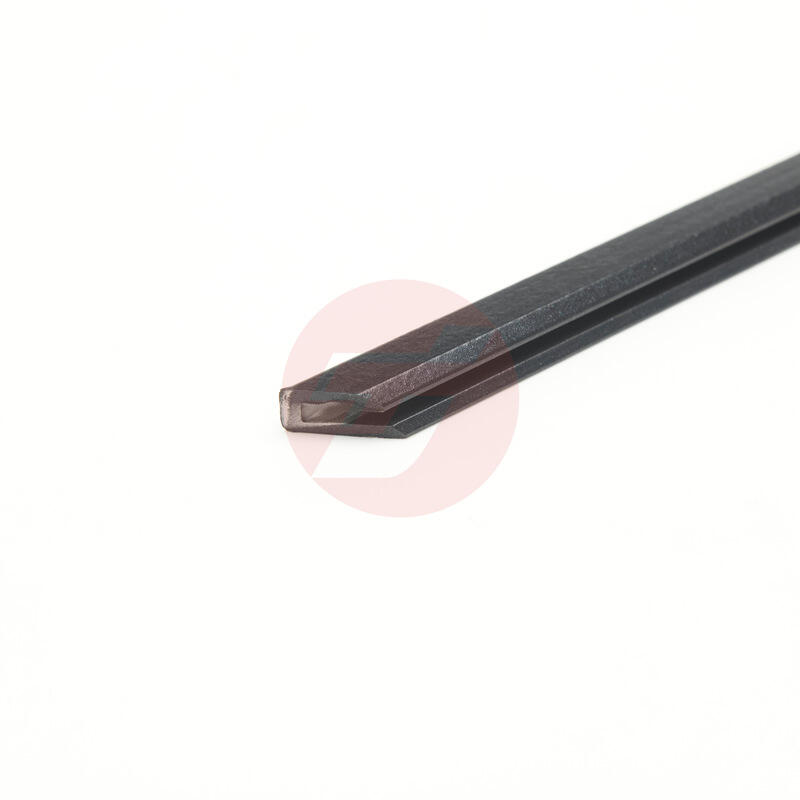
Optimizing the cross-sectional geometry of glass fiber pultruded products requires careful analysis of loading conditions, support constraints, and deflection limitations. Hollow sections offer excellent strength-to-weight ratios for applications requiring high bending stiffness with minimal material usage. The wall thickness distribution can be tailored to concentrate material where stresses are highest while reducing weight in less critical areas.
Connection details significantly influence the overall performance of structures utilizing glass fiber pultruded products. Mechanical fastening systems using stainless steel bolts and washers provide reliable connections that accommodate thermal expansion and contraction. Adhesive bonding techniques offer the potential for continuous load transfer and improved fatigue resistance when properly designed and executed.
Environmental Durability Assessment
Long-term durability of glass fiber pultruded products depends on their resistance to environmental stressors including temperature cycling, moisture absorption, and chemical exposure. Accelerated aging tests help predict service life and identify potential failure modes under simulated operating conditions. Proper material characterization enables engineers to establish appropriate safety factors and maintenance schedules for critical applications.
Thermal expansion coefficients of glass fiber pultruded products differ significantly from traditional materials, requiring careful consideration in mixed-material structures. The anisotropic nature of these composites results in different expansion rates in longitudinal and transverse directions. Proper joint design accommodates differential thermal movement while maintaining structural integrity and weatherproofing performance.
Quality Control and Testing Protocols
Manufacturing Quality Assurance
Implementing comprehensive quality control procedures ensures consistent properties in glass fiber pultruded products throughout production runs. Real-time monitoring of process parameters including temperature profiles, line speed, and resin viscosity enables immediate correction of deviations that could affect final product quality. Statistical process control techniques help identify trends and prevent systematic variations in material properties.
Non-destructive testing methods provide valuable insights into the internal quality of glass fiber pultruded products without compromising their structural integrity. Ultrasonic inspection techniques can detect voids, delaminations, and fiber misalignment that may not be visible through visual examination. Thermographic analysis reveals variations in cure state and identifies areas of potential weakness in the composite structure.
Performance Verification Testing
Mechanical testing programs validate the performance characteristics of glass fiber pultruded products under various loading conditions. Tensile, flexural, and compression tests establish baseline properties for design calculations and quality acceptance criteria. Fatigue testing evaluates long-term performance under cyclic loading conditions typical of many industrial applications.
Environmental exposure testing assesses the durability of glass fiber pultruded products under simulated service conditions. Salt spray testing evaluates corrosion resistance for marine and coastal applications, while thermal cycling tests verify dimensional stability and property retention. Chemical immersion studies determine compatibility with specific industrial chemicals and process fluids.
Installation and Maintenance Best Practices
Proper Installation Techniques
Successful installation of glass fiber pultruded products requires specialized knowledge of their unique handling and assembly requirements. Proper lifting and rigging techniques prevent damage to the composite structure during transportation and positioning. The use of appropriate slings and spreader beams distributes loads evenly and avoids stress concentrations that could initiate failure.
Field modifications of glass fiber pultruded products should be performed using approved cutting and drilling procedures that preserve the integrity of the surrounding material. Diamond-coated cutting tools and carbide drill bits minimize heat generation and prevent fiber fraying. Proper dust collection systems protect workers from glass fiber particles and maintain a clean work environment.
Maintenance and Inspection Protocols
Regular inspection schedules help identify early signs of degradation in glass fiber pultruded products before they compromise structural safety. Visual inspection techniques focus on surface conditions, joint integrity, and signs of impact damage or overloading. Detailed inspection records enable trend analysis and predictive maintenance planning for critical installations.
Cleaning procedures for glass fiber pultruded products should avoid harsh chemicals and abrasive materials that could damage surface coatings or gel coats. Mild detergent solutions and soft brushes effectively remove accumulated dirt and pollutants without compromising material integrity. Regular cleaning maintains appearance and prevents the buildup of corrosive deposits that could accelerate degradation.
FAQ
What are the key advantages of glass fiber pultruded products over traditional materials?
Glass fiber pultruded products offer exceptional corrosion resistance, high strength-to-weight ratios, and excellent electrical insulation properties. Unlike steel or aluminum, these composite materials do not require painting or coating for corrosion protection, significantly reducing maintenance costs. Their non-conductive nature makes them ideal for electrical applications where safety is paramount.
How do environmental conditions affect the performance of glass fiber pultruded products?
Environmental factors such as temperature, humidity, and UV exposure can influence the long-term performance of glass fiber pultruded products. However, proper resin selection and additive systems provide excellent resistance to these conditions. Most industrial-grade products are formulated to withstand decades of outdoor exposure with minimal property degradation.
What design considerations are essential when specifying glass fiber pultruded products?
Key design considerations include understanding the anisotropic nature of composite materials, accounting for thermal expansion differences, and selecting appropriate connection methods. Engineers must consider fiber orientation effects on mechanical properties and ensure that loading conditions align with the material's principal strength directions for optimal performance.
How can manufacturers ensure consistent quality in glass fiber pultruded products?
Consistent quality requires rigorous process control, including monitoring of temperature profiles, resin chemistry, and fiber tension during pultrusion. Regular testing of mechanical properties, dimensional accuracy, and visual appearance helps maintain quality standards. Implementation of statistical process control and traceability systems enables rapid identification and correction of quality issues.
Table of Contents
- Understanding the Fundamentals of Pultrusion Technology
- Material Selection and Resin System Optimization
- Design Optimization for Industrial Applications
- Quality Control and Testing Protocols
- Installation and Maintenance Best Practices
-
FAQ
- What are the key advantages of glass fiber pultruded products over traditional materials?
- How do environmental conditions affect the performance of glass fiber pultruded products?
- What design considerations are essential when specifying glass fiber pultruded products?
- How can manufacturers ensure consistent quality in glass fiber pultruded products?