
 EN
EN
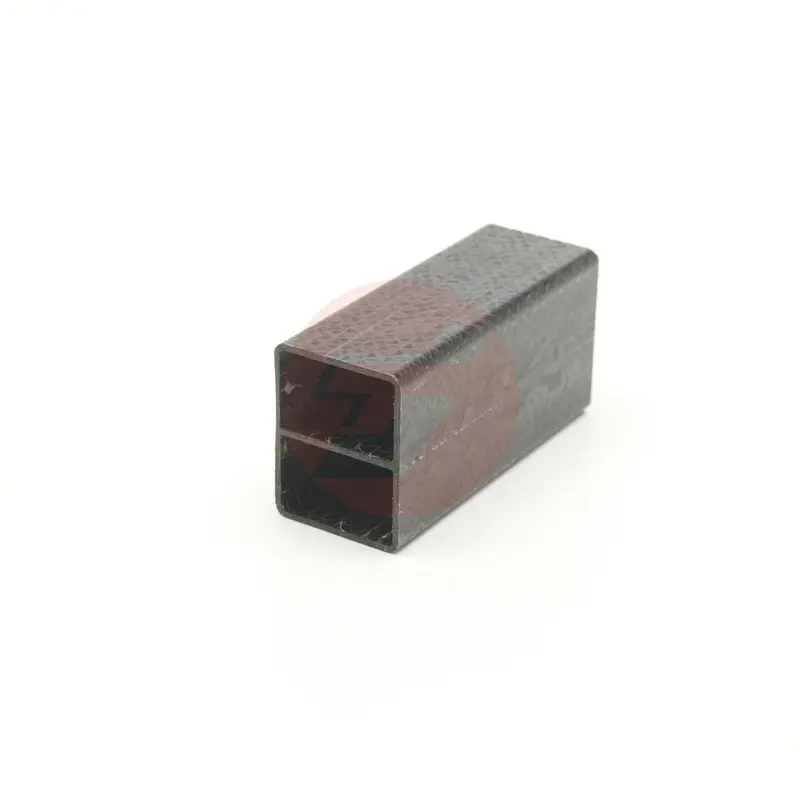
Precision manufacturing in composite materials relies heavily on the quality and design of epoxy pultrusion molds. These specialized tools serve as the foundation for creating consistent, high-performance composite profiles that meet stringent industry standards. Understanding the critical factors involved in selecting the right epoxy pultrusion molds can significantly impact production efficiency, product quality, and overall manufacturing success. Modern manufacturing facilities increasingly depend on advanced molding technologies to produce complex composite structures with exceptional dimensional accuracy and surface finish quality.
Understanding Pultrusion Mold Design Fundamentals
Core Design Principles for Optimal Performance
The design of epoxy pultrusion molds must account for thermal expansion, material flow dynamics, and dimensional stability throughout the manufacturing process. Engineers must consider the coefficient of thermal expansion for both the mold material and the composite being produced. Temperature gradients within the mold cavity can cause warping or dimensional inconsistencies in the final product. Advanced mold designs incorporate sophisticated heating systems that ensure uniform temperature distribution across the entire mold surface.
Material selection for epoxy pultrusion molds plays a crucial role in determining the longevity and performance of the manufacturing system. High-quality tool steels with excellent thermal conductivity properties provide superior heat transfer characteristics. The surface finish of the mold cavity directly influences the quality of the composite profile surface. Precision machining techniques ensure that mold cavities maintain tight tolerances and smooth surface finishes that translate to the final product.
Geometric Considerations and Profile Complexity
Complex profile geometries require sophisticated mold designs that can accommodate intricate shapes while maintaining dimensional accuracy. The wall thickness variations in composite profiles must be carefully considered during mold design to prevent resin-rich or fiber-rich areas. Undercuts and complex cross-sections may require multi-piece mold assemblies with precise alignment systems. Engineers must balance design complexity with manufacturing feasibility to ensure consistent production outcomes.
Draft angles and release mechanisms are essential design elements that facilitate smooth part ejection from epoxy pultrusion molds. Insufficient draft angles can lead to part damage during removal or excessive wear on mold surfaces. The incorporation of air ejection systems or mechanical release mechanisms can significantly improve production efficiency. Mold designers must also consider the effects of fiber orientation and resin flow patterns on part release characteristics.
Material Selection and Durability Factors
Steel Grades and Heat Treatment Requirements
The selection of appropriate steel grades for epoxy pultrusion molds depends on the specific operating conditions and production volume requirements. Tool steels such as H13 and P20 offer excellent combination of hardness, toughness, and thermal stability. Heat treatment processes must be carefully controlled to achieve optimal mechanical properties while minimizing residual stresses. Surface hardening treatments can extend mold life by improving wear resistance and reducing surface degradation.
Corrosion resistance becomes particularly important when processing certain resin systems that may contain aggressive chemicals. Stainless steel grades or specialized coatings can provide enhanced corrosion protection for long-term durability. The thermal cycling experienced during production requires materials with excellent fatigue resistance to prevent crack initiation and propagation. Regular material testing and quality control procedures ensure that mold materials meet specified performance criteria.
Surface Treatments and Coating Technologies
Advanced surface treatments significantly enhance the performance and longevity of epoxy pultrusion molds. Chrome plating provides excellent wear resistance and corrosion protection while maintaining smooth surface finishes. Nitriding treatments create hard surface layers that resist wear and reduce friction during part ejection. Physical vapor deposition coatings offer superior performance characteristics for demanding applications requiring extended mold life.
Surface texturing techniques can be employed to create specific surface finishes on composite products or to improve resin flow characteristics. Laser texturing and chemical etching provide precise control over surface topography and can enhance the aesthetic appeal of finished products. The selection of appropriate surface treatments must consider the compatibility with release agents and cleaning procedures used in the production process.
Temperature Control and Thermal Management
Heating System Design and Implementation
Effective temperature control systems are fundamental to the successful operation of epoxy pultrusion molds. Electric heating elements must be strategically positioned to ensure uniform heat distribution throughout the mold cavity. Temperature sensors and control systems provide real-time monitoring and adjustment capabilities to maintain optimal processing conditions. Zonal heating systems allow for independent temperature control in different mold regions to accommodate varying cure requirements.
Heating element selection depends on power requirements, temperature range, and mold geometry constraints. Cartridge heaters offer compact installation and precise temperature control for specific mold zones. Band heaters provide efficient heating for cylindrical mold sections, while strip heaters are suitable for flat mold surfaces. The electrical system design must include safety features such as over-temperature protection and ground fault detection to ensure safe operation.
Insulation and Energy Efficiency Considerations
Proper insulation systems minimize heat loss and improve energy efficiency in epoxy pultrusion molds. High-temperature insulation materials must withstand continuous exposure to elevated temperatures without degradation. Insulation design must balance thermal efficiency with accessibility for maintenance and service operations. Removable insulation panels facilitate mold inspection and component replacement when necessary.
Energy efficiency calculations help optimize heating system design and operating parameters to minimize production costs. Heat recovery systems can capture waste heat and redirect it to other manufacturing processes or facility heating requirements. Variable frequency drives and smart control systems automatically adjust heating power based on production demands and ambient conditions. Regular energy audits identify opportunities for further efficiency improvements and cost reduction.
Precision Tolerances and Quality Control
Dimensional Accuracy Requirements
Achieving precise dimensional accuracy in epoxy pultrusion molds requires careful attention to machining tolerances and assembly procedures. Computer numerical control machining centers provide the precision necessary to maintain tight tolerances across complex mold geometries. Coordinate measuring machines verify dimensional accuracy during mold fabrication and periodic maintenance intervals. Statistical process control methods track dimensional variations and identify trends that may indicate potential quality issues.
Thermal expansion compensation must be incorporated into mold design calculations to account for dimensional changes during heating and cooling cycles. Finite element analysis helps predict thermal deformation patterns and optimize mold geometry for dimensional stability. Calibration procedures ensure that measuring equipment maintains accuracy standards throughout the manufacturing process. Documentation systems track dimensional measurements and provide traceability for quality assurance purposes.
Surface Finish Standards and Measurement
Surface finish quality directly impacts the appearance and performance of products manufactured using epoxy pultrusion molds. Roughness measurements using profilometry equipment provide quantitative assessment of surface quality. Polishing and finishing procedures must follow established protocols to achieve consistent surface characteristics. Visual inspection standards help identify surface defects that may affect product quality or mold performance.
Surface contamination control prevents defects that can transfer to composite products during manufacturing. Clean room procedures and proper handling techniques maintain mold surface integrity throughout production runs. Regular cleaning schedules remove accumulated residues and prevent surface degradation that could affect product quality. Surface treatment renewal procedures restore mold surfaces to original specifications when wear becomes excessive.
Maintenance and Operational Considerations
Preventive Maintenance Protocols
Comprehensive preventive maintenance programs are essential for maximizing the service life of epoxy pultrusion molds. Regular inspection schedules identify wear patterns and potential failure modes before they impact production quality. Lubrication systems require periodic service to ensure smooth operation of moving components. Temperature monitoring systems need calibration verification to maintain accurate process control throughout the manufacturing cycle.
Component replacement schedules are based on usage patterns, wear measurements, and manufacturer recommendations. Spare parts inventory management ensures that critical components remain available to minimize production downtime. Maintenance documentation systems track service history and provide valuable data for optimizing maintenance intervals and procedures. Training programs ensure that maintenance personnel possess the skills necessary to service complex mold systems effectively.
Troubleshooting and Performance Optimization
Systematic troubleshooting procedures help identify and resolve issues that may affect the performance of epoxy pultrusion molds. Common problems include temperature variations, dimensional drift, and surface quality degradation. Root cause analysis techniques identify underlying factors that contribute to performance issues and guide corrective actions. Performance metrics tracking provides quantitative assessment of mold efficiency and product quality trends over time.
Process optimization involves continuous improvement efforts to enhance mold performance and production efficiency. Data analysis tools identify correlations between operating parameters and product quality outcomes. Experimental design methodologies help optimize process variables while minimizing the risk of production disruptions. Benchmark studies compare performance against industry standards and identify opportunities for improvement initiatives.
Cost Analysis and Return on Investment
Initial Investment Considerations
The initial cost of epoxy pultrusion molds represents a significant capital investment that must be carefully evaluated against expected production volumes and profit margins. High-quality molds typically command premium prices but offer superior performance and longevity that can justify the additional expense. Cost-benefit analysis should consider factors such as production capacity, quality levels, and maintenance requirements when comparing different mold options.
Financing options and payment terms can impact the overall cost of mold acquisition and should be factored into investment decisions. Lease arrangements may be suitable for short-term projects or when capital resources are limited. Multi-year payment plans can help distribute costs over extended periods while generating production revenue. Insurance considerations protect against potential losses due to equipment damage or production interruptions.
Operating Cost Optimization
Operating costs for epoxy pultrusion molds include energy consumption, maintenance expenses, and replacement parts. Energy-efficient designs and smart control systems can significantly reduce electricity costs over the mold's service life. Preventive maintenance programs help minimize unexpected repair expenses and extend equipment life. Bulk purchasing agreements for consumable materials and replacement parts can reduce ongoing operational costs.
Production efficiency metrics help quantify the economic benefits of high-performance mold systems. Reduced cycle times, improved yield rates, and enhanced product quality all contribute to improved profitability. Labor cost savings through automated systems and simplified operation procedures provide additional economic benefits. Market analysis helps identify opportunities for expanding production capabilities and generating additional revenue streams.
FAQ
What factors determine the service life of epoxy pultrusion molds?
The service life of epoxy pultrusion molds depends on several key factors including material quality, operating temperature ranges, production volume, and maintenance practices. High-grade tool steels with appropriate heat treatment can provide service lives of 100,000 to 500,000 cycles or more under normal operating conditions. Temperature cycling and thermal shock can accelerate wear and reduce mold life. Regular maintenance, proper surface treatments, and controlled operating parameters significantly extend mold durability and performance consistency.
How do I select the appropriate heating system for my epoxy pultrusion molds?
Heating system selection for epoxy pultrusion molds should be based on temperature requirements, mold geometry, power availability, and control precision needs. Electric heating elements are most commonly used due to their reliability and precise temperature control capabilities. Cartridge heaters work well for concentrated heating zones, while band heaters are suitable for cylindrical sections. The heating system must provide uniform temperature distribution and include safety features such as over-temperature protection and monitoring systems.
What surface treatments are recommended for extended mold life?
Chrome plating is one of the most effective surface treatments for epoxy pultrusion molds, providing excellent wear resistance and corrosion protection. Nitriding treatments create hard surface layers that resist wear and reduce friction during part ejection. Physical vapor deposition coatings offer superior performance for demanding applications. The choice of surface treatment depends on the specific resin system being processed, production volume requirements, and desired surface finish quality of the final products.
How can I optimize temperature control for consistent product quality?
Temperature control optimization requires proper placement of heating elements and temperature sensors throughout the mold structure. Zonal heating systems allow independent control of different mold regions to accommodate varying cure requirements. PID controllers provide precise temperature regulation with minimal overshoot and oscillation. Regular calibration of temperature sensors ensures accurate process control. Insulation systems should be designed to minimize heat loss while maintaining accessibility for maintenance operations.