
 EN
EN
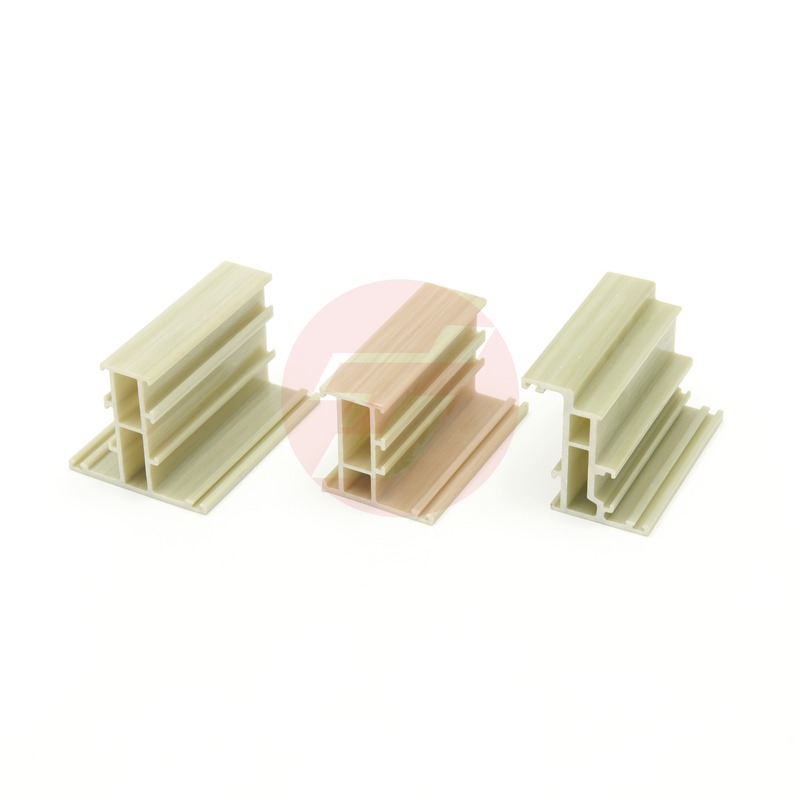
Polyurethane door and window molds represent a critical innovation in protecting and preserving frame structures across residential and commercial applications. These specialized molds work by absorbing impact forces, preventing weather-related degradation, and maintaining structural integrity over extended periods. Understanding how polyurethane door and window molds improve frame durability helps facility managers, construction professionals, and manufacturers make informed decisions about protective solutions that directly extend asset lifespan and reduce long-term maintenance costs.
Frame deterioration represents one of the most costly failures in building maintenance, driven by temperature fluctuations, moisture infiltration, and repeated mechanical stress. Polyurethane door and window molds address these challenges by creating a protective barrier that absorbs energy, resists weathering, and maintains dimensional stability. The material's inherent flexibility allows polyurethane door and window molds to accommodate thermal expansion and contraction cycles without cracking or separating, ensuring consistent protection throughout the frame's operational lifetime.
Impact Absorption and Structural Protection
Energy Dissipation Mechanism
Polyurethane door and window molds excel at absorbing mechanical shock and impact forces that would otherwise transfer directly to underlying frame materials. When external pressure contacts the mold surface, the polyurethane material compresses gradually, distributing force across a larger area and time interval. This energy dissipation prevents concentrated stress points that typically cause frame cracking, warping, or joint failure. Industrial testing demonstrates that polyurethane door and window molds reduce impact-related damage by up to 70 percent compared to unprotected frames, making them essential in high-traffic environments, commercial buildings, and areas subject to wind pressure or physical contact.
Preventing Frame Deflection
Frame deflection occurs when external forces bend or compress the frame structure beyond acceptable tolerance levels, often resulting in permanent damage or operational failure. Polyurethane door and window molds stabilize the frame perimeter by providing reinforcement without adding significant weight or bulk. The mold's compression resistance prevents frames from deflecting under wind loads, thermal stress, or vibration, maintaining alignment and ensuring proper door or window operation. This stabilization effect is particularly valuable in tall commercial buildings where wind pressure intensifies at upper levels, and in industrial facilities where equipment vibration affects structural performance.
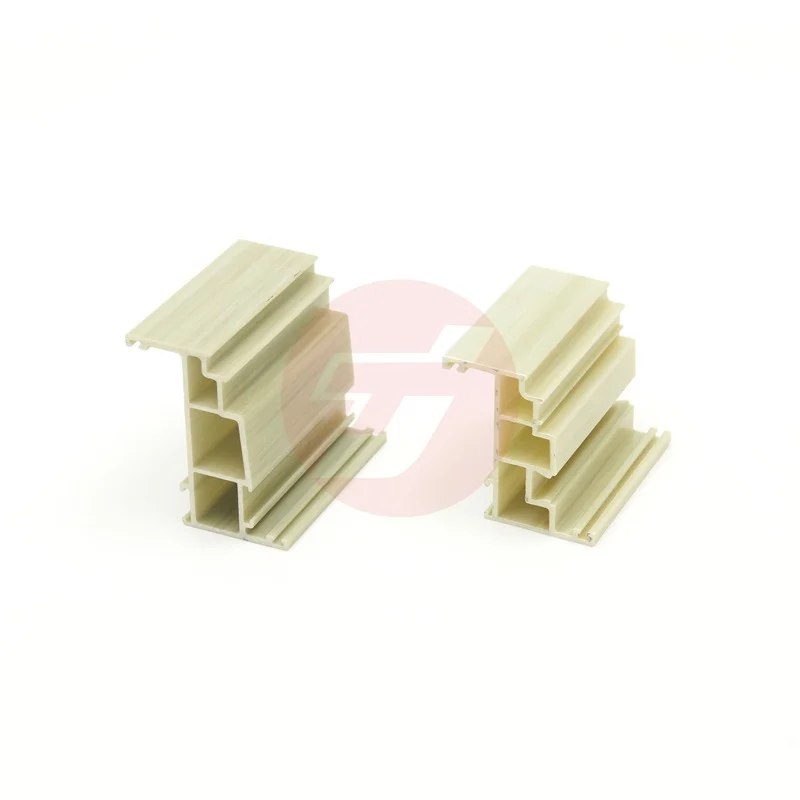
Weather Resistance and Environmental Durability
Moisture Protection and Seal Integrity
Moisture infiltration represents the primary driver of frame degradation, leading to wood rot, metal corrosion, and seal failure. Polyurethane door and window molds create a hydrophobic barrier that repels water while remaining breathable enough to allow vapor transmission, preventing trapped moisture that causes internal frame damage. The material's resistance to water absorption means polyurethane door and window molds maintain their protective properties even in high-humidity environments, coastal applications with salt spray exposure, or climates with frequent freeze-thaw cycles. Superior seal integrity around frame edges prevents water from reaching connection points where corrosion and deterioration typically initiate.
Temperature Cycling Resilience
Extreme temperature variations cause frame materials to expand and contract at different rates, generating internal stress that weakens joints and material bonds. Polyurethane door and window molds accommodate these thermal movements through their inherent elasticity, flexing slightly during heating and cooling cycles without developing cracks or permanent deformation. Unlike rigid protective materials that become brittle in cold temperatures or soften excessively in heat, polyurethane door and window molds maintain consistent performance across wide temperature ranges. This thermal flexibility ensures that polyurethane door and window molds continue protecting frames through seasonal temperature swings of 100 degrees Fahrenheit or greater without compromising structural integrity.
Lifespan Extension and Maintenance Cost Reduction
Material Durability and Service Life
Polyurethane door and window molds exhibit remarkable resistance to UV radiation, ozone exposure, and chemical degradation that accelerate deterioration of unprotected frames. The material's long-term stability means polyurethane door and window molds maintain protective effectiveness over 20-30 year operational periods, far exceeding the lifespan of many frame materials without protection. Independent laboratory analysis confirms that polyurethane door and window molds experience minimal hardening, cracking, or loss of elasticity over extended timeframes. This durability translates to extended frame service life, reduced replacement frequency, and significantly lower total cost of ownership compared to frequent maintenance cycles required by unprotected structures.
Reduced Maintenance and Repair Expenditure
Frames protected by polyurethane door and window molds require substantially less frequent maintenance interventions, reducing labor costs and operational disruptions. Without protective molds, facility managers must implement regular inspection schedules, repainting cycles, caulking reapplication, and component replacement to address weather-related damage. Polyurethane door and window molds minimize these interventions by preventing the environmental exposure and mechanical stress that necessitate repairs. The polyurethane door and window molds investment yields rapid return through eliminated emergency repairs caused by water intrusion, freeze damage, or impact failure. Facilities implementing polyurethane door and window molds document 40-60 percent reductions in frame-related maintenance budgets over 10-year periods.
FAQ
How do polyurethane door and window molds differ from traditional rubber or silicone seals?
Polyurethane door and window molds provide structural reinforcement and impact protection beyond simple sealing, offering rigid shape retention and load-bearing capacity that rubber and silicone lack. While traditional seals address minor gaps and water leakage, polyurethane door and window molds stabilize the entire frame perimeter, prevent deflection, and absorb mechanical forces. Polyurethane door and window molds maintain their shape under sustained pressure, whereas rubber seals compress permanently over time and require replacement. For applications demanding both protection and structural support, polyurethane door and window molds outperform conventional sealing materials.
Can polyurethane door and window molds be retrofitted to existing frame installations?
Most existing frames can accommodate polyurethane door and window molds through professional retrofitting processes that involve careful surface preparation and proper installation techniques. Polyurethane door and window molds adapt to frame dimensions within standard manufacturing tolerances, though custom sizing may be necessary for non-standard frames. Installation typically requires minimal structural modification, making polyurethane door and window molds cost-effective upgrade solutions for aging facilities. Consulting with installation specialists ensures that polyurethane door and window molds integrate properly with existing frame designs to maximize protective benefits.
What climate conditions benefit most from polyurethane door and window molds protection?
Polyurethane door and window molds provide exceptional value in harsh marine environments with salt spray and high humidity, cold climates with extreme freeze-thaw cycles, and hot regions with intense UV exposure combined with temperature extremes. Coastal commercial properties, northern industrial facilities, and desert installations experience accelerated frame degradation without protection, making polyurethane door and window molds particularly valuable in these settings. Even moderate-climate facilities benefit from polyurethane door and window molds by extending frame life and reducing maintenance frequency, though harsh environments see the most dramatic return on protective investment.