
 EN
EN
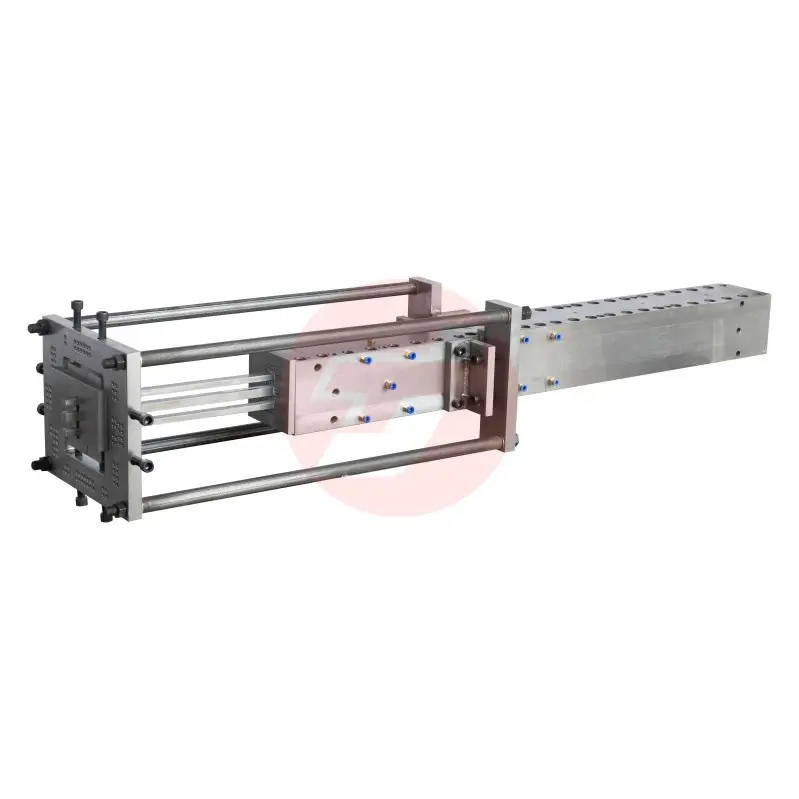
Composite pultrusion molds represent a critical investment in achieving superior surface finishing results for composite products. The quality of the final composite part depends heavily on the mold's surface characteristics, dimensional accuracy, and thermal management capabilities. When manufacturers prioritize mold design and material selection, composite pultrusion molds deliver consistently refined surfaces that reduce post-production finishing costs and improve product aesthetics. Understanding the mechanisms that enable composite pultrusion molds to achieve better surface finishing results is essential for any organization producing high-performance composite materials.
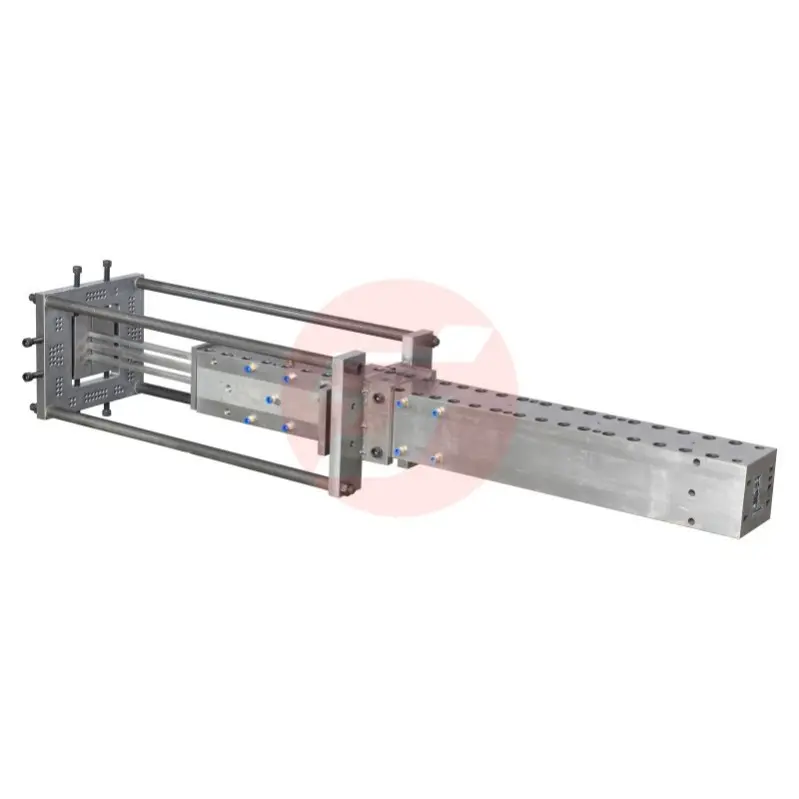
The manufacturing process of composite pultrusion demands precision at every stage, and composite pultrusion molds are the foundation upon which this precision rests. Surface finish quality directly affects the aesthetic appeal, dimensional tolerances, and functional performance of the finished composite part. By optimizing mold surfaces through advanced techniques and material innovations, manufacturers can significantly enhance their production capabilities and meet increasingly stringent customer specifications.
Material Selection and Surface Properties
High-Performance Resin Systems for Mold Construction
The material composition of composite pultrusion molds directly influences surface finish quality. High-performance epoxy resin systems, particularly those reinforced with carbon fiber, provide superior dimensional stability and thermal conductivity compared to standard polyester molds. Composite pultrusion molds made from advanced resin formulations resist thermal cycling stress and maintain consistent surface properties throughout extended production runs. The thermal stability of these materials prevents warping and surface degradation, which are common causes of poor finishing results in lower-grade molds.
Carbon Fiber Reinforcement Benefits
Carbon fiber-reinforced composite pultrusion molds offer exceptional strength-to-weight ratios and dimensional precision. The reinforcement structure within composite pultrusion molds enhances stiffness, reducing deflection during the pultrusion process that could otherwise transfer surface irregularities to the final product. When composite pultrusion molds incorporate high-grade carbon fiber, they maintain micro-level surface smoothness even under high production pressures. This reinforcement also improves the mold's resistance to abrasion, ensuring that surface quality remains consistent across thousands of production cycles.
Precision Surface Engineering and Finishing Techniques
Advanced Polishing and Texture Control
Surface finishing of composite pultrusion molds requires specialized polishing protocols that achieve optical-grade smoothness. Precision polishing techniques applied to composite pultrusion molds remove micro-scratches and imperfections that would otherwise transfer to the composite product. The polishing process typically progresses through multiple grit stages, with final stages achieving surface roughness values below 0.8 micrometers. When composite pultrusion molds are polished to these exacting standards, the resulting composite products exhibit superior gloss, texture uniformity, and dimensional consistency.
Thermal Management Through Mold Design
Effective thermal control is integral to how composite pultrusion molds achieve better surface finishing results. Composite pultrusion molds equipped with optimized cooling channels maintain uniform temperature distribution across the surface, preventing hotspots that cause surface defects and resin flow irregularities. The thermal design within composite pultrusion molds directly controls resin cure rates and viscosity during the pultrusion process. When temperature is precisely managed, composite pultrusion molds enable consistent resin wetting and fiber-matrix bonding, which translates into superior surface quality and reduced voids or delamination issues.
Process Integration and Quality Control
Mold-Process Compatibility and Optimization
The integration of composite pultrusion molds with modern pultrusion equipment is essential for achieving optimal surface finishing results. Composite pultrusion molds must be designed to work synergistically with fiber tension systems, resin impregnation stations, and curing zones. When composite pultrusion molds are engineered with precise dimensional tolerances and surface specifications, they work with production equipment to eliminate surface irregularities caused by misalignment or inconsistent resin flow. Advanced composite pultrusion molds accommodate dynamic process adjustments, allowing operators to fine-tune parameters that directly affect final product surface quality.
Maintenance Protocols and Durability
Regular maintenance of composite pultrusion molds preserves surface finishing capabilities throughout the mold's operational life. Composite pultrusion molds require periodic cleaning with specialized solvents that remove resin residue without damaging the mold surface. Preventive maintenance schedules for composite pultrusion molds typically include surface inspection under magnification, gentle polishing of worn areas, and thermal performance verification. When manufacturers implement comprehensive maintenance protocols, composite pultrusion molds sustain their surface finishing performance for extended production runs, reducing the need for costly remolding or surface restoration.
FAQ
What surface roughness values should composite pultrusion molds achieve?
Premium composite pultrusion molds typically achieve surface roughness values between 0.4 and 0.8 micrometers, depending on the intended application and aesthetic requirements. This level of surface refinement ensures that the composite product requires minimal post-production finishing. Different industries have varying specifications; aerospace composites often require surfaces below 0.6 micrometers, while industrial applications may tolerate slightly higher values. The surface quality of composite pultrusion molds directly determines whether the finished composite product meets customer specifications without additional polishing or sanding operations.
How do thermal properties of composite pultrusion molds affect surface finishing?
Thermal properties of composite pultrusion molds are critical because uneven temperature distribution causes resin flow inconsistencies and surface defects. Molds with poor thermal conductivity create hotspots where resin cure accelerates prematurely, leading to fiber waviness and surface rippling. Advanced composite pultrusion molds incorporate carbon fiber reinforcement that enhances thermal conductivity, allowing heat to distribute uniformly across the mold surface. When thermal management is optimized within composite pultrusion molds, the pultrusion process delivers consistent surface quality throughout the entire production run.
How often should composite pultrusion molds be polished or refurbished?
The maintenance frequency for composite pultrusion molds depends on production volume, resin chemistry, and environmental conditions. Typically, composite pultrusion molds require polishing or touch-up work every 500 to 2000 production hours, though high-volume applications may need attention more frequently. Regular inspection of composite pultrusion molds under magnification helps identify early signs of wear or surface degradation. Proactive refurbishment of composite pultrusion molds prevents gradual surface deterioration that would otherwise result in declining product quality, extending the overall investment value of the mold.