
 EN
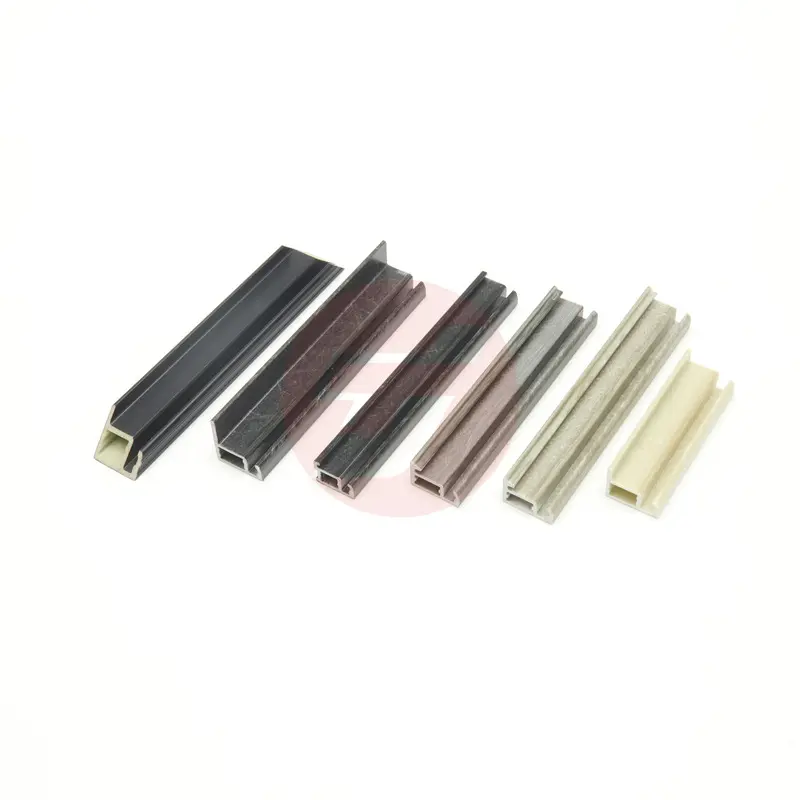
Epoxy resin has become an indispensable material in modern manufacturing, particularly when the goal is to enhance mold surface quality across diverse industrial applications. The relationship between epoxy resin mold surface quality and production efficiency is direct and measurable, making this material a strategic choice for manufacturers who demand precision and durability. Understanding how epoxy resin mold surface quality contributes to overall tooling performance can significantly impact your production outcomes, cost management, and competitive advantage in today's market.
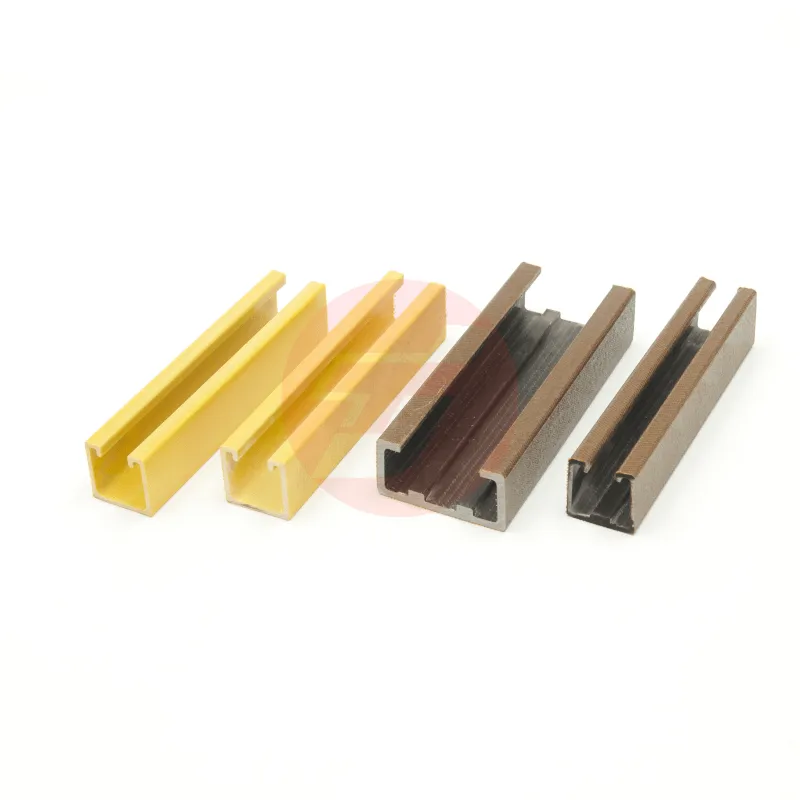
The investment in high-quality epoxy resin mold surface quality solutions protects manufacturing assets while ensuring that each molded component meets the strictest dimensional and aesthetic specifications. When applied correctly, epoxy resin mold surface quality treatments create a protective barrier that resists wear, corrosion, and thermal stress. This comprehensive guide explores the mechanisms, benefits, and practical applications of epoxy resin mold surface quality enhancement in industrial production environments.
Understanding Epoxy Resin's Protective Mechanism
How Epoxy Resin Mold Surface Quality Works
Epoxy resin mold surface quality is achieved through the material's exceptional adhesion properties and cross-linked polymer structure. When epoxy resin mold surface quality coatings cure, they form a dense, chemically resistant layer that bonds at the molecular level with the underlying mold substrate. This bonding process is what makes epoxy resin mold surface quality superior to conventional surface treatments, as it creates a unified barrier rather than a surface overlay that can peel or separate during use.
The hardness and resilience of epoxy resin mold surface quality allow molds to withstand repeated thermal cycling, mechanical impact, and chemical exposure without degradation. For manufacturers running high-volume production cycles, the stability provided by epoxy resin mold surface quality directly translates into longer tool life and reduced maintenance downtime. The material's low porosity is particularly valuable in precision molding applications where surface irregularities would compromise final product quality.
Chemical Resistance and Durability Benefits
One of the most compelling advantages of epoxy resin mold surface quality is its outstanding chemical resistance profile. Industrial molds encounter aggressive solvents, release agents, and processing chemicals that would degrade unprotected steel or aluminum surfaces over time. Epoxy resin mold surface quality creates a chemically inert barrier that prevents these substances from initiating corrosion or material degradation at the mold surface.
The durability aspect of epoxy resin mold surface quality becomes increasingly valuable in harsh manufacturing environments where temperature fluctuations are extreme or humidity levels are consistently high. Unlike paint-based coatings that can crack and fail under thermal stress, epoxy resin mold surface quality maintains its integrity across the operating temperature range specified for industrial molding operations. This reliability makes epoxy resin mold surface quality a cost-effective choice over the extended lifecycle of precision tooling.
Production Efficiency and Surface Finish Quality
Impact on Molded Component Precision
The direct correlation between epoxy resin mold surface quality and the precision of molded components cannot be overstated in manufacturing circles. When mold surfaces are properly treated with epoxy resin mold surface quality solutions, the dimensional consistency of each molded part improves noticeably. Surface irregularities, micro-scratches, and wear patterns that would otherwise accumulate during production are eliminated or significantly reduced through proper epoxy resin mold surface quality application.
Manufacturers relying on tight tolerances discover that epoxy resin mold surface quality maintenance intervals can be extended considerably compared to untreated molds. The smooth, uniform surface created by epoxy resin mold surface quality reduces friction during the injection or compression process, which means parts release more consistently and require less post-processing finishing work. This downstream benefit of epoxy resin mold surface quality directly improves production throughput and reduces labor costs associated with part finishing.
Release Properties and Cycle Time Reduction
A well-maintained epoxy resin mold surface quality finish dramatically improves release properties during the ejection phase of molding cycles. The consistent surface topology created by epoxy resin mold surface quality reduces sticking and binding that typically occurs as mold surfaces age and accumulate micro-damage. Production teams report that optimizing epoxy resin mold surface quality translates into faster cycle times, as the hydraulic or mechanical forces required to eject parts can be reduced without compromising part removal quality.
When epoxy resin mold surface quality is properly specified and applied, the need for external release agents diminishes, which in turn reduces chemical residue on molded components and simplifies post-production cleaning processes. This systemic improvement cascading from epoxy resin mold surface quality investment benefits multiple stages of the manufacturing workflow, creating compounding efficiency gains.
Cost Implications and Return on Investment
Tool Life Extension Through Epoxy Resin Mold Surface Quality
The financial case for epoxy resin mold surface quality is particularly compelling when evaluated over a multi-year production horizon. High-precision molds represent significant capital investments, and extending their operational lifespan through epoxy resin mold surface quality treatment can defer replacement expenses by months or even years. The cost-per-use calculation dramatically improves when epoxy resin mold surface quality enables a mold to produce 50 percent more parts before requiring retirement or major refurbishment.
Manufacturers investing in proper epoxy resin mold surface quality protocols observe reduced scrap rates, fewer mold maintenance events, and lower emergency tool repairs. These operational savings compound over time, making the initial investment in epoxy resin mold surface quality treatment or coating services highly attractive from a total cost of ownership perspective.
Preventive Maintenance Strategy with Epoxy Resin Mold Surface Quality
Incorporating epoxy resin mold surface quality into a preventive maintenance strategy allows manufacturers to move away from reactive tool replacement toward planned, controlled interventions. When epoxy resin mold surface quality is monitored and maintained proactively, production disruptions become predictable and manageable rather than unexpected emergencies. This shift to planned maintenance improves supply chain reliability and allows manufacturing teams to schedule tool servicing during planned production downtime.
The expertise required to properly assess and maintain epoxy resin mold surface quality is becoming a recognized specialty within tool management services. Organizations that develop competency in epoxy resin mold surface quality application and monitoring gain competitive advantage through improved equipment utilization and predictable production performance.
FAQ
What types of molds benefit most from epoxy resin mold surface quality treatment?
Precision injection molds, compression molds, and blow molding tools all benefit significantly from epoxy resin mold surface quality enhancement. Applications involving high-volume production, aggressive processing chemicals, or extreme temperature cycling gain the most substantial advantages from epoxy resin mold surface quality because these conditions accelerate mold surface degradation. Even moderate-volume tooling operations see measurable benefits when epoxy resin mold surface quality is applied, particularly in industries where part surface finish standards are exacting.
How often should epoxy resin mold surface quality be inspected and maintained?
Inspection frequency for epoxy resin mold surface quality depends on production volume, process aggressiveness, and environmental factors, but quarterly assessments are a reasonable baseline for heavily used molds. Visual inspection for coating integrity, surface contamination, and early signs of wear allows maintenance teams to intervene before epoxy resin mold surface quality degradation reaches critical levels. Many manufacturers schedule epoxy resin mold surface quality refreshment treatments every 18 to 36 months, though this interval varies based on specific production conditions and application requirements.
Can epoxy resin mold surface quality be applied to existing molds?
Yes, epoxy resin mold surface quality can be applied to existing molds through professional surface preparation and recoating services. Existing molds must be thoroughly cleaned and any damaged areas must be addressed before epoxy resin mold surface quality application to ensure proper adhesion and performance. This retrofitting capability means that manufacturers need not retire functional molds to access the benefits of epoxy resin mold surface quality technology, making this an accessible upgrade option for established tooling portfolios.