
 EN
EN
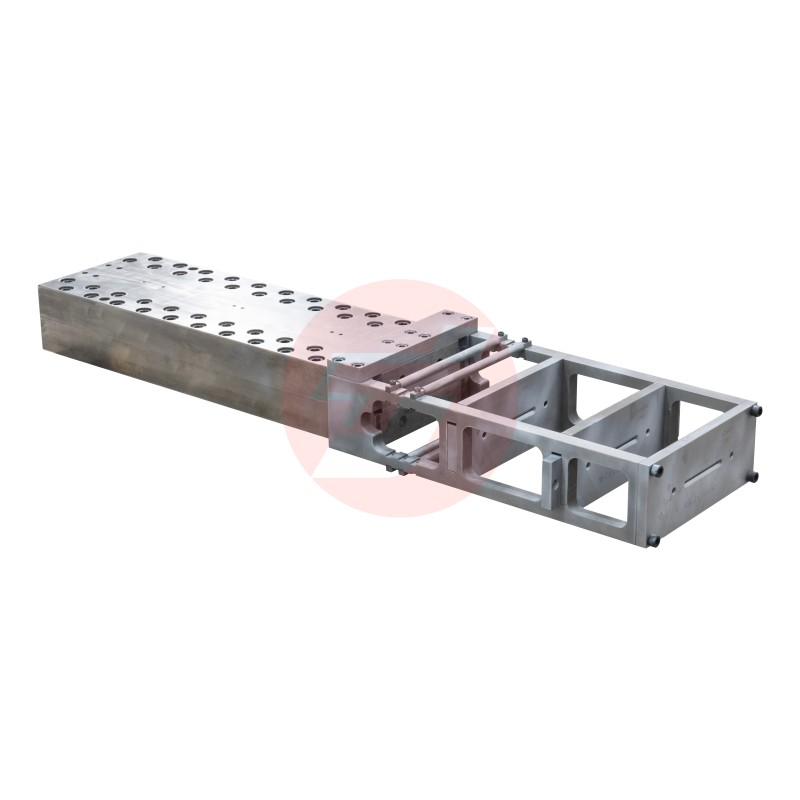
In modern wind energy manufacturing, carbon fiber molds have become a defining technology for producing lighter, stronger turbine main beams. As turbine blades and structural components grow larger, the demand for weight reduction without sacrificing load-bearing performance has never been greater. Carbon fiber molds directly address this challenge by enabling highly precise composite layup processes that result in components significantly lighter than those made with traditional steel or fiberglass tooling methods.
The role of carbon fiber molds extends well beyond simple shaping. These precision tools actively influence fiber alignment, resin distribution, and dimensional accuracy throughout the curing cycle. When manufacturers invest in high-quality carbon fiber molds for turbine main beam production, they gain control over every variable that contributes to the final component weight. Understanding how carbon fiber molds achieve this weight reduction requires examining the material science, structural design logic, and production workflow that make them uniquely suited for large-scale composite manufacturing.
Material Advantages of Carbon Fiber Molds in Beam Production
Low Thermal Mass and Dimensional Stability
One of the most significant advantages of carbon fiber molds is their extremely low thermal mass compared to traditional steel tooling. Carbon fiber molds heat up and cool down rapidly, which shortens cycle times and reduces thermal stress on the composite layup. In turbine main beam production, this thermal efficiency means that carbon fiber molds allow manufacturers to run more consistent cure cycles, minimizing the risk of internal stress that can add compensatory material weight to achieve structural compliance.
Carbon fiber molds also exhibit near-zero thermal expansion, a property known as low coefficient of thermal expansion. This dimensional stability ensures that the beam geometry remains accurate throughout every temperature stage of the curing process. When the mold holds its shape precisely, engineers do not need to add extra composite layers to compensate for dimensional drift. Carbon fiber molds therefore help keep wall thickness at the calculated minimum, which directly translates into a lighter finished turbine main beam.
Mold Weight Reduction and Handling Benefits
Carbon fiber molds are substantially lighter than equivalent steel molds, often weighing up to 60 to 70 percent less for the same tooling geometry. This inherent lightness of carbon fiber molds reduces the infrastructure load on production facilities and simplifies handling during large-beam manufacturing. Because carbon fiber molds can be repositioned and supported with less heavy equipment, manufacturers can maintain tighter control over beam orientation during infusion and curing, which supports optimal fiber angles and minimizes wasted material.
How Carbon Fiber Molds Enable Structural Weight Optimization
Precise Fiber Placement and Resin Control
The surface quality and rigidity of carbon fiber molds allow for highly accurate placement of unidirectional and woven carbon fiber plies within the beam layup. Carbon fiber molds maintain their cavity shape under vacuum and resin infusion pressure, which ensures that fiber orientations stay exactly as designed. In turbine main beam production, correct fiber alignment is critical because it determines the load path efficiency of the beam. When carbon fiber molds preserve this alignment through the entire process, engineers can rely on thinner laminate stacks to achieve the required stiffness, reducing beam weight significantly.
Resin distribution is equally influenced by the quality of carbon fiber molds. A well-designed set of carbon fiber molds with smooth, non-porous surfaces promotes even resin flow during vacuum-assisted resin transfer or pultrusion processes. Uniform resin content means no resin-rich zones that add unnecessary mass without structural benefit. Carbon fiber molds effectively act as a quality control mechanism that keeps resin-to-fiber ratios within the optimal range, contributing directly to the weight efficiency of each turbine main beam produced.
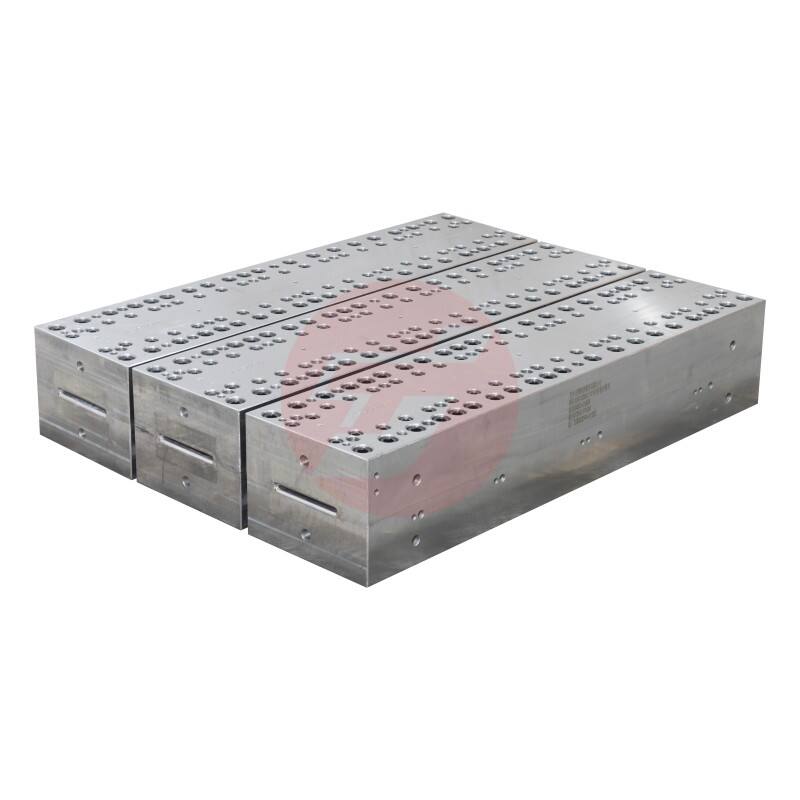
Integration with Pultrusion Processes
carbon fiber molds are particularly well-suited for integration with pultrusion manufacturing, where continuous fiber-reinforced profiles are pulled through a heated die. In turbine main beam plate production, carbon fiber molds used in pultrusion lines maintain consistent cross-sectional geometry at high throughput speeds. This consistency eliminates the material variability that often forces design engineers to over-build beams as a safety margin. With carbon fiber molds guiding the pultrusion process, beam plates can be produced at their theoretical minimum weight while still meeting all structural and fatigue performance requirements.
Long-Term Production Benefits of Carbon Fiber Molds
Durability and Repeat-Use Accuracy
Carbon fiber molds are engineered for high-cycle durability, meaning they retain their geometric accuracy across hundreds or even thousands of production cycles. This longevity is critical in turbine main beam manufacturing, where consistency across a production run directly affects the structural integrity of the wind turbine assembly. Because carbon fiber molds do not warp, corrode, or degrade under the thermal and mechanical stresses of repeated use, manufacturers avoid the quality drift that forces compensatory over-engineering. Consistently accurate carbon fiber molds mean every beam produced meets weight targets without excess material.
Reduced Post-Processing and Waste
The dimensional precision of carbon fiber molds reduces the need for post-cure machining, grinding, or correction of turbine main beam components. Each of these post-processing steps adds labor time and can introduce material removal inconsistencies. When carbon fiber molds deliver near-net-shape components directly from the cure cycle, manufacturers save material, reduce scrap rates, and lower overall beam mass. The contribution of carbon fiber molds to reduced waste is not just an environmental benefit; it is a direct measure of production efficiency and component weight accuracy.
From a total-cost and performance perspective, carbon fiber molds represent an investment that pays returns through lighter components, faster cycles, and fewer defects. For turbine manufacturers aiming to optimize rotor weight and increase energy yield per unit of structural mass, carbon fiber molds are an essential tool in the production engineering strategy.
FAQ
Why are carbon fiber molds preferred over steel molds for turbine main beams?
Carbon fiber molds are preferred because they offer lower thermal mass, higher dimensional stability, and significantly reduced tooling weight compared to steel. These properties allow carbon fiber molds to produce more accurate, lighter turbine main beam components with shorter cycle times and less compensatory over-engineering.
Do carbon fiber molds directly reduce the weight of the finished turbine beam?
Yes. Carbon fiber molds achieve weight reduction indirectly but effectively by enabling precise fiber placement, controlled resin content, and accurate geometry. When carbon fiber molds maintain these parameters consistently, design engineers can specify minimum wall thickness and ply counts, which results in a structurally efficient and lighter turbine main beam.
How do carbon fiber molds perform in high-volume turbine beam production?
Carbon fiber molds are well-suited for high-volume production due to their durability and thermal efficiency. Over many production cycles, carbon fiber molds maintain their dimensional accuracy, ensuring that every turbine main beam produced meets the same weight and structural specification without requiring rework or excess material addition.