
 EN
EN
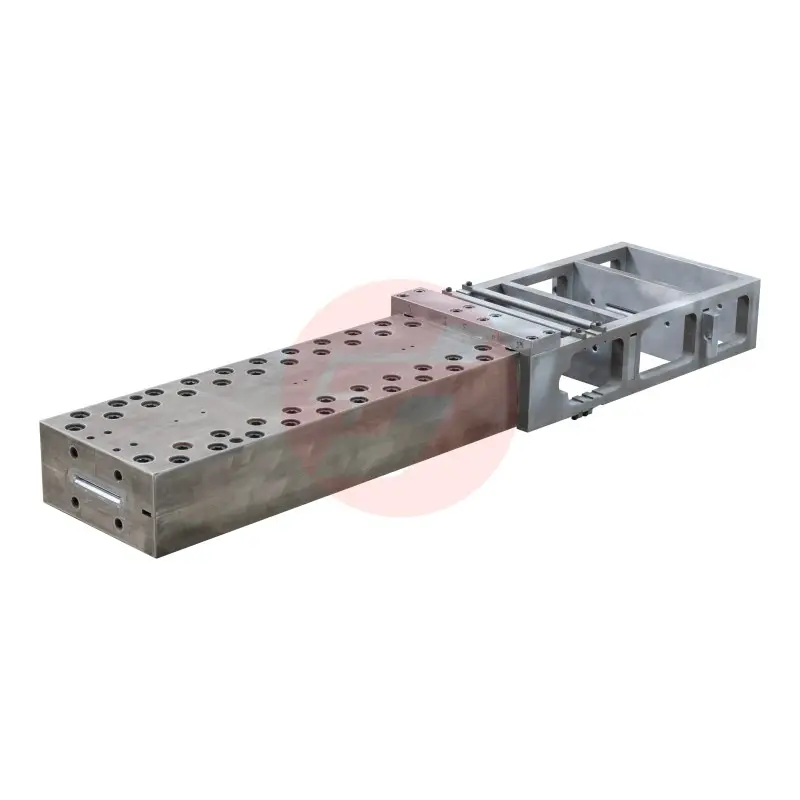
The quality of a carbon fiber mold is one of the most critical yet often underestimated factors in wind energy manufacturing. Every wind turbine blade begins its life inside a carbon fiber mold, and any deviation in mold precision directly transfers into the finished component. When the mold surface is inconsistent, warped, or thermally unstable, the resulting blade will carry those defects throughout its operational lifespan. Understanding this connection is essential for engineers, procurement specialists, and project managers involved in wind power development.
A carbon fiber mold used in wind turbine blade production must meet extremely tight dimensional tolerances, withstand repeated thermal cycling, and maintain geometric stability across hundreds of production cycles. The performance of a wind turbine is not determined solely by its aerodynamic design on paper. It is determined by how faithfully that design is reproduced through the carbon fiber mold during manufacturing. Deficiencies in carbon fiber mold quality cascade through the entire system, reducing energy capture, increasing fatigue stress, and raising long-term maintenance costs.
How Carbon Fiber Mold Precision Shapes Blade Aerodynamics
Dimensional Accuracy and Aerodynamic Profile Fidelity
A wind turbine blade is engineered to a precise airfoil profile that maximizes lift and minimizes drag across a range of wind speeds. The carbon fiber mold must reproduce this profile with sub-millimeter accuracy. Even minor surface deviations in the carbon fiber mold can distort the aerodynamic shape of the blade, reducing its lift-to-drag ratio and lowering energy capture efficiency. When a carbon fiber mold introduces consistent dimensional errors, every blade produced from that mold carries the same aerodynamic penalty, compounding losses across an entire turbine fleet.
A high-quality carbon fiber mold is manufactured with precision CNC machining and verified through laser scanning or coordinate measurement. The carbon fiber mold surface finish also affects boundary layer behavior over the blade surface. A rough or pitted carbon fiber mold surface translates directly into increased surface roughness on the blade, which raises turbulent drag and reduces annual energy production. This is why surface quality control in the carbon fiber mold is treated as a performance engineering issue, not merely a cosmetic concern.
Mold Stiffness and Geometric Stability Under Process Conditions
During blade production, the carbon fiber mold is subjected to elevated curing temperatures and mechanical loads from the composite layup process. A carbon fiber mold with insufficient structural stiffness will flex or distort under these conditions, causing the blade geometry to deviate from design intent. This type of carbon fiber mold failure is particularly damaging because the distortion may not be visible to the operator but will manifest as blade twist errors or chord length inconsistencies. These errors reduce turbine performance and can create imbalanced loading across the rotor.
The Role of Carbon Fiber Mold Quality in Structural Integrity
Surface Quality and Composite Bonding Reliability
The internal surface of a carbon fiber mold directly influences the quality of the composite laminate it produces. A carbon fiber mold with surface porosity, contamination, or inconsistent release coating will produce blades with surface voids, delamination risks, and poor fiber-to-resin consolidation. These structural weaknesses reduce the fatigue life of the blade significantly. Wind turbine blades are exposed to cyclic loading for twenty years or more, and a blade originating from a defective carbon fiber mold will develop cracks and failures far ahead of its design life.
Proper carbon fiber mold surface preparation and maintenance are therefore direct investments in blade structural performance. A well-maintained carbon fiber mold produces consistent laminate quality batch after batch, ensuring that each blade meets the same structural standards. Inconsistent carbon fiber mold surfaces introduce variability into the manufacturing process that statistical quality control cannot fully compensate for. The carbon fiber mold itself must be the primary quality control element.
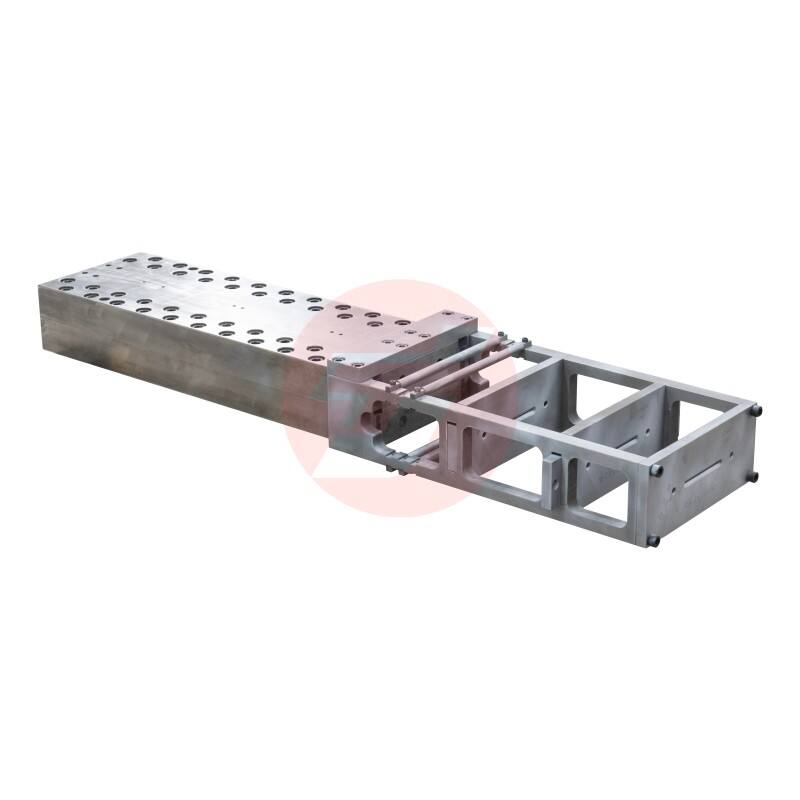
Thermal Management Capability of the Carbon Fiber Mold
Resin infusion and curing processes depend on precise thermal management within the carbon fiber mold. A carbon fiber mold with integrated heating systems must deliver uniform temperature distribution across the entire blade length, which can exceed seventy meters for modern offshore turbines. Uneven heating within the carbon fiber mold creates differential cure rates in the resin system, resulting in residual stresses and localized property variations within the blade structure. A carbon fiber mold with superior thermal uniformity produces blades with more consistent mechanical properties and lower residual stress levels, directly improving structural performance and fatigue resistance.
Long-Term Turbine Economics Driven by Carbon Fiber Mold Investment
Production Consistency and Lifecycle Cost Reduction
A durable, high-precision carbon fiber mold enables consistent blade production over many cycles without dimensional drift. This consistency reduces the rejection rate of finished blades, lowers rework costs, and minimizes unplanned production downtime. When a carbon fiber mold degrades prematurely due to poor material selection or inadequate construction, the cost of replacing the carbon fiber mold and the production disruption it causes can be substantial. Investing in a robust carbon fiber mold upfront is therefore a direct cost reduction strategy across the blade production program.
Turbine operators benefit indirectly from carbon fiber mold quality through the blades they receive. Blades produced from a high-quality carbon fiber mold deliver more predictable aerodynamic performance, lower maintenance frequency, and longer operational intervals between inspections. Over a twenty-year turbine lifecycle, the accumulated performance difference between blades from a precision carbon fiber mold and those from a lower-quality carbon fiber mold can represent significant differences in total energy generation and revenue per turbine. The carbon fiber mold is therefore a strategic asset in wind energy economics, not just a production tool.
Repeatability Across High-Volume Blade Programs
Large wind farm projects require hundreds of blades with identical aerodynamic and structural characteristics. The carbon fiber mold must maintain its dimensional accuracy across the full production volume without requiring frequent re-certification or repair. A carbon fiber mold designed for high-volume production incorporates reinforced construction, stable composite tooling materials, and surface treatments that resist wear from repeated use. Consistency from the carbon fiber mold ensures that the entire blade set for a wind farm performs as a matched aerodynamic system, reducing rotor imbalance and drivetrain stress across the fleet.
FAQ
What materials are used to manufacture a high-quality carbon fiber mold for wind blades?
A high-quality carbon fiber mold for wind turbine blades is typically constructed from carbon fiber reinforced epoxy composites, which provide the necessary combination of dimensional stability, low thermal expansion, and high stiffness. The carbon fiber mold tooling material is selected to match the thermal expansion characteristics of the blade material as closely as possible, minimizing distortion during curing. Some carbon fiber mold structures also incorporate a steel or aluminum subframe to provide additional rigidity and support integrated heating systems.
How often should a carbon fiber mold be inspected or recertified during production?
The inspection frequency for a carbon fiber mold depends on production volume and process conditions, but most manufacturers implement dimensional verification checks after a defined number of production cycles. A carbon fiber mold used in high-volume programs is typically laser-scanned at regular intervals to detect any cumulative dimensional drift. Surface condition checks of the carbon fiber mold are performed more frequently, often before each production cycle, to ensure the release surface remains clean and defect-free. Early detection of carbon fiber mold degradation prevents the production of out-of-specification blades.
Can a worn carbon fiber mold be repaired or must it be replaced?
Minor surface damage to a carbon fiber mold, such as small scratches or localized surface defects, can often be repaired using compatible composite repair materials and re-polishing techniques. However, structural distortion or dimensional drift in the carbon fiber mold that exceeds acceptable tolerances typically requires more extensive intervention or replacement. The decision to repair versus replace a carbon fiber mold is based on the cost of repair relative to the remaining production volume planned for that carbon fiber mold and the severity of the dimensional deviation detected during inspection.