
 EN
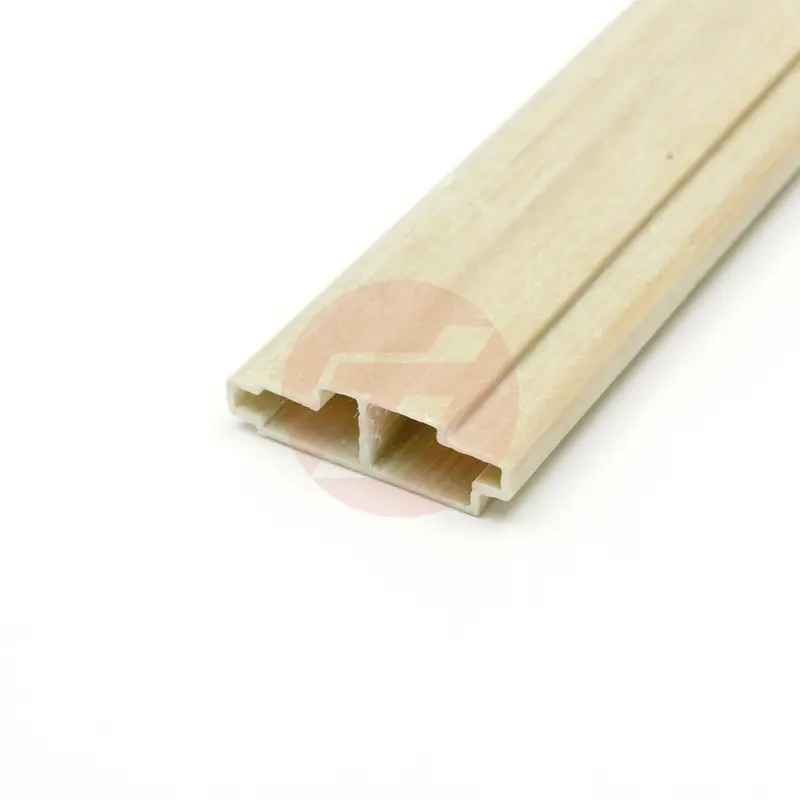
Choosing a pultrusion product manufacturer is a decision about more than whether a supplier can make a composite profile. A reliable pultrusion product manufacturer must translate drawings and operating requirements into repeatable production, while identifying risks in tooling, materials, process control, and quality before they disrupt a project.
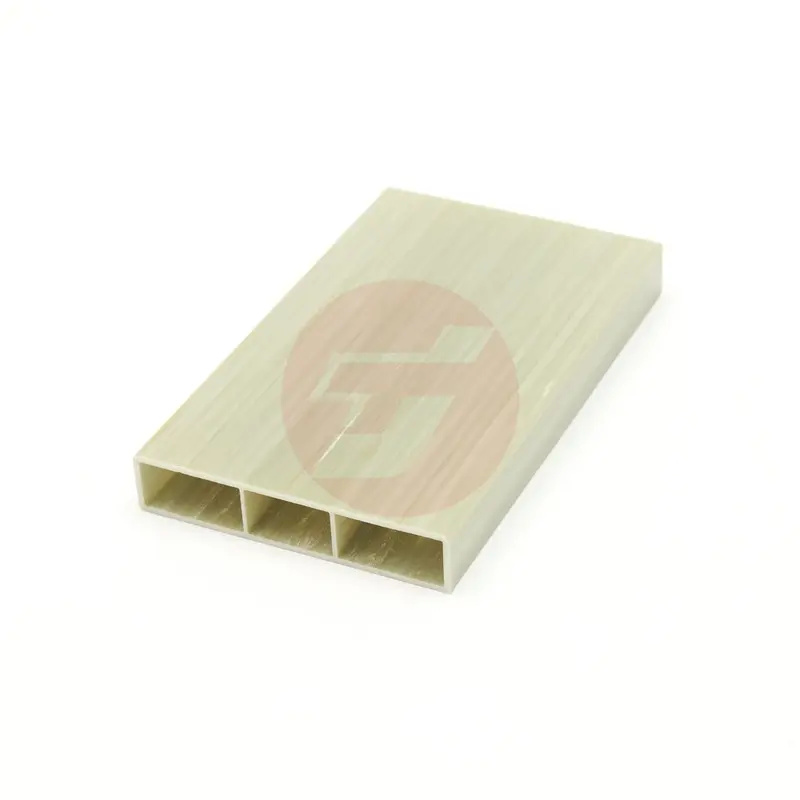
The key capabilities are visible in how a pultrusion product manufacturer handles engineering discussions, develops and maintains dies, stabilizes production, and verifies finished parts. Buyers assessing a pultrusion product manufacturer should look for evidence of a connected system, not isolated equipment or broad assurances. These capabilities matter when profiles must fit assemblies and perform consistently across ongoing orders.
Engineering capability from brief to profile
Turning application needs into workable specifications
A capable pultrusion product manufacturer starts by clarifying the application, load conditions, dimensions, environment, and assembly interfaces. A pultrusion product manufacturer should ask how the profile will be supported, fastened, cut, and exposed in service. Those questions help uncover whether a drawing leaves critical requirements open and give both sides a shared basis for technical decisions.
The pultrusion product manufacturer also needs to explain which requirements affect manufacturability. Wall thickness, cross-section geometry, tolerances, reinforcement placement, and surface expectations can influence die design and process stability. An experienced pultrusion product manufacturer records assumptions and proposed changes clearly, so engineering choices can be reviewed before they become tooling costs or production rework.
Designing tooling around the required section
A pultrusion product manufacturer with sound tooling knowledge considers the full cross-section rather than treating the die as a simple shape-cutting component. Die geometry, thermal behavior, resin flow, and reinforcement guidance interact. The pultrusion product manufacturer should be able to discuss these interactions in practical terms and explain how design decisions affect profile consistency and startup conditions.
Tooling capability also includes maintenance and revision planning. The pultrusion product manufacturer should define how die condition is checked, how wear or damage is handled, and how engineering changes are documented. When a project uses a dedicated mold, the pultrusion product manufacturer should connect mold decisions to the material system and intended profile, rather than treating the tool as a standalone purchase.
Controlled production and repeatable output
Managing materials and process conditions
A reliable pultrusion product manufacturer controls the inputs that influence profile quality, including reinforcement, resin, and other specified materials. The pultrusion product manufacturer should maintain suitable identification and handling practices, with traceability appropriate to the project. Clear controls help teams investigate variation and avoid confusing a material change with a process issue.
During production, a pultrusion product manufacturer needs defined operating conditions and trained operators who understand how changes can affect the profile. Pulling speed, heating conditions, resin behavior, and reinforcement alignment require coordinated attention. A pultrusion product manufacturer should explain which parameters are monitored, how deviations are escalated, and how approved adjustments are recorded for repeat orders.
Maintaining consistency across batches
Consistency is a core test of a pultrusion product manufacturer because customers usually need more than a successful first sample. The pultrusion product manufacturer should establish inspection points for dimensions, appearance, and other agreed characteristics. Sampling plans should reflect the part’s function and risk, rather than relying on a vague promise that every profile is checked.
A pultrusion product manufacturer should also be able to describe how nonconforming output is isolated and assessed. Records of process settings, inspection results, and corrective actions help determine whether a problem is local or recurring. For the buyer, a pultrusion product manufacturer that can explain this response provides a clearer basis for production planning and incoming quality decisions.
Quality systems and practical partnership
Verifying requirements with useful documentation
A capable pultrusion product manufacturer aligns inspection with the approved specification and intended use. The pultrusion product manufacturer should confirm which dimensions and characteristics are critical, how they are measured, and what documentation accompanies deliveries. This avoids late disagreements about acceptance criteria and ensures that inspection effort focuses on attributes that matter to assembly and service.
Documentation is most useful when it supports decisions, not when it merely adds paperwork. A pultrusion product manufacturer may provide inspection records, material identification, revision status, and change communication according to project needs. The pultrusion product manufacturer should make it possible to connect a delivered batch to the relevant requirements and production information when questions arise.
Communicating changes and supporting project continuity
A pultrusion product manufacturer becomes a stronger project partner when technical communication is timely and specific. Buyers should expect the pultrusion product manufacturer to flag design conflicts, clarify incomplete inputs, and explain the production implications of requested changes. Early discussion gives engineering and procurement teams a chance to assess cost, timing, and validation needs before committing to a revision.
Continuity also depends on how the pultrusion product manufacturer handles repeat orders, capacity discussions, and issue follow-up. The pultrusion product manufacturer should set realistic expectations, share relevant constraints, and retain an understanding of the approved configuration. These practices reduce avoidable surprises and help customers coordinate profile supply with their own assembly schedules.
FAQ
What should buyers ask during an initial technical review?
Ask how the pultrusion product manufacturer reviews drawings, identifies missing requirements, and confirms tooling assumptions. A pultrusion product manufacturer should also explain how samples are evaluated and which characteristics need customer approval. Specific answers reveal whether technical review is a defined process or an informal conversation.
How can a buyer assess production consistency?
Discuss inspection criteria, process monitoring, batch identification, and handling of deviations with the pultrusion product manufacturer. A pultrusion product manufacturer should describe the records available for repeat production and how corrective actions are verified. These details are more informative than a general statement about quality.
Does every project need custom tooling?
Not necessarily; suitability depends on the profile geometry, requirements, and available tooling options. A pultrusion product manufacturer should assess whether an existing solution can meet the specification or whether dedicated tooling is justified. The pultrusion product manufacturer should make the trade-offs clear before the buyer approves development costs.