
 EN
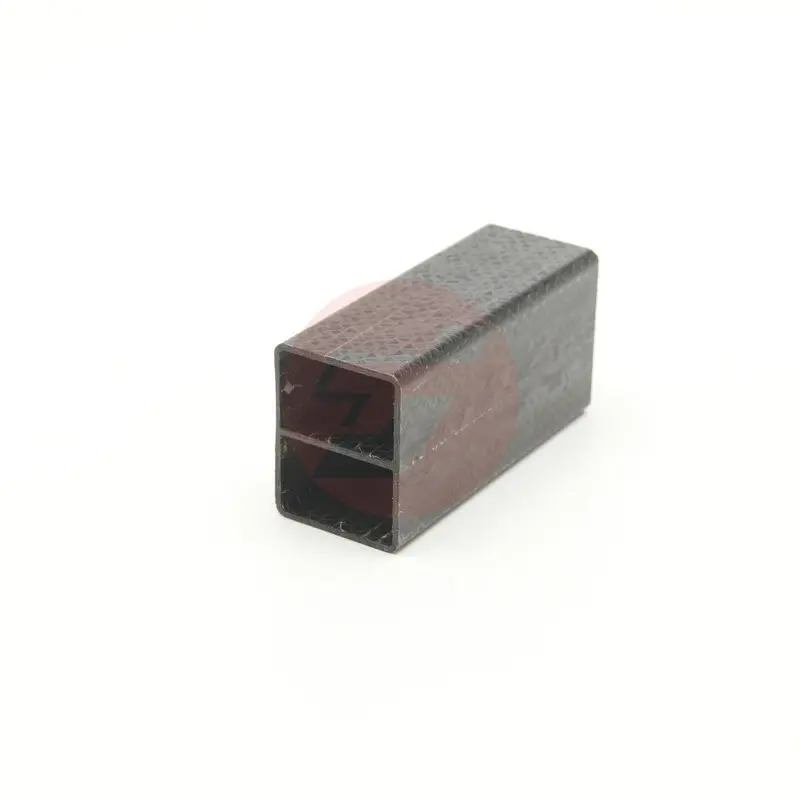
Industrial buyers often choose specialized pultrusion manufacturers because a pultruded profile is shaped by more than its drawing. Tool design, reinforcement placement, resin behavior, line settings, and inspection methods all affect whether a profile can be produced consistently. A specialist understands how these decisions connect, helping buyers evaluate feasibility before committing to a production plan. That process knowledge is especially valuable when a component must meet defined dimensions, load conditions, or assembly requirements.
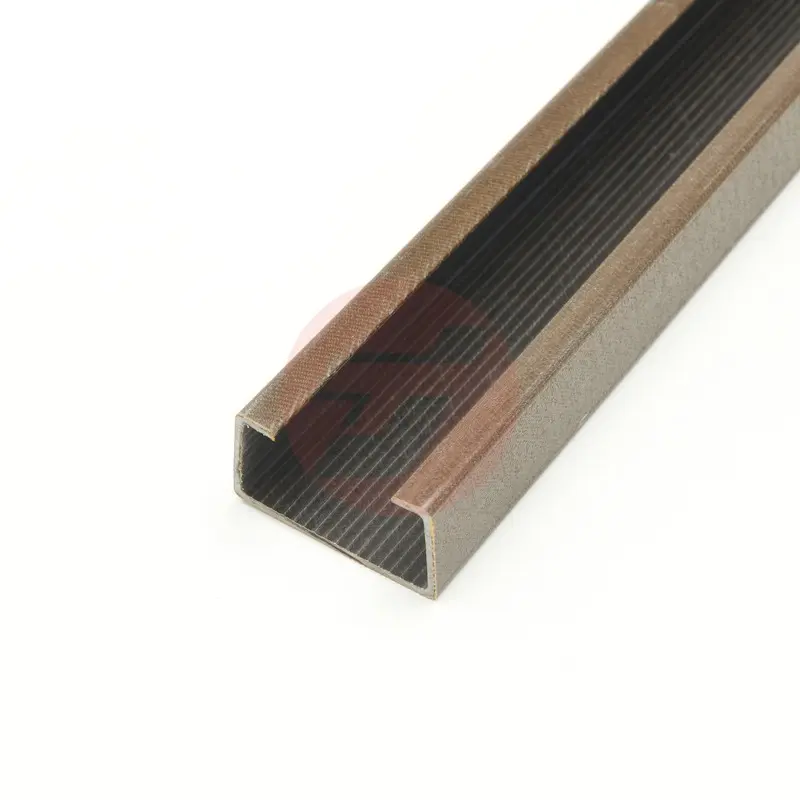
The preference is not simply for a company that owns a pultrusion line. Buyers look for specialized pultrusion manufacturers able to discuss material and tooling trade-offs, translate product requirements into process considerations, and flag risks early. This expertise can make communication more useful during development and support a clearer transition from prototype decisions to repeat production. Understanding the reasons behind that preference helps procurement and engineering teams assess what a specialist should contribute.
Process expertise reduces development uncertainty
Design decisions are linked to production conditions
Pultrusion draws continuous reinforcement through a resin system and a heated shaping die, so a profile’s geometry must work with the process. Specialized pultrusion manufacturers can review wall thickness, corners, reinforcement paths, and dimensional tolerances as connected design choices rather than isolated drawing details. Their feedback helps buyers see where a requested feature may complicate wet-out, pulling stability, or downstream cutting. Early discussion is useful because a design adjustment is usually easier to evaluate before tooling is finalized.
This production perspective matters when a buyer is adapting a metal, molded, or machined part into a composite profile. Specialized pultrusion manufacturers can help clarify which functions the profile must preserve and which features can be redesigned for a continuous process. The conversation may cover load direction, fastening points, surface expectations, and how the part interfaces with adjoining components. Those details help engineering teams distinguish essential requirements from habits carried over from an earlier material choice.
Tooling knowledge helps shape practical specifications
The die is central to profile shape and process stability, making tooling experience a major reason buyers consult specialists. Specialized pultrusion manufacturers can connect a cross-section’s complexity to die design, material flow, heating, and likely inspection needs. Buyers can use that input to refine specifications while preserving functional intent. A technical discussion about the die also helps teams understand which dimensions need close control and where a design may allow practical tolerance.
For a new profile, buyers may review specialized pultrusion manufacturers alongside tooling questions, material compatibility, and intended use. The useful outcome is not a generic assurance but a clearer set of assumptions to validate. Specialized pultrusion manufacturers can identify information still needed, such as expected service conditions or mating-part details. Resolving those gaps before a tool is committed can reduce avoidable redesign and alignment problems.
Specialization supports reliable production planning
Process controls connect samples with repeat runs
A sample that meets a requirement is only one part of a buyer’s decision; the production route must also be understood. Specialized pultrusion manufacturers can explain how reinforcement handling, resin preparation, die temperature, pulling speed, and cutting affect the process window. This context helps buyers ask how critical settings will be monitored and how changes will be assessed. It also makes discussions about capability more specific than a simple statement that a part can be made.
Specialized pultrusion manufacturers may also help define inspection points that reflect the profile’s function. Depending on the application, a review could consider dimensions, visible surface conditions, straightness, or other agreed characteristics. Buyers should clarify the measurement method and acceptance criteria rather than assume that every feature is checked in the same way. Clear expectations help procurement, quality, and engineering teams evaluate results against a shared specification.
Material and schedule decisions become more informed
Reinforcement and resin choices influence the profile’s design, processing, and suitability for its service environment. Specialized pultrusion manufacturers can discuss these choices in relation to requirements such as stiffness, exposure, electrical behavior, or finishing needs, without treating one material as universally appropriate. Buyers should provide realistic operating conditions and identify which properties are mandatory. That information supports a more focused technical review and avoids decisions based only on an incomplete product description.
Production planning also depends on the maturity of drawings, tooling status, sample approvals, and purchasing forecasts. Specialized pultrusion manufacturers can help buyers identify dependencies that need resolution before a planned release, such as confirming interfaces or agreeing on inspection documentation. This does not remove every schedule risk, but it makes the sequence more visible. A buyer can then coordinate internal approvals and communicate realistic expectations across project stakeholders.
Specialists improve coordination across the buying team
Technical communication clarifies responsibility
Industrial purchases often involve design engineering, quality, operations, and procurement, each with different concerns. Specialized pultrusion manufacturers can provide a shared technical point of discussion, helping the group connect a drawing requirement to tooling, process, and inspection implications. Buyers benefit when assumptions are documented and open questions have clear owners. This coordination is particularly useful when a profile is a new component or when several teams are approving its production readiness.
Specialized pultrusion manufacturers can also support more useful reviews of drawings and revisions. When a dimension, material note, or surface requirement changes, buyers should understand whether the change affects tooling or established process conditions. A controlled review helps prevent different versions from circulating between departments. It also gives the buyer a basis for deciding whether samples or additional checks are needed before the revised specification is released.
Application fit determines the value of a specialist
Specialist involvement is most valuable when the part has a demanding cross-section, meaningful dimensional constraints, application-specific material needs, or a new design that must be translated into a continuous process. Specialized pultrusion manufacturers can then contribute relevant questions before decisions become difficult to reverse. For a mature, uncomplicated profile, the buyer may need less development support, but process and quality expectations still deserve clear agreement. The right level of engagement depends on technical risk, not the label attached to a project.
Buyers should assess specialized pultrusion manufacturers through the quality of their technical questions, the clarity of their explanations, and their ability to discuss limitations as well as options. Useful conversations cover requirements, tooling assumptions, process controls, validation, and communication during changes. Procurement teams can involve engineering and quality early so that commercial decisions reflect production realities. This approach turns specialist knowledge into decision support rather than treating it as a substitute for the buyer’s own requirements.
FAQ
Why do buyers choose specialized pultrusion manufacturers?
Buyers choose specialized pultrusion manufacturers for process-specific design input, tooling knowledge, and clearer production discussions. That expertise helps teams assess whether a profile’s requirements align with the process and identify questions to resolve before production. The value is strongest when geometry, material selection, or application conditions make the project technically demanding.
When should a buyer involve a specialist?
Involve specialized pultrusion manufacturers while the design and specification can still be reviewed, rather than waiting until tooling decisions are fixed. Early input is useful for new profiles, revised materials, tight dimensional needs, and unclear application requirements. Buyers should share drawings, interfaces, service conditions, and acceptance criteria to make the discussion productive.
What should buyers discuss before approving production?
Ask specialized pultrusion manufacturers how the design relates to tooling, process conditions, inspection, and change control. Agree on critical dimensions, material requirements, sample approval, and how production results will be evaluated. Documenting these points gives engineering, quality, and procurement a consistent basis for authorizing the next stage.