
 EN
EN
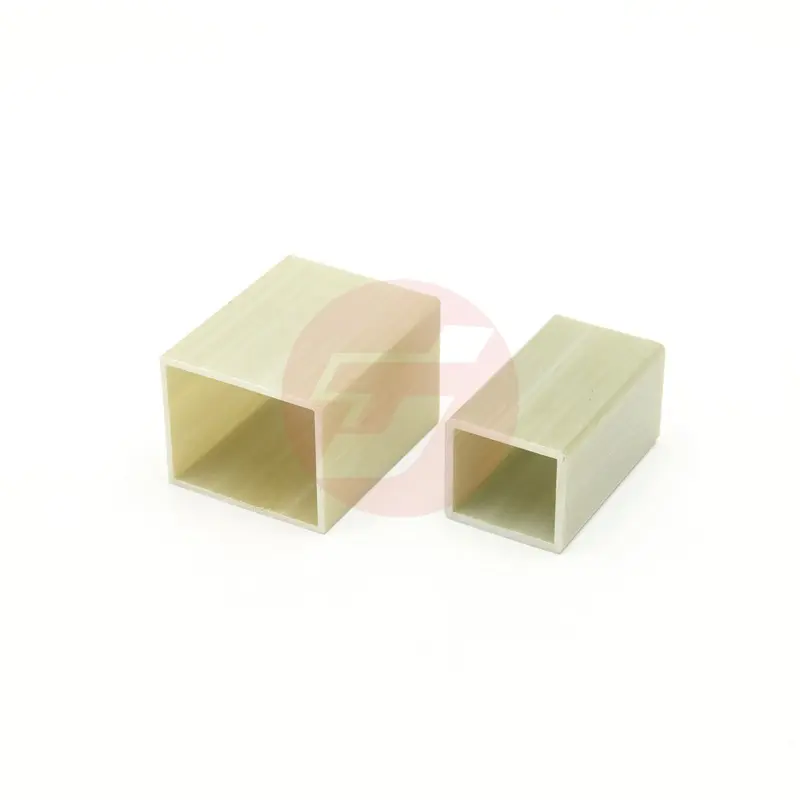
Selecting the right FRP pultrusion molds is one of the most critical decisions B2B buyers face in composite manufacturing. The quality, precision, and durability of your FRP pultrusion molds directly influence production efficiency, product consistency, and long-term operational costs. Organizations that rush this decision often encounter production delays, inconsistent part dimensions, surface defects, and premature mold deterioration. Understanding what to evaluate ensures your investment delivers reliable performance across thousands of production cycles.
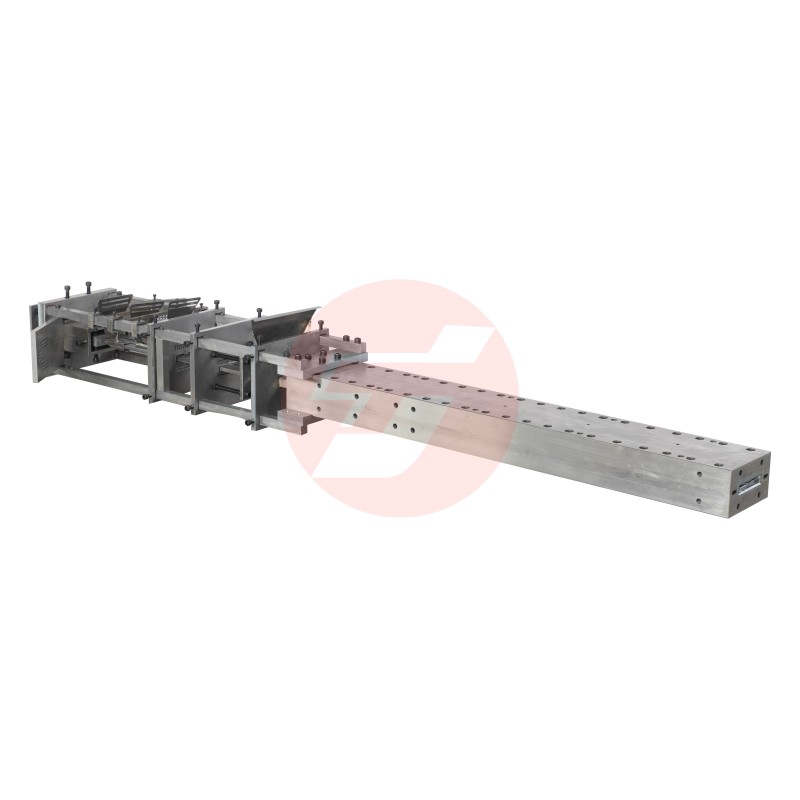
Buyers evaluating FRP pultrusion molds must balance material science, engineering precision, thermal management, and cost considerations. The selection process requires examining structural integrity, heat transfer capability, surface finish quality, and the mold manufacturer's technical expertise. This comprehensive guide walks you through the critical evaluation factors that separate high-performance FRP pultrusion molds from mediocre alternatives.
Material Quality and Composition
Resin System Performance
The resin matrix in FRP pultrusion molds determines dimensional stability and service life. High-quality epoxy or polyester resins offer superior mechanical strength and chemical resistance compared to lower-grade alternatives. When evaluating FRP pultrusion molds, verify that the resin system meets industrial standards and exhibits minimal shrinkage during curing. Molds with inconsistent resin formulation tend to warp under thermal cycling, causing dimensional drift that compromises part tolerances.
Reinforcement Structure and Fiber Orientation
The fiber reinforcement architecture within FRP pultrusion molds directly impacts load distribution and thermal performance. Unidirectional fiber alignment provides strength in specific directions, while multi-directional layup offers more balanced properties. Top-tier FRP pultrusion molds feature carefully engineered fiber orientation that minimizes residual stress and enhances dimensional consistency. Glass fiber density, strand count, and weave pattern all influence mold stiffness and thermal conductivity—critical for maintaining cavity geometry under production heat.
Design Precision and Manufacturing Tolerance
Cavity Geometry Accuracy
Precision cavity geometry is fundamental to consistent part production. FRP pultrusion molds with cavity tolerances of ±0.1 mm or tighter ensure that produced parts meet design specifications across repeated cycles. Buyers should request detailed dimensional drawings and tolerances from mold suppliers, then verify through coordinate measuring machine inspection. Poor cavity precision in FRP pultrusion molds cascades into out-of-spec parts, rework costs, and customer dissatisfaction. The initial investment in precision-engineered FRP pultrusion molds pays dividends through reduced scrap and faster first-article approval.
Surface Finish and Release Characteristics
The mold cavity surface finish directly affects part surface quality and demolding ease. High-quality FRP pultrusion molds typically feature polished surfaces with roughness values between Ra 0.4 and 1.6 micrometers. A smoother finish reduces demolding friction, minimizes part surface defects, and extends mold life by lowering wear rates. When selecting FRP pultrusion molds, ask manufacturers about their surface finishing process, post-cure polishing techniques, and release agent compatibility. Poor surface finish in FRP pultrusion molds requires aggressive demolding, which damages both the mold and the finished part.
Thermal Management and Performance Under Load
Heat Transfer and Temperature Control
Thermal stability directly determines mold life in high-speed pultrusion operations. FRP pultrusion molds must manage heat from friction, resin exothermic reactions, and heating zones without excessive temperature rise. The coefficient of thermal expansion and heat conductivity of FRP pultrusion molds influence dimensional stability during temperature cycling. Evaluate whether FRP pultrusion molds include cooling channels, thermal monitoring capabilities, or special formulations designed for thermal conductivity. Molds that overheat quickly experience accelerated resin degradation, cavity erosion, and dimensional drift that ruins production quality.
Mechanical Strength Under Pultrusion Pressure
Pultrusion processes exert significant longitudinal pressure, traction forces, and clamping loads on molds. Premium FRP pultrusion molds demonstrate flexural strength exceeding 200 MPa and compressive strength above 150 MPa to withstand these forces without permanent deformation. Inadequate mechanical strength in FRP pultrusion molds leads to cavity closure, creating undersized parts and excessive tension in the pultrusion line. Buyers should review material test certificates for flexural modulus, shear strength, and impact resistance before committing to FRP pultrusion molds from new suppliers. Dynamic load testing under simulated production conditions provides the most realistic performance data.
Durability and Total Cost of Ownership
Expected Service Life and Maintenance Requirements
Durability directly impacts the return on investment for FRP pultrusion molds. High-performance molds typically sustain 50,000 to 100,000+ production cycles before requiring significant maintenance or replacement. Evaluate the mold supplier's maintenance protocols, including cleaning intervals, release agent recommendations, and inspection schedules. FRP pultrusion molds with inferior durability may require replacement after only 10,000 to 20,000 cycles, dramatically increasing per-part manufacturing costs. Ask suppliers for case studies and references from existing customers using the same FRP pultrusion molds in similar production environments.
Repairability and Support Infrastructure
Long-term success with FRP pultrusion molds depends on reliable repair and technical support. Evaluate whether your mold supplier offers prompt repair services, spare cavity components, and technical consultation for troubleshooting. FRP pultrusion molds that cannot be economically repaired become liabilities. Confirm that the supplier maintains inventory of repair materials compatible with your specific FRP pultrusion molds formulation. Establish clear agreements on turnaround time for repairs and emergency technical support to minimize production downtime when issues arise.
FAQ
What material composition offers the best value for FRP pultrusion molds?
Epoxy resin systems combined with multi-directional glass fiber reinforcement typically provide the optimal balance of performance and cost for FRP pultrusion molds. Epoxy-based FRP pultrusion molds offer superior dimensional stability, thermal resistance, and durability compared to polyester alternatives. The fiber orientation should match your specific production requirements—higher-speed applications benefit from reinforced architectures that resist deformation.
How often should FRP pultrusion molds be replaced or serviced?
High-quality FRP pultrusion molds typically require major servicing every 20,000 to 30,000 cycles and replacement after 50,000 to 100,000 cycles, depending on production speed, material abrasiveness, and operating conditions. Establishing preventive maintenance schedules for your FRP pultrusion molds can extend service life significantly. Regular inspection for cavity wear, dimensional drift, and surface degradation helps catch problems early, preventing production failures.
Can FRP pultrusion molds handle extreme temperature environments?
Standard FRP pultrusion molds perform reliably up to approximately 120–140°C continuous operating temperature. Specialized FRP pultrusion molds formulated with advanced epoxy systems and thermal additives can withstand temperatures up to 160–180°C. For applications requiring higher temperature resistance, consult your mold supplier about custom formulations, though these typically command premium pricing and longer lead times.