
 EN
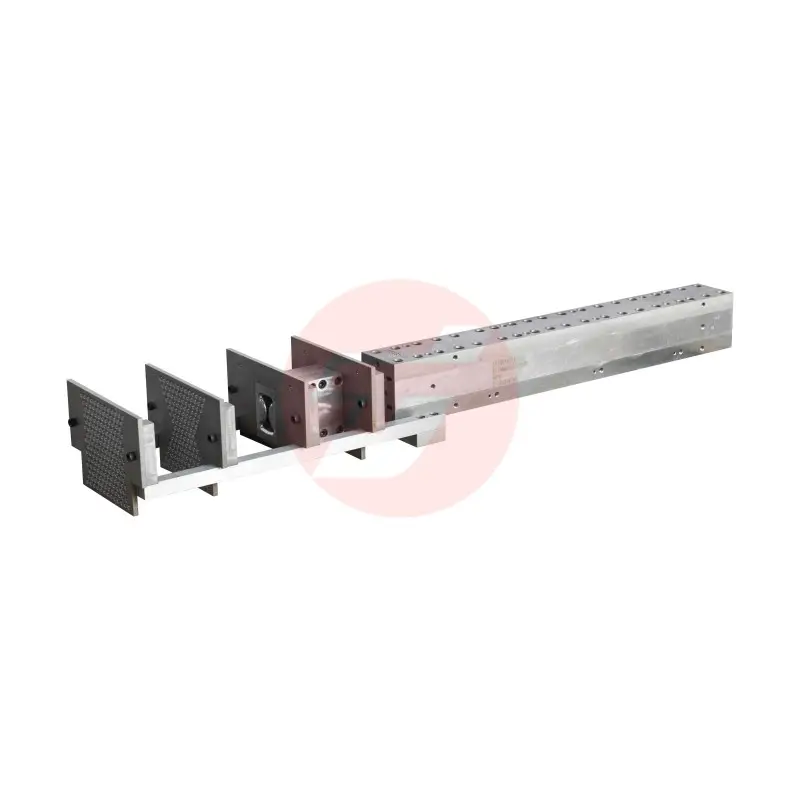
Epoxy pultrusion molds have become the backbone of modern composite manufacturing, particularly in industries where structural integrity and durability are non-negotiable. The widespread adoption of epoxy pultrusion molds across aerospace, automotive, and infrastructure sectors reflects a fundamental truth: these molds deliver consistent, reliable performance under extreme conditions. Understanding why epoxy pultrusion molds are preferred requires examining their unique material properties, manufacturing advantages, and long-term cost benefits.
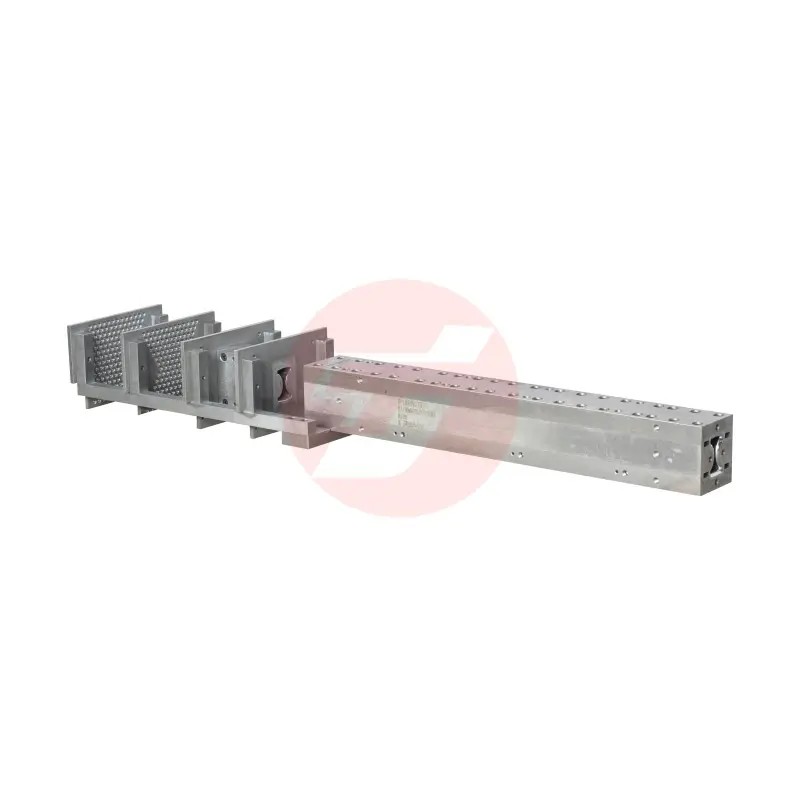
The preference for epoxy pultrusion molds in high-strength applications stems from their exceptional material characteristics and proven track record in demanding manufacturing environments. When composite manufacturers face pressure to produce components that withstand mechanical stress, thermal cycling, and chemical exposure, epoxy pultrusion molds consistently outperform alternative tooling materials. This article explores the technical and commercial reasons behind the dominance of epoxy pultrusion molds in industries where failure is simply not an option.
Superior Material Properties of Epoxy Pultrusion Molds
Mechanical Strength and Dimensional Stability
Epoxy pultrusion molds exhibit outstanding mechanical strength that directly translates into higher production quality and longer mold service life. The inherent rigidity of epoxy composite formulations ensures that molds maintain precise dimensional tolerances throughout extended production runs, a critical factor when manufacturing components with tight tolerances. Unlike traditional metallic molds that can experience creep or permanent deformation under sustained pressure, epoxy pultrusion molds resist shape change and maintain consistent part geometry, reducing scrap rates and rework costs.
The fiber reinforcement within epoxy pultrusion molds provides unidirectional or multidirectional strength, allowing engineers to optimize mold design for specific load paths and stress distributions. This tailored reinforcement capability means that epoxy pultrusion molds can be engineered to match the exact demands of each production application, whereas off-the-shelf metal molds often represent a compromise between cost and performance. High-strength applications benefit significantly from this customization, as epoxy pultrusion molds can be designed with localized thickness variations and reinforcement patterns that enhance durability in stress concentration areas.
Thermal and Chemical Resistance
Epoxy pultrusion molds deliver exceptional thermal stability across the temperature ranges encountered in modern composite manufacturing, including high-temperature resin curing processes and thermal cycling during production. The glass transition temperature of modern epoxy formulations typically exceeds 120°C, and advanced epoxy pultrusion molds can maintain structural integrity at even higher temperatures when specifically formulated for demanding applications. This thermal resistance prevents the dimensional drift and performance degradation that plagues lower-quality mold materials, ensuring consistent part quality throughout production campaigns.
Chemical compatibility is another critical advantage of epoxy pultrusion molds in high-strength applications. These molds resist degradation from exposure to various resin systems, solvents, release agents, and cleaning compounds commonly used in composite manufacturing. The chemical inertness of epoxy pultrusion molds extends mold lifespan significantly and eliminates the surface degradation and contamination issues that can compromise part quality when using less resistant tooling materials. This resistance also simplifies maintenance protocols and reduces unplanned downtime due to mold surface deterioration.
Manufacturing Efficiency and Cost Advantages
Reduced Tooling Lead Times and Costs
The production timeline for epoxy pultrusion molds is substantially shorter than the lead time required for comparable metal tooling, making epoxy pultrusion molds the practical choice for time-sensitive manufacturing programs. Manufacturers can move from design concept to production-ready epoxy pultrusion molds in weeks rather than months, accelerating time-to-market for new composite products and reducing project costs. This rapid manufacturing capability of epoxy pultrusion molds is particularly valuable in industries where product development cycles are compressed and market windows are narrow, such as aerospace and renewable energy sectors.
Initial tooling investment for epoxy pultrusion molds represents a fraction of the cost of equivalent metal molds, which require expensive machining, precision grinding, and heat treatment processes. For companies manufacturing composite products in mid-to-high volumes but not at ultra-high-volume levels, epoxy pultrusion molds provide the optimal balance between tooling cost and long-term economic performance. The lower capital requirement for epoxy pultrusion molds also enables manufacturers to justify multiple tooling options and design variations that would be prohibitively expensive with metal molds.
Extended Mold Life and Production Value
Despite their lower initial cost, modern epoxy pultrusion molds deliver exceptional longevity, often producing tens of thousands of parts before requiring replacement or major refurbishment. This extended service life of epoxy pultrusion molds dramatically improves the cost-per-part economics over the mold's operational lifetime. The durability of epoxy pultrusion molds becomes increasingly apparent when manufacturers track mold maintenance costs, part scrap rates, and dimensional stability across extended production campaigns, revealing superior total-cost-of-ownership compared to alternative tooling approaches.
The inherent design flexibility of epoxy pultrusion molds enables cost-effective repairs and localized refurbishment without requiring complete mold replacement. Surface wear, minor damage, or changes to mold specifications can be addressed through targeted epoxy composite repairs or strategic reinforcement additions, extending the productive life of epoxy pultrusion molds beyond what would be economically feasible with rigid metal tooling. This repairability advantage contributes significantly to the long-term value proposition of epoxy pultrusion molds in high-strength applications.
Industry Applications and Structural Advantages
Aerospace and Defense Requirements
Aerospace manufacturers depend on epoxy pultrusion molds to consistently produce lightweight composite structures that meet stringent performance specifications for aircraft fuselage sections, wing components, and control surfaces. The precise geometry and surface finish achievable with epoxy pultrusion molds directly influence aerodynamic performance and structural efficiency of final composite parts. Epoxy pultrusion molds enable manufacturers to produce hollow composite sections with optimized wall thickness and reinforcement placement, maximizing strength-to-weight ratios that are critical for aviation applications.
Defense applications impose extreme performance requirements that make the reliability and consistency of epoxy pultrusion molds invaluable for producing armored structures, pressure vessels, and specialized composite components for military systems. Epoxy pultrusion molds manufactured to aerospace and defense specifications ensure that every produced part meets exact dimensional, material, and performance criteria, eliminating variables that could compromise mission success or operator safety.
Automotive and Infrastructure Applications
The automotive industry leverages epoxy pultrusion molds to manufacture body panels, chassis components, and structural reinforcements that must balance weight reduction with crash safety and durability requirements. Epoxy pultrusion molds enable cost-effective production of composite automotive parts at volumes that make sense for OEM manufacturing programs while maintaining the geometric precision necessary for assembly integration. The environmental and chemical resistance of epoxy pultrusion molds ensures that produced automotive components remain stable throughout their service life, exposed to fuels, oils, temperature extremes, and UV radiation.
Infrastructure and renewable energy sectors utilize epoxy pultrusion molds to produce wind turbine blades, electrical transmission components, bridge reinforcement elements, and structural members that must withstand decades of environmental exposure and mechanical stress. Epoxy pultrusion molds designed for these applications ensure that manufactured composite structures maintain their performance characteristics across extreme temperature ranges, UV exposure, and high mechanical loading, making them the preferred tooling choice for infrastructure applications requiring multi-decade service life.
FAQ
What makes epoxy pultrusion molds superior to metal molds for high-strength composite production?
Epoxy pultrusion molds offer superior combination of lower initial cost, faster manufacturing time, exceptional durability, and chemical resistance compared to metal molds. The dimensional stability of epoxy pultrusion molds under sustained production loads, combined with their ability to be rapidly repaired or refurbished, delivers superior lifetime value in high-strength applications. Additionally, epoxy pultrusion molds can be engineered with customized reinforcement patterns that optimize performance for specific application requirements, providing flexibility that metal molds cannot match.
How long do epoxy pultrusion molds typically last in production?
High-quality epoxy pultrusion molds can produce tens of thousands of composite parts while maintaining dimensional accuracy and surface quality, with service life depending on resin chemistry, mold complexity, and production intensity. Many manufacturers report that well-maintained epoxy pultrusion molds remain production-ready for five to ten years or longer, particularly when routine maintenance and surface care protocols are followed consistently. The repairability of epoxy pultrusion molds means they can often be economically refurbished and returned to service rather than replaced, further extending their productive lifespan.
Are epoxy pultrusion molds suitable for high-volume production environments?
Epoxy pultrusion molds are highly suitable for high-volume production environments where they consistently deliver excellent part quality and dimensional stability across extended production runs. The durability and consistency of epoxy pultrusion molds make them ideal for high-strength applications requiring thousands or tens of thousands of identical parts, while their lower cost compared to metal tooling makes multi-cavity designs economically practical. For ultra-high-volume production exceeding hundreds of thousands of identical parts annually, metal molds may offer marginal advantages, but epoxy pultrusion molds remain competitive even in high-volume scenarios.