 EN
EN
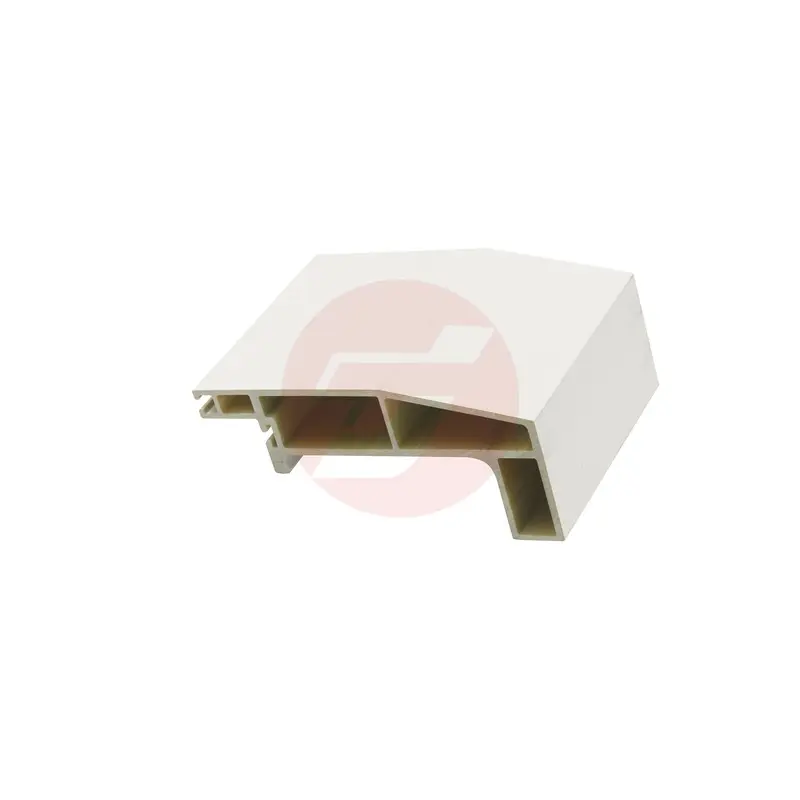
Epoxy pultruded profiles represent a revolutionary advancement in composite material technology, delivering exceptional performance characteristics that surpass traditional materials in countless industrial applications. These engineered composites combine the superior mechanical properties of epoxy resin with the structural efficiency of continuous fiber reinforcement, creating profiles that exhibit remarkable strength-to-weight ratios and dimensional stability. Manufacturing industries worldwide are increasingly adopting epoxy pultruded profiles to meet demanding performance requirements while reducing overall system weight and maintenance costs.
Advanced Material Composition and Manufacturing Process
Epoxy Resin Matrix Properties
The foundation of high-performance epoxy pultruded profiles lies in their sophisticated resin matrix system, which provides exceptional chemical resistance and thermal stability. Epoxy resins exhibit superior adhesion properties compared to polyester alternatives, ensuring optimal fiber-matrix bonding that translates directly into enhanced mechanical performance. This advanced resin system maintains structural integrity across wide temperature ranges, making these profiles suitable for demanding applications in aerospace, marine, and industrial environments where thermal cycling is common.
Modern epoxy formulations incorporate flame-retardant additives and UV stabilizers to extend service life and comply with stringent safety regulations. The cross-linked molecular structure of cured epoxy provides excellent dimensional stability, preventing warping and distortion under load conditions that would compromise lesser materials. These characteristics make epoxy pultruded profiles particularly valuable in precision applications where dimensional tolerances must be maintained over extended operational periods.
Continuous Fiber Reinforcement Systems
The pultrusion manufacturing process enables precise placement of continuous fiber reinforcements, typically consisting of glass, carbon, or aramid fibers arranged in optimized orientations. This controlled fiber architecture allows engineers to tailor the mechanical properties of epoxy pultruded profiles to specific loading conditions and performance requirements. The continuous nature of these reinforcements eliminates weak points typically associated with chopped fiber systems, resulting in consistent strength characteristics throughout the entire profile length.
Strategic fiber placement during pultrusion enables the creation of profiles with directional properties optimized for specific load paths. Primary structural fibers align with the pultrusion direction to maximize tensile and flexural strength, while transverse fibers and fabric layers provide shear resistance and dimensional stability. This engineered approach to fiber placement delivers performance characteristics that rival metal alternatives while maintaining the inherent advantages of composite materials.
Exceptional Mechanical Performance Characteristics
Superior Strength-to-Weight Ratio
One of the most compelling advantages of epoxy pultruded profiles is their outstanding strength-to-weight ratio, which typically exceeds steel by a factor of three to five depending on the specific configuration. This exceptional characteristic enables significant weight reduction in structural applications without compromising load-carrying capacity. In transportation applications, this weight reduction translates directly into improved fuel efficiency and increased payload capacity, making epoxy pultruded profiles an economically attractive alternative to traditional materials.
The high specific strength of these profiles stems from the efficient utilization of continuous fiber reinforcements within the lightweight epoxy matrix. Unlike metals, where strength is limited by the base material properties, epoxy pultruded profiles can be engineered with fiber volumes up to 70%, maximizing the contribution of high-strength reinforcements. This design flexibility allows manufacturers to optimize profiles for specific applications, achieving performance targets that would be impossible with conventional materials.
Outstanding Fatigue Resistance
Epoxy pultruded profiles demonstrate exceptional fatigue resistance compared to metallic alternatives, maintaining structural integrity through millions of load cycles without degradation. This superior fatigue performance results from the viscoelastic properties of the epoxy matrix, which effectively dissipates cyclic stress concentrations that would otherwise propagate cracks in brittle materials. The fiber-matrix interface in properly manufactured profiles remains stable under repeated loading, preventing delamination and maintaining load transfer efficiency throughout the service life.
Dynamic loading applications particularly benefit from the inherent damping characteristics of epoxy pultruded profiles, which reduce vibration amplitudes and associated stress concentrations. This damping capability extends component life in rotating machinery, transportation systems, and structures subject to wind or seismic loading. The absence of work hardening effects common in metals ensures that mechanical properties remain consistent throughout the operational life of the profile.
Chemical and Environmental Resistance
Corrosion Immunity and Chemical Compatibility
Unlike metallic materials, epoxy pultruded profiles exhibit complete immunity to electrochemical corrosion, eliminating the need for protective coatings and associated maintenance requirements. This corrosion resistance extends to aggressive chemical environments including acids, bases, and organic solvents commonly encountered in processing industries. The non-conductive nature of these profiles prevents galvanic corrosion when used in contact with dissimilar metals, simplifying system design and reducing maintenance complexity.
Chemical processing applications particularly benefit from the broad chemical compatibility of epoxy pultruded profiles, which maintain structural integrity in environments that would rapidly degrade metallic alternatives. The barrier properties of the epoxy matrix prevent chemical penetration into the reinforcing fibers, ensuring long-term durability in chemically aggressive environments. This chemical resistance extends the service life of equipment and reduces replacement costs compared to traditional materials requiring frequent renewal due to corrosion damage.
UV and Weather Resistance
Modern epoxy pultruded profiles incorporate advanced UV stabilization systems that maintain mechanical properties and appearance under prolonged solar exposure. These stabilization systems prevent polymer degradation that would otherwise lead to surface chalking, color change, and eventual property deterioration. The inherent weather resistance of properly formulated profiles eliminates the need for protective coatings in many outdoor applications, reducing initial costs and ongoing maintenance requirements.
The dimensional stability of epoxy pultruded profiles under thermal cycling conditions surpasses most alternative materials, preventing the expansion and contraction cycles that contribute to joint failure and system distortion. This stability is particularly valuable in architectural applications where precise dimensional control must be maintained across seasonal temperature variations. The low coefficient of thermal expansion ensures compatibility with other building materials and prevents stress concentrations at connection points.
Design Flexibility and Manufacturing Advantages
Complex Cross-Sectional Geometries
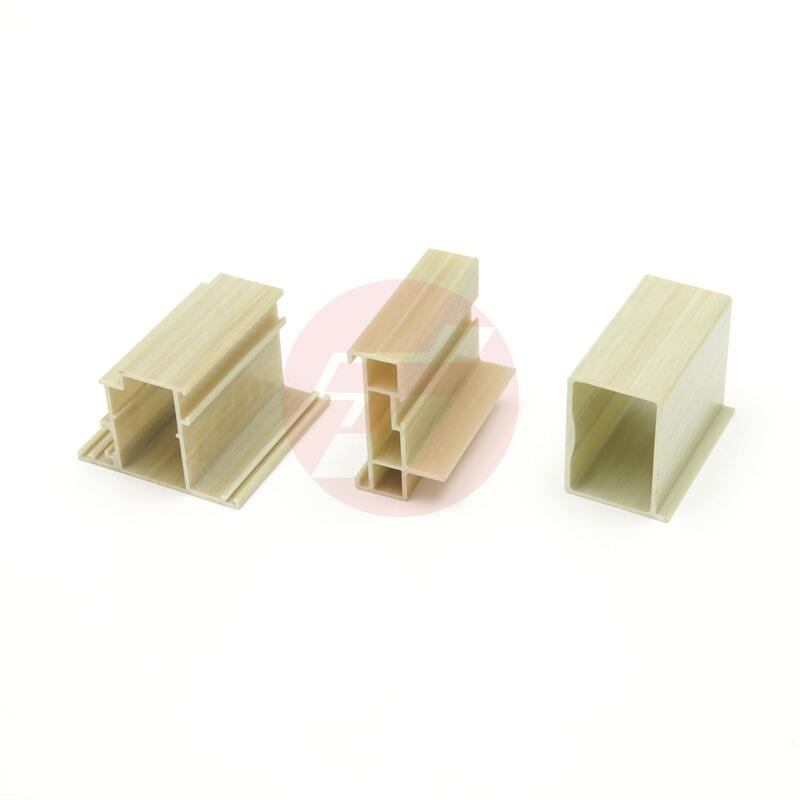
The pultrusion process enables the manufacture of epoxy pultruded profiles with complex cross-sectional geometries that would be difficult or impossible to achieve with traditional manufacturing methods. These optimized shapes can incorporate structural features such as integral stiffening ribs, mounting flanges, and service passages that eliminate the need for secondary assembly operations. The ability to produce near-net-shape profiles reduces material waste and manufacturing costs while improving structural efficiency through optimized load paths.
Design engineers can specify wall thickness variations, hollow sections, and integral attachment points that optimize structural performance for specific applications. This geometric flexibility extends to the incorporation of metal inserts during the pultrusion process, creating hybrid profiles that combine the corrosion resistance of composites with the mechanical properties of metals at critical connection points. Such design integration capabilities make epoxy pultruded profiles particularly attractive for applications requiring complex structural geometries with minimal part count.
Consistent Quality and Dimensional Accuracy
The controlled nature of the pultrusion manufacturing process ensures consistent quality and dimensional accuracy throughout long production runs of epoxy pultruded profiles. Automated process control systems monitor temperature, pressure, and pull speed to maintain optimal curing conditions and prevent defects that could compromise performance. This manufacturing consistency enables designers to specify tight tolerances and rely on predictable material properties for critical applications.
Quality assurance systems integrated into modern pultrusion lines provide real-time monitoring of key process parameters and finished product characteristics. Non-destructive testing methods verify fiber content, void levels, and cure state to ensure each profile meets specified performance requirements. This level of quality control exceeds what is typically achievable with manual composite manufacturing processes and approaches the consistency standards established for metallic materials.
Economic and Operational Benefits
Reduced Maintenance and Life-Cycle Costs
The superior durability of epoxy pultruded profiles translates into significant reductions in maintenance costs and system downtime compared to traditional materials. The elimination of corrosion protection requirements removes the need for periodic coating renewal, sandblasting, and associated labor costs. This maintenance reduction is particularly valuable in remote or difficult-to-access installations where service activities are expensive and disruptive to operations.
Life-cycle cost analyses consistently demonstrate the economic advantages of epoxy pultruded profiles despite higher initial material costs. The extended service life, reduced maintenance requirements, and elimination of corrosion-related failures provide return on investment that improves over time. Insurance costs may also be reduced due to the fire-retardant properties available in specialized formulations and the reduced risk of catastrophic failure associated with corrosion damage.
Installation and Handling Advantages
The lightweight nature of epoxy pultruded profiles significantly reduces installation costs and complexity, particularly in applications where crane capacity or access limitations constrain the use of heavier materials. Workers can handle longer sections manually, reducing the need for mechanical lifting equipment and associated safety risks. The dimensional stability of these profiles ensures proper fit-up during assembly, reducing installation time and the potential for costly field modifications.
Machining and fabrication operations on epoxy pultruded profiles require conventional woodworking or metalworking tools, eliminating the need for specialized equipment or training. Standard drilling, cutting, and routing operations produce clean, precise results without delamination or fiber damage when proper techniques are employed. This fabrication compatibility reduces project complexity and enables the use of existing manufacturing capabilities without significant capital investment.
Application-Specific Performance Advantages
Infrastructure and Construction Applications
In infrastructure applications, epoxy pultruded profiles provide exceptional performance in bridge construction, building facades, and industrial platforms where corrosion resistance and structural efficiency are paramount. The electromagnetic transparency of these profiles makes them ideal for applications near sensitive electronic equipment or communication systems where metallic structures would cause interference. This property is particularly valuable in radar installations, telecommunications facilities, and medical imaging environments.
The fire-retardant characteristics available in specialized formulations of epoxy pultruded profiles enable their use in building applications where flame spread and smoke generation must be controlled. These profiles can achieve building code requirements for flame resistance while maintaining structural properties, enabling their use in egress paths and fire-rated assemblies. The low thermal conductivity also provides insulation benefits that can contribute to energy efficiency in building envelope applications.
Marine and Offshore Environments
Marine applications particularly benefit from the saltwater resistance and buoyancy characteristics of epoxy pultruded profiles, which maintain structural integrity in environments that rapidly degrade metallic alternatives. The smooth surface finish achievable with pultrusion reduces marine growth attachment and simplifies cleaning operations. These profiles are increasingly used in offshore platforms, marine vessels, and port facilities where the combination of structural performance and corrosion resistance provides operational advantages.
The dimensional stability of epoxy pultruded profiles under varying moisture conditions prevents the swelling and distortion common in natural materials used in marine construction. This stability is particularly important in precision applications such as instrument mounts, antenna supports, and navigation equipment where dimensional changes could affect operational performance. The resistance to osmotic blistering common in marine composite applications ensures long-term structural integrity below the waterline.
FAQ
What makes epoxy pultruded profiles superior to fiberglass alternatives
Epoxy pultruded profiles offer superior mechanical properties compared to polyester-based fiberglass profiles due to the enhanced adhesion characteristics and higher temperature resistance of epoxy resin systems. The epoxy matrix provides better fiber-resin bonding, resulting in more efficient load transfer and higher strength values. Additionally, epoxy profiles exhibit lower water absorption and better long-term durability in challenging environmental conditions, making them the preferred choice for critical structural applications.
How do manufacturing tolerances compare to traditional materials
The pultrusion manufacturing process for epoxy pultruded profiles achieves dimensional tolerances comparable to extruded aluminum profiles, typically within ±0.005 inches for critical dimensions. The controlled heating and curing environment maintains consistent cross-sectional geometry throughout long production runs. This precision eliminates the dimensional variations common in hand-laid composite processes and enables direct substitution for metallic profiles in applications requiring tight tolerances.
What design considerations are important for structural applications
Structural design with epoxy pultruded profiles requires consideration of their orthotropic properties, where strength and stiffness vary with direction relative to fiber orientation. Designers must account for the higher strength in the pultrusion direction compared to transverse properties when specifying connection details and load paths. Proper connection design is critical, as the composite material cannot be welded like metals and requires mechanical fasteners or bonded joints designed for composite materials.
How do environmental factors affect long-term performance
Environmental factors such as temperature, moisture, and UV exposure have minimal impact on properly formulated epoxy pultruded profiles when appropriate material grades are selected for specific conditions. High-temperature formulations maintain properties up to 300°F, while UV-stabilized grades prevent degradation under continuous solar exposure. Moisture absorption is typically less than 0.5% by weight, having negligible effect on mechanical properties, unlike natural materials that can degrade significantly with moisture exposure.