
 EN
EN
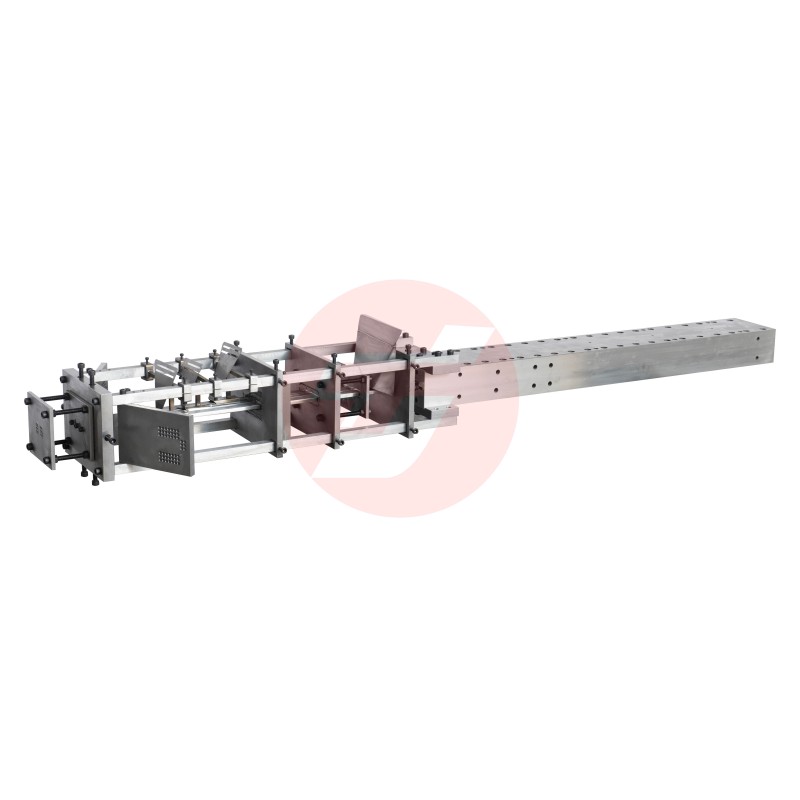
Energy efficiency has become a critical priority in modern construction and building renovation projects. Building owners, architects, and contractors increasingly recognize that high-performance door and window systems directly influence operational costs, occupant comfort, and environmental impact. Polyurethane door and window molds play a foundational role in this energy-efficient transition by enabling the production of frames and profiles that meet rigorous thermal performance standards. Understanding how polyurethane door and window molds support energy-efficient projects reveals why they are essential components in contemporary sustainable building design.
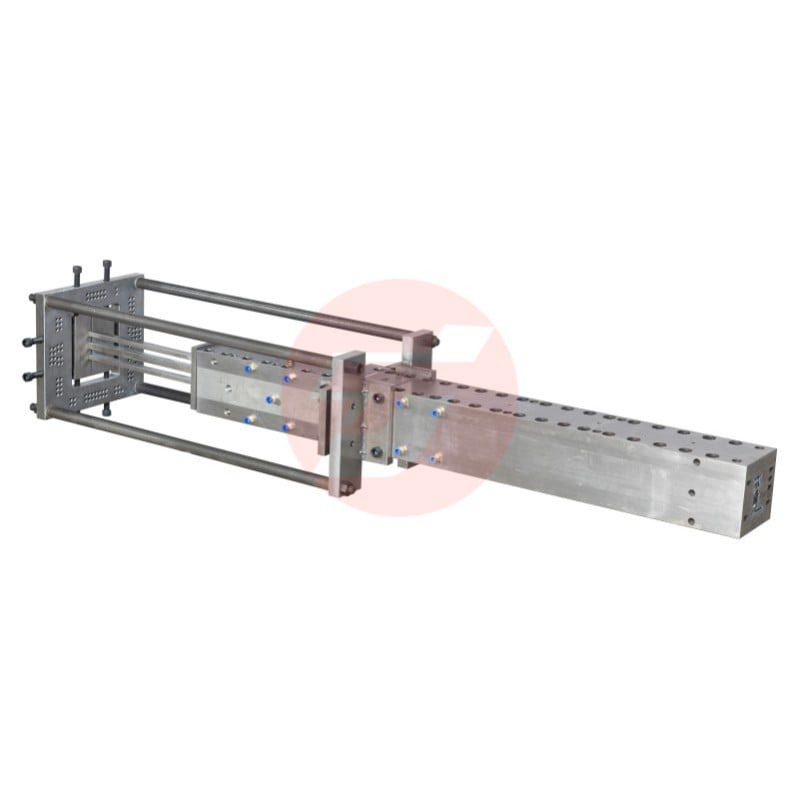
The manufacturing landscape for window and door components has evolved significantly over the past decade. Modern projects demand components that balance aesthetic appeal, structural durability, and thermal performance. Polyurethane door and window molds deliver all three qualities by creating frames with superior insulation characteristics. The material properties inherent to polyurethane-based production systems allow manufacturers to develop profile geometries that minimize thermal bridging, reduce air infiltration, and support multi-chambered frame designs. This technical capability directly translates to measurable energy savings for building owners and occupants.
Thermal Performance and Insulation Capabilities
How Polyurethane Door and Window Molds Reduce Heat Transfer
Thermal bridging—the direct transfer of heat through conductive material pathways—represents one of the largest sources of energy loss in buildings. Polyurethane door and window molds address this challenge by enabling frame designs that incorporate thermal breaks and low-conductivity chambers. The mold geometry dictates the cross-sectional profile of the resulting frame, and manufacturers using polyurethane door and window molds can specify complex, multi-chamber configurations that interrupt heat pathways. When thermal breaks are integrated into the frame design during molding, the finished product maintains significantly lower U-values, meaning less heat escapes during winter months and less solar gain enters during summer months.
The precision of polyurethane door and window molds ensures consistent cavity depths, wall thicknesses, and chamber spacing across every production run. This consistency is critical because even minor deviations in frame geometry can reduce insulation effectiveness. Manufacturers producing frames with polyurethane door and window molds report that their components routinely achieve U-values below 0.25 W/m²K, which qualifies as 'passive house' performance in many European markets. For projects targeting net-zero energy or regenerative building certifications, these performance metrics are often prerequisites.
Material Composition and Structural Integrity
Polyurethane door and window molds produce frames that maintain structural strength while incorporating the low-conductivity chambers necessary for thermal performance. The material characteristics of polyurethane-manufactured profiles allow for thin-wall sections that reduce material volume without compromising durability. This efficiency benefits both manufacturers and building owners—production costs remain competitive while the finished frames deliver superior performance. Polyurethane door and window molds also enable the integration of reinforcement strategies, such as steel inserts or fiberglass cores, that enhance rigidity in high-wind or heavy-traffic applications.
The surface finish produced by polyurethane door and window molds consistently meets aesthetic and weatherability requirements. Energy-efficient windows and doors must resist UV degradation, moisture infiltration, and thermal cycling stress. Profiles molded using polyurethane door and window molds maintain dimensional stability across temperature ranges from -40°C to +80°C, ensuring long-term performance in demanding climates. This reliability reduces maintenance costs and extends component lifespan, amplifying the return on investment for energy-efficient projects.
Manufacturing Precision and Quality Control
Consistency in Production and Dimensional Accuracy
Manufacturing precision directly impacts how effectively window and door systems perform in the field. Polyurethane door and window molds produce frames with tolerances typically held within ±0.5 mm across critical dimensions. This level of consistency ensures that frames fit properly into rough openings, seals perform as designed, and thermal performance meets specification. When polyurethane door and window molds are maintained according to best practices, batch-to-batch variation remains minimal, allowing architects and building scientists to confidently specify frame components knowing that installed performance will match design assumptions.
Quality control systems integrated into production lines using polyurethane door and window molds employ real-time monitoring of cavity pressure, mold temperature, and cooling cycles. These parameters directly influence the final profile geometry and insulation effectiveness. Manufacturers investing in advanced mold management report rejection rates below 2% for thermal performance criteria, compared to historical industry averages near 5%. This precision manufacturing reduces waste, improves project timelines, and supports energy-efficient project budgets.
Customization and Design Flexibility
Energy-efficient projects often require frame profiles tailored to specific architectural aesthetics, glazing systems, or structural requirements. Polyurethane door and window molds offer significant design flexibility compared to legacy manufacturing methods. Custom cavity arrangements, specialized thermal-break geometries, and integrated hardware provisions can be incorporated into mold designs without substantial cost penalties. This adaptability enables architects to pursue innovative facade designs while maintaining thermal performance standards. Projects requiring curved, sloped, or non-rectangular frame profiles benefit particularly from the geometric freedom that polyurethane door and window molds provide.
The development timeline for polyurethane door and window molds typically spans 6–12 weeks from design approval to first production run, significantly faster than traditional mold manufacturing. For projects with accelerated timelines or evolving specifications, this speed-to-market advantage represents meaningful project value. Manufacturers can iterate on thermal performance simulations, validate chamber geometries through computational fluid dynamics analysis, and optimize designs before committing to final production molds.
Project Application and Energy Performance Outcomes
Integration into Commercial and Residential Projects
Polyurethane door and window molds have become standard in high-performance building projects across commercial, residential, and institutional sectors. Office buildings targeting LEED Platinum or Living Building Challenge certifications routinely specify frames manufactured using polyurethane door and window molds. These projects report energy savings of 15–25% attributable to improved window and door thermal performance compared to conventional products. Residential renovation projects in climate zones 5–7 (cold climates) consistently document payback periods of 8–12 years when upgrading to high-performance frames produced by polyurethane door and window molds.
Data from completed projects demonstrates that polyurethane door and window molds support achievement of aggressive energy targets without requiring compromises in design expression or occupant experience. Mixed-use developments in northern Europe, Canada, and the upper United States have validated that frames produced using polyurethane door and window molds contribute meaningfully to building energy performance, comfort, and marketability. Project teams report reduced complaints related to condensation, drafts, or thermal discomfort when specifying components manufactured with polyurethane door and window molds.
Compatibility with Advanced Glazing and Building Technologies
Modern energy-efficient projects frequently integrate advanced glazing systems, such as triple-glazed units with low-emissivity coatings and argon fills, alongside smart glass technologies or automated shading systems. Polyurethane door and window molds accommodate these innovations by supporting frame depths and cavity arrangements that house heavier glazing units, electronics, and integration hardware. The structural capabilities of profiles produced using polyurethane door and window molds ensure that advanced glazing systems perform reliably over decades without frame deflection or seal failures.
Air-tightness—the resistance to uncontrolled air leakage—represents another critical energy performance metric where polyurethane door and window molds contribute significantly. Frame designs incorporating multiple compression seals, gasket channels, and overlap configurations all originate in the mold geometry. Polyurethane door and window molds enable frame designs achieving air leakage rates below 0.1 CFM/ft² (0.5 L/s·m²) at pressure differentials of 75 Pa, which exceeds passive house standards in most markets. This air-tightness ensures that ventilation strategies remain under conscious occupant control rather than being driven by unintended infiltration.
FAQ
What specific thermal benefits do polyurethane door and window molds provide compared to standard frame manufacturing?
Polyurethane door and window molds enable frame geometries with multiple insulated chambers and integrated thermal breaks that reduce U-values significantly. Standard frames typically achieve U-values around 0.30–0.35 W/m²K, while frames produced using polyurethane door and window molds routinely reach 0.20–0.25 W/m²K or better. This improvement translates directly to reduced heating and cooling loads, lower utility costs, and enhanced occupant comfort. The thermal performance advantage persists across the frame's entire lifespan, providing consistent energy savings year after year without degradation.
How do polyurethane door and window molds support cost-effective production of energy-efficient components?
Polyurethane door and window molds optimize material usage by enabling thin-wall designs without sacrificing structural performance. This efficiency reduces raw material costs, energy consumption during production, and waste generation. The dimensional consistency produced by polyurethane door and window molds minimizes quality-control rejections and rework, further lowering manufacturing costs. Additionally, the relatively fast mold development and production setup times associated with polyurethane door and window molds make small to medium production runs economically viable, supporting specialized project requirements without penalty pricing.
Are polyurethane door and window molds compatible with existing production equipment and facility infrastructure?
Integration of polyurethane door and window molds into existing manufacturing facilities depends on specific equipment configurations, but modern extrusion or pultrusion systems can accommodate polyurethane door and window molds with minimal modifications. Most manufacturers require tooling compatibility assessments and operator training to optimize production parameters for new mold designs. The thermal stability and rapid cycle times associated with polyurethane door and window molds often improve overall production efficiency compared to legacy mold systems. Equipment upgrades, when necessary, typically offer rapid payback through reduced cycle times and improved product quality across the entire product portfolio.
Table of Contents
- Thermal Performance and Insulation Capabilities
- Manufacturing Precision and Quality Control
- Project Application and Energy Performance Outcomes
-
FAQ
- What specific thermal benefits do polyurethane door and window molds provide compared to standard frame manufacturing?
- How do polyurethane door and window molds support cost-effective production of energy-efficient components?
- Are polyurethane door and window molds compatible with existing production equipment and facility infrastructure?