
 EN
EN
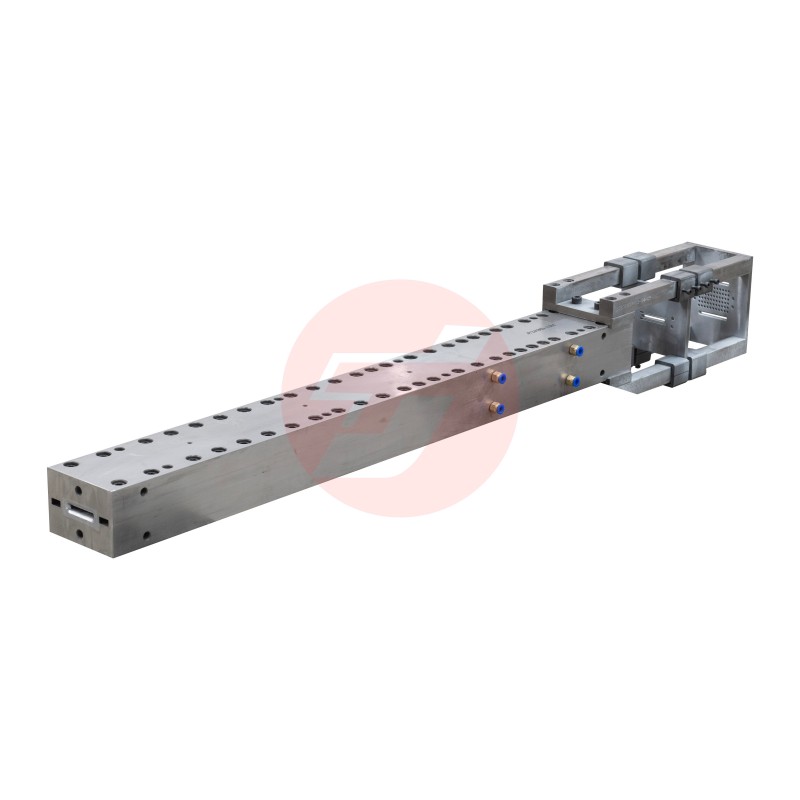
High-volume window manufacturing demands precision, speed, and cost efficiency at every production stage. Polyurethane molds have emerged as a critical technology that addresses these challenges head-on, delivering superior performance compared to traditional mold materials. When manufacturers invest in polyurethane molds for their production lines, they unlock significant advantages in cycle time reduction, dimensional accuracy, and overall operational profitability.
The manufacturing environment for window profiles requires materials that balance hardness, resilience, and longevity under continuous production cycles. Polyurethane molds excel in this demanding context because they combine elasticity with structural integrity, enabling consistent output while minimizing downtime and maintenance costs. This article explores how polyurethane molds perform in high-volume window manufacturing and why they have become the preferred choice for competitive producers worldwide.
Understanding Polyurethane Mold Capabilities in Window Production
Material Composition and Performance Characteristics
Polyurethane molds are engineered polymers that offer unique properties ideal for window profile extrusion and pultrusion processes. Unlike metal molds, polyurethane molds provide superior thermal management and release characteristics, reducing the need for external release agents that can compromise surface quality. The inherent flexibility of polyurethane allows these molds to accommodate slight material variations without degrading surface finish, which is essential when processing vinyl, composite, or hybrid window materials at scale.
The durability of polyurethane molds extends across thousands of production cycles without significant wear. This longevity directly reduces the total cost of ownership compared to alternative mold materials. Additionally, polyurethane molds offer excellent chemical resistance to the solvents and process additives commonly used in window manufacturing, ensuring consistent performance throughout the mold's operational lifespan.
Thermal Stability and Production Speed
Production speed is a critical metric in high-volume window manufacturing, and polyurethane molds contribute directly to faster cycle times. These molds maintain dimensional stability across temperature fluctuations typical in production environments, allowing manufacturers to maintain tight tolerances without recalibration. Faster cooling cycles enabled by polyurethane molds translate into higher throughput, enabling manufacturers to meet aggressive delivery schedules while maintaining consistent quality across all units produced.
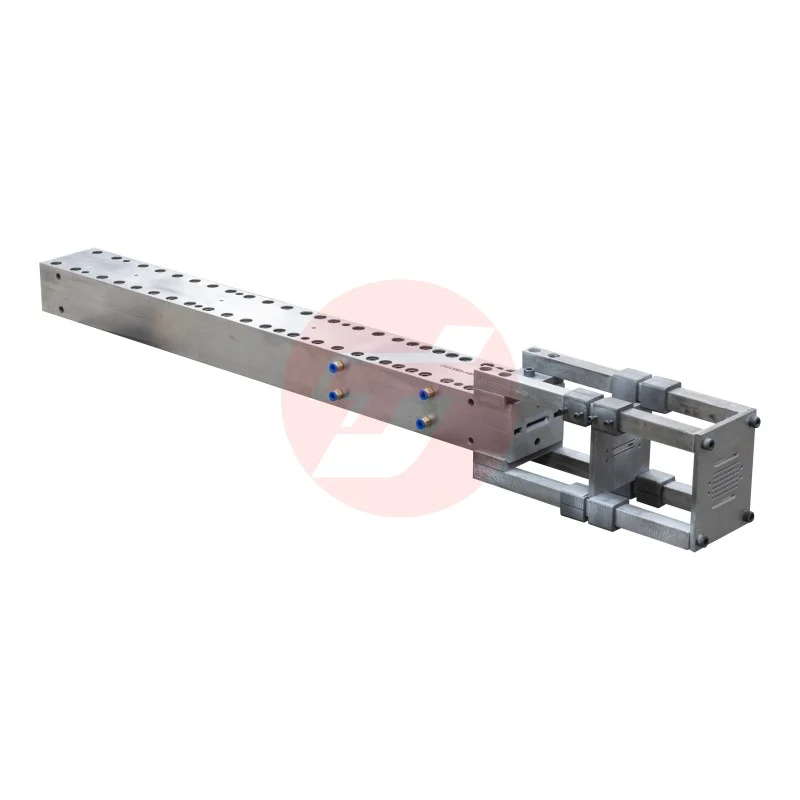
Performance Advantages in High-Volume Manufacturing
Cost Efficiency and Reduced Downtime
When manufacturers implement polyurethane molds in high-volume operations, they experience significant reductions in maintenance intervals and unexpected downtime. Polyurethane molds resist the degradation that often affects metal or harder polymer alternatives, reducing the frequency of mold replacement cycles. This reliability translates into predictable production schedules, fewer emergency repairs, and lower overall operational costs per window unit manufactured.
The investment in polyurethane molds pays dividends through improved machine utilization rates. Because these molds require less frequent service or replacement, production lines can run continuously without interruption, maximizing output and return on equipment investment. For manufacturers operating multiple production lines, the cumulative effect of choosing polyurethane molds becomes substantial across annual production volumes.
Quality Consistency and Surface Finish
High-volume window manufacturing cannot tolerate quality variation, and polyurethane molds provide exceptional consistency in surface finish across thousands of parts. The smooth surface characteristics of polyurethane molds ensure that extruded or pultruded window profiles emerge with uniform appearance, eliminating costly rework or customer returns due to cosmetic defects. This consistency is particularly valuable when producing colored or textured window profiles where surface quality is visible to end users.
Polyurethane molds also simplify quality control processes by reducing the variables that affect final product appearance. Because these molds maintain their surface characteristics throughout extended production runs, manufacturers can establish reliable process parameters that hold stable from the first unit to the last, improving predictability and customer satisfaction.
Implementation Considerations for Window Manufacturers
Integration with Existing Production Equipment
Transitioning to polyurethane molds requires careful planning to ensure compatibility with existing extrusion or pultrusion equipment. Most modern window manufacturing systems can accommodate polyurethane molds without significant equipment modifications, though consultation with mold specialists ensures optimal integration. The installation process is typically straightforward, and operators require minimal additional training to work with these molds effectively.
Manufacturers should establish clear performance baselines before implementing polyurethane molds so that improvements in cycle time, quality, and cost can be accurately measured. This data-driven approach justifies the investment and provides insights for optimizing other aspects of the production workflow alongside mold selection.
Maintenance Protocols and Long-Term Performance
Proper maintenance ensures that polyurethane molds deliver consistent performance throughout their service life. Unlike more complex mold systems, polyurethane molds require straightforward cleaning procedures and minimal preventive maintenance. Standard industrial cleaning agents and techniques preserve the mold surface without causing degradation, and operators can perform routine maintenance without specialized expertise or downtime.
Manufacturers should establish preventive maintenance schedules that include periodic inspection for signs of wear, though polyurethane molds typically show minimal degradation over extended use. Documenting maintenance activities helps track mold performance and supports informed decisions about replacement timing or redeployment to different production lines within the facility.
FAQ
What makes polyurethane molds superior to metal molds for window manufacturing?
Polyurethane molds offer several advantages over traditional metal molds in window manufacturing environments. They provide superior thermal management, require less frequent replacement, resist chemical degradation, and deliver exceptional surface finish consistency across high-volume production runs. Additionally, polyurethane molds typically cost less initially and maintain performance with minimal maintenance, making them more economical for continuous production operations.
How long do polyurethane molds typically last in high-volume production?
The lifespan of polyurethane molds in high-volume window manufacturing typically extends to tens of thousands of production cycles, depending on specific material formulations and production conditions. Polyurethane molds designed for demanding applications maintain performance well beyond conventional polymer alternatives. With proper maintenance and appropriate process parameters, these molds provide years of reliable service, substantially reducing the replacement frequency compared to other mold materials.
Can polyurethane molds accommodate different window profile designs?
Yes, polyurethane molds demonstrate excellent versatility in accommodating various window profile designs and dimensions. Manufacturers can commission custom polyurethane molds tailored to specific profile geometries, enabling production flexibility without requiring significant equipment modifications. This adaptability makes polyurethane molds ideal for manufacturers who need to produce multiple window styles or respond to evolving market demands without extensive capital investment in new tooling.