
 EN
EN
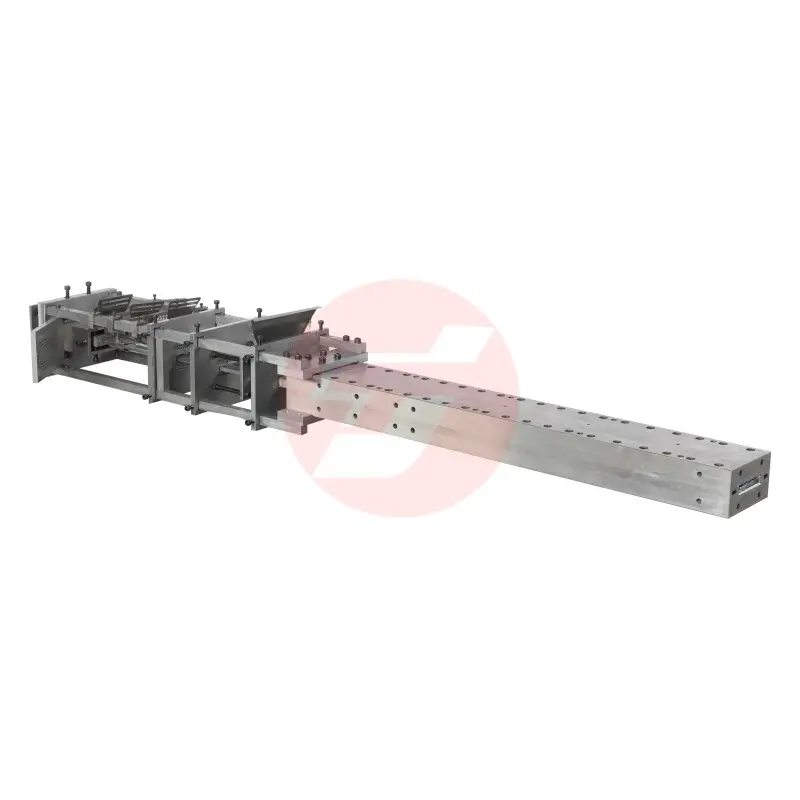
Epoxy pultrusion molds play a critical role in modern composite manufacturing, and their heat resistance capabilities directly impact production efficiency and product quality. During the pultrusion process, epoxy pultrusion molds face extreme thermal stress as resin-impregnated fibers pass through at high speeds and elevated temperatures. The ability of epoxy pultrusion molds to withstand these conditions without degradation, dimensional change, or thermal failure is essential for maintaining consistent output and reducing costly downtime. Understanding how epoxy pultrusion molds improve heat resistance helps manufacturers optimize their production systems and extend mold service life.
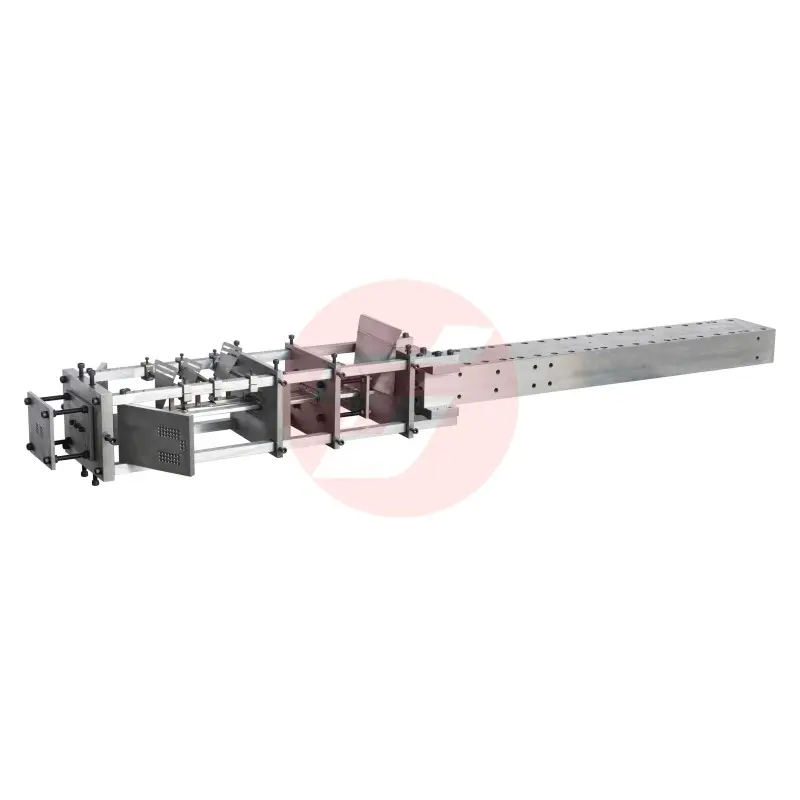
The thermal management properties of epoxy pultrusion molds are engineered through advanced material composition, internal cooling channel design, and surface treatment techniques. When epoxy pultrusion molds are properly constructed with high-performance resin systems and strategic reinforcement, they can maintain structural integrity at temperatures that would compromise ordinary molds. This thermal stability translates into faster production cycles, reduced thermal warping, and improved dimensional accuracy throughout the pultrusion run. Manufacturers across the aerospace, automotive, and renewable energy sectors depend on epoxy pultrusion molds that deliver reliable heat resistance performance.
Thermal Conductivity and Internal Cooling Systems
Heat Dissipation Through Advanced Design
The heat resistance of epoxy pultrusion molds is fundamentally enhanced by integrating sophisticated cooling channel networks. These channels allow coolant to flow directly adjacent to the mold bore, absorbing excess heat generated during the pultrusion process. High-quality epoxy pultrusion molds incorporate strategically positioned channels that maximize contact with the hottest zones, ensuring uniform temperature distribution across the mold cross-section. By controlling the thermal gradient, epoxy pultrusion molds prevent localized overheating that could cause resin degradation or fiber misalignment in the finished composite profile.
Material Composition for Superior Heat Resistance
Modern epoxy pultrusion molds are formulated with specialized epoxy resin systems combined with ceramic, carbon, or mineral fillers that significantly boost thermal conductivity. These reinforced epoxy pultrusion molds exhibit thermal conductivity values that rival or exceed aluminum molds while maintaining superior wear resistance and dimensional stability. The filler particles in epoxy pultrusion molds create a thermally conductive matrix that rapidly dissipates heat away from the fiber contact surfaces. This combination ensures that epoxy pultrusion molds remain cooler during extended production runs, which directly reduces thermal expansion and maintains profile dimensional accuracy.
Dimensional Stability Under Thermal Stress
Coefficient of Thermal Expansion Management
One of the most significant advantages epoxy pultrusion molds offer is controlled coefficient of thermal expansion, which prevents the mold dimensions from shifting as temperatures fluctuate. Traditional metal molds experience noticeable growth under pultrusion heat, leading to profile dimension drift and quality variability. Engineered epoxy pultrusion molds maintain near-zero thermal expansion characteristics, ensuring that parts produced at the start of a production run match those made hours later. This stability is critical for high-precision applications where tolerance stacking or dimensional consistency directly affects component performance and assembly fit.
Long-Term Performance and Wear Resistance
The thermal stability of epoxy pultrusion molds contributes directly to extended service life and reduced replacement frequency. Because epoxy pultrusion molds experience minimal thermal cycling damage, they resist the micro-cracking and surface degradation that plague molds with poor heat resistance. The composite nature of epoxy pultrusion molds means they absorb thermal shock without developing stress concentrations that propagate into fractures. Manufacturers using properly designed epoxy pultrusion molds report significantly lower mold maintenance costs and fewer unplanned production interruptions due to thermal failure or dimensional drift.
Production Efficiency and Cost Optimization
Faster Cycle Times and Higher Throughput
Superior heat resistance in epoxy pultrusion molds enables manufacturers to increase pultrusion line speeds without compromising product quality. When epoxy pultrusion molds can efficiently shed heat generated during fast production runs, line operators can push throughput closer to equipment capacity limits. The faster resin curing and easier fiber impregnation that result from optimized thermal management in epoxy pultrusion molds reduce total production time per profile. This productivity gain directly improves manufacturing economics, allowing facilities to meet customer demand more efficiently while reducing per-unit production cost.
Reduced Thermal-Related Quality Issues
Epoxy pultrusion molds with excellent heat resistance help eliminate common defects such as resin crazing, fiber waviness, and dimensional variation that stem from inadequate thermal control. When epoxy pultrusion molds maintain consistent temperatures throughout the bore, resin flow becomes predictable and fiber orientation remains uniform. This thermal consistency minimizes reject rates and reduces the need for post-production grinding, surface treatment, or dimensional correction. The cumulative savings from fewer quality failures and rework operations make epoxy pultrusion molds a superior investment compared to traditional alternatives that generate higher thermal distortion and defect rates.
Comparative Performance in Demanding Pultrusion Applications
Performance in Continuous-Run Operations
Industries that require multi-hour or multi-day continuous pultrusion campaigns benefit tremendously from the heat resistance of epoxy pultrusion molds. Metal molds typically reach thermal saturation after extended operation, leading to uncontrollable temperature drift and dimensional growth. Epoxy pultrusion molds maintain stable thermal conditions even during marathon production sessions, allowing manufacturers to sustain consistent quality from the first profile to the last. This capability is particularly valuable for large-volume orders where consistency and on-time delivery are non-negotiable customer requirements.
Thermal Performance Across Product Complexity
Complex profile geometries with thick sections, hollow cores, and intricate features generate uneven thermal profiles that challenge mold thermal management. Epoxy pultrusion molds excel in these complex applications because their advanced cooling channel designs can be customized to address specific thermal hotspots. Whether producing thick structural beams, thin-walled tubes, or custom cross-sections, epoxy pultrusion molds adapt to the unique thermal demands of each application. This versatility makes epoxy pultrusion molds the preferred choice for manufacturers producing diverse profile types or transitioning between different product designs without mold replacement.
FAQ
What specific epoxy formulation best improves heat resistance in pultrusion molds?
Heat-resistant epoxy pultrusion molds typically use bismaleimide-modified epoxy resins combined with thermally conductive fillers such as aluminum oxide, boron nitride, or carbon particles. These advanced epoxy pultrusion molds achieve thermal conductivity rates of 0.8 to 1.2 W/m·K, significantly higher than standard epoxy systems. The selection of epoxy pultrusion mold material depends on the specific temperature profile, production speed, and profile geometry of your application.
How does cooling channel design affect the heat resistance performance of epoxy pultrusion molds?
Cooling channels in epoxy pultrusion molds must be positioned within 10 to 15 mm of the bore surface to maximize heat extraction efficiency. Advanced epoxy pultrusion molds feature conformal cooling channels that follow the contours of complex profiles, ensuring uniform temperature distribution. Proper channel sizing, flow rate optimization, and coolant selection are critical for achieving the full heat resistance potential that epoxy pultrusion molds offer.
Can epoxy pultrusion molds maintain dimensional accuracy during extended production runs?
Yes, properly engineered epoxy pultrusion molds maintain dimensional tolerances within ±0.1 mm throughout multi-hour production campaigns. The low coefficient of thermal expansion inherent in epoxy pultrusion molds prevents the dimensional drift that occurs with metal molds. Manufacturers report that epoxy pultrusion molds deliver consistent profile dimensions regardless of production duration, making them ideal for demanding applications where tolerance control is critical.